


Secondary sourceSculpturec. 120 CE
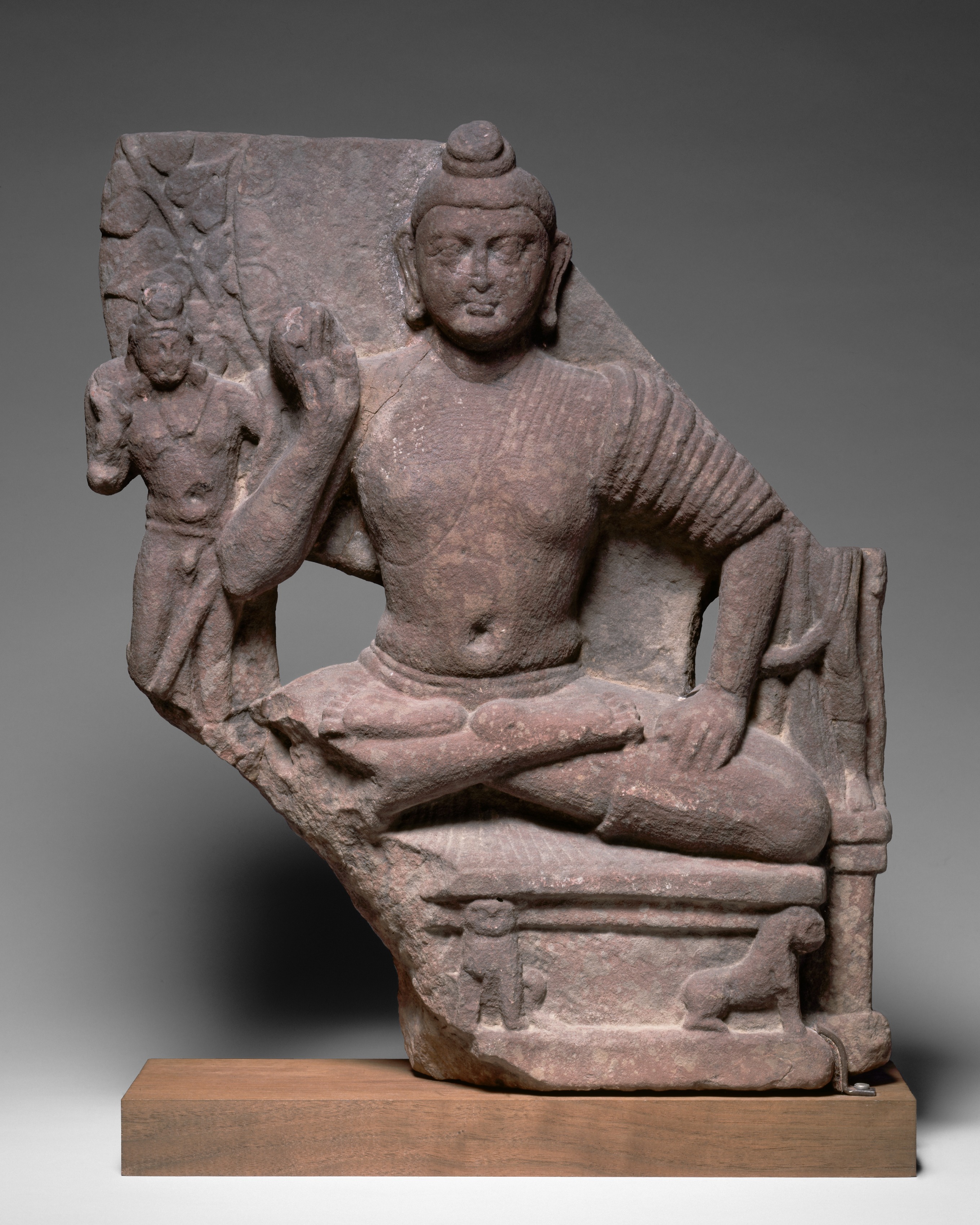
Seated Shakyamuni Buddha under the Bodhi Tree
c. 120 CE
An early sandstone image of the Buddha seated under the Bodhi tree, carved in Mathura around 120 CE.
An early human depiction of the Buddha, showing how his royal past and spiritual status were symbolized in art.
About this source
What it is
This red sandstone sculpture, made around 120 CE in Mathura, northern India, during the Kushan period, shows the Buddha seated on an altar under the Bodhi tree. It is held by the Cleveland Museum of Art.
Why it matters
This is an early example of the Buddha being shown in human form, rather than only through symbols. Details like his coiled topknot and long earlobes recall his earlier life as a prince who wore a turban and heavy earrings, while the solar disk behind his head and lions on his throne show how artists signaled his spiritual importance and the spread of his teaching in all directions.
Look closer
- What details on the figure hint at his earlier life as a prince?
- Why might artists have chosen a disk behind his head, similar to a halo?
- What do the lions carved on the throne suggest about how his followers saw his teachings spreading?
This sculpture is part of the curated material that grounds the AI version of Buddha on Humy.ai — when students ask about related events, the AI can quote it and cite it.
More Buddha sources
Meet the AI Buddha →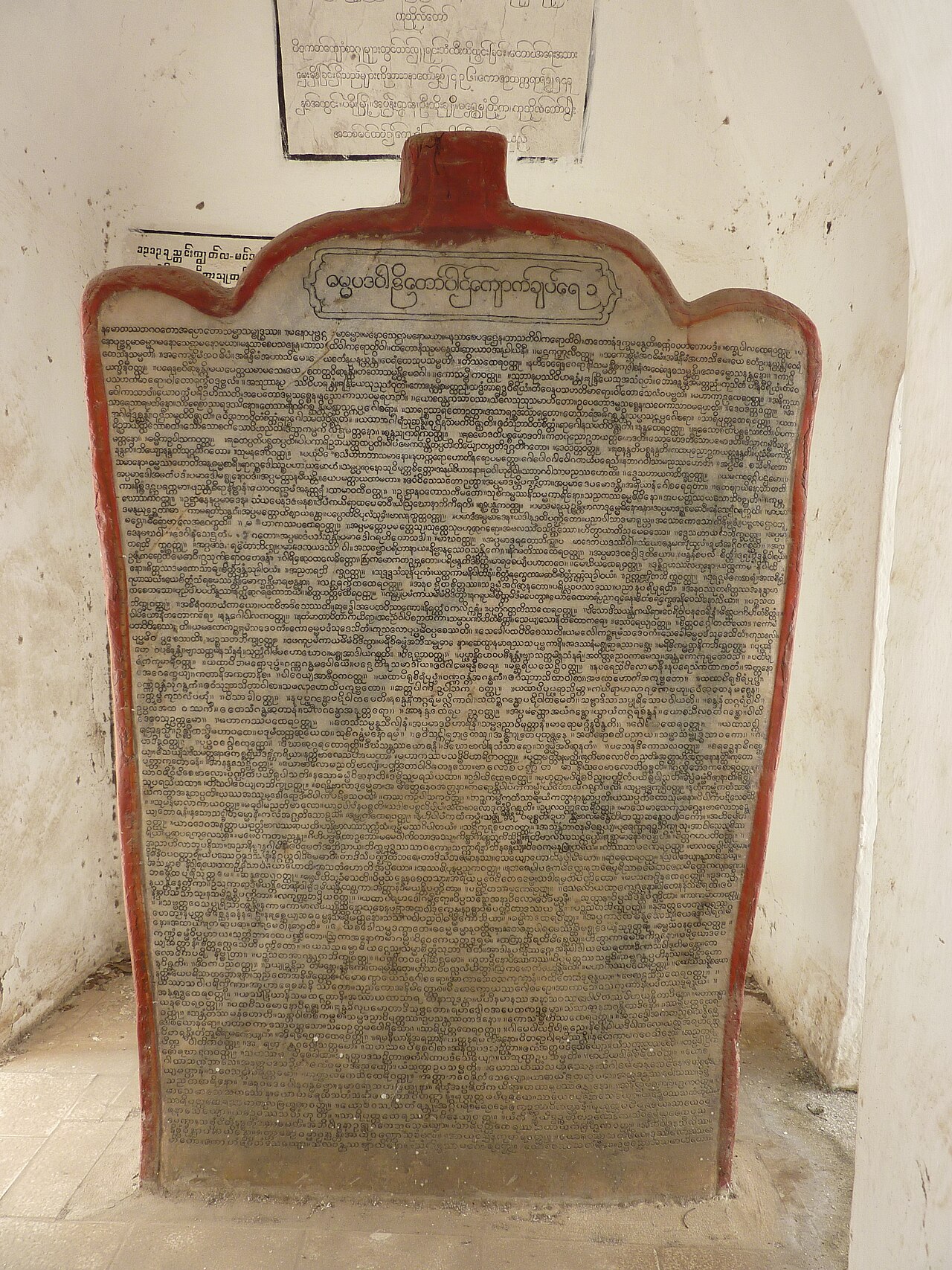 Book
Secondary source
Dhammapada
Attributed to the Buddha · c. 3rd century BCE compilation
 Painting
Secondary source
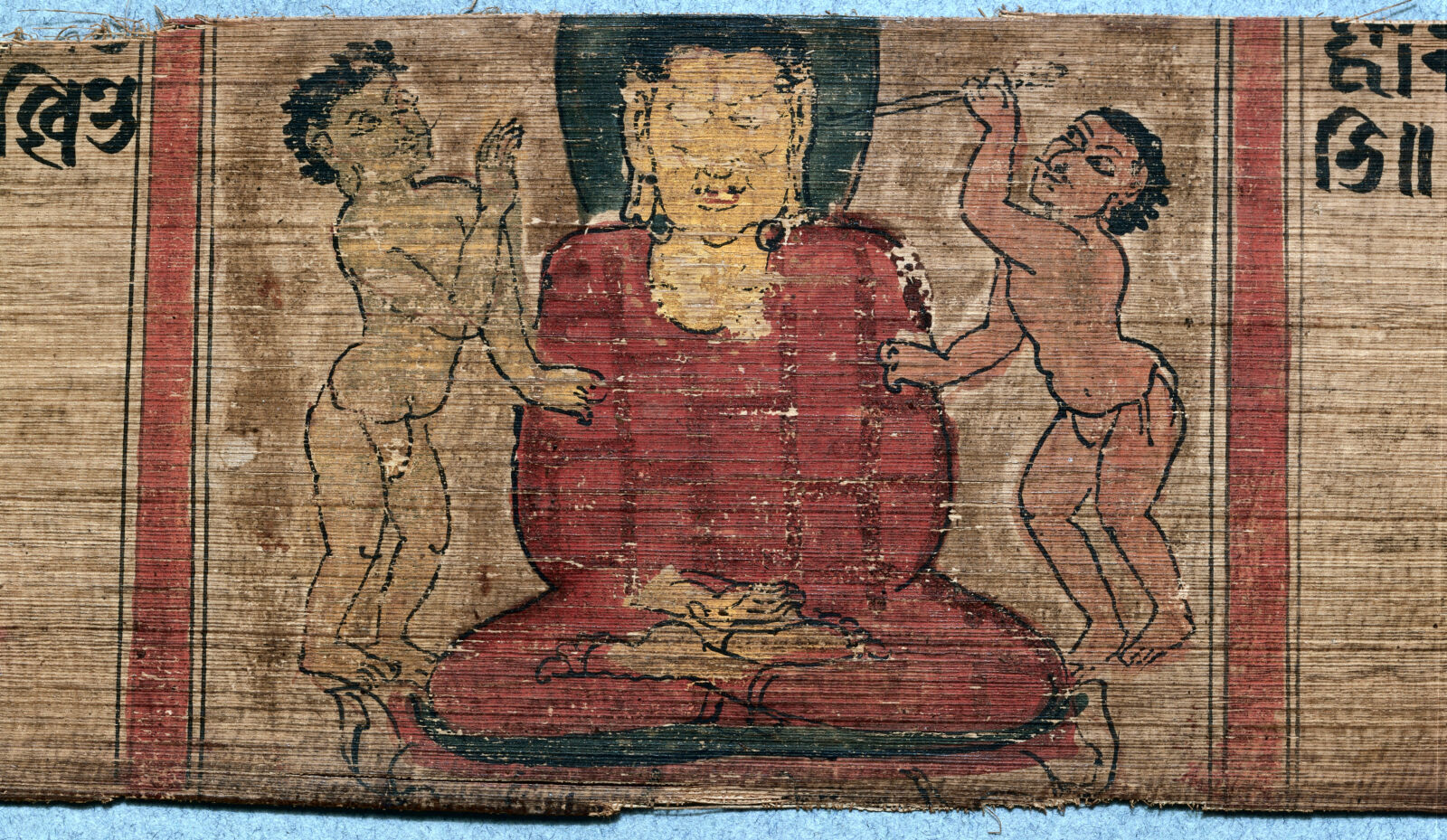
Buddha in Dhyana, Perfection of Wisdom Sutra Manuscript
1074
 Sculpture
Secondary source
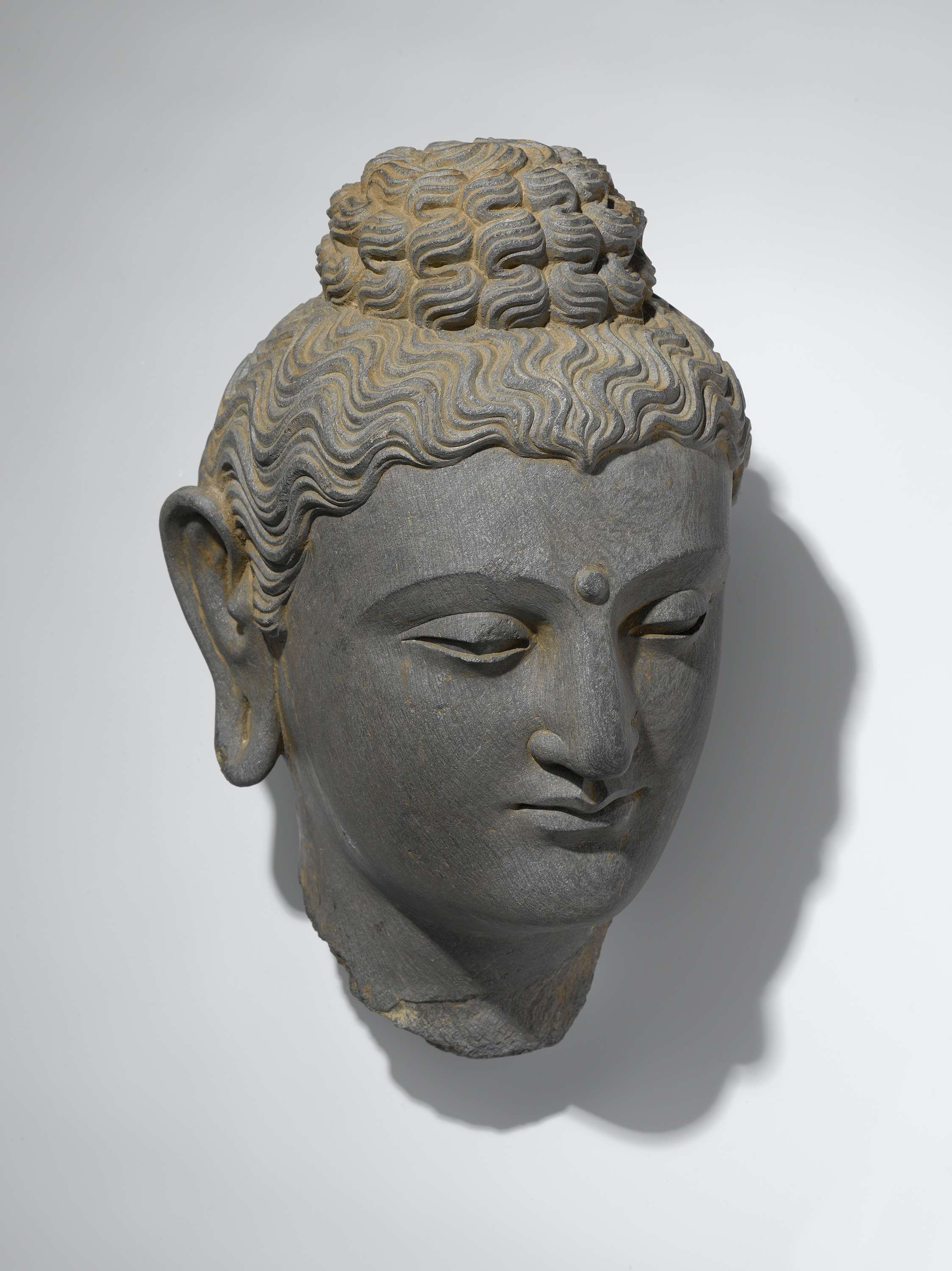
Head of the Buddha, Gandhara style
 Book
Secondary source
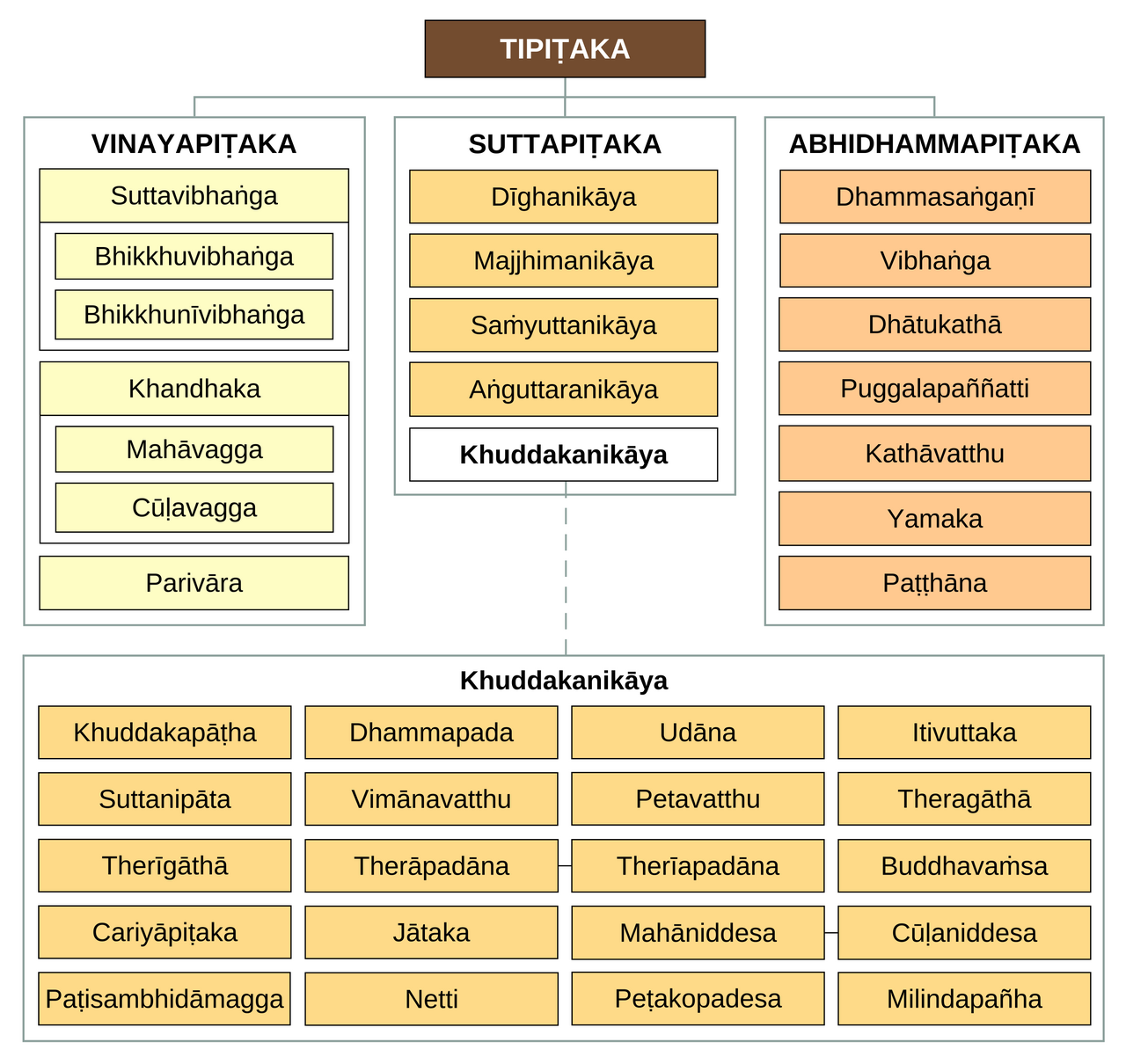
Pali Canon (Tipitaka)
Early Buddhist sangha · oral from 5th century BCE; written c. 29 BCE
 Document
Secondary source
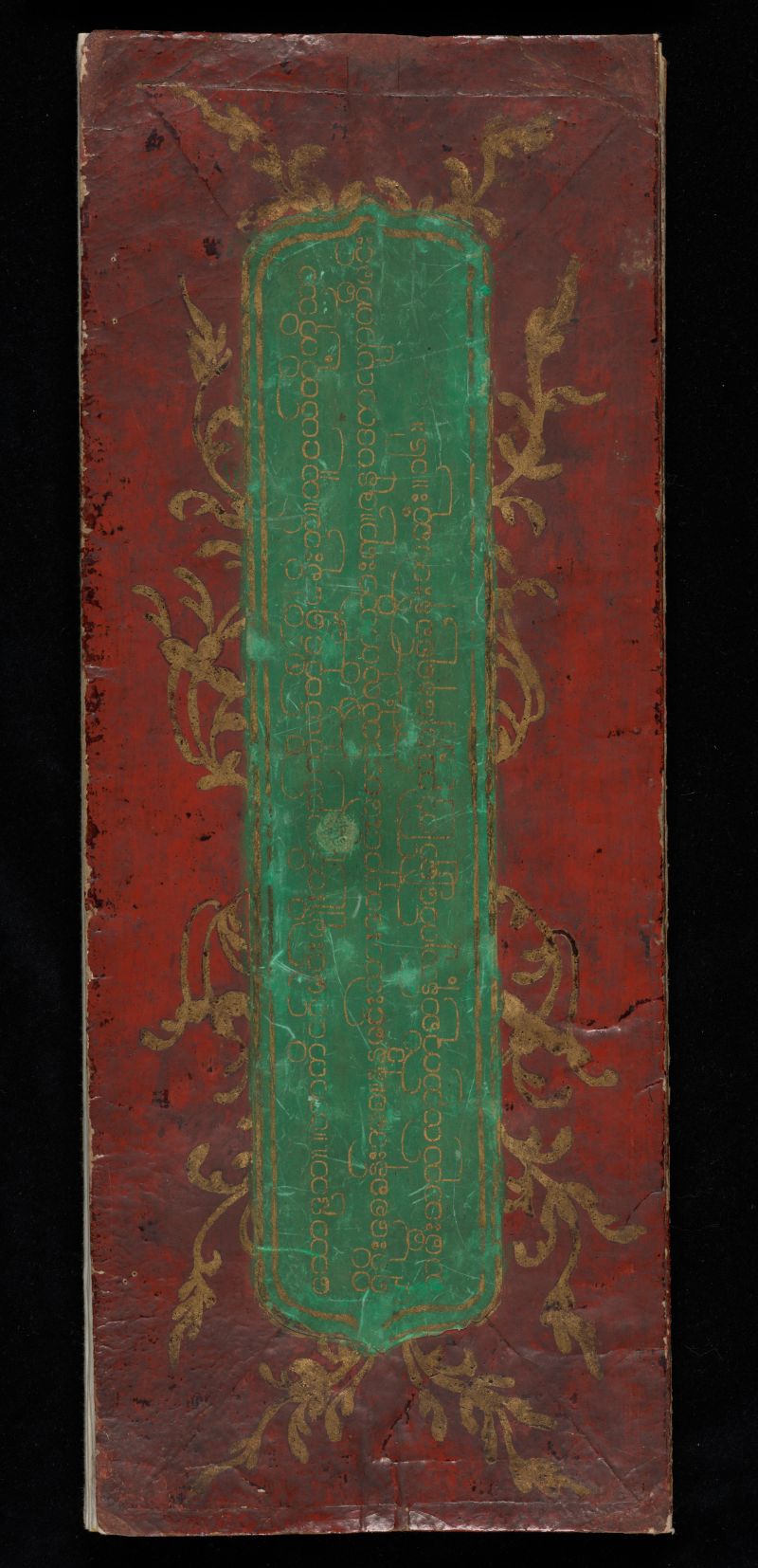
Life of the Buddha
19th century
Ready when you are
Start chatting with Buddha now.
20 messages free · No credit card · Available in 50+ languages.