


Secondary sourceBooklikely 10th century
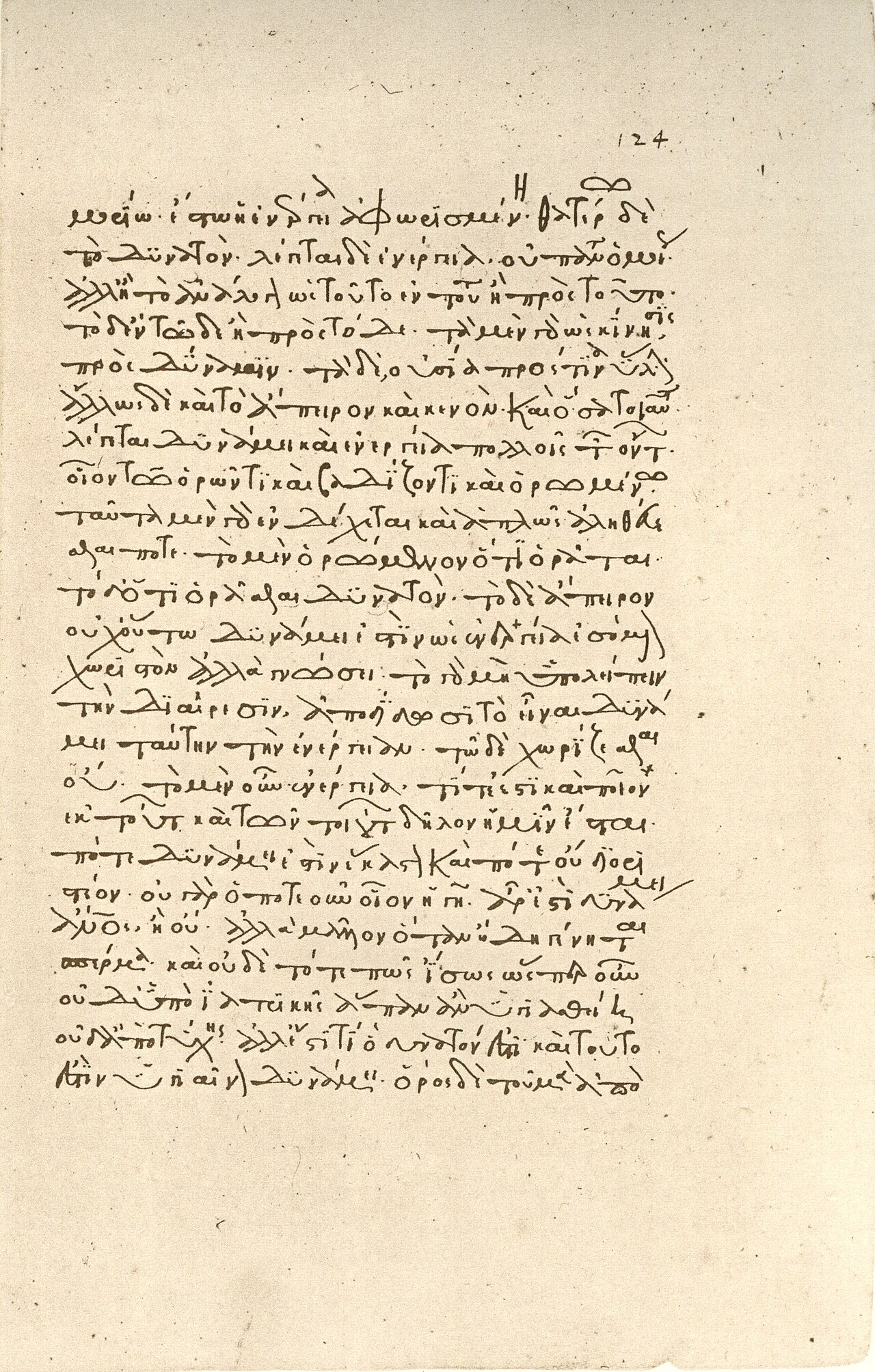
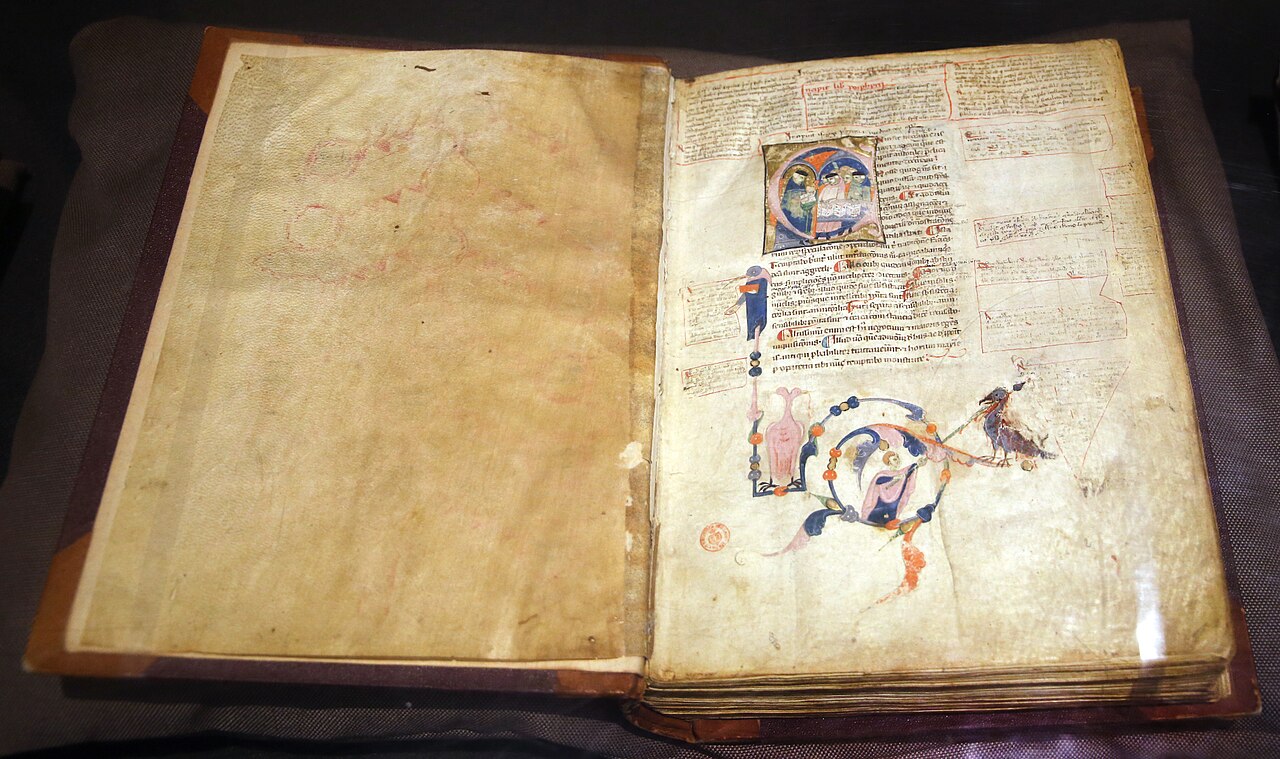
Secretum Secretorum
Pseudo-Aristotle · likely 10th century
A pseudo-Aristotelian treatise presented as a letter from Aristotle to Alexander the Great, one of the most-read books of the Middle Ages.
Falsely attributed to Aristotle, this text shows how his legendary reputation as advisor to Alexander grew after his death.
About this source
What it is
The Secretum Secretorum, or 'Secret of Secrets', claims to be a letter from Aristotle to his pupil Alexander the Great, covering topics from kingship and ethics to medicine, astrology, and magic. Modern scholars believe it was actually written in Arabic around the 10th century, not by Aristotle himself, though it was translated and copied widely in the medieval world.
Why it matters
Even though it is not genuinely by Aristotle, medieval readers believed it was, and it became one of the most widely read texts of the High Middle Ages. It shows how the legendary relationship between Aristotle and Alexander grew over time, and how scholars like Roger Bacon treated the work as a serious source.
Look closer
- Why might someone attribute their own writing to a famous philosopher like Aristotle?
- What does the popularity of this text tell you about what medieval readers wanted from 'Aristotle'?
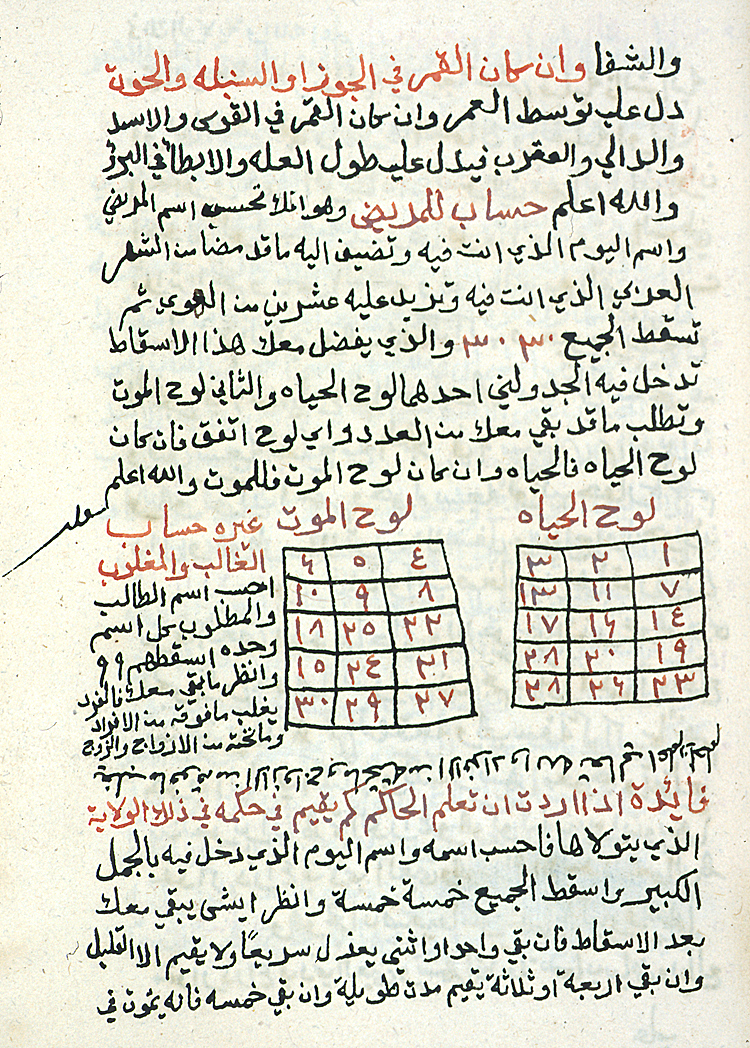
- How does the Arabic manuscript's table for predicting lifespan reflect beliefs of its time?
This book is part of the curated material that grounds the AI version of Aristotle on Humy.ai — when students ask about related events, the AI can quote it and cite it.
More Aristotle sources
Meet the AI Aristotle →
Ready when you are
Start chatting with Aristotle now.
20 messages free · No credit card · Available in 50+ languages.