


Secondary sourcePainting1617
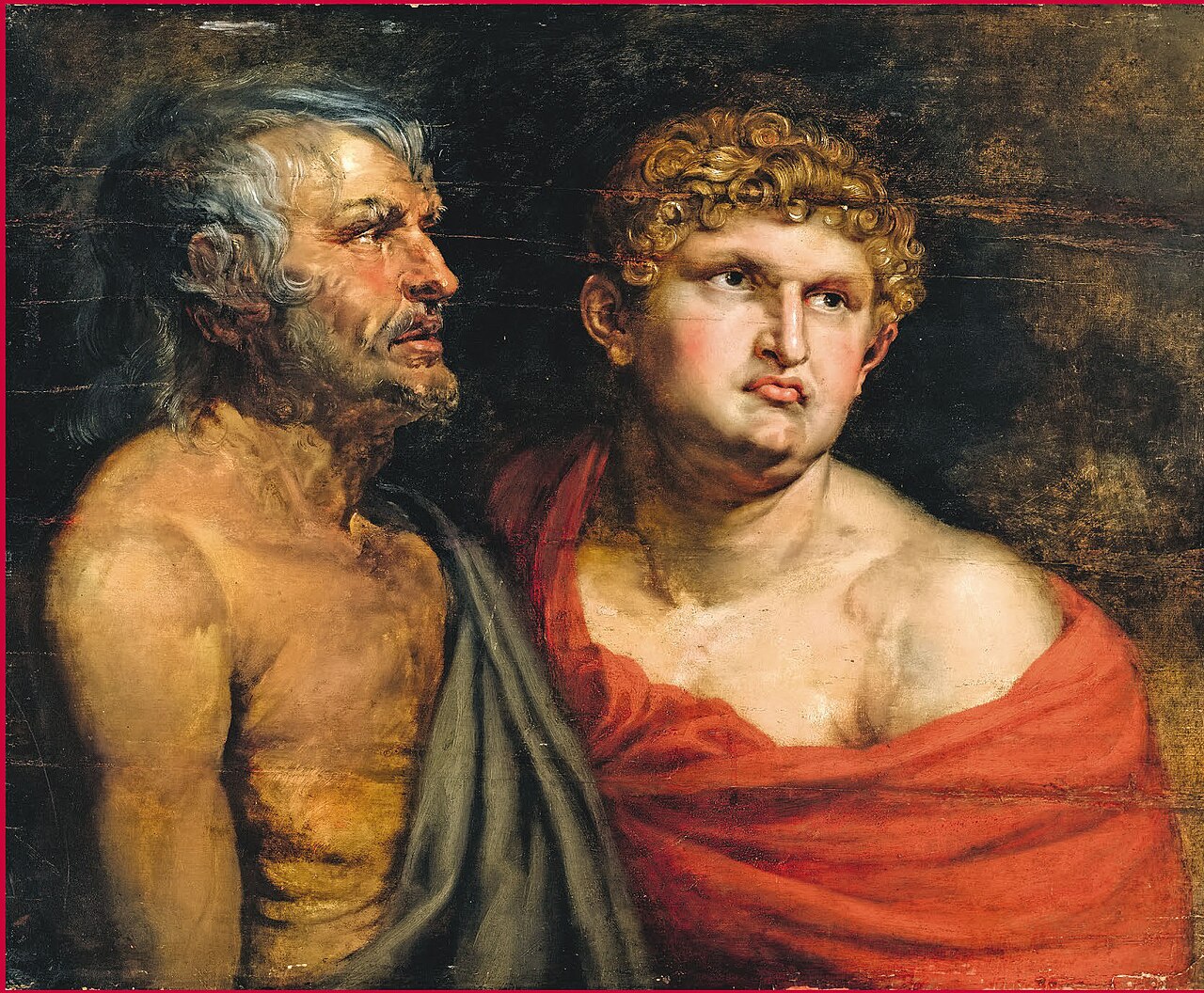
Seneca and Nero
Peter Paul Rubens · 1617
A 1617 painting by Peter Paul Rubens imagining the philosopher Seneca with his imperial pupil Nero.
Rubens imagines Seneca as tutor beside his imperial pupil Nero, visualising the relationship that shaped his career.
About this source
What it is
This is a painting made by the Flemish artist Peter Paul Rubens in 1617, long after both men had died. It shows two men in half-length: an older, bearded, grey-haired man wrapped in grey cloth, and a younger man with golden curls draped in red.
Why it matters
The painting imagines the relationship between Seneca, the Stoic philosopher and statesman, and Nero, the emperor he tutored and advised. Their bond was central to Seneca's political career and, ultimately, to his downfall, since Nero later forced him to take his own life. Rubens, working over a thousand years after the events, shows how later artists continued to use Seneca and Nero as symbols of wisdom confronted by power.
Look closer
- What does the contrast between the two figures' expressions and poses suggest about their relationship?
- Why might an artist centuries later still want to paint this pairing?
- What can't a painted scene like this tell us that a written record might?
This painting is part of the curated material that grounds the AI version of Seneca on Humy.ai — when students ask about related events, the AI can quote it and cite it.
More Seneca sources
Meet the AI Seneca →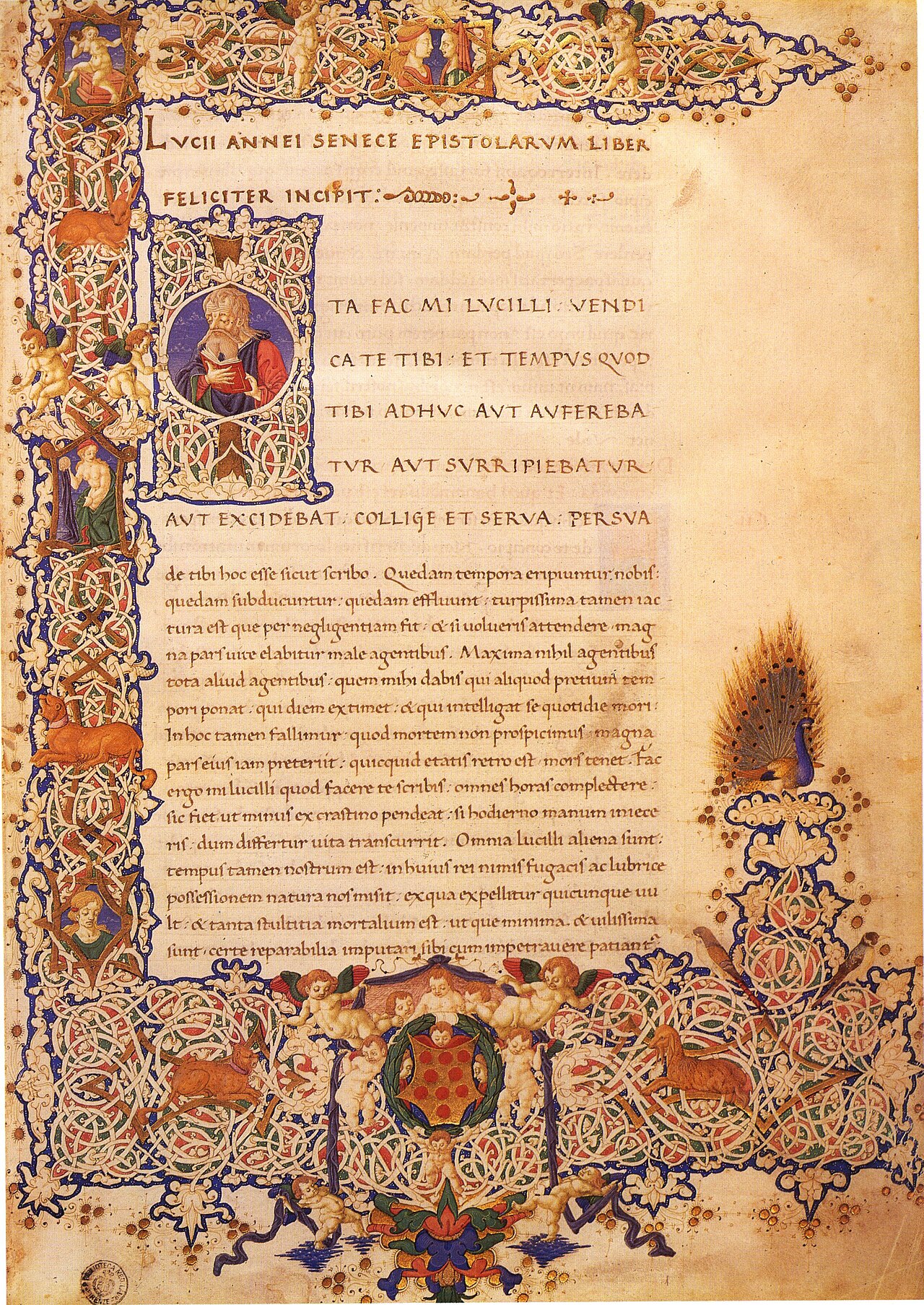 Letter
Primary source
Epistulae Morales ad Lucilium
Seneca · c. 62-65 CE
 Book
Primary source
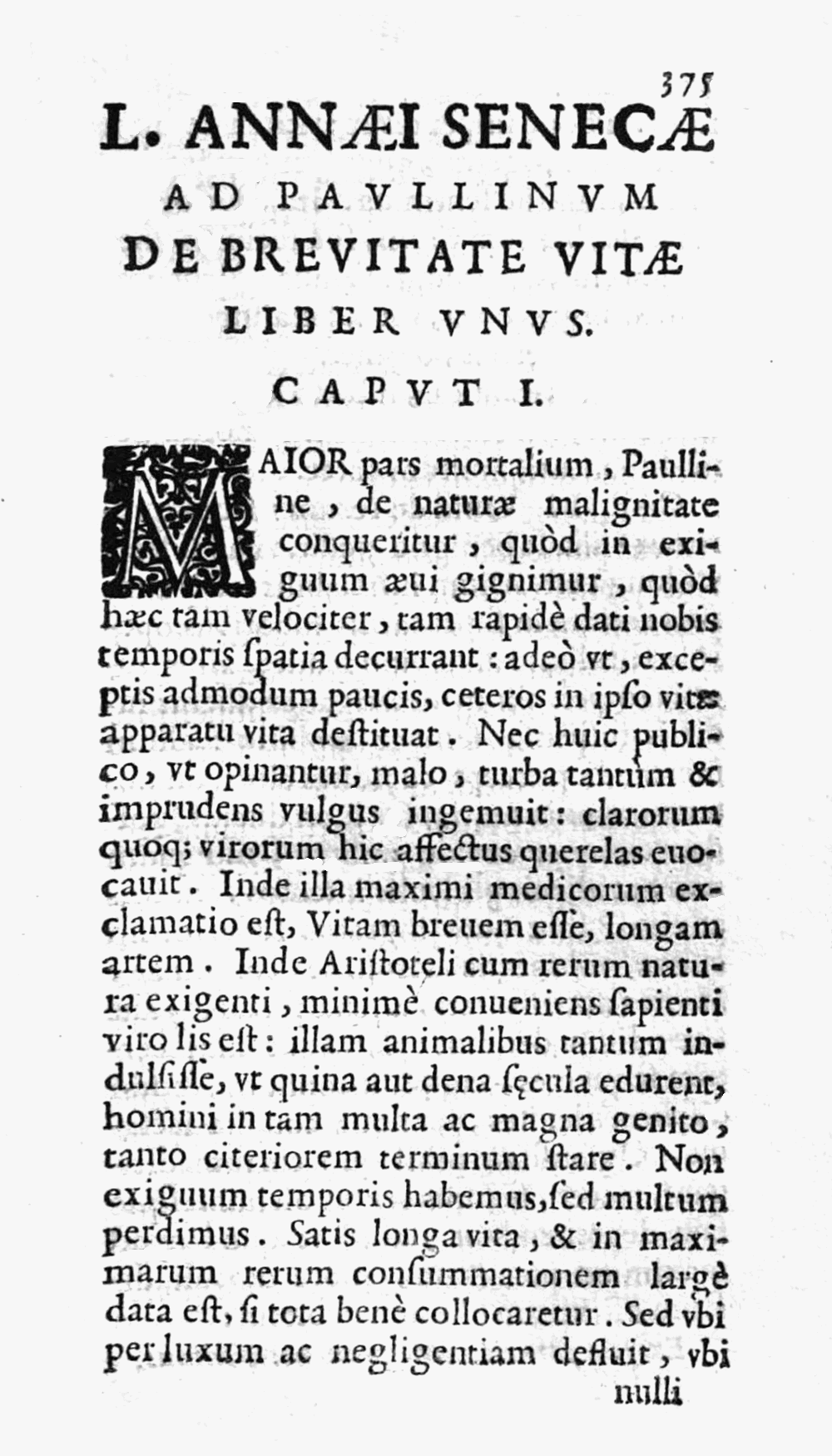
De Brevitate Vitae
Seneca · c. 49 CE
 Book
Secondary source
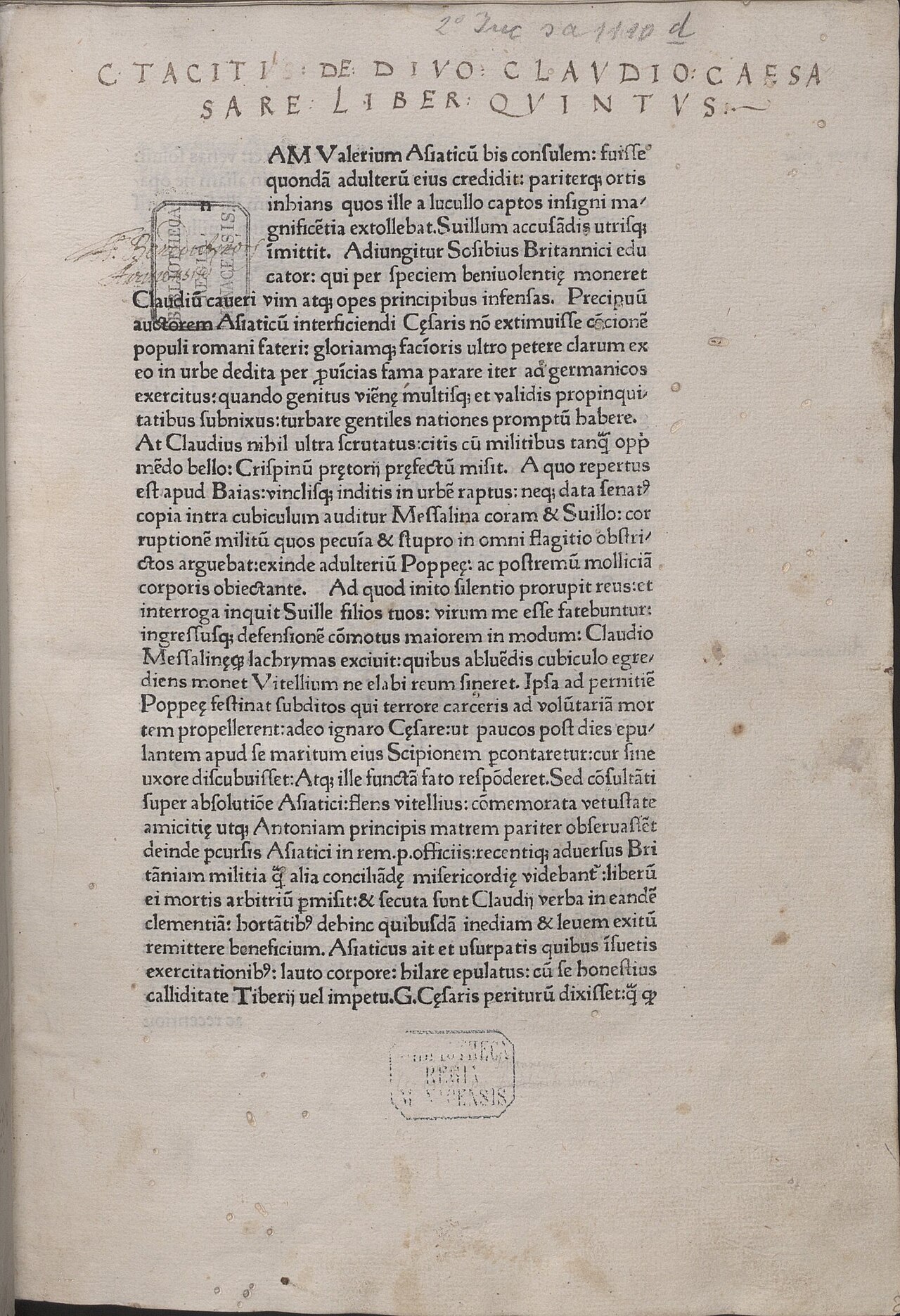
Annals
Tacitus · c. AD 116 or later
 Book
Primary source
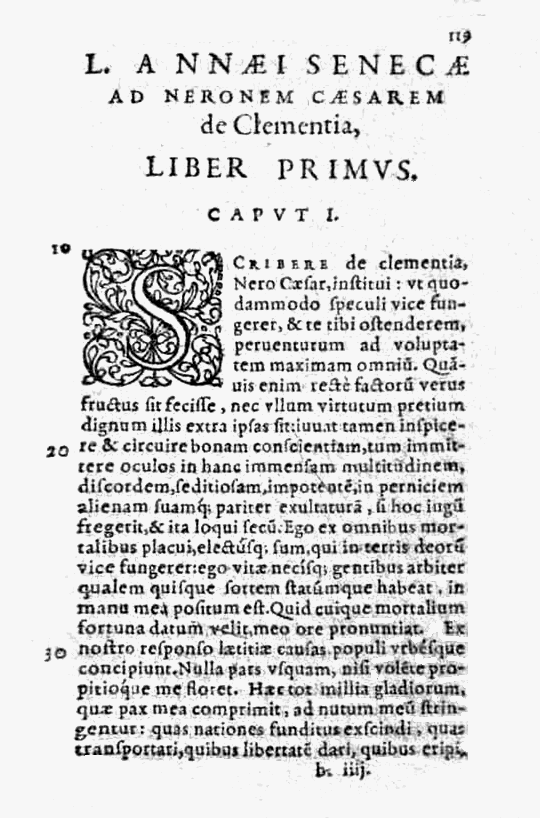
De Clementia
Seneca · 55-56 CE
 Sculpture
Secondary source
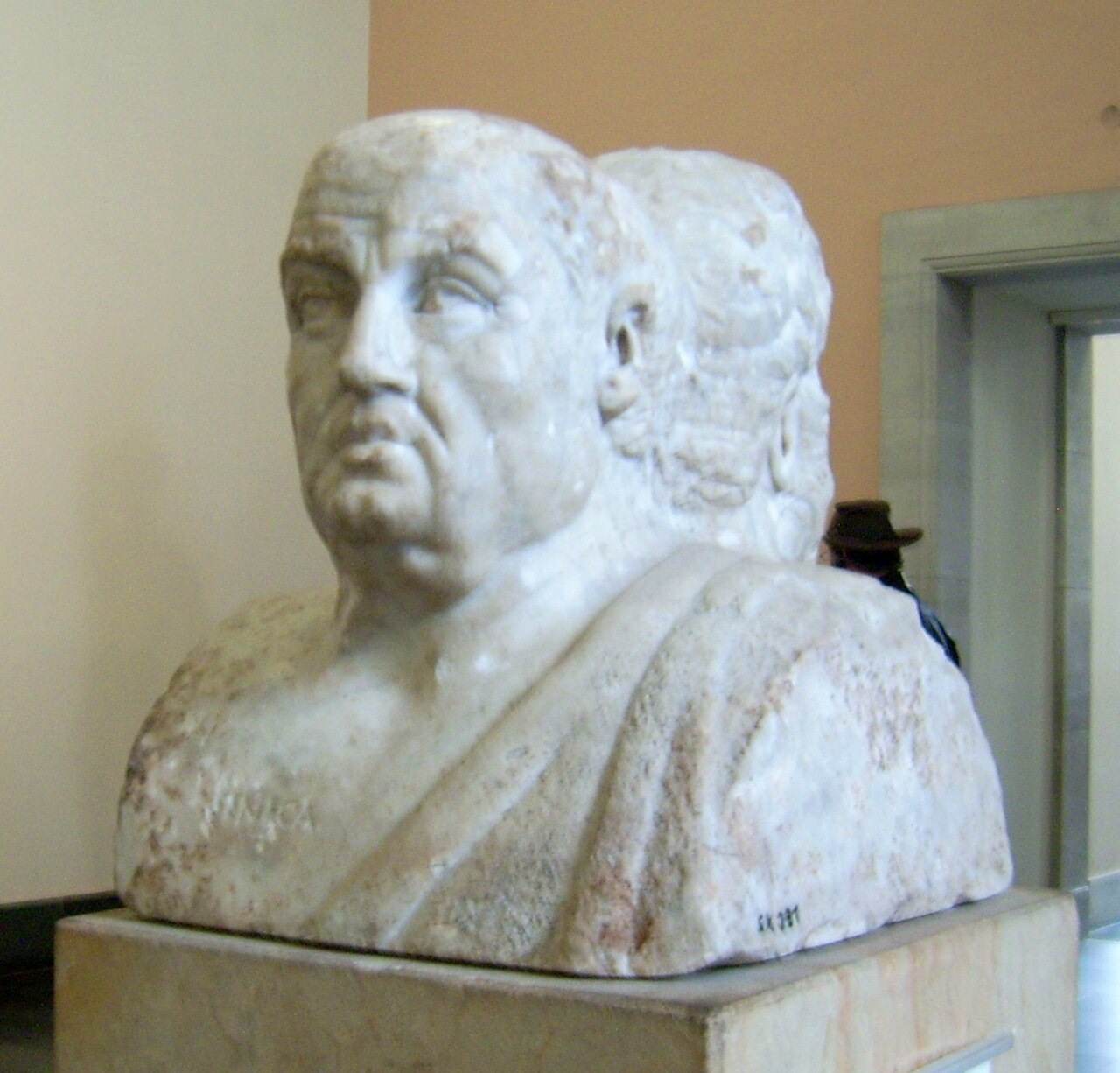
Double Herm of Socrates and Seneca
first half of the 3rd century AD
Ready when you are
Start chatting with Seneca now.
20 messages free · No credit card · Available in 50+ languages.