


Secondary sourceSculpture1894-1895
Seneca
Mateo Inurria · 1894-1895
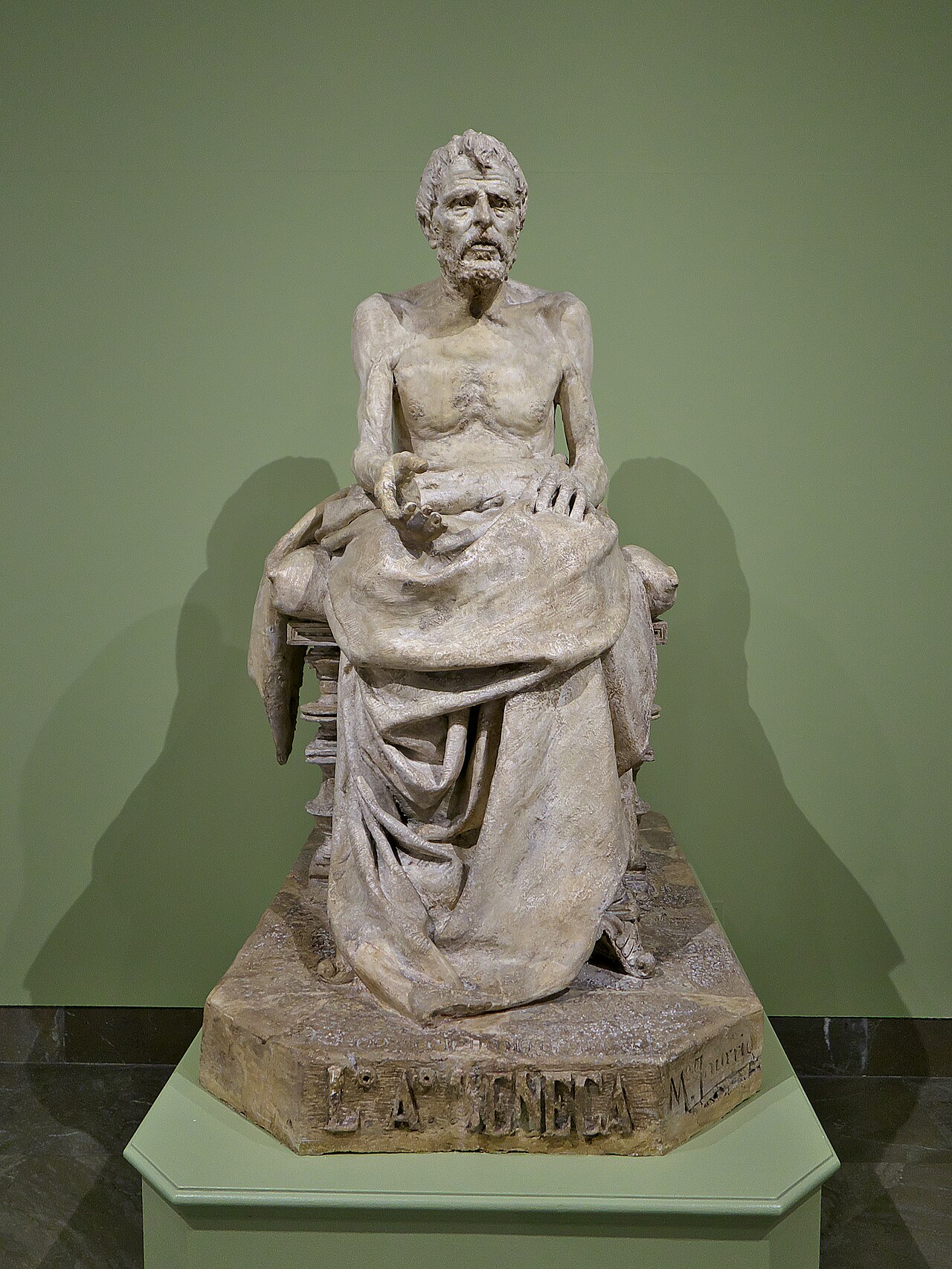
A plaster sculpture by Mateo Inurria, made in 1894-1895, showing the philosopher Seneca teaching before his death. A photograph of the cast is held by the Museo de Bellas Artes de Córdoba.
Seneca is the subject of this later sculpture, which presents him as a teacher facing death, shaped by a Spanish artist's view of ancient Rome.
About this source
What it is
This is a plaster sculpture of the seated philosopher Seneca, made by the Córdoba sculptor Mateo Inurria in 1894-1895. The Museo de Bellas Artes de Córdoba describes it as a patinated plaster cast, made from a mould, showing Seneca setting out his last teachings before his suicide. The figure is an emaciated, bearded old man with a bare chest and a heavy cloth over his legs. It stands on a hexagonal base. The photograph of the cast in this archive is dated April 2017.
Why it matters
Seneca was a Roman Stoic philosopher and statesman who died in 65 CE. Inurria made this sculpture about eighteen centuries later, in Spain in the late nineteenth century. It shows how a Spanish sculptor of that period chose to present a famous Roman thinker, as a wise teacher facing his death. The work tells us about the ideals of its own time as much as about ancient Rome.
Look closer
- What does the pose and the bare body suggest about Seneca's character?
- Why might the sculptor choose a plaster cast rather than marble?
- What does this statue leave out about Seneca's writings and political life?
This sculpture is part of the curated material that grounds the AI version of Seneca on Humy.ai — when students ask about related events, the AI can quote it and cite it.
More Seneca sources
Meet the AI Seneca →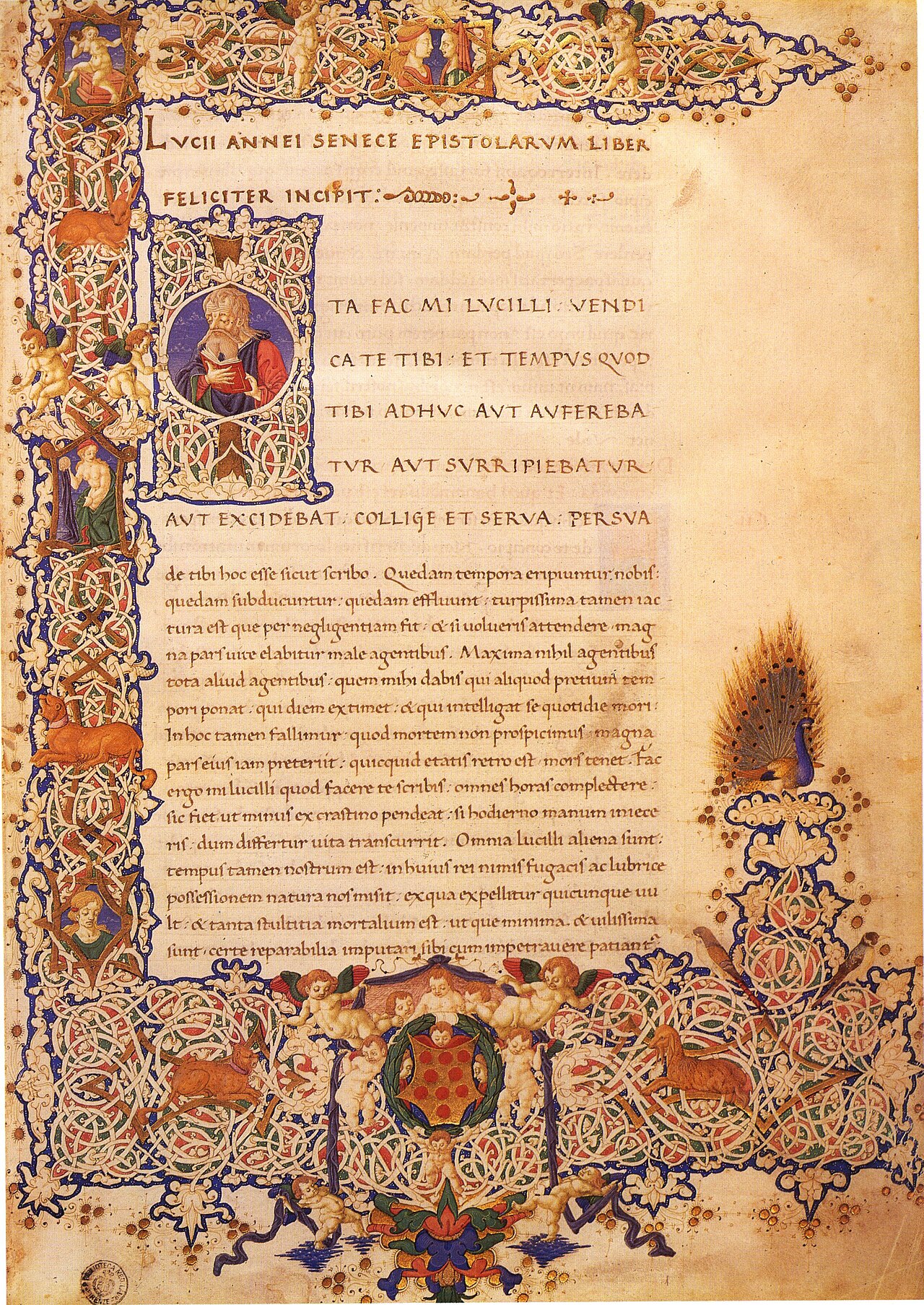 Letter
Primary source
Epistulae Morales ad Lucilium
Seneca · c. 62-65 CE
 Book
Primary source
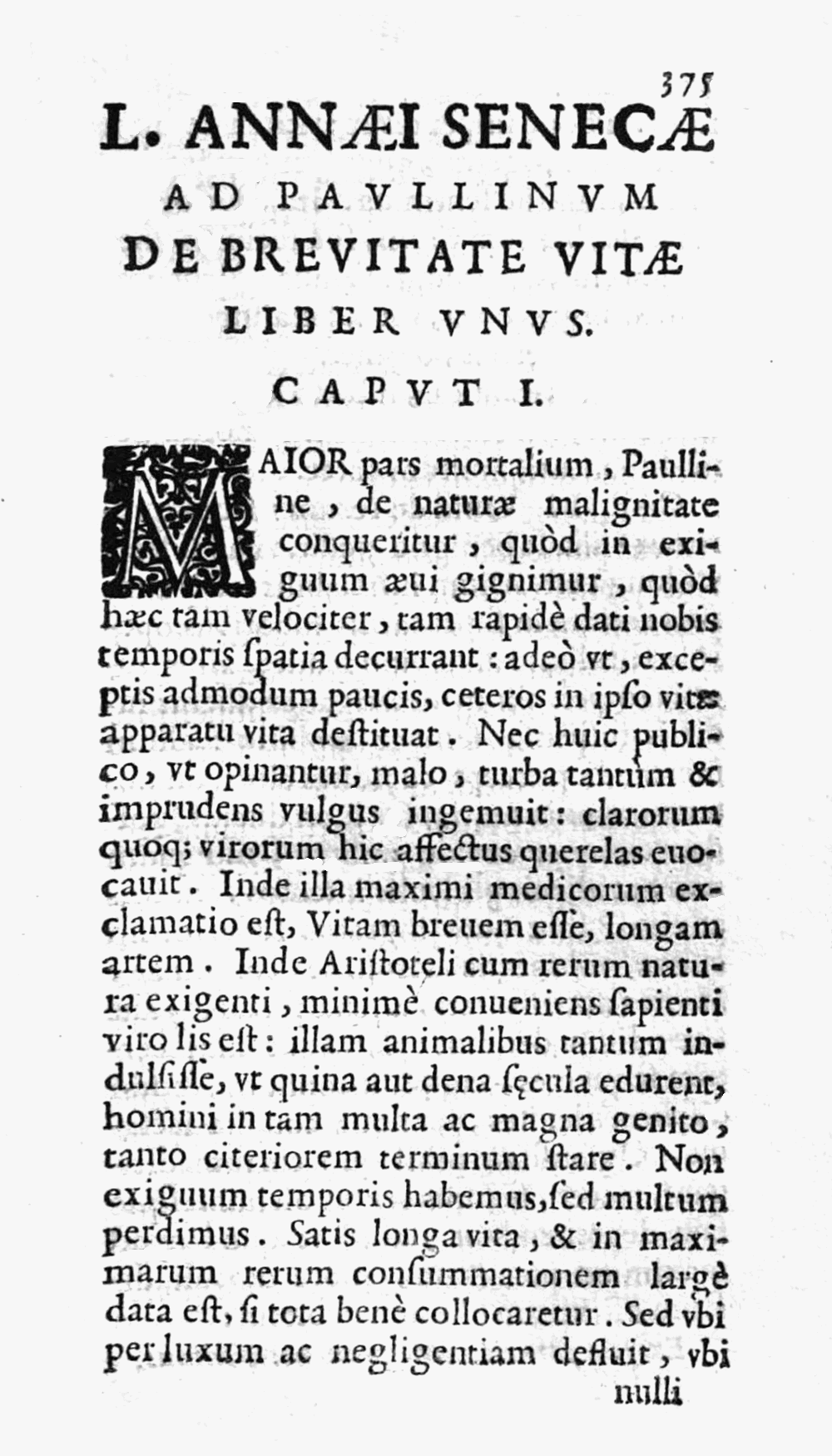
De Brevitate Vitae
Seneca · c. 49 CE
 Book
Secondary source
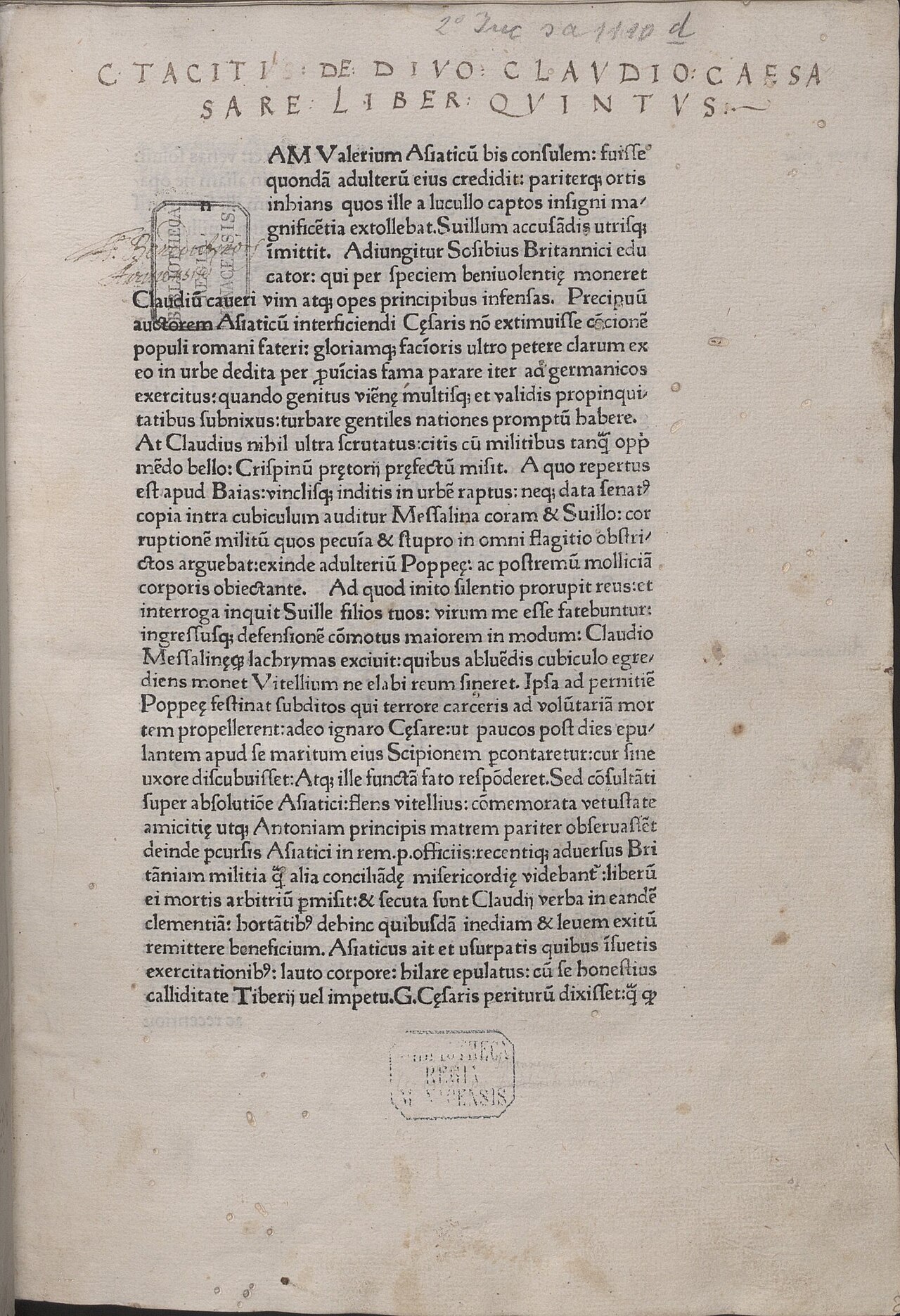
Annals
Tacitus · c. AD 116 or later
 Book
Primary source
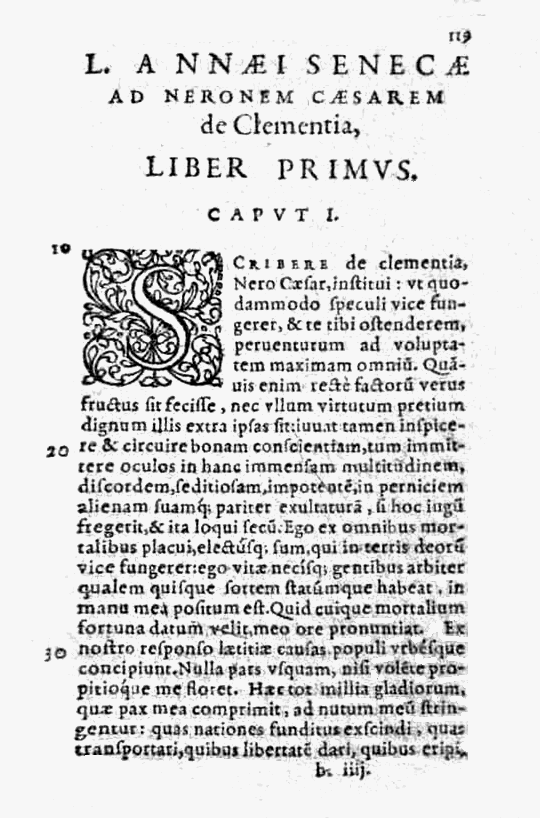
De Clementia
Seneca · 55-56 CE
 Sculpture
Secondary source
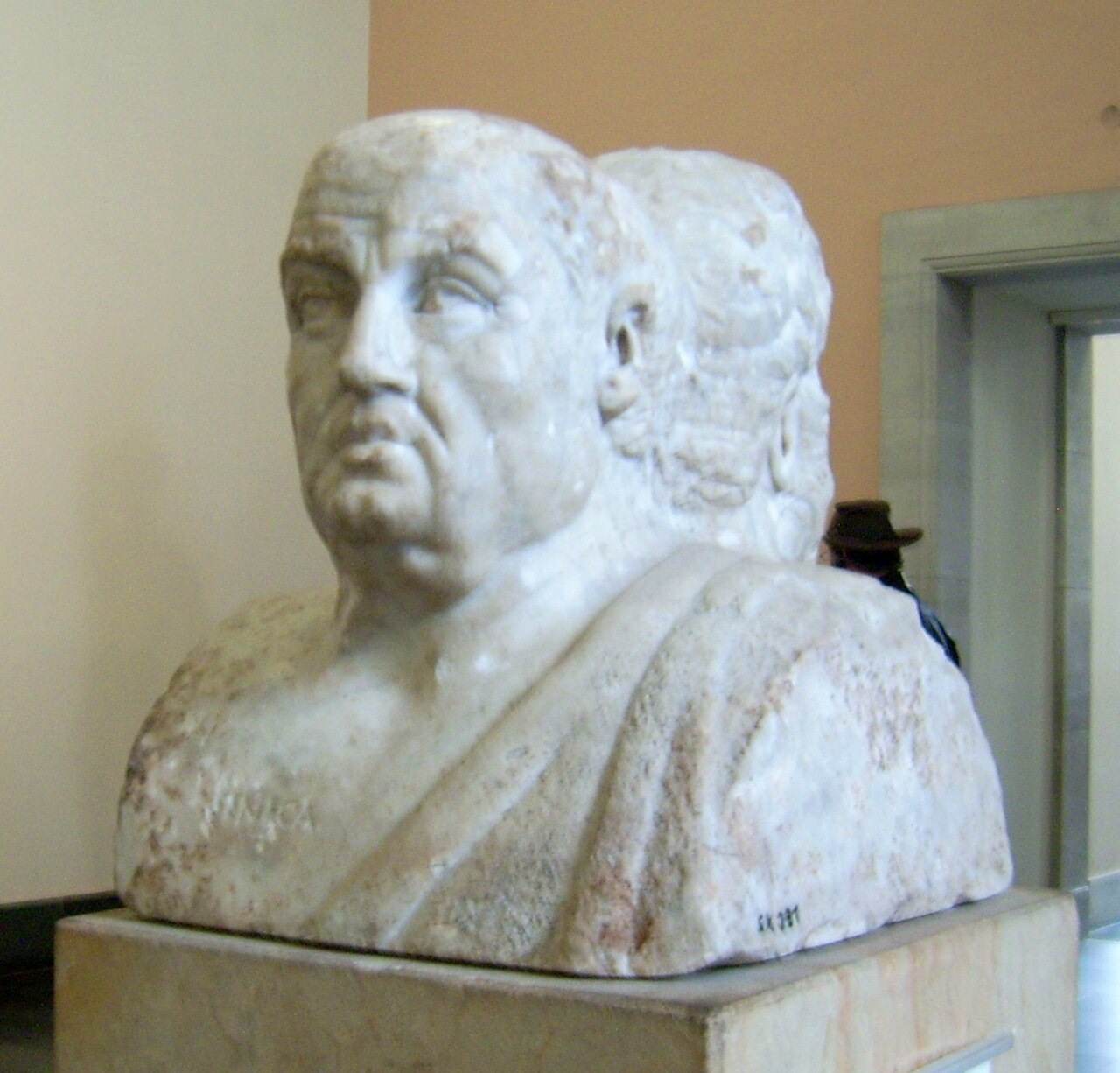
Double Herm of Socrates and Seneca
first half of the 3rd century AD
Ready when you are
Start chatting with Seneca now.
20 messages free · No credit card · Available in 50+ languages.