


Secondary sourcePaintingc. 1773
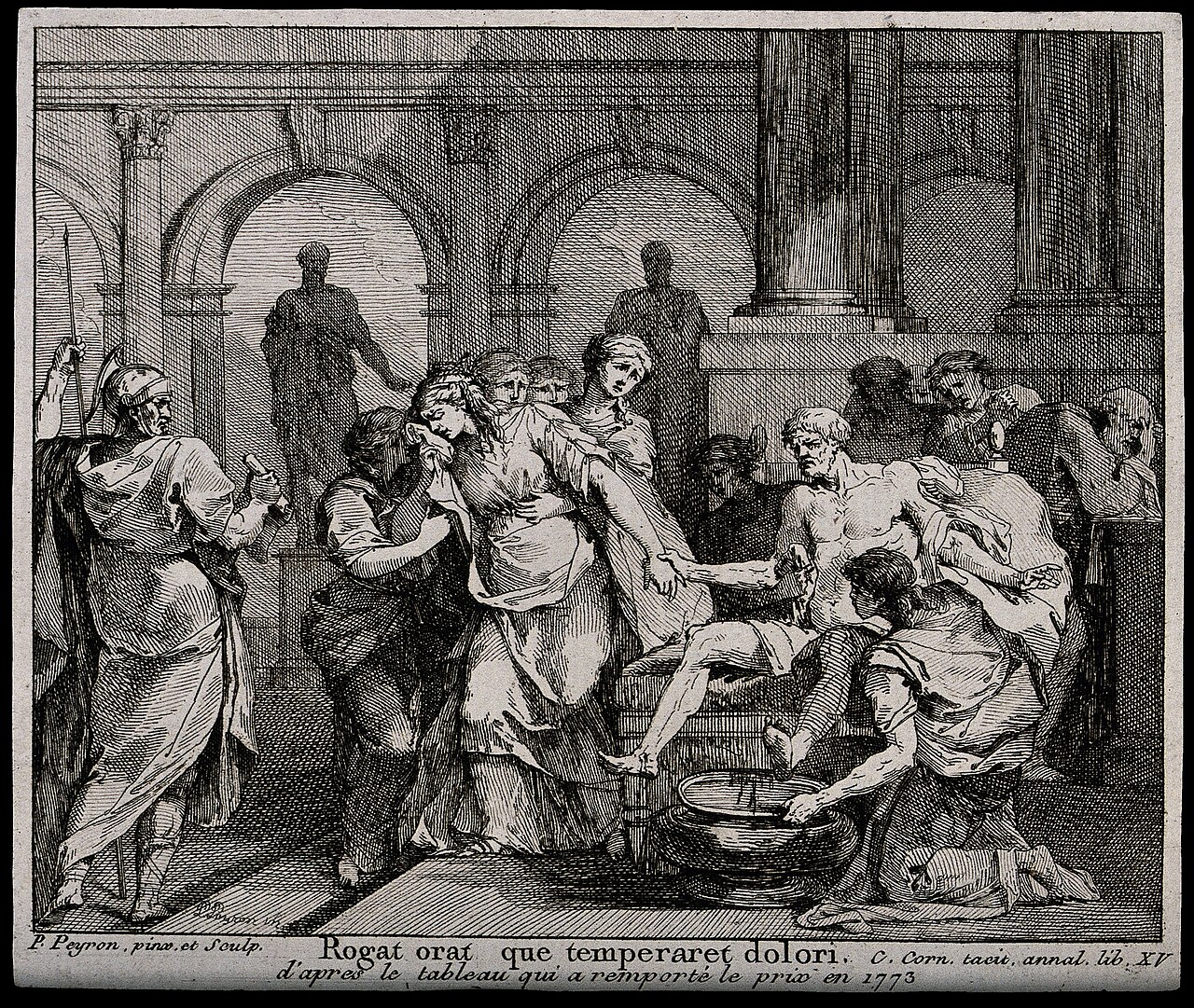
Seneca committing suicide in a bath
Jean-François-Pierre Peyron · c. 1773
An engraving by J.F.P. Peyron, made around 1773, showing Seneca's death by opening his veins in a bath. It is a later artistic scene, not a record from his lifetime.
A later engraved scene of Seneca's death, showing how his forced suicide was pictured and retold in the eighteenth century.
About this source
What it is
This is an engraving by Jean-François-Pierre Peyron, made around 1773 and signed by him as painter and engraver. It shows a pale, partly unclothed older man sitting on a bench with his legs in a basin of water, while a woman leans toward him and onlookers stand nearby. A Latin caption below reads Rogat orat que temperaret dolori. The collection record describes the scene as Seneca's suicide in a bath.
Why it matters
Seneca died in 65 CE after Nero ordered him to take his own life, and the scene of him dying in a warm bath became one of the most repeated images of his death. Artists in the eighteenth century drew on the ancient accounts and on their own ideas of Stoic calm. The print shows how that story was retold for later audiences.
Look closer
- What do the figures around Seneca seem to be doing, and how do they show the mood of the scene?
- Why might an artist of 1773 choose this moment rather than another part of Seneca's life?
- What does the image leave out about the reasons for his death and the politics of Nero's court?
This painting is part of the curated material that grounds the AI version of Seneca on Humy.ai — when students ask about related events, the AI can quote it and cite it.
More Seneca sources
Meet the AI Seneca →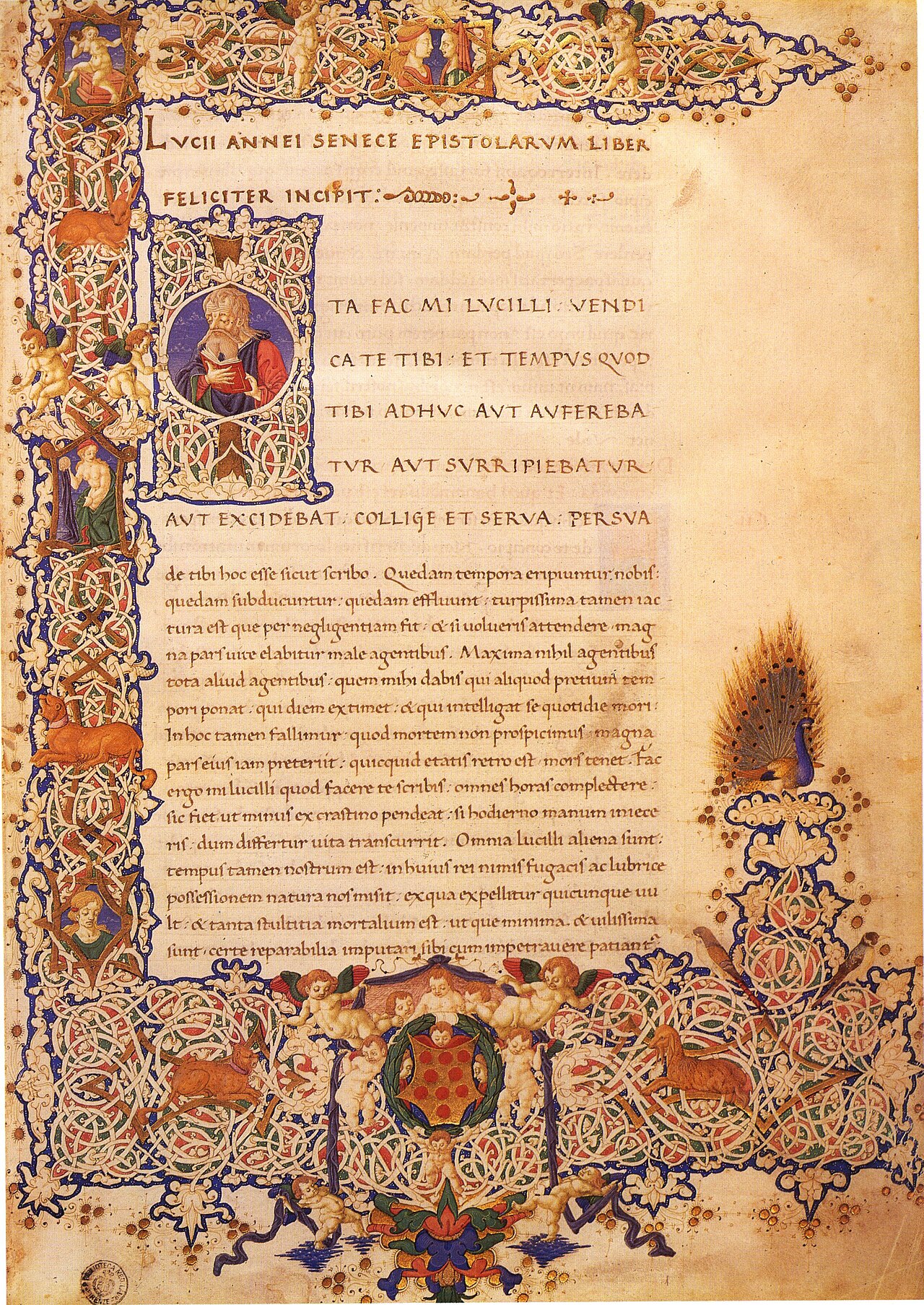 Letter
Primary source
Epistulae Morales ad Lucilium
Seneca · c. 62-65 CE
 Book
Primary source
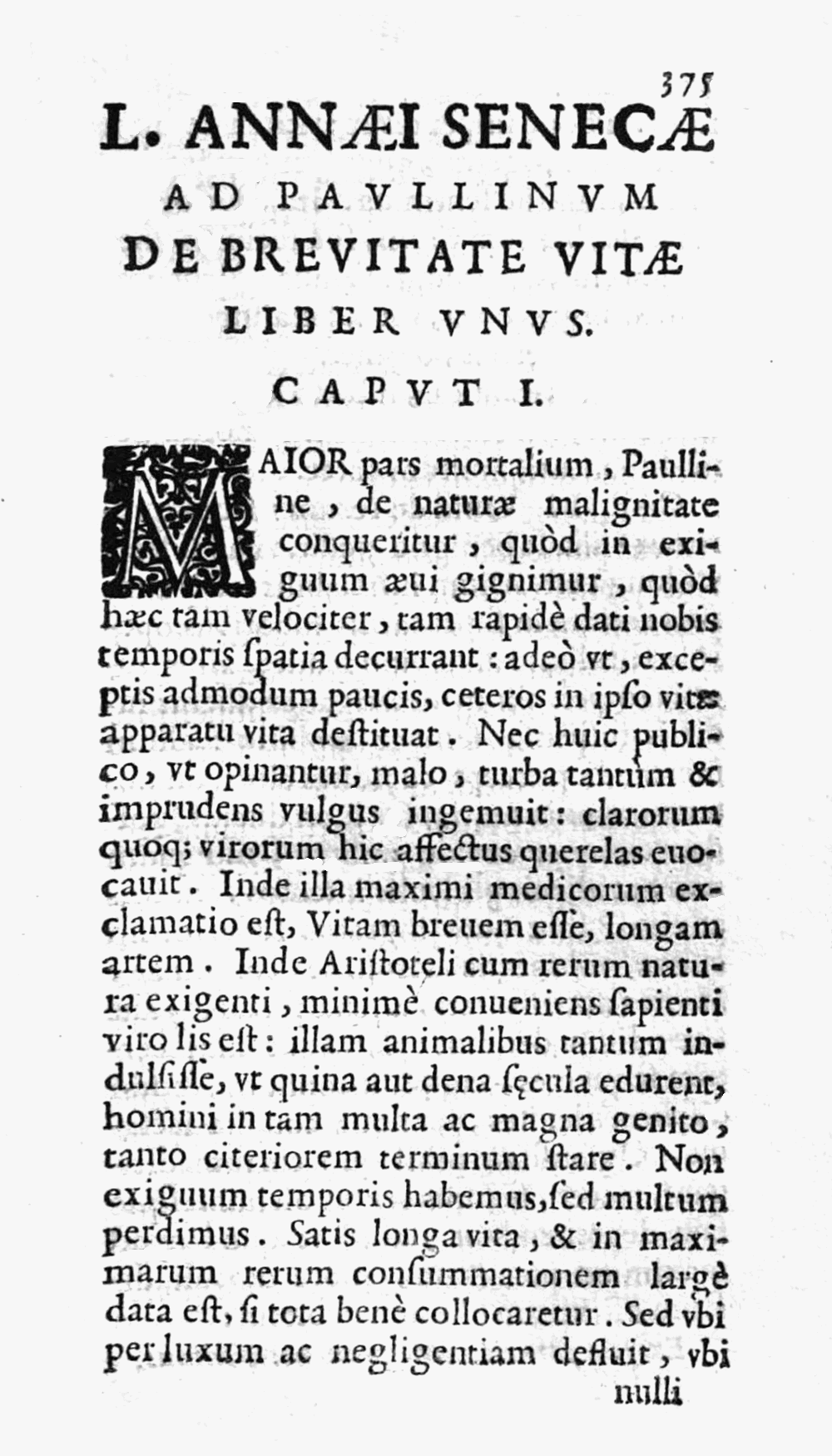
De Brevitate Vitae
Seneca · c. 49 CE
 Book
Secondary source
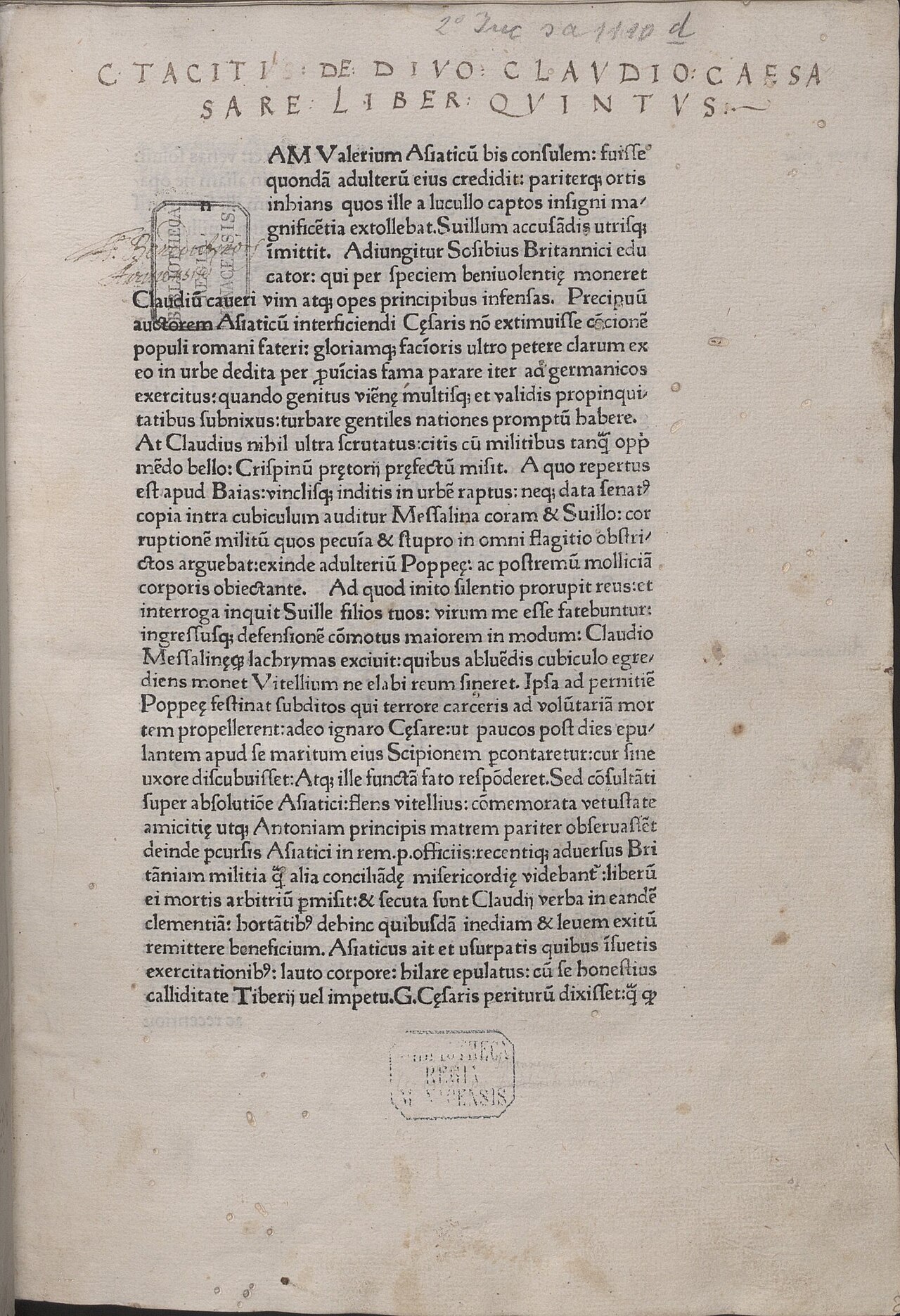
Annals
Tacitus · c. AD 116 or later
 Book
Primary source
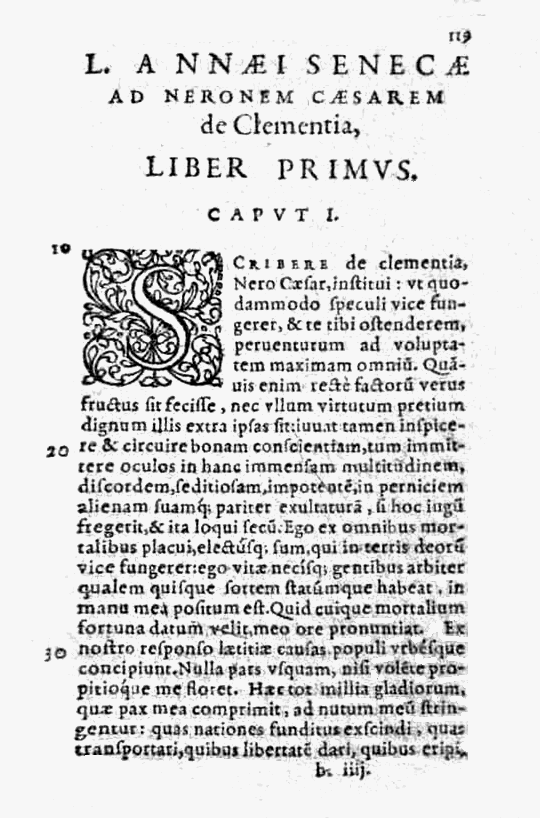
De Clementia
Seneca · 55-56 CE
 Sculpture
Secondary source
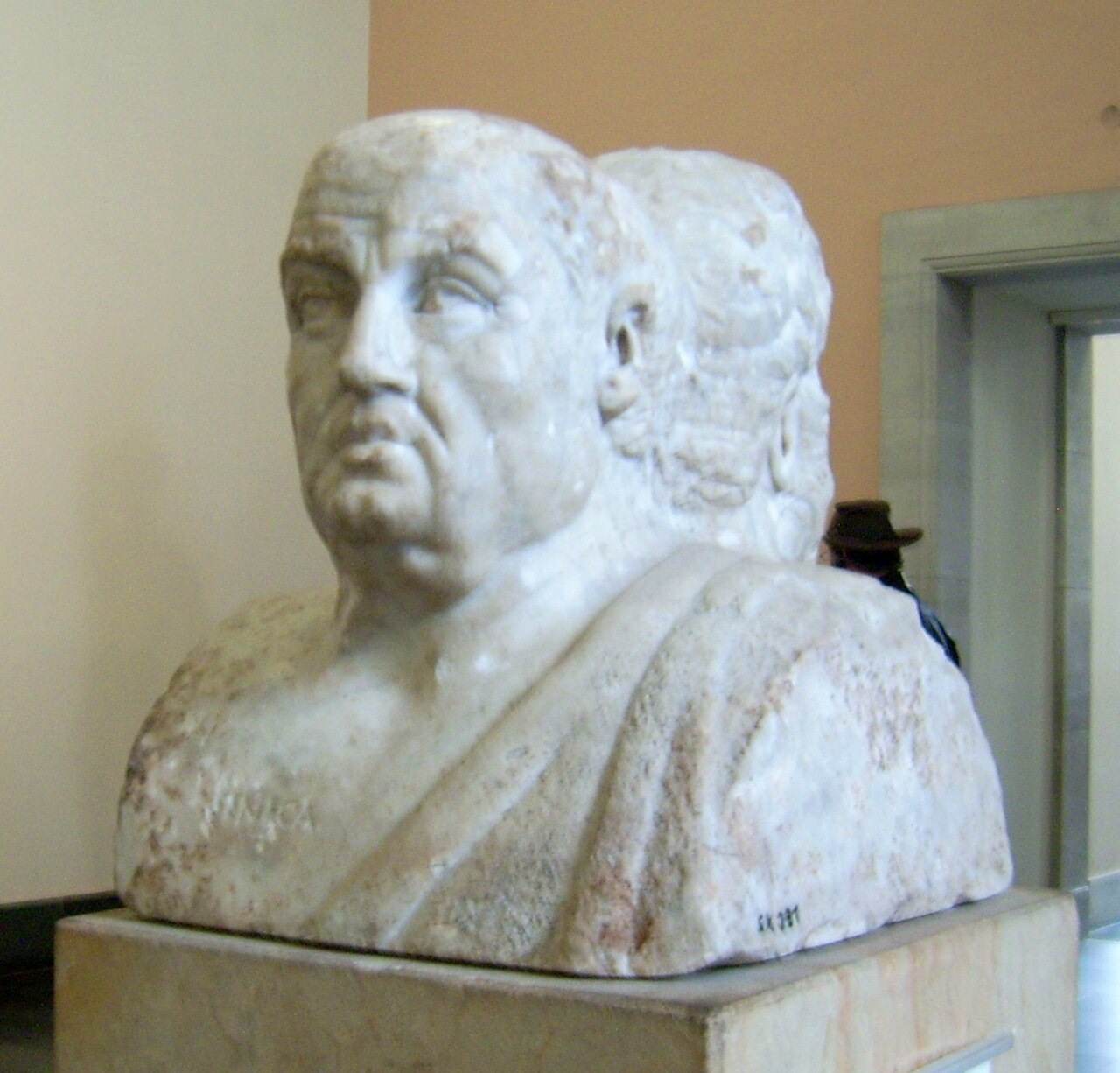
Double Herm of Socrates and Seneca
first half of the 3rd century AD
Ready when you are
Start chatting with Seneca now.
20 messages free · No credit card · Available in 50+ languages.