


Secondary sourceBook11th century
Seneca the Younger, Dialogues, Milano, C 90 inf
Seneca · 11th century
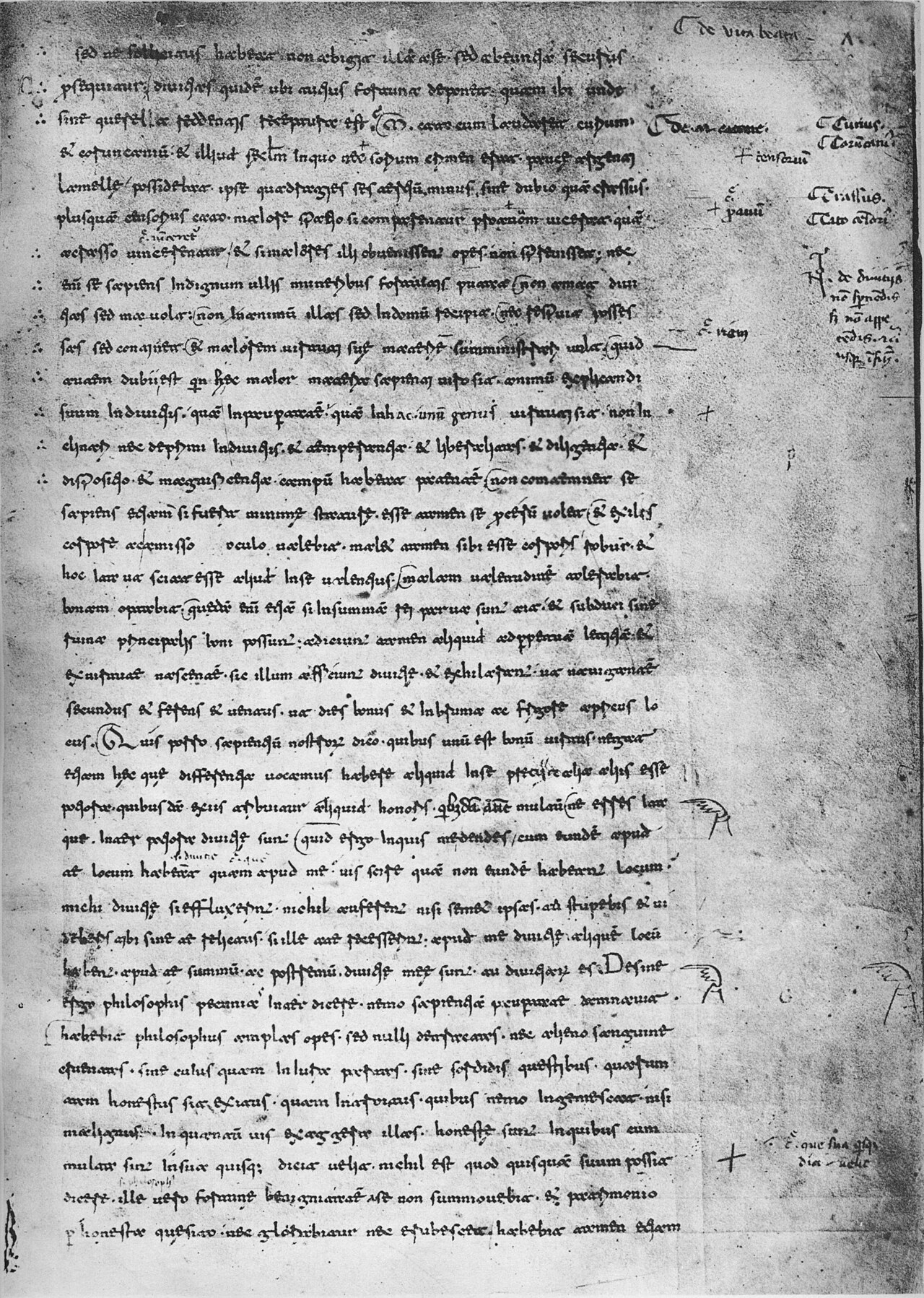
An 11th-century manuscript, the Codex Ambrosianus, that preserved Seneca's Dialogues and allowed them to survive to the present day.
This manuscript copy is the key surviving source through which Seneca's Dialogues reached later readers.
About this source
What it is
This is a page from an 11th-century manuscript known as the Codex Ambrosianus, held in the Biblioteca Ambrosiana in Milan. It contains Book 7 of Seneca's Dialogues, written in dense Latin script with marginal annotations.
Why it matters
This manuscript is a key link in the chain of copying by which Seneca's philosophical writings survived from ancient Rome into the medieval period and down to today. Without manuscripts like this one, preserved and copied by scribes over centuries, Seneca's Dialogues might have been lost entirely. It shows how much of what we know of ancient authors depends on the work of later, often unnamed, copyists.
Look closer
- Why do you think this manuscript is considered a 'key' copy for this text?
- What do the marginal annotations suggest about how readers used this manuscript?
- How many centuries passed between Seneca's lifetime and the writing of this copy, and what does that gap tell you about how texts survive?
This book is part of the curated material that grounds the AI version of Seneca on Humy.ai — when students ask about related events, the AI can quote it and cite it.
More Seneca sources
Meet the AI Seneca →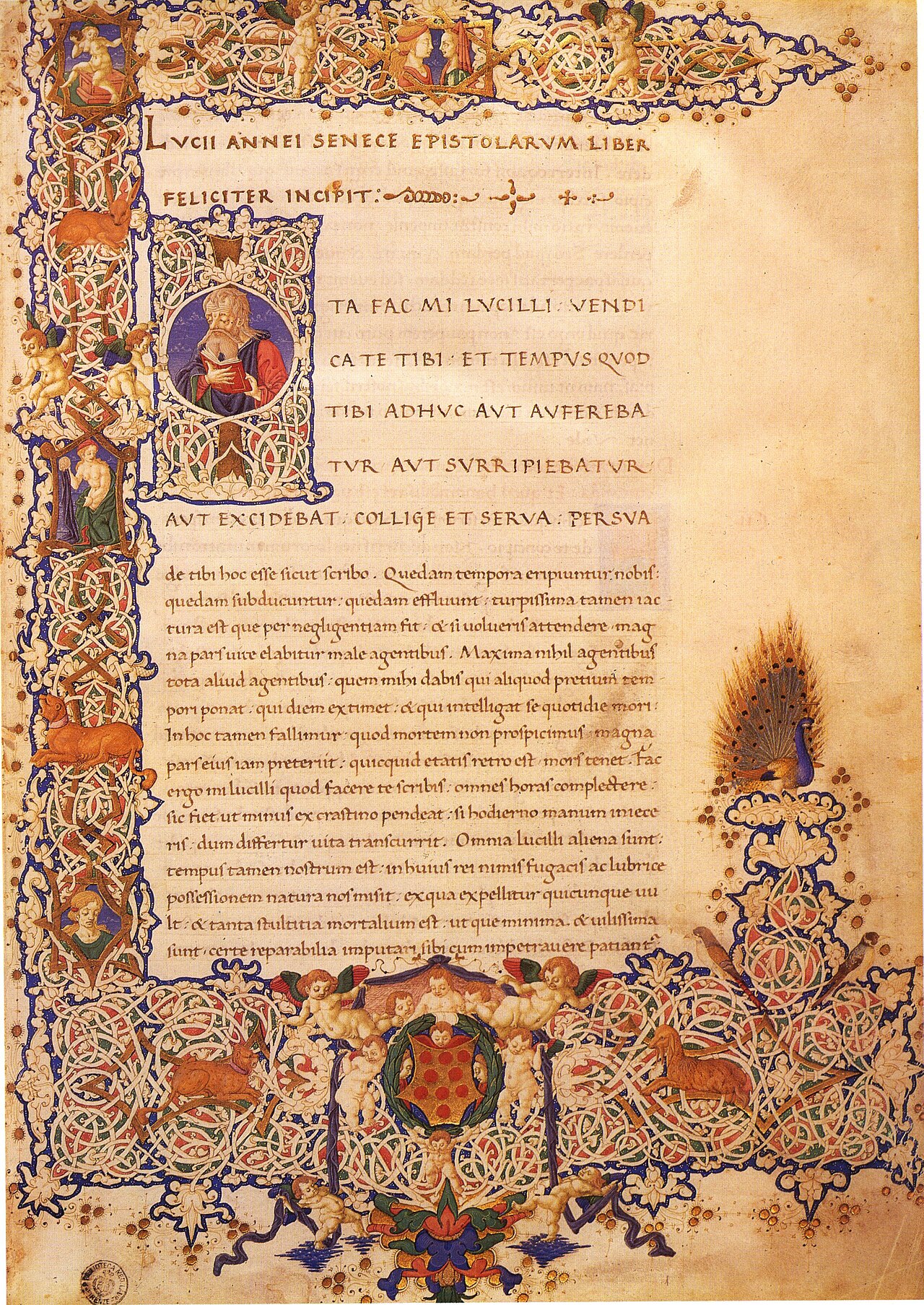 Letter
Primary source
Epistulae Morales ad Lucilium
Seneca · c. 62-65 CE
 Book
Primary source
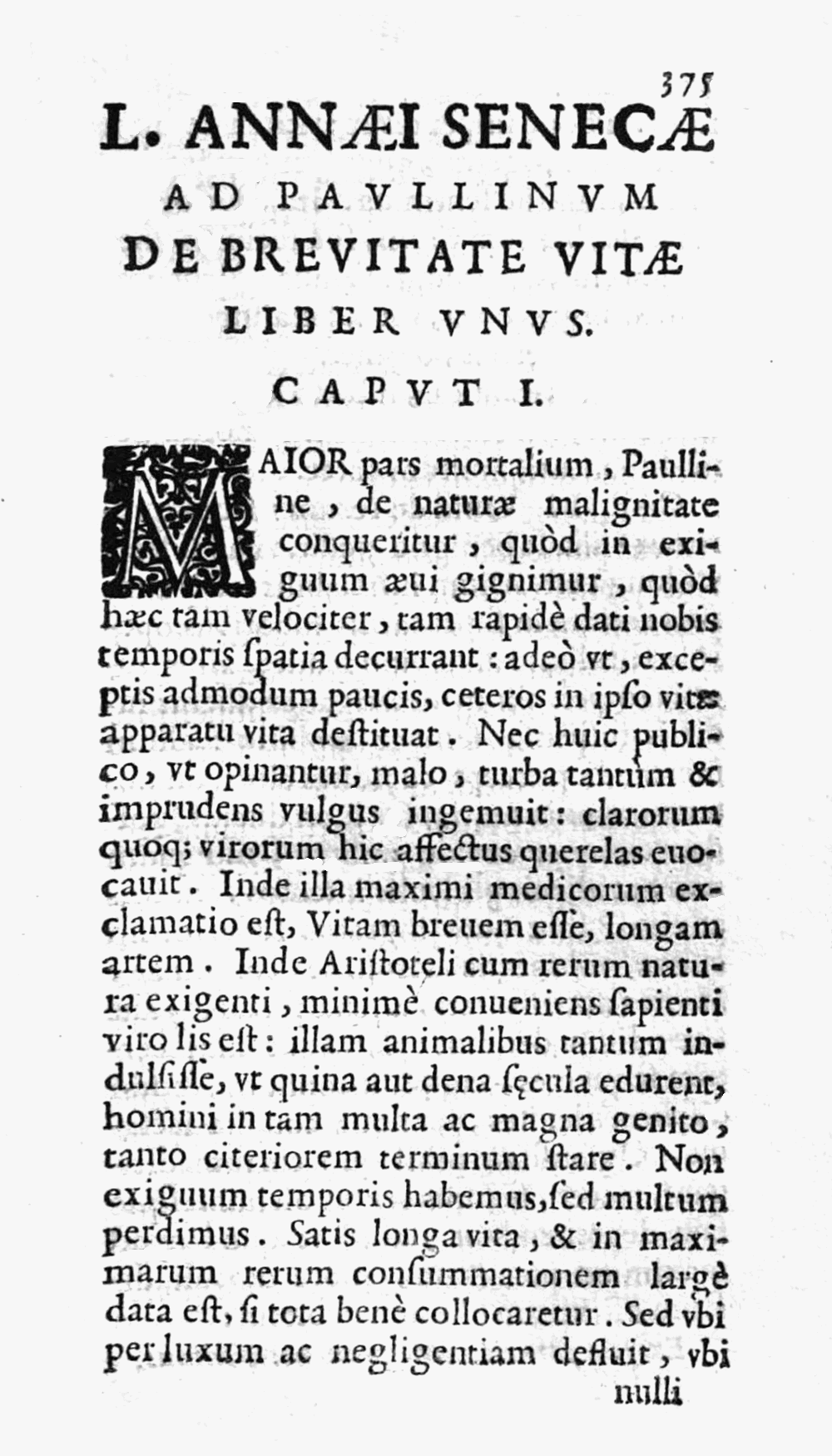
De Brevitate Vitae
Seneca · c. 49 CE
 Book
Secondary source
Annals
Tacitus · c. AD 116 or later
 Book
Primary source
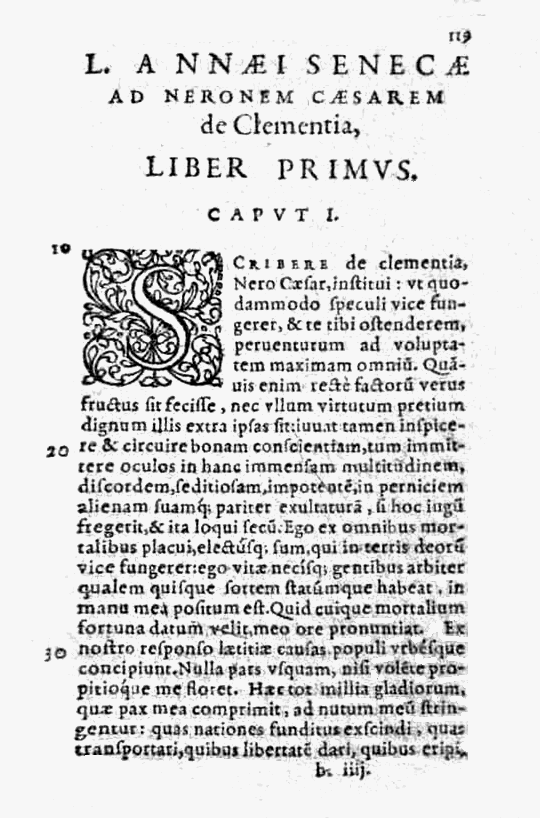
De Clementia
Seneca · 55-56 CE
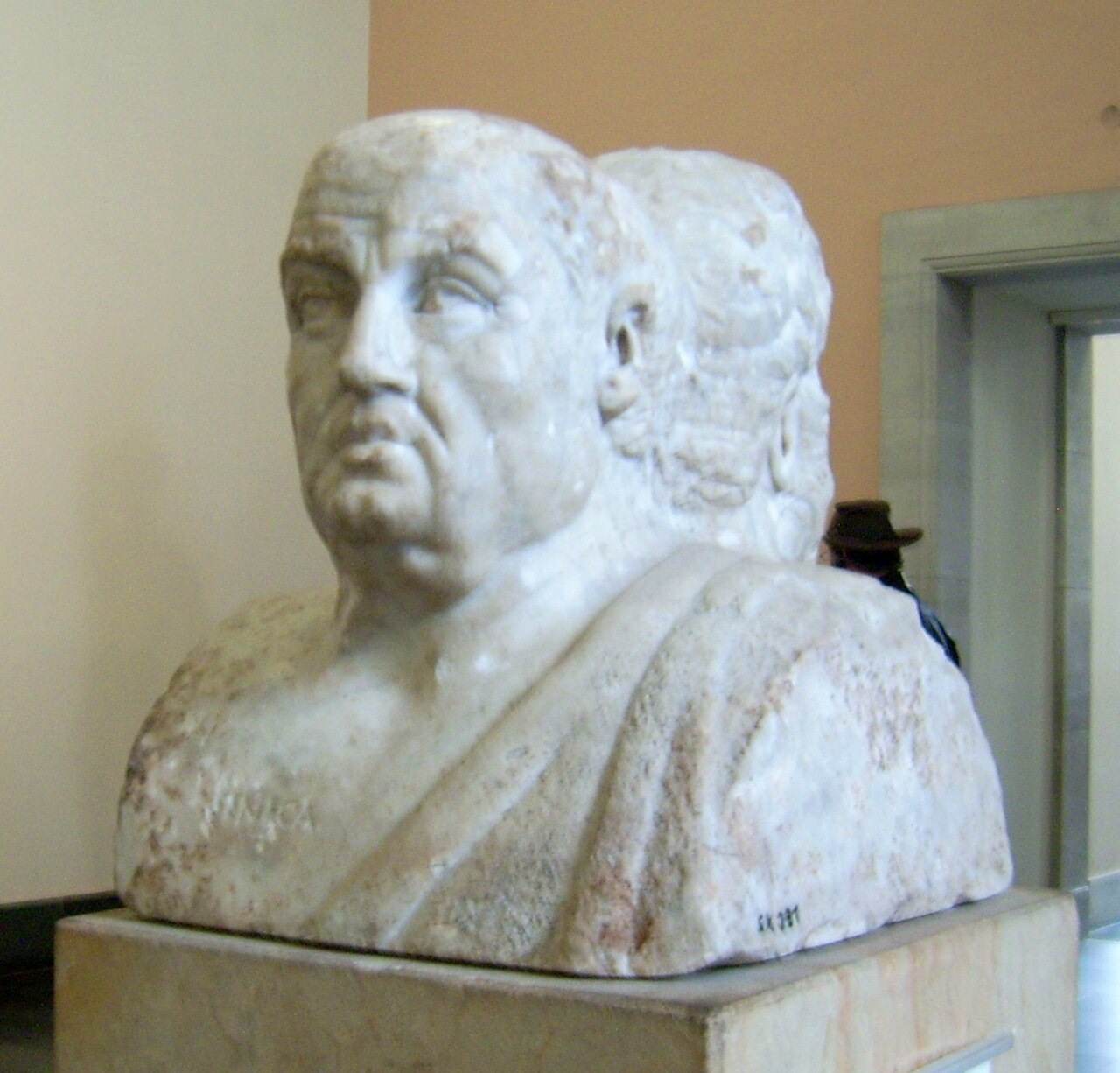 Sculpture
Secondary source
Double Herm of Socrates and Seneca
first half of the 3rd century AD
Ready when you are
Start chatting with Seneca now.
20 messages free · No credit card · Available in 50+ languages.