


Secondary sourceBook
Seneca's Morals by Way of Abstract
Roger L'Estrange
A seventeenth-century English abstract of Seneca's moral essays and letters, made by Roger L'Estrange. It is a later summary of Seneca's ideas, not his own wording.
A seventeenth-century English abstract of Seneca's moral essays and letters, showing how his Stoic advice was adapted for English readers.
About this source
What it is
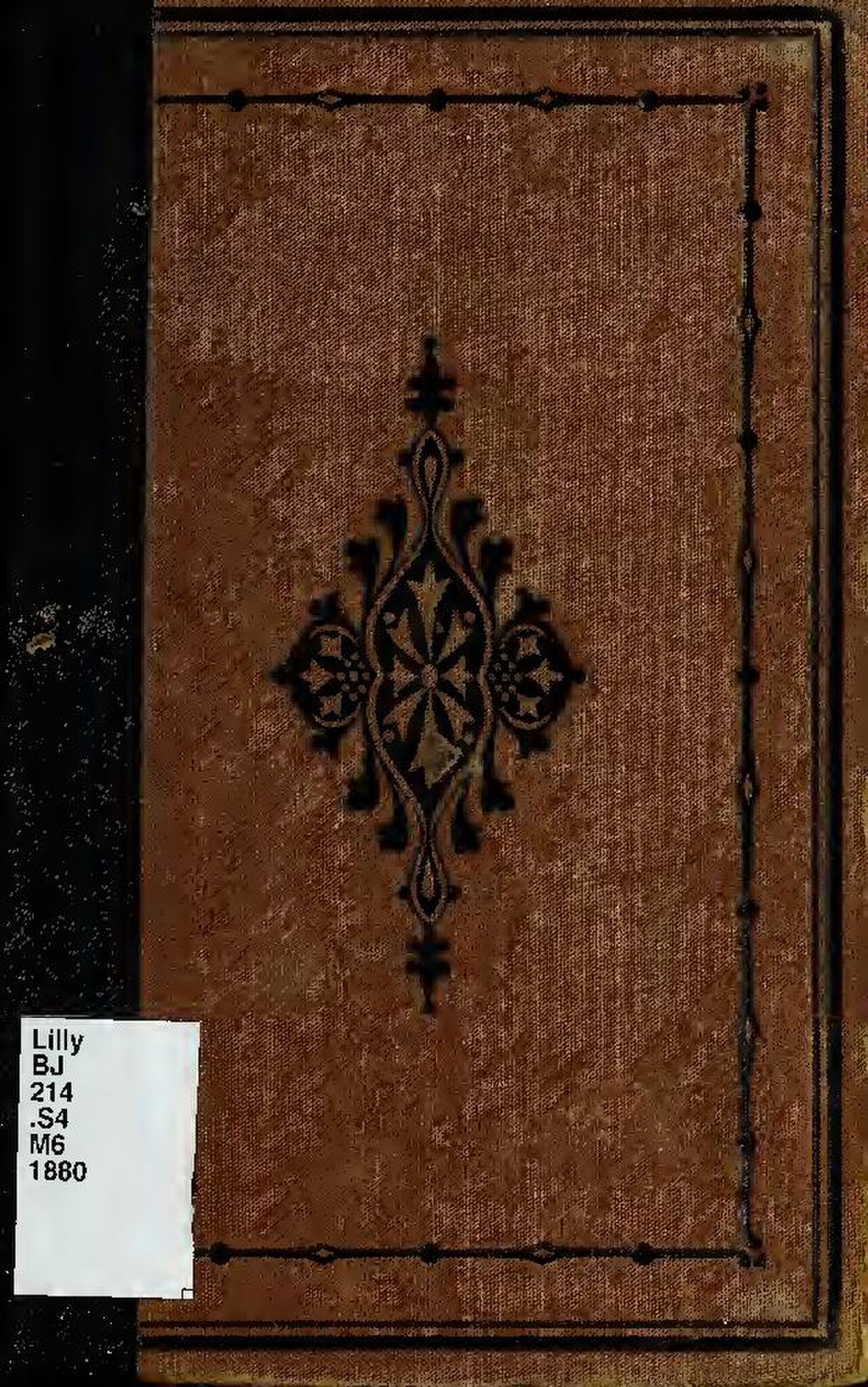
This is an English abstract of Seneca's moral essays and letters, made by Sir Roger L'Estrange, who lived from 1616 to 1704. The catalogue lists its contents as essays On Benefits, On a Happy Life and On Anger, and the Epistles. The brown cloth cover has a black decorative ornament and a library call-number label from the Lilly Library. The record describes it as a readable whole.
Why it matters
Seneca was a Stoic who wrote about self-control, anger and living well. This abstract shows how English readers of the seventeenth century took in his moral ideas, but it is L'Estrange's shortened version, not a full translation. It helps students see how Seneca's thought was reshaped for a new audience.
Look closer
- What does the word abstract suggest about what was kept and what was dropped?
- Why might readers in the seventeenth century have wanted Seneca's moral advice?
- Whose voice do you hear when you read this book: Seneca's or the editor's?
This book is part of the curated material that grounds the AI version of Seneca on Humy.ai — when students ask about related events, the AI can quote it and cite it.
More Seneca sources
Meet the AI Seneca →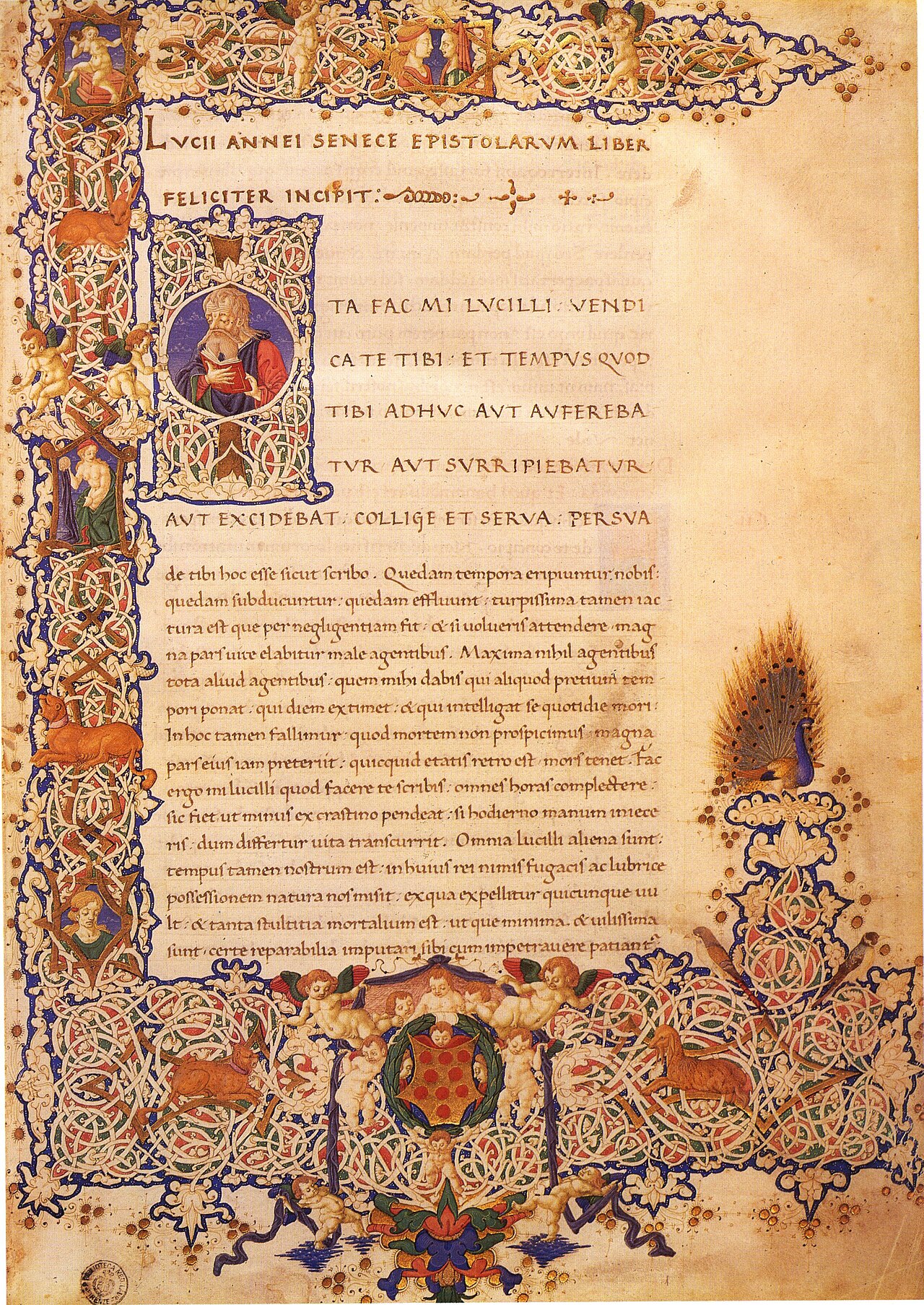 Letter
Primary source
Epistulae Morales ad Lucilium
Seneca · c. 62-65 CE
 Book
Primary source
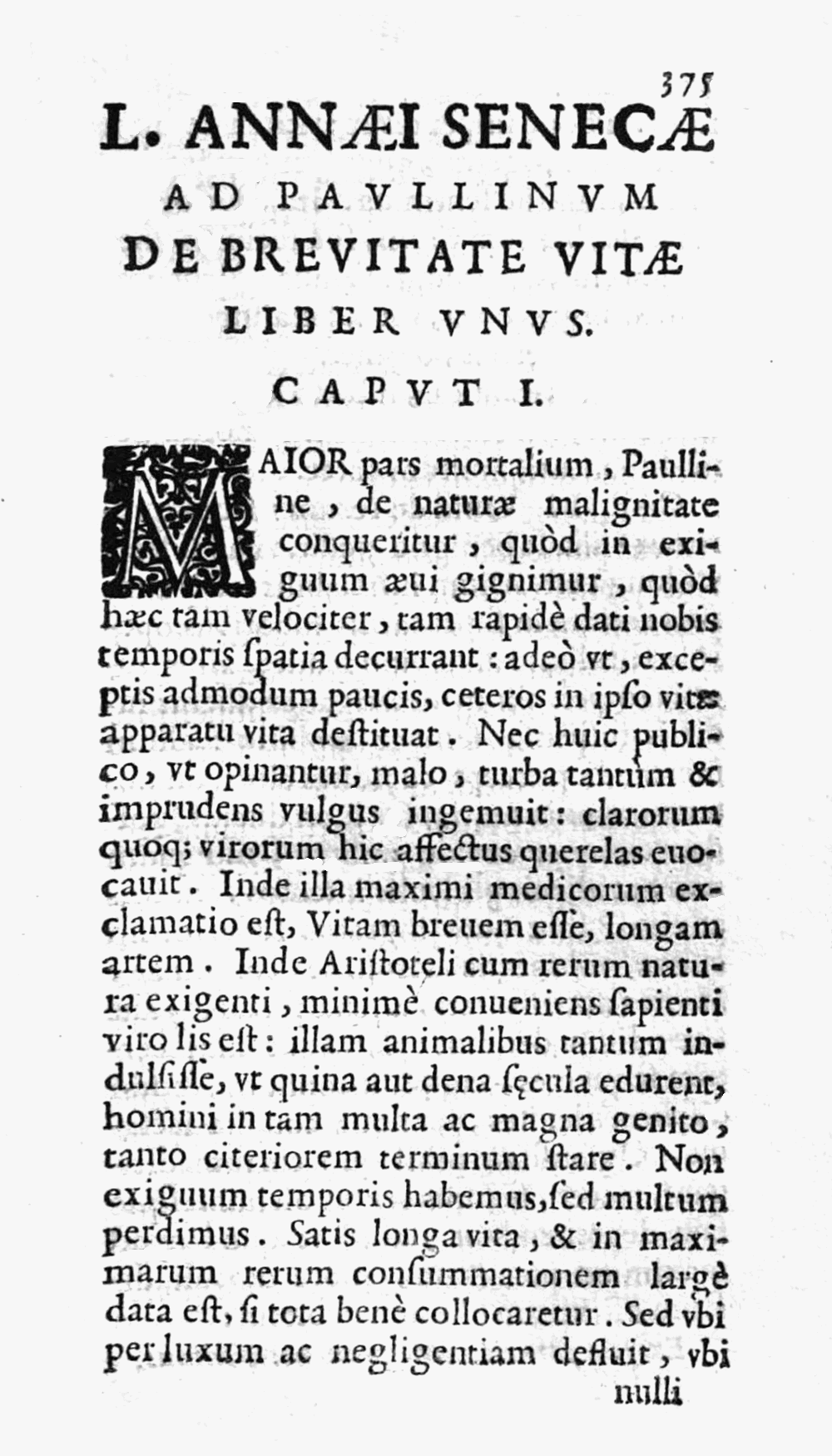
De Brevitate Vitae
Seneca · c. 49 CE
 Book
Secondary source
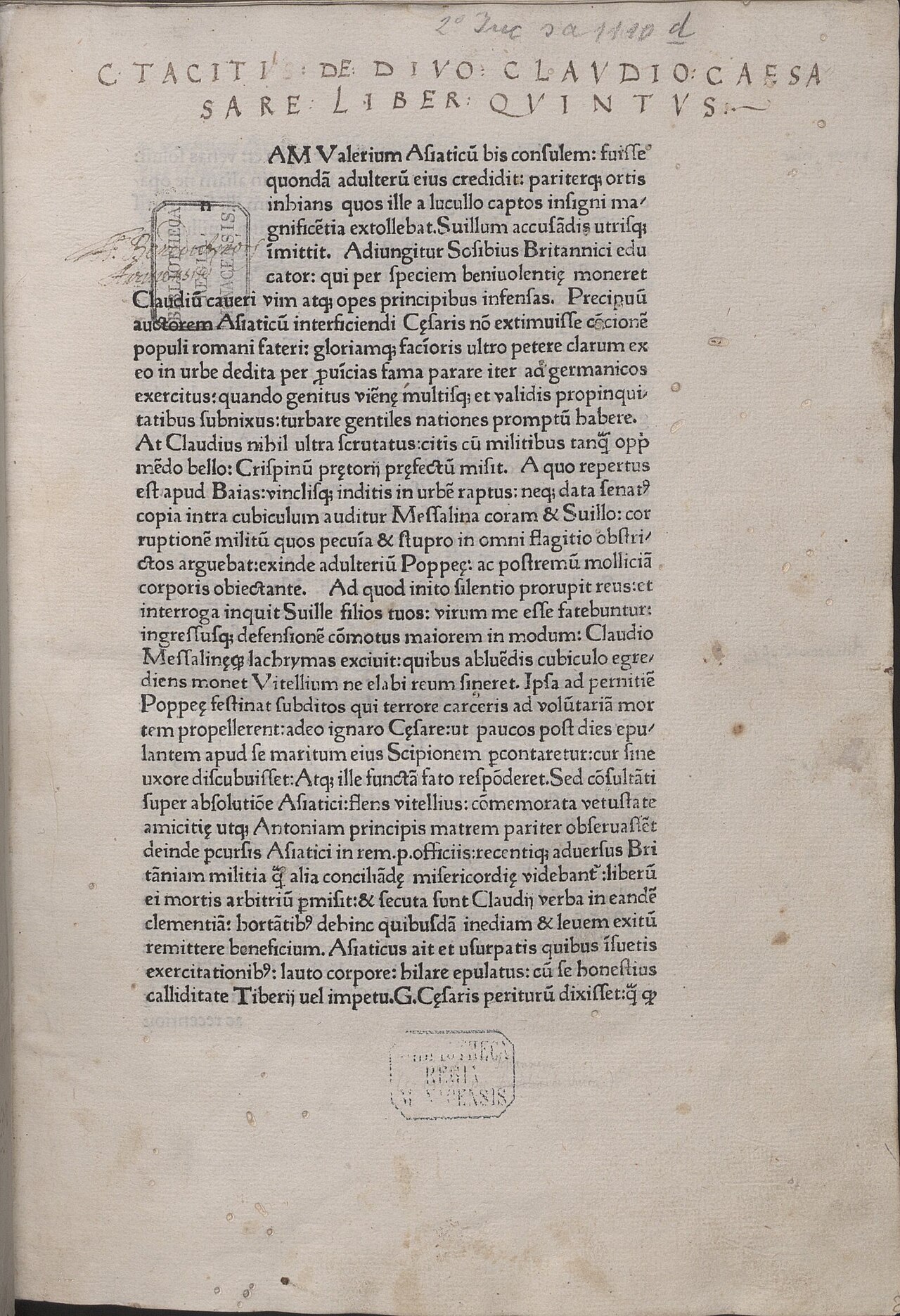
Annals
Tacitus · c. AD 116 or later
 Book
Primary source
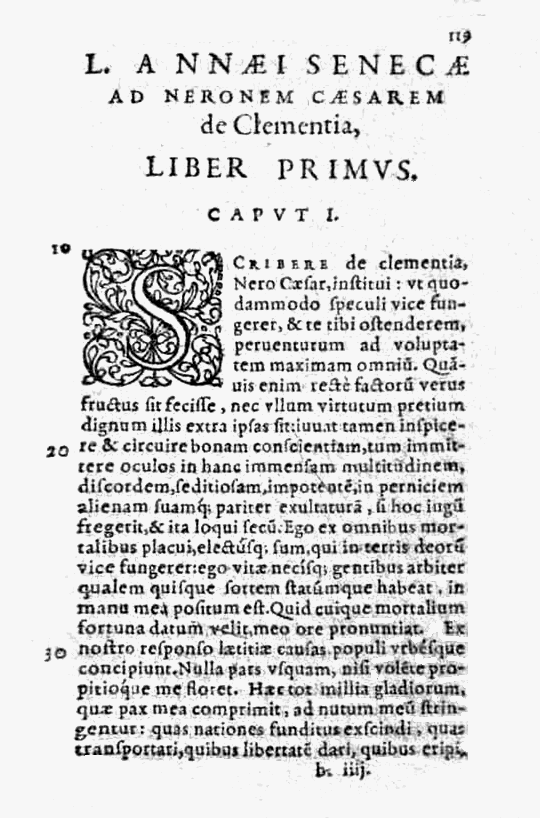
De Clementia
Seneca · 55-56 CE
 Sculpture
Secondary source
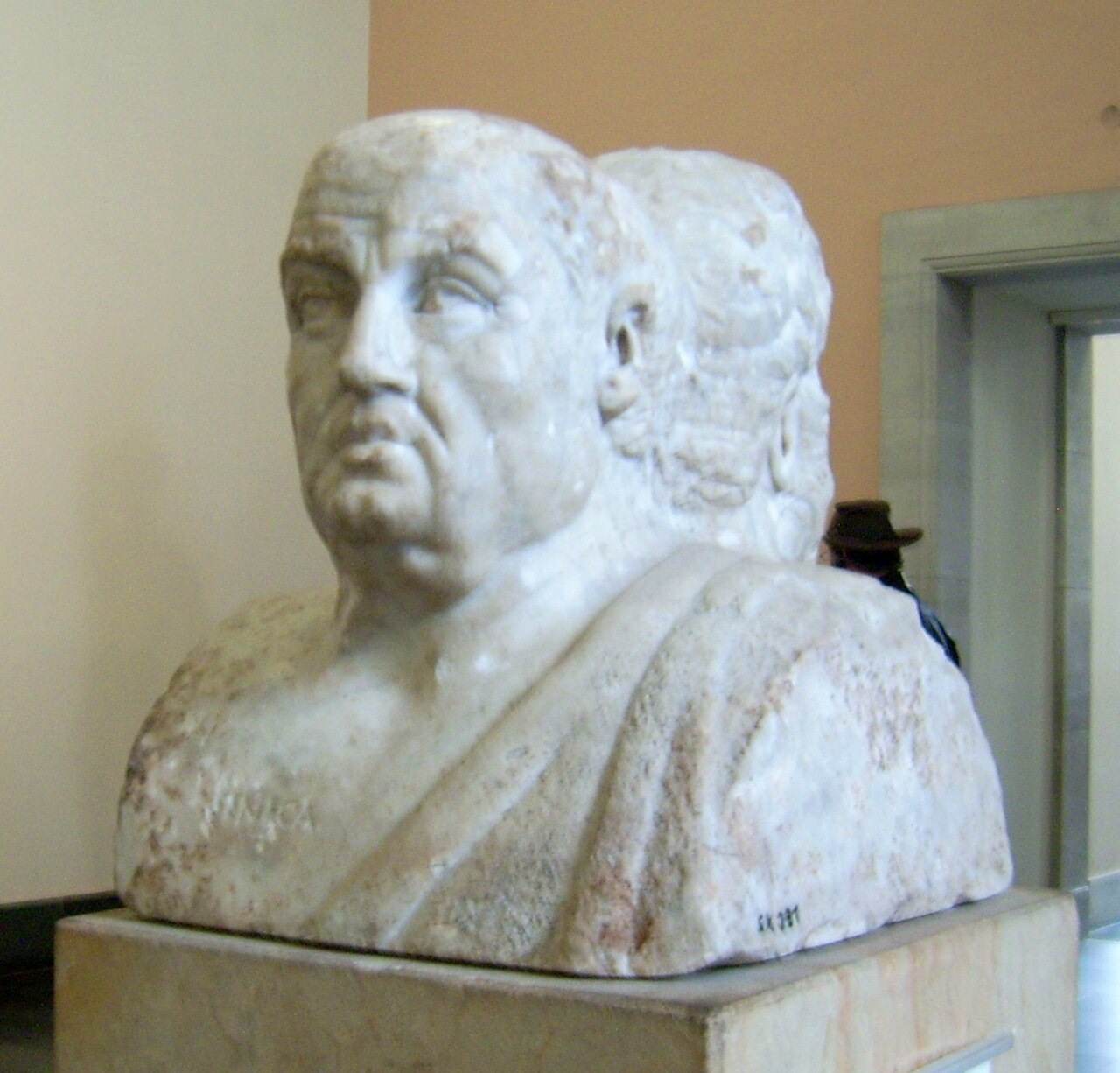
Double Herm of Socrates and Seneca
first half of the 3rd century AD
Ready when you are
Start chatting with Seneca now.
20 messages free · No credit card · Available in 50+ languages.