


Primary sourceBook1882 (translation; original essays by Seneca, 1st century CE)
Seneca's Morals of a Happy Life, Benefits, Anger and Clemency
Seneca (translated by Roger L'Estrange) · 1882 (translation; original essays by Seneca, 1st century CE)
A collection of Seneca's ethical essays, translated into English by Sir Roger L'Estrange, covering happiness, benefits, anger and clemency.
These essays are Seneca's own writings on Stoic ethics, central to understanding his philosophy as a moralist and statesman.
About this source
What it is
This is an English translation of several of Seneca's essays on ethics, including works on anger, benefits and clemency. The translation was made by Sir Roger L'Estrange and published in a later edition in 1882 in Chicago.
Why it matters
Seneca wrote these essays as moral guidance based on Stoic philosophy, exploring how people should live well and manage emotions like anger. Because they were translated long after Seneca's death, this edition shows how later readers in England and America engaged with his ideas rather than preserving his original Latin wording.
Look closer
- Why might a translator choose to call this an edition of Seneca's 'Morals' rather than a direct translation?
- How might translating into English change the meaning of Seneca's original Latin philosophy?
- What does the popularity of this translation, centuries later, tell us about Seneca's lasting influence?
This book is part of the curated material that grounds the AI version of Seneca on Humy.ai — when students ask about related events, the AI can quote it and cite it.
More Seneca sources
Meet the AI Seneca →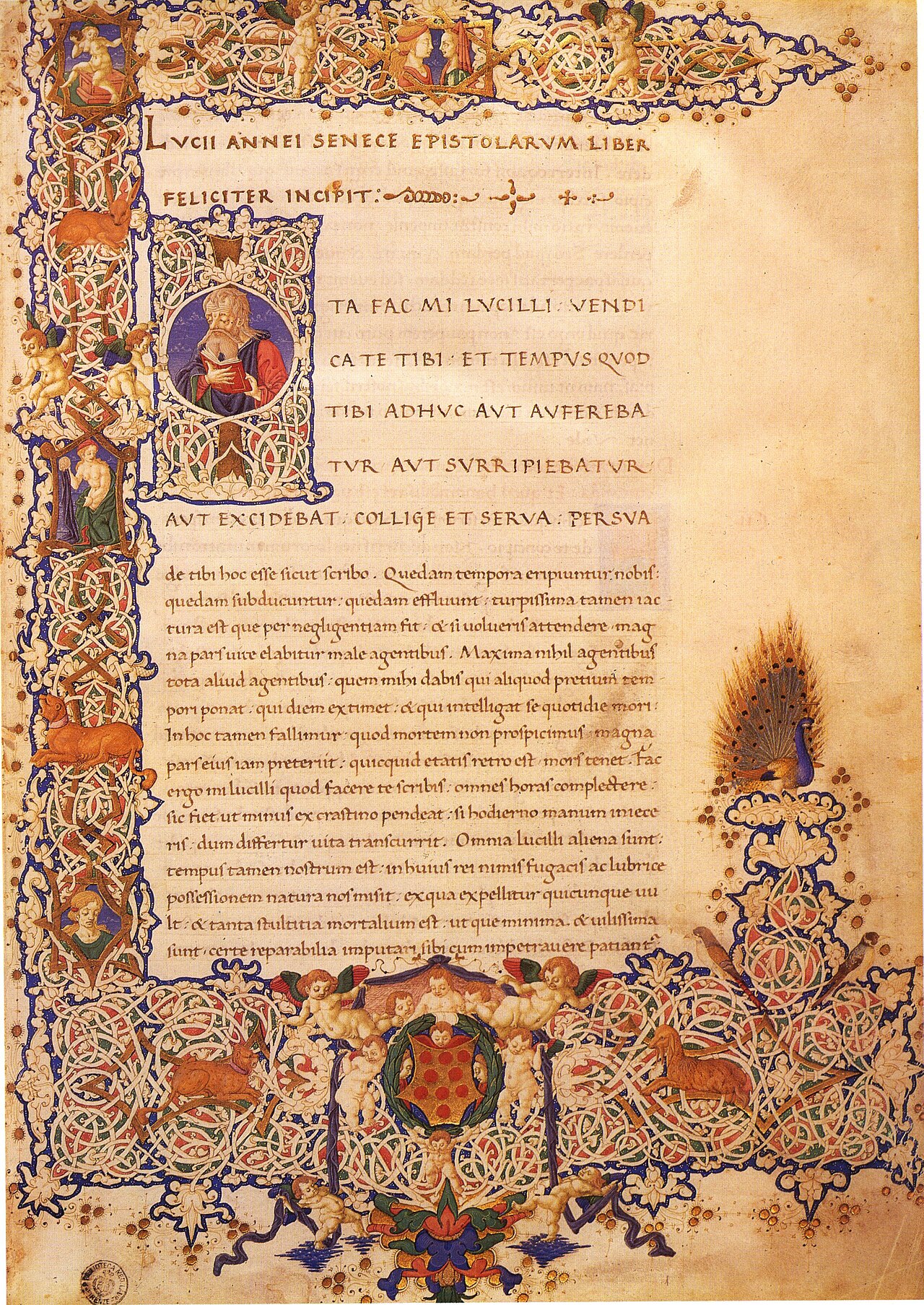 Letter
Primary source
Epistulae Morales ad Lucilium
Seneca · c. 62-65 CE
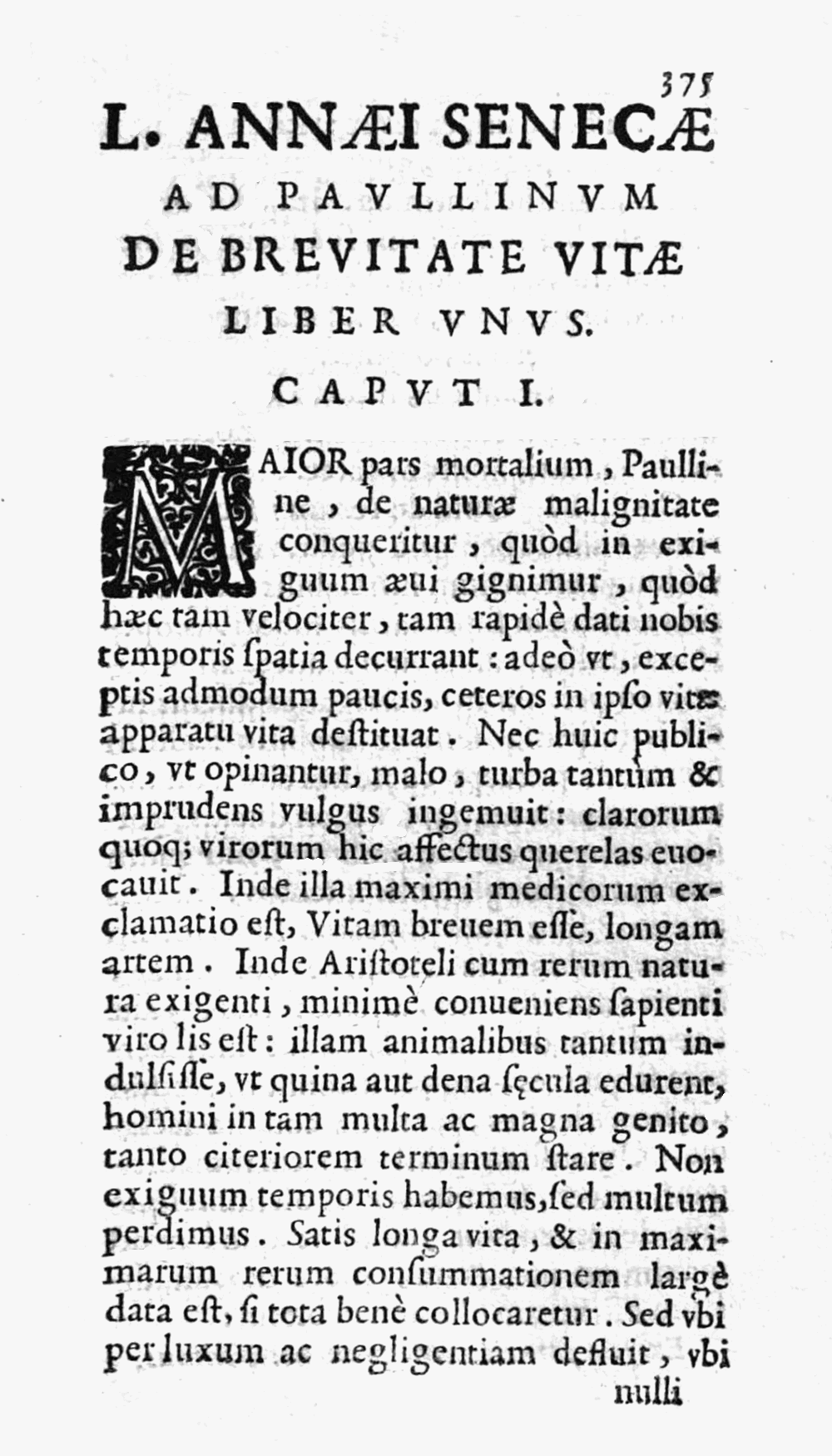 Book
Primary source
De Brevitate Vitae
Seneca · c. 49 CE
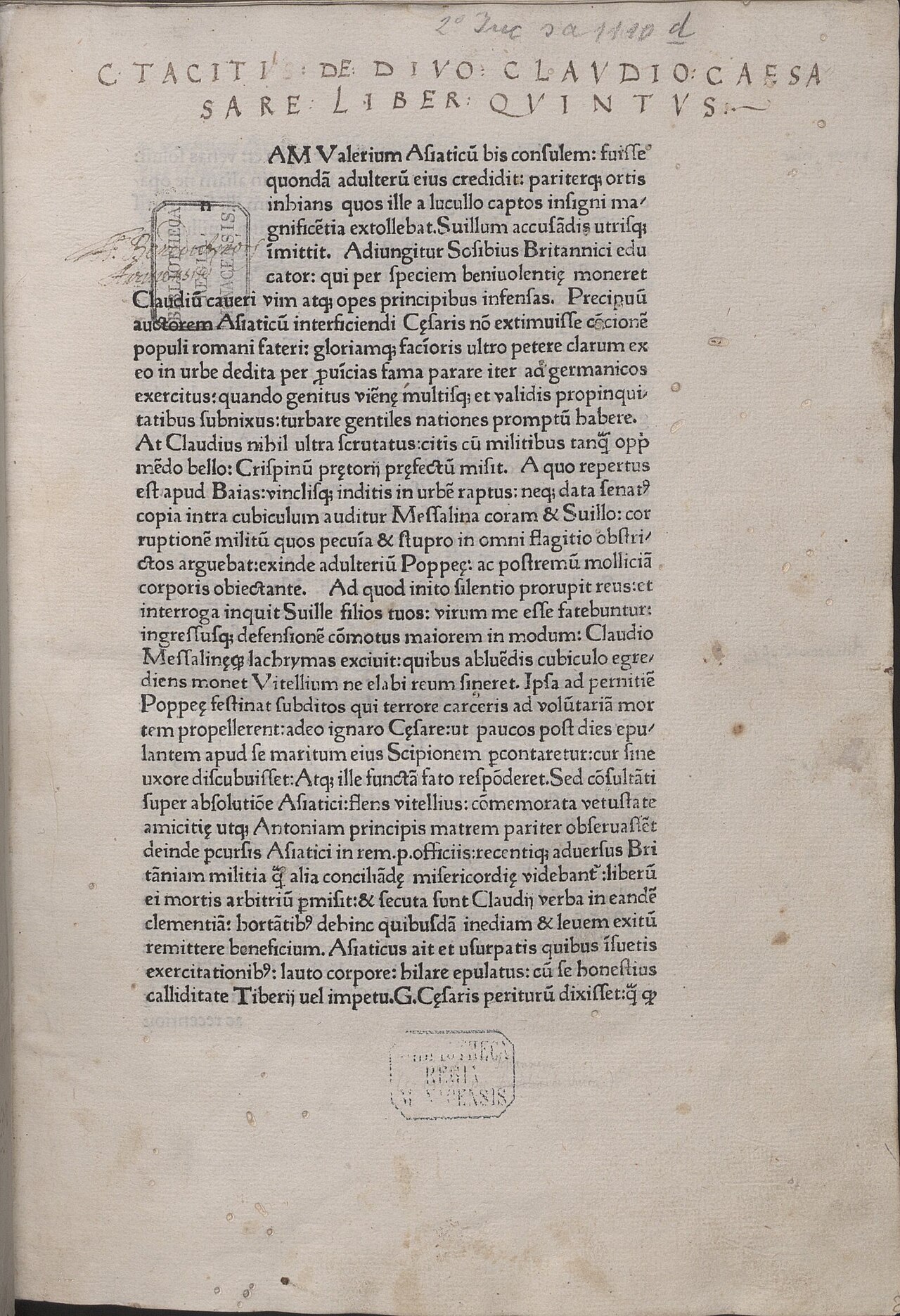 Book
Secondary source
Annals
Tacitus · c. AD 116 or later
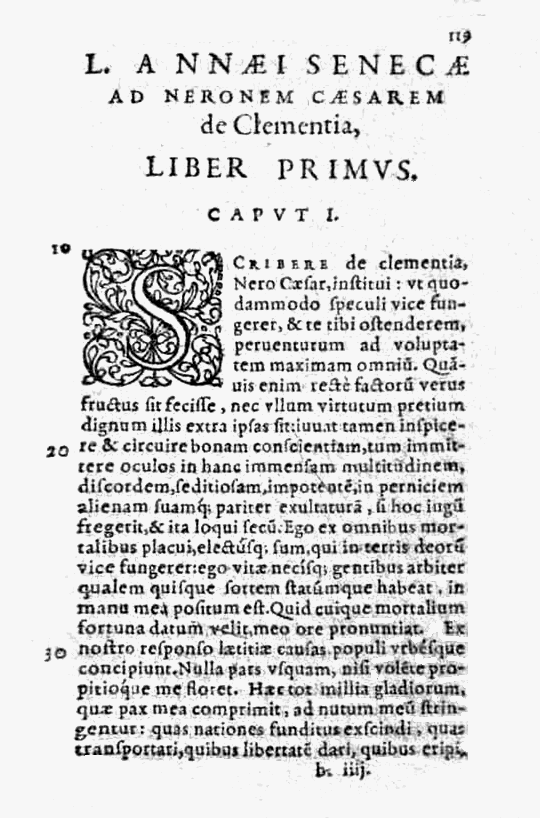 Book
Primary source
De Clementia
Seneca · 55-56 CE
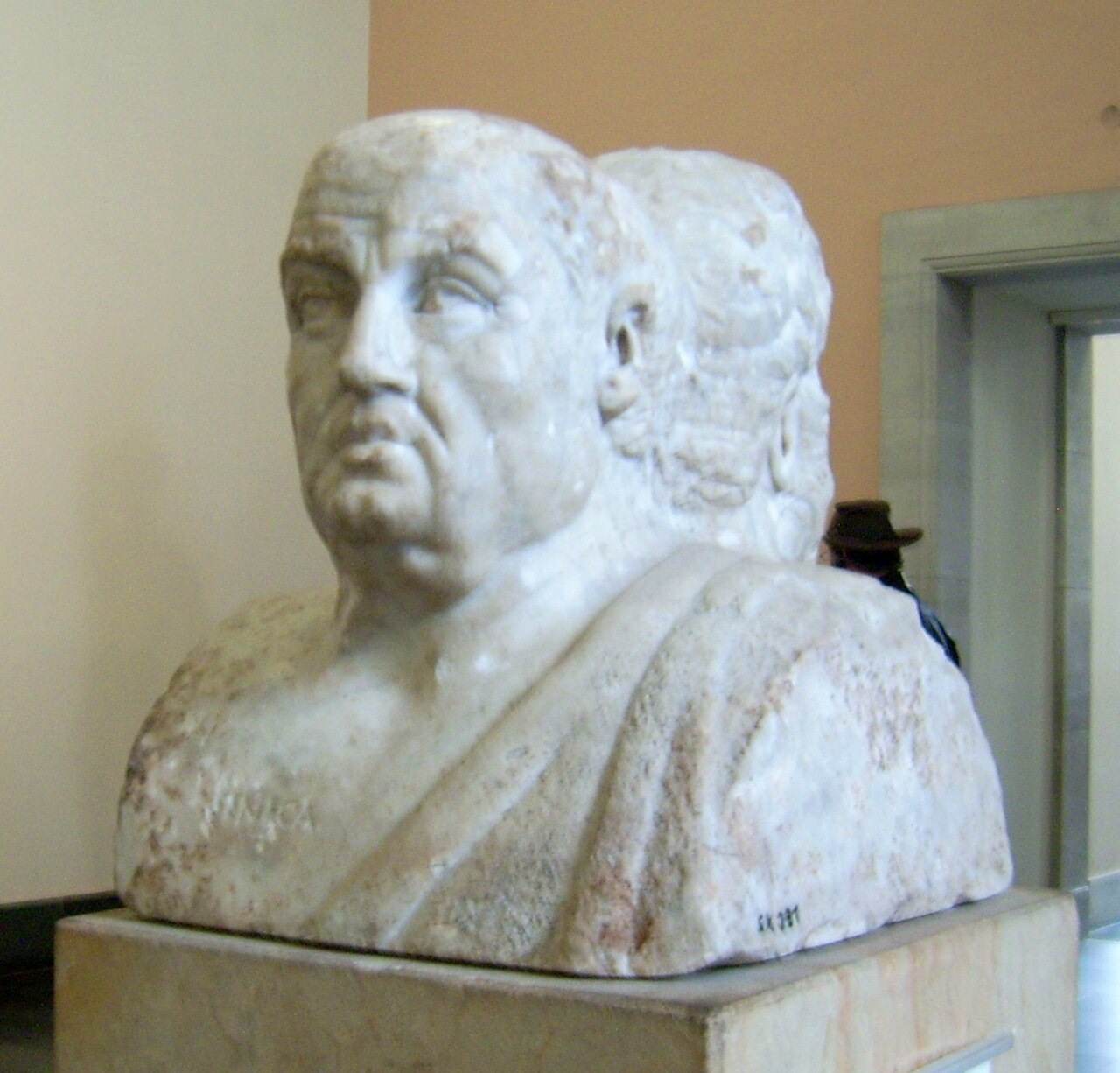 Sculpture
Secondary source
Double Herm of Socrates and Seneca
first half of the 3rd century AD
Ready when you are
Start chatting with Seneca now.
20 messages free · No credit card · Available in 50+ languages.