


Secondary sourceSculpturec. 751–774 CE
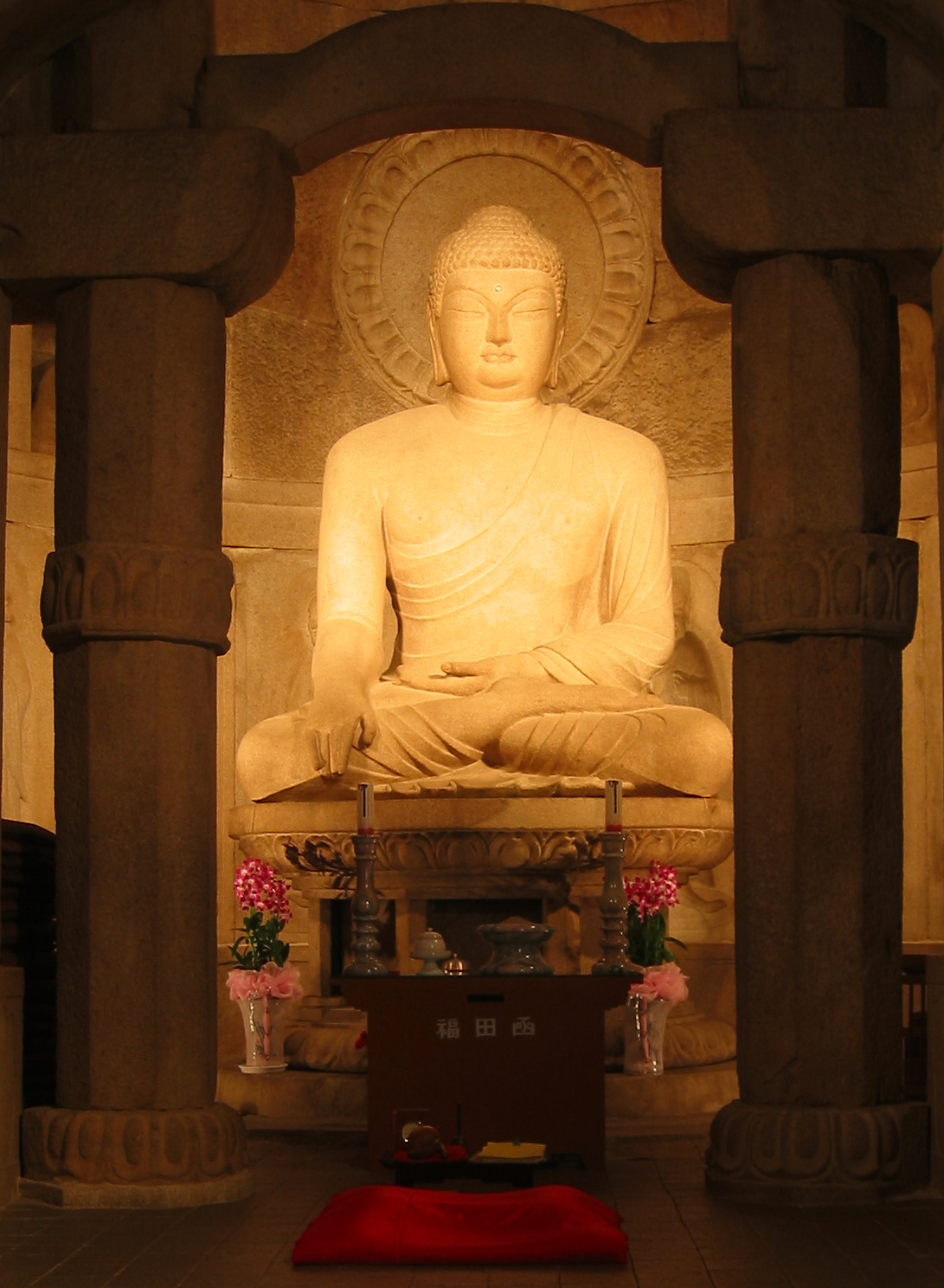
Seokguram Grotto
Kim Dae-seong (patron) · c. 751–774 CE
An 8th-century Korean stone grotto with a seated granite Buddha, a masterpiece of Silla Buddhist art.
Its granite seated Buddha in the earth-touching gesture is a masterpiece of his image in Korean art.
About this source
What it is
Seokguram Grotto is said to have been built by Kim Daeseong in Gyeongju, Korea, during the Silla period, around the 8th century CE. It contains a large seated granite statue of the Buddha, originally called Seokbulsa, or "Stone Buddha Temple."
Why it matters
The grotto's seated Buddha, shown in the earth-touching gesture, is considered a masterpiece of the Buddha image in Korea. It reflects the skill of Silla artisans and the importance of Buddhism to the kingdom's rulers and patrons, such as Kim Daeseong, who is credited with commissioning it.
Look closer
- What might the earth-touching gesture have meant to the people who worshipped here?
- Why would a patron build such an elaborate grotto rather than a simple statue?
- What do the surrounding carvings and setting add to how visitors might have experienced the statue?
This sculpture is part of the curated material that grounds the AI version of Buddha on Humy.ai — when students ask about related events, the AI can quote it and cite it.
More Buddha sources
Meet the AI Buddha →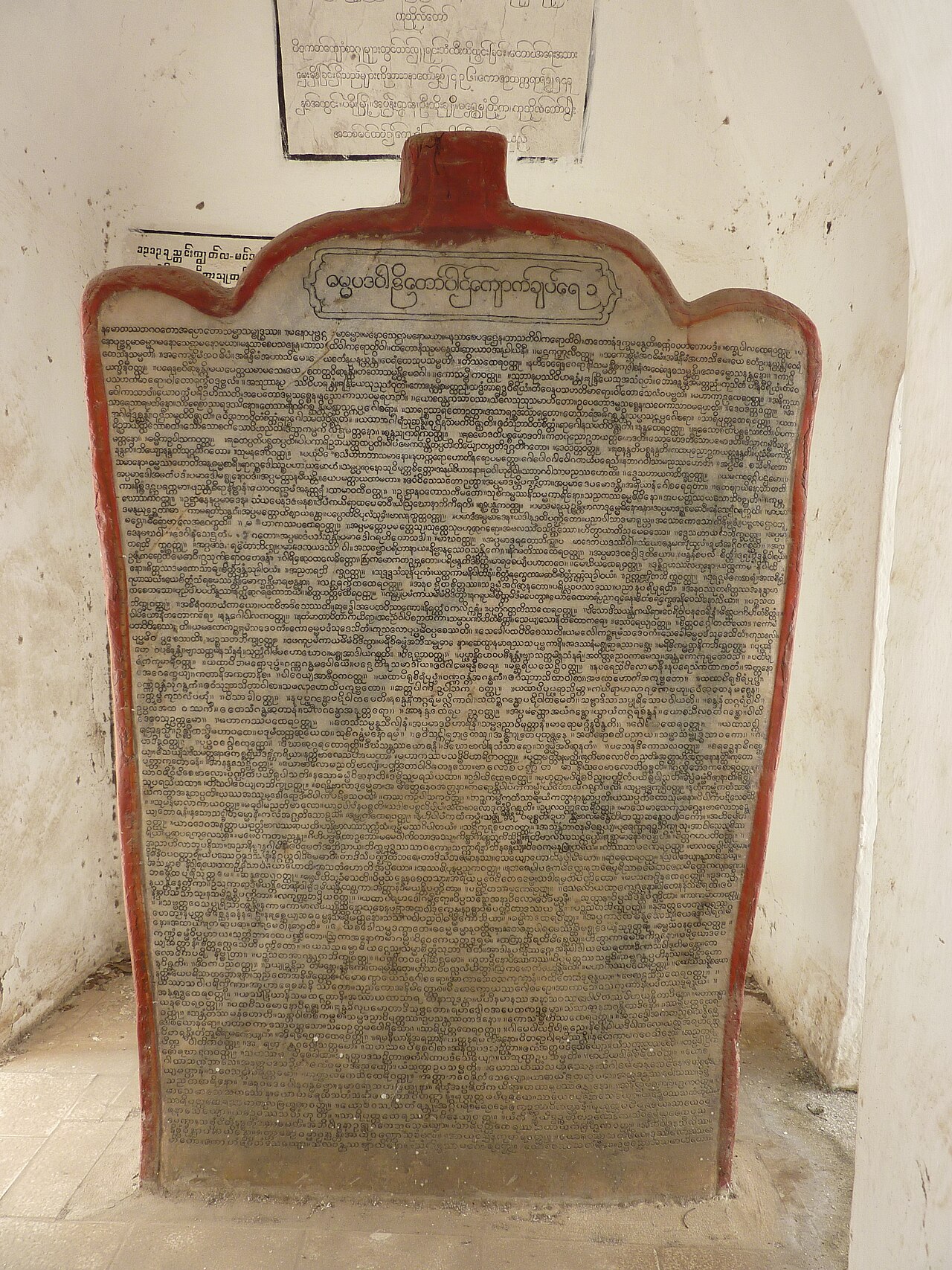 Book
Secondary source
Dhammapada
Attributed to the Buddha · c. 3rd century BCE compilation
 Painting
Secondary source
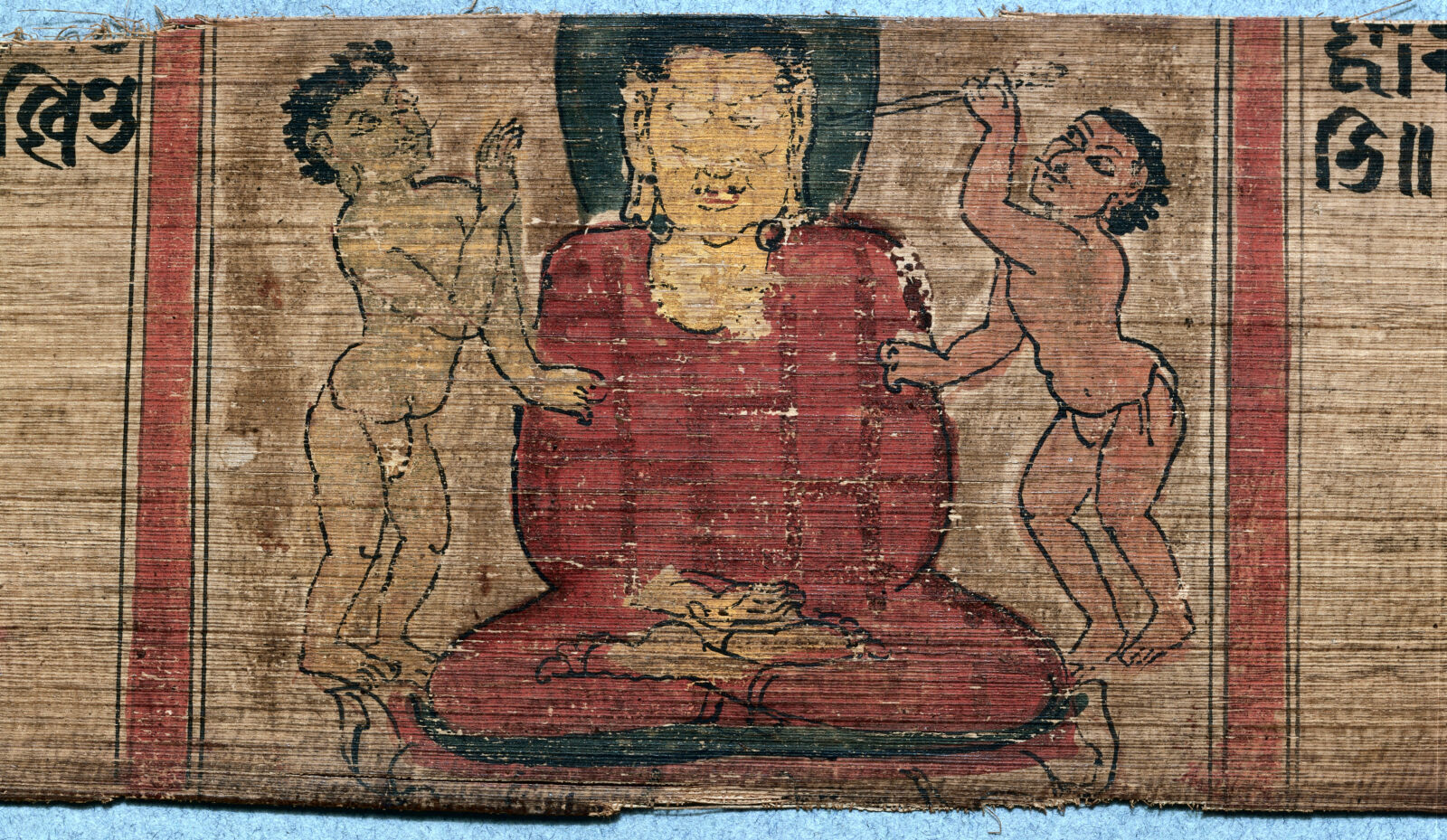
Buddha in Dhyana, Perfection of Wisdom Sutra Manuscript
1074
 Sculpture
Secondary source
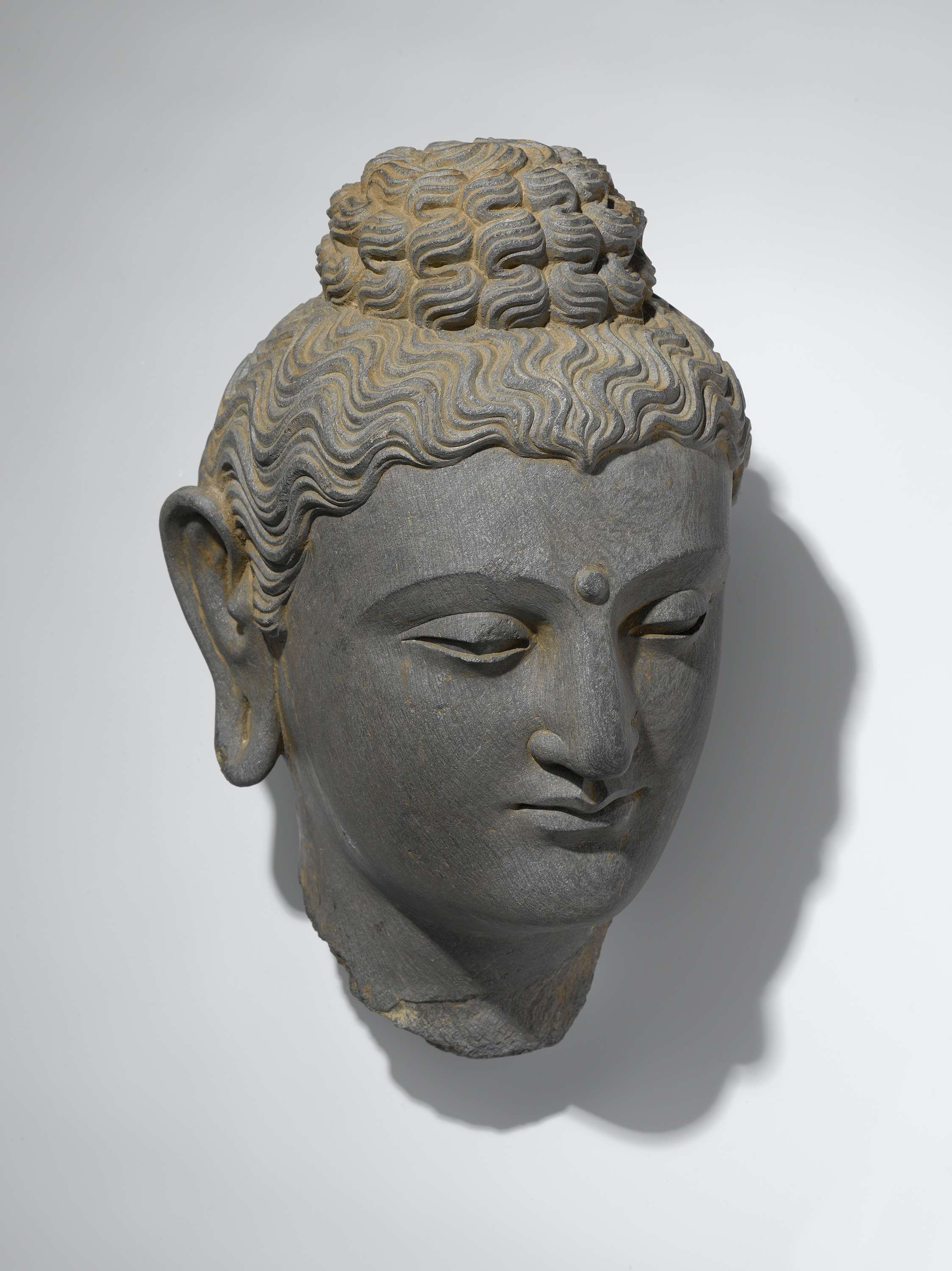
Head of the Buddha, Gandhara style
 Book
Secondary source
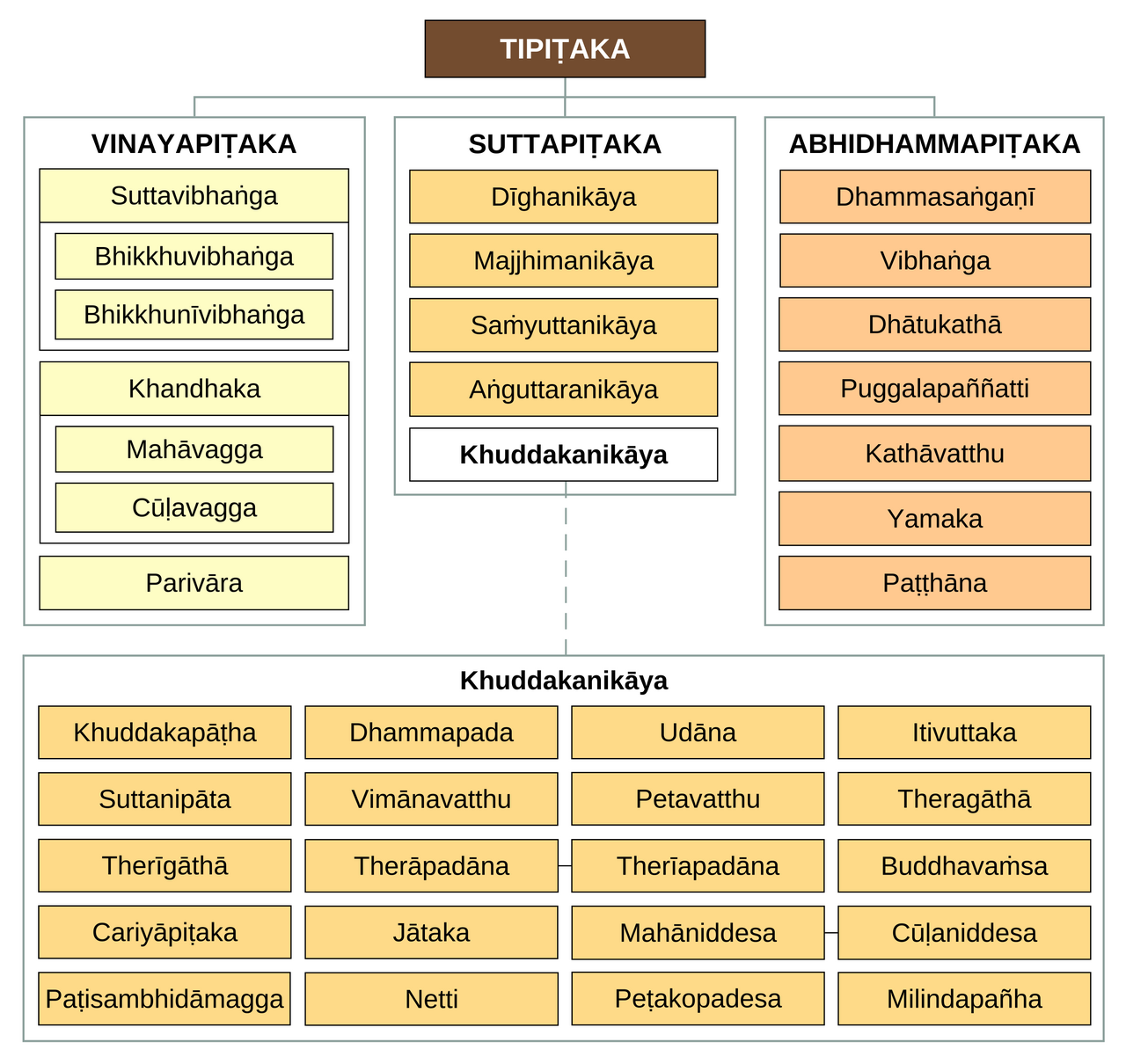
Pali Canon (Tipitaka)
Early Buddhist sangha · oral from 5th century BCE; written c. 29 BCE
 Document
Secondary source
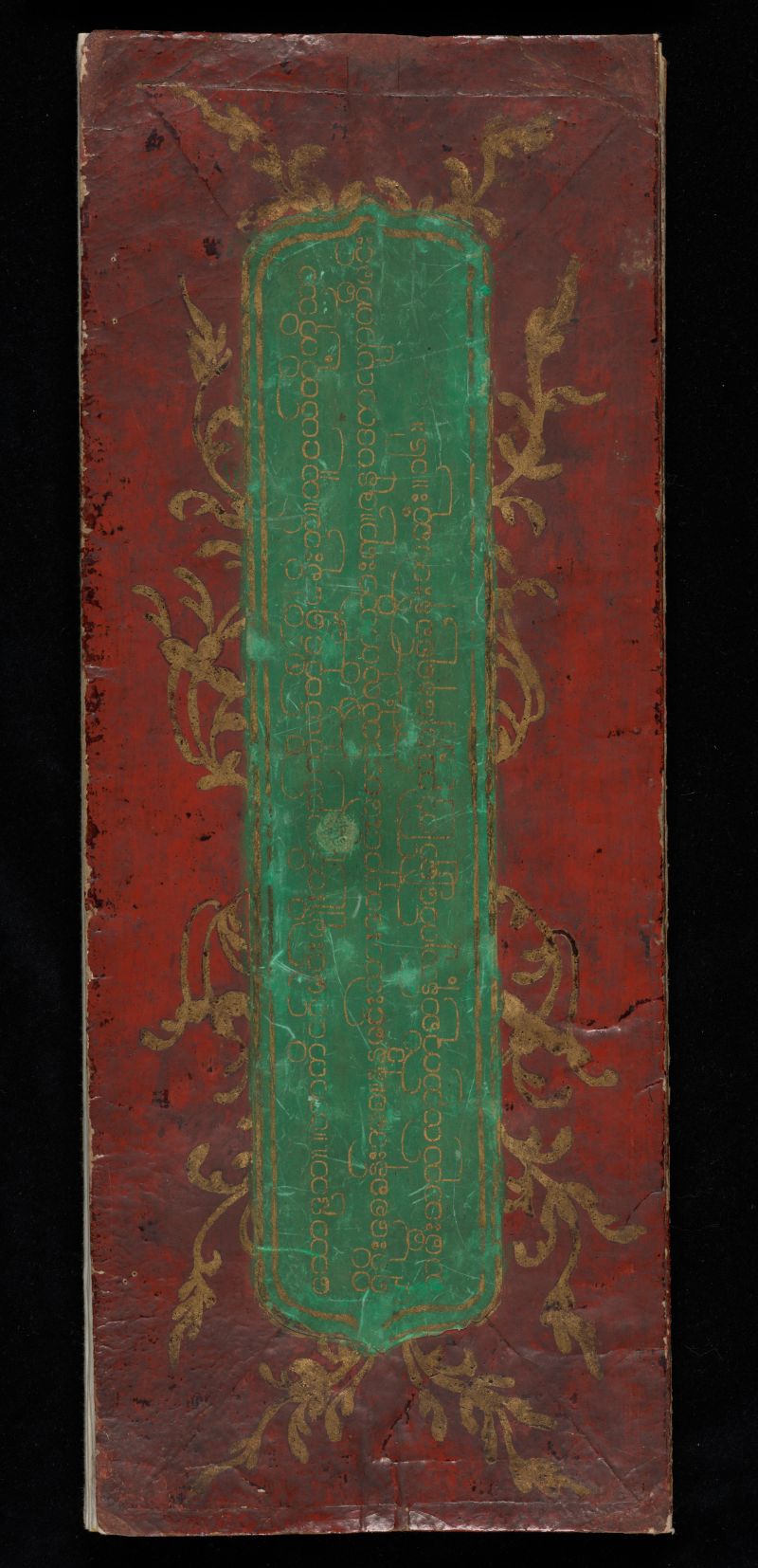
Life of the Buddha
19th century
Ready when you are
Start chatting with Buddha now.
20 messages free · No credit card · Available in 50+ languages.