


Secondary sourcePainting11th century CE
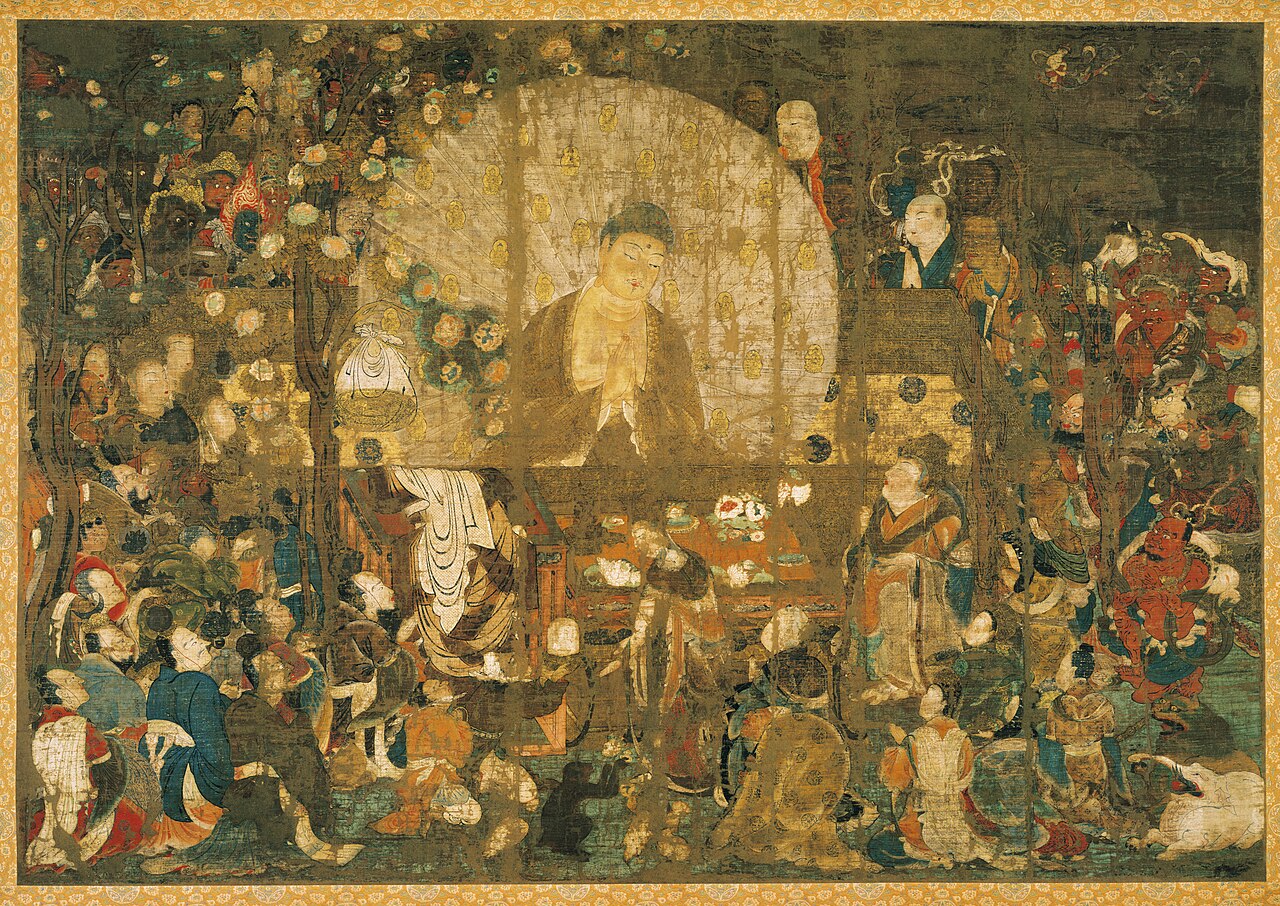
Shaka Rising from the Gold Coffin
11th century CE
An anonymous 11th-century Japanese hanging scroll showing the Buddha rising from his golden coffin to speak with his mother after death.
This painting imagines a legendary scene after the Buddha's death, reflecting how later generations retold and revered his story.
About this source
What it is
This hanging scroll, painted in colors on silk by an unknown artist in the late Heian period, depicts the resurrection of Shakyamuni Buddha as told in the Mahamaya Sutra. It is held at the Kyoto National Museum and designated a National Treasure of Japan.
Why it matters
The painting shows how stories about the Buddha continued to be reimagined long after his lifetime, blending religious teaching with dramatic storytelling. It depicts Buddha's mother Maya rushing to see her son after his death, and his final message that the law he taught would outlast him. The delicate brushwork and gold decoration reflect the refined court culture of the Fujiwara period.
Look closer
- What emotions do you think the artist wanted viewers to feel looking at this scene?
- Why might the artist have surrounded the Buddha with so many different figures, including demons and animals?
- What does the scene tell us about how Buddhists imagined the relationship between death and teaching?
This painting is part of the curated material that grounds the AI version of Buddha on Humy.ai — when students ask about related events, the AI can quote it and cite it.
More Buddha sources
Meet the AI Buddha →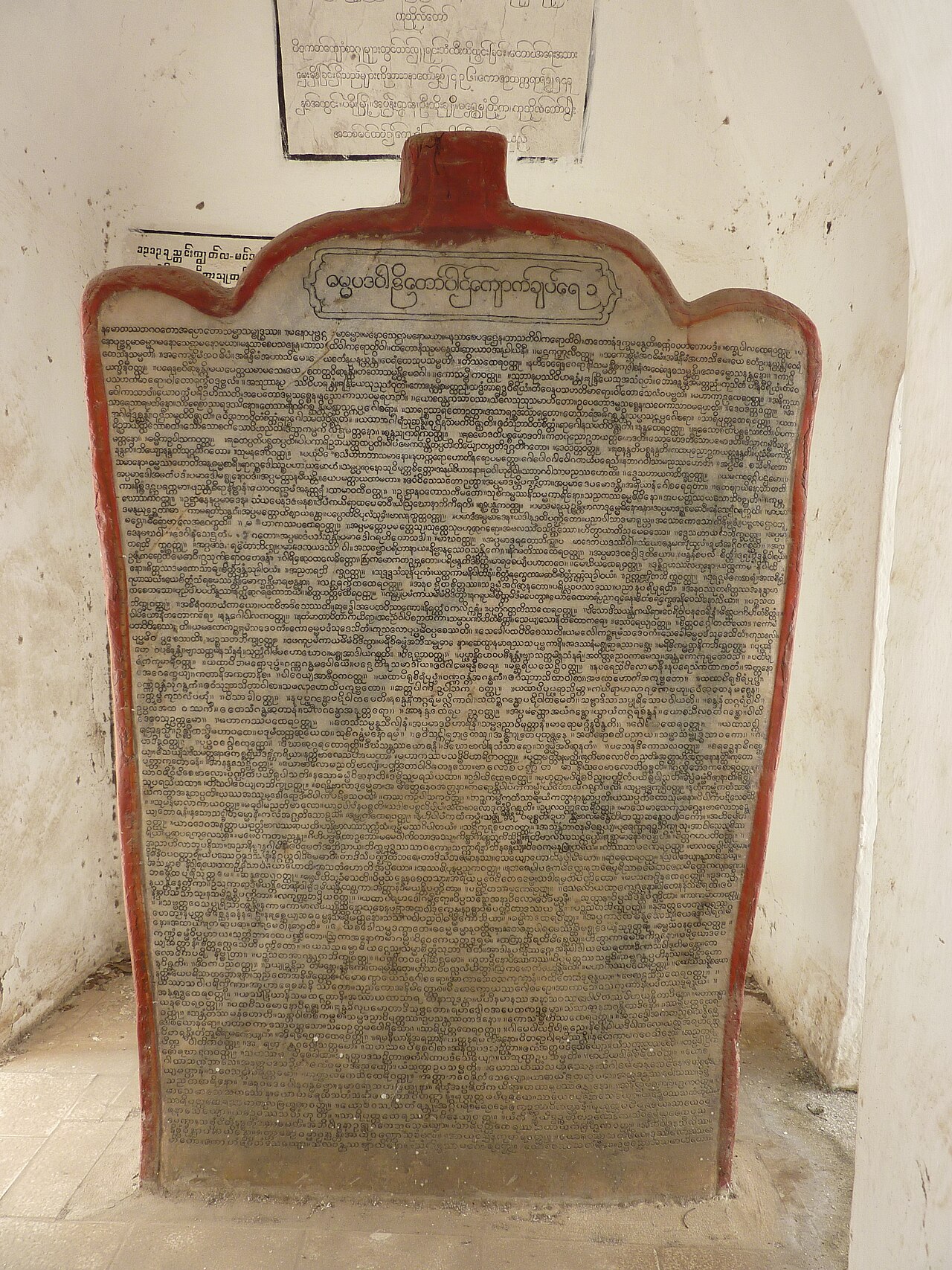 Book
Secondary source
Dhammapada
Attributed to the Buddha · c. 3rd century BCE compilation
 Painting
Secondary source
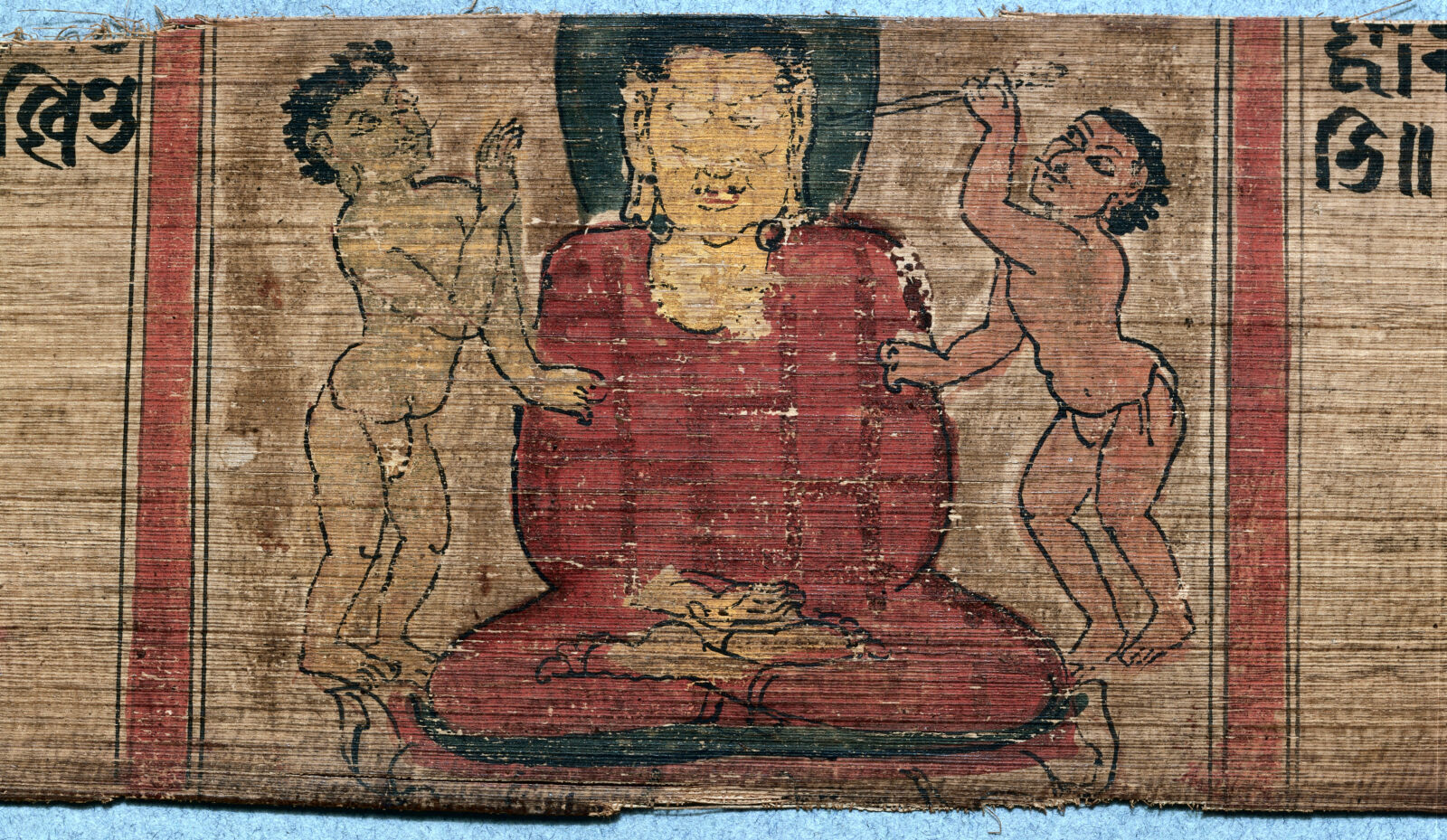
Buddha in Dhyana, Perfection of Wisdom Sutra Manuscript
1074
 Sculpture
Secondary source
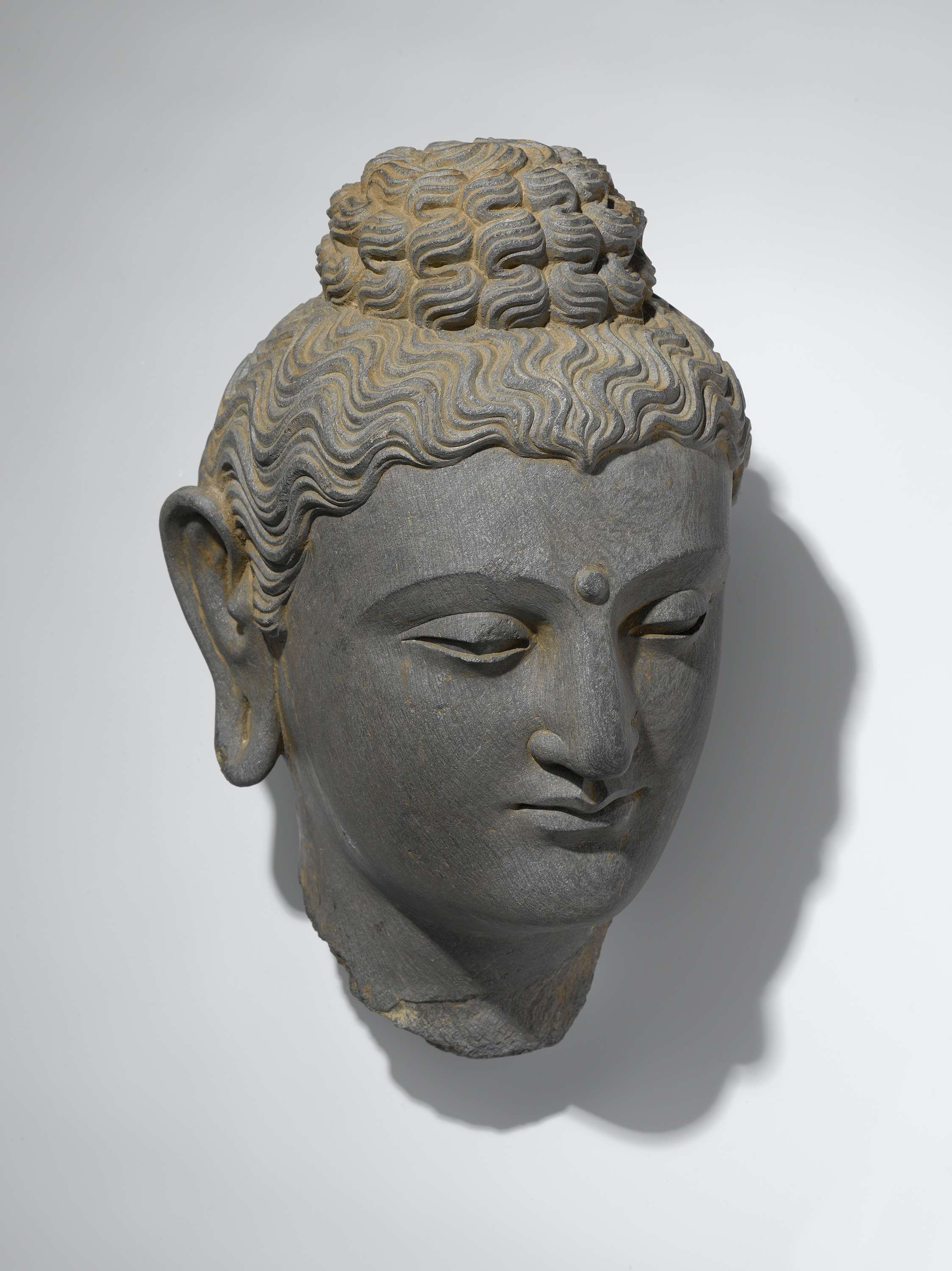
Head of the Buddha, Gandhara style
 Book
Secondary source
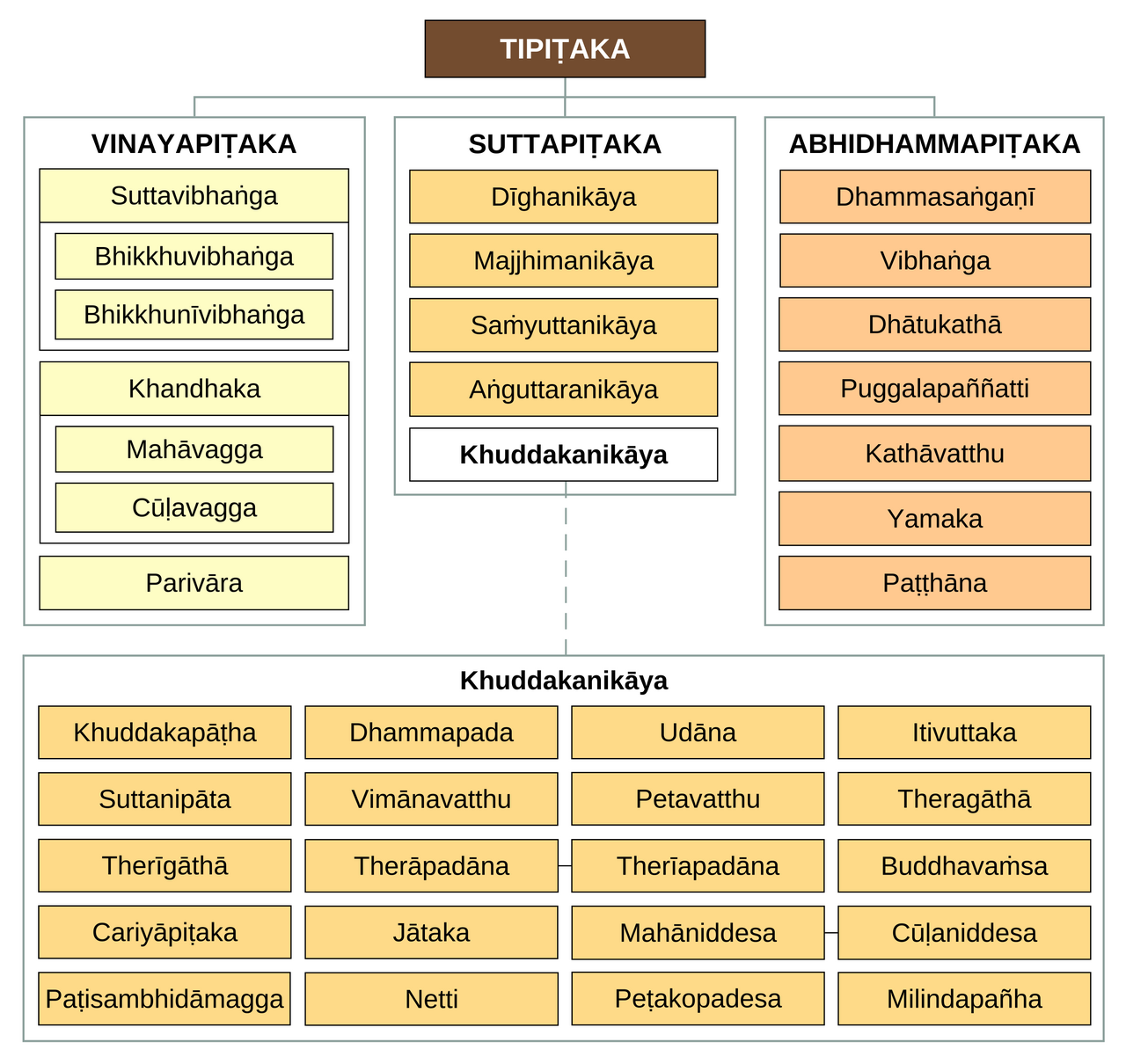
Pali Canon (Tipitaka)
Early Buddhist sangha · oral from 5th century BCE; written c. 29 BCE
 Document
Secondary source
Life of the Buddha
19th century
Ready when you are
Start chatting with Buddha now.
20 messages free · No credit card · Available in 50+ languages.