


Primary sourceDocument7th century BCE
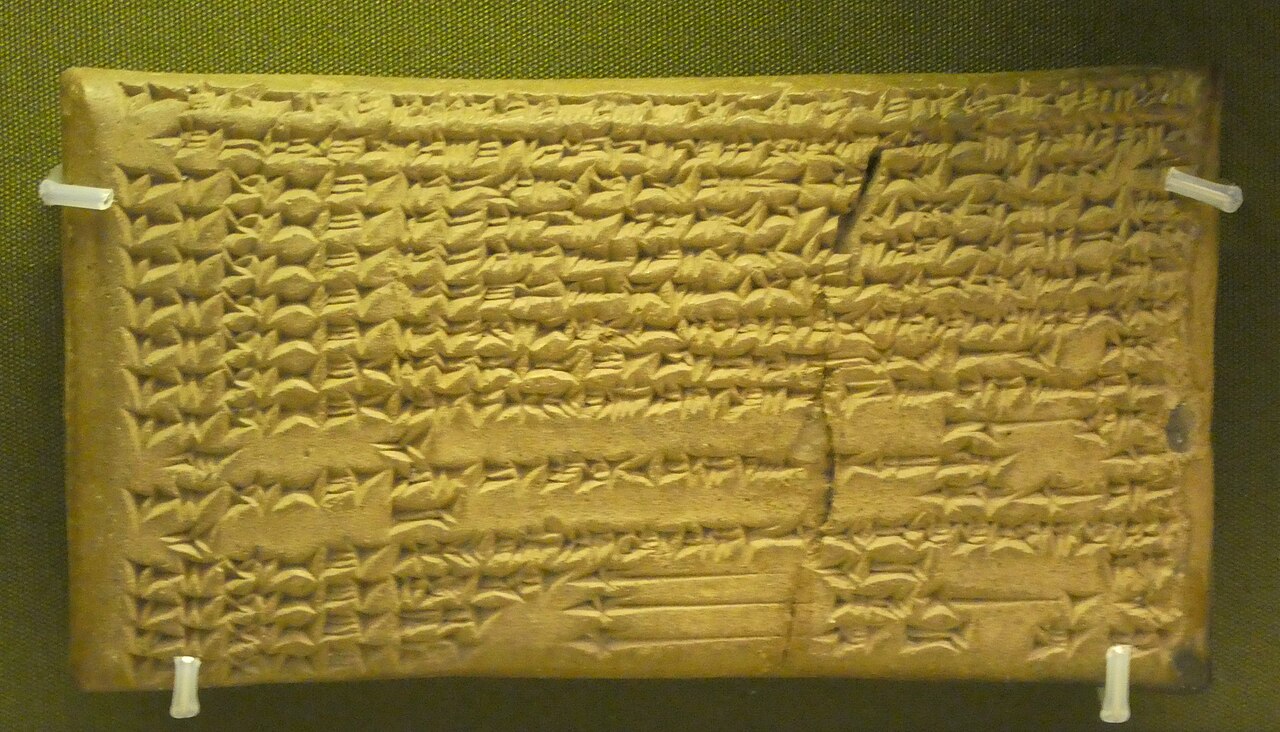
Shumma Alu Divinatory Tablet from the Library of Ashurbanipal
7th century BCE
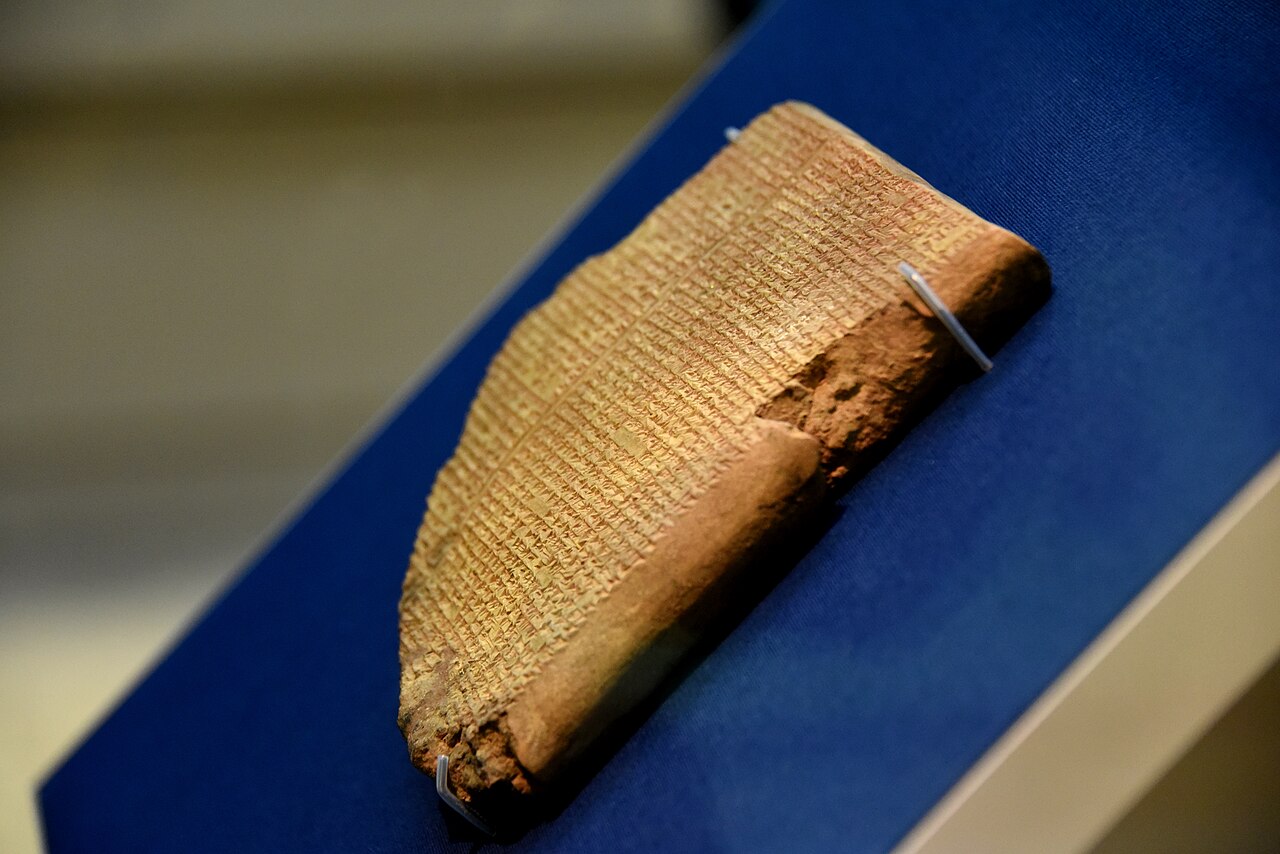
A cuneiform clay tablet from Ashurbanipal's library at Nineveh, part of a divinatory series about city life.
This tablet was part of the library Ashurbanipal assembled at Nineveh, showing his role as a collector of knowledge.
About this source
What it is
This clay tablet is the 61st of 120 tablets in the Shumma alu series, a divinatory text concerned with omens from city life. It comes from Nineveh, from the library assembled by King Ashurbanipal in the 7th century BC, and is held today in the British Museum.
Why it matters
Ashurbanipal built one of the largest known collections of texts in the ancient world, gathering scholarly and religious works from across Mesopotamia. This tablet shows the kinds of knowledge valued at his court, including divination used to interpret signs and predict the future.
Look closer
- What does the care taken to copy and preserve this text tell you about the king's interests?
- Why might a ruler want to collect texts about predicting the future?
- What does the cracked, damaged state of the tablet tell you about its long history?
This document is part of the curated material that grounds the AI version of Ashurbanipal on Humy.ai — when students ask about related events, the AI can quote it and cite it.
More Ashurbanipal sources
Meet the AI Ashurbanipal →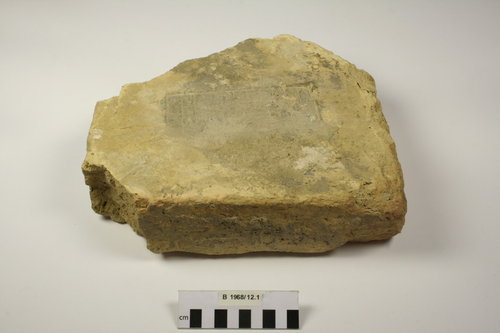 Artifact
Primary source
Baked Brick Naming King Ashurbanipal
7th century BCE
 Sculpture
Primary source
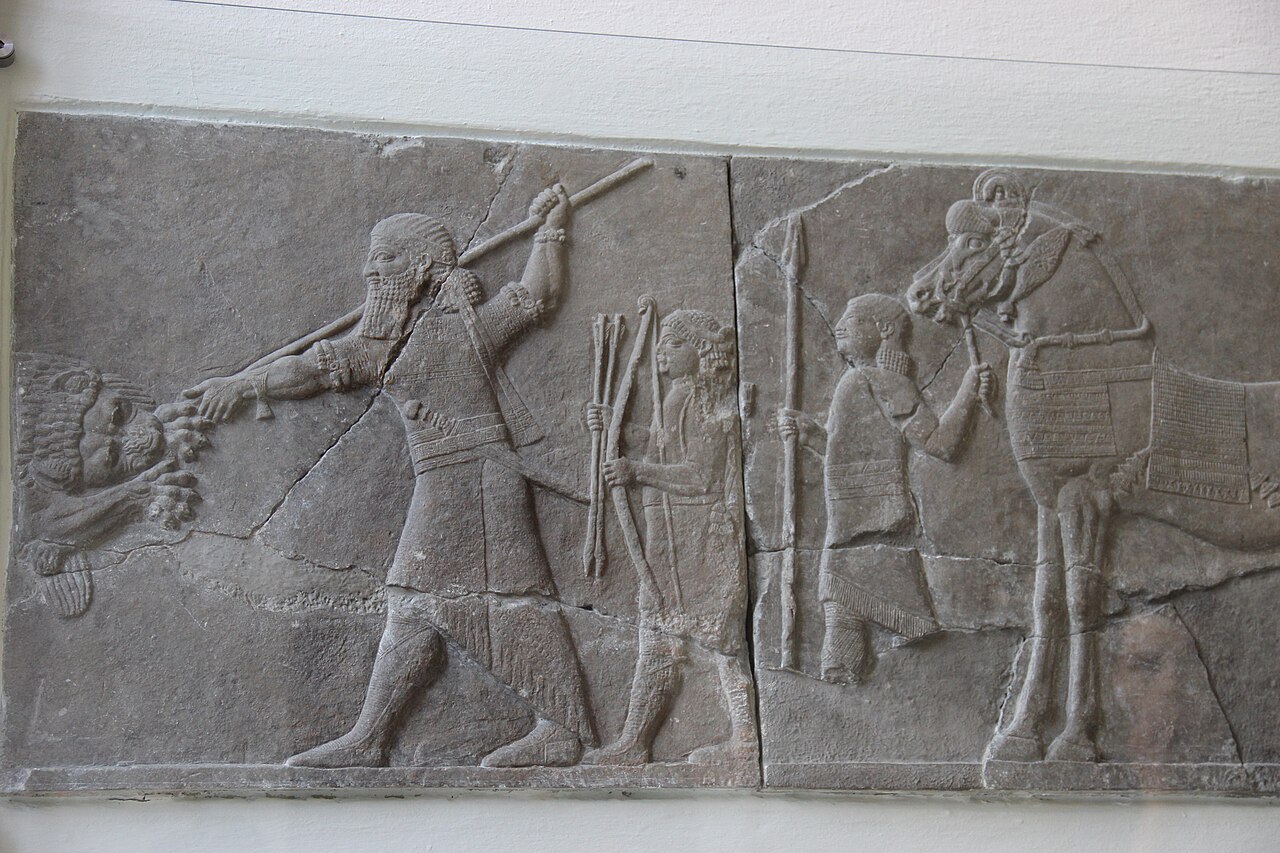
Lion Hunt of Ashurbanipal
Assyrian royal sculptors · c. 645–635 BCE
 Document
Primary source
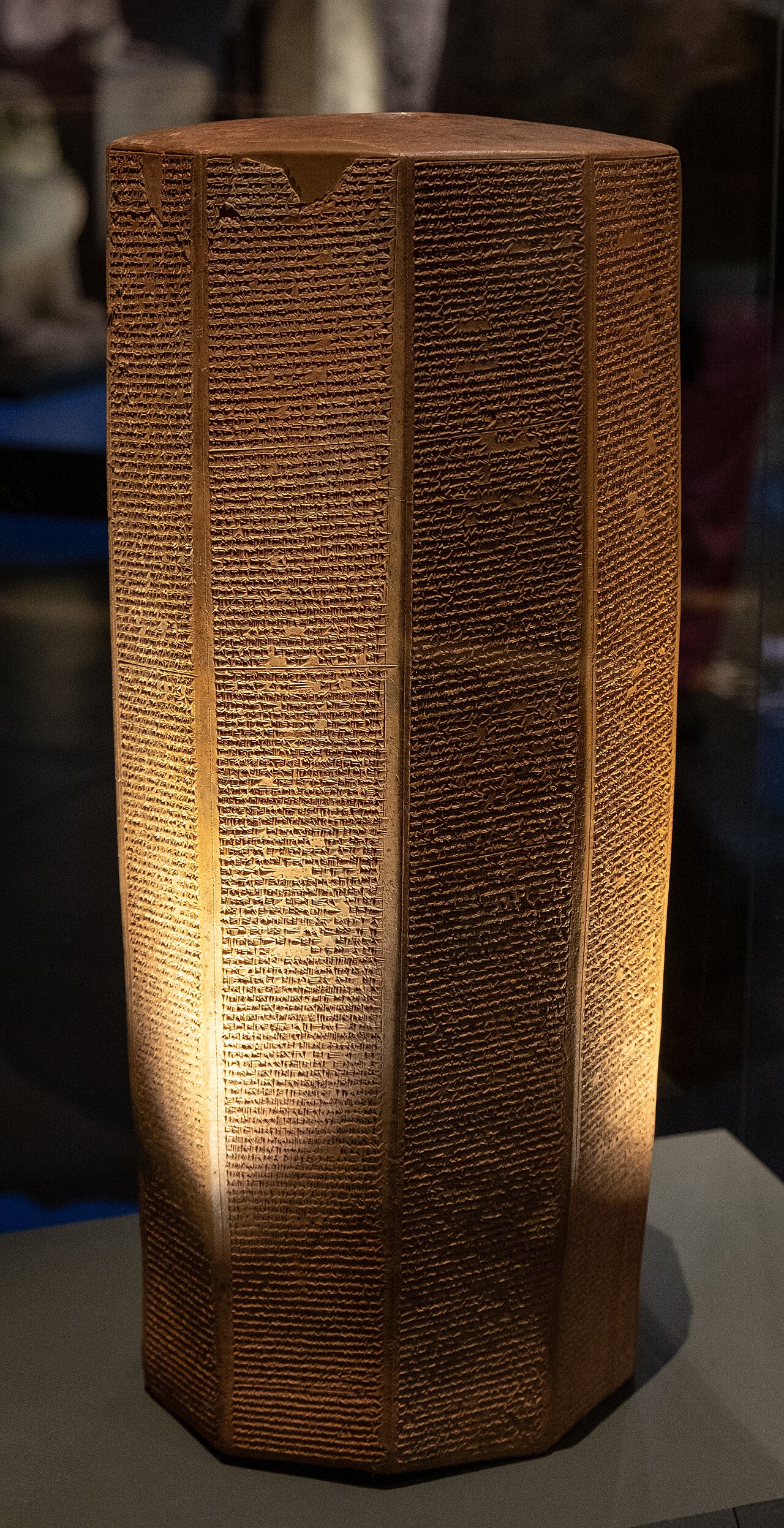
Rassam Prism of Ashurbanipal
643 BCE
 Painting
Secondary source
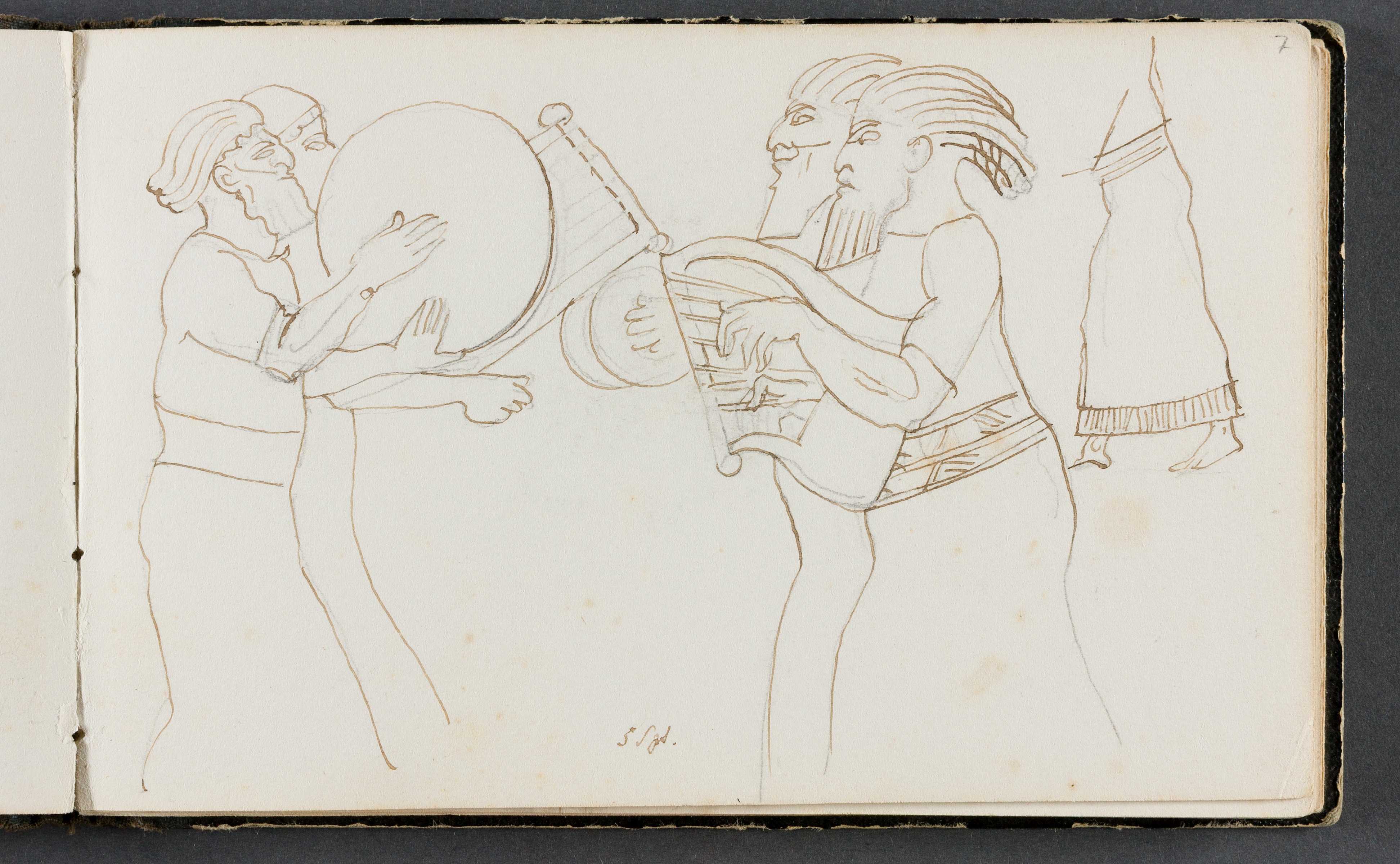
Relief with Musicians from the Palace of Ashurbanipal in Nineveh
 Document
Primary source
Flood Tablet
Scribes of Ashurbanipal's library · 7th century BCE
Ready when you are
Start chatting with Ashurbanipal now.
20 messages free · No credit card · Available in 50+ languages.