


Primary sourceDocument
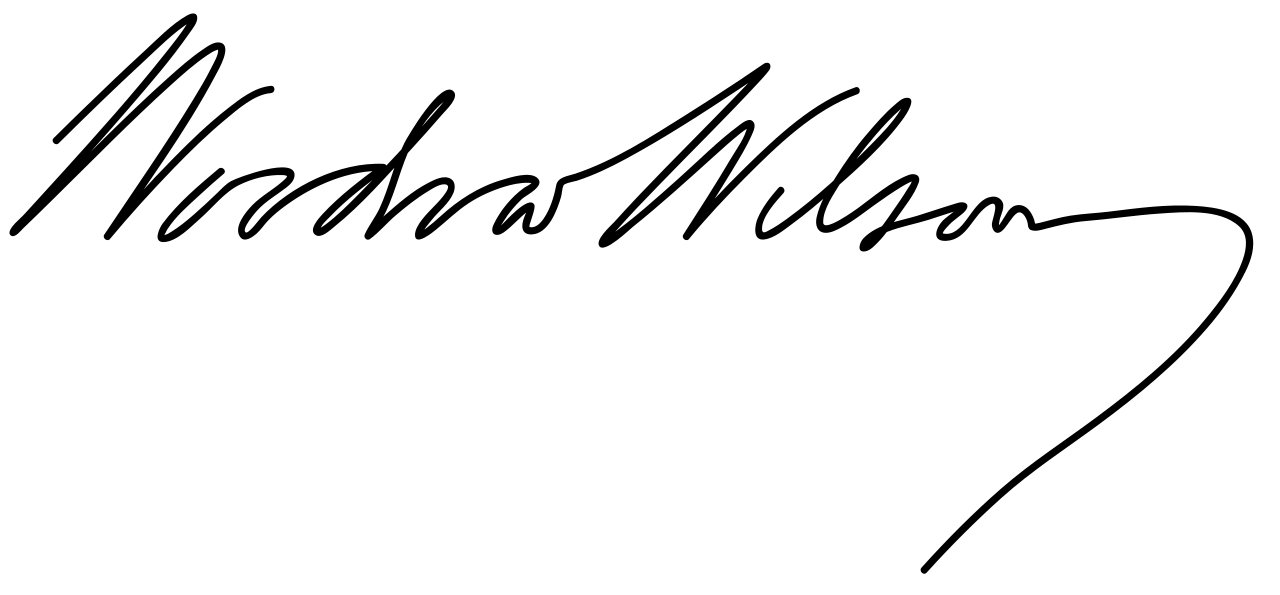
Signature of Woodrow Wilson
Woodrow Wilson
Wilson's autograph signature, as it appears on the laws and treaties he signed. It identifies him as the signer of official documents.
Shows the autograph Wilson used on official papers, which is the mark of his personal approval of what he signed.
About this source
What it is
This is an image of the handwritten signature 'Woodrow Wilson', written in black cursive with a long trailing flourish to the lower right. It is the figure's own autograph, taken from the Wikimedia Commons file 'Woodrow Wilson Signature 2.svg'. The curator's note says that it resembles the signature on the laws and treaties he signed.
Why it matters
A signature shows that a person personally approved a document. Presidents signed bills, treaties and proclamations, so a signature was how the government recorded who had acted. Comparing signatures also helps historians check whether a document really came from the person it names, which makes signatures useful evidence.
Look closer
- What features of this signature could you use to recognize it on another document?
- Why might a president's signature matter more than a typed name?
- What can a signature tell us, and what can it not tell us, about how a decision was made?
This document is part of the curated material that grounds the AI version of Woodrow Wilson on Humy.ai — when students ask about related events, the AI can quote it and cite it.
More Woodrow Wilson sources
Meet the AI Woodrow Wilson →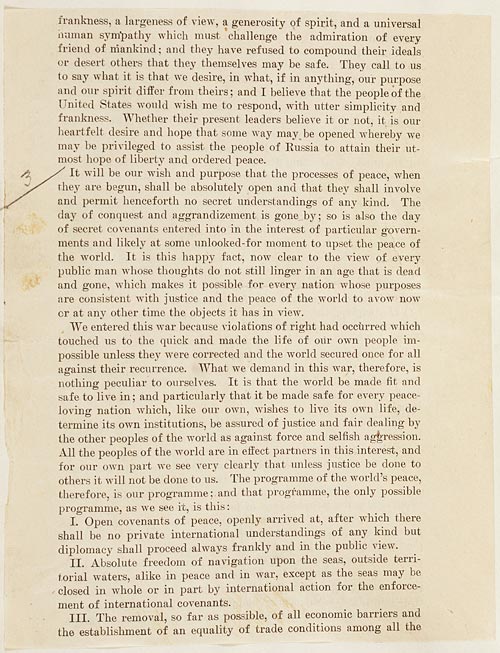 Speech
Primary source
President Woodrow Wilson's 14 Points
Woodrow Wilson · 8 January 1918
 Speech
Primary source
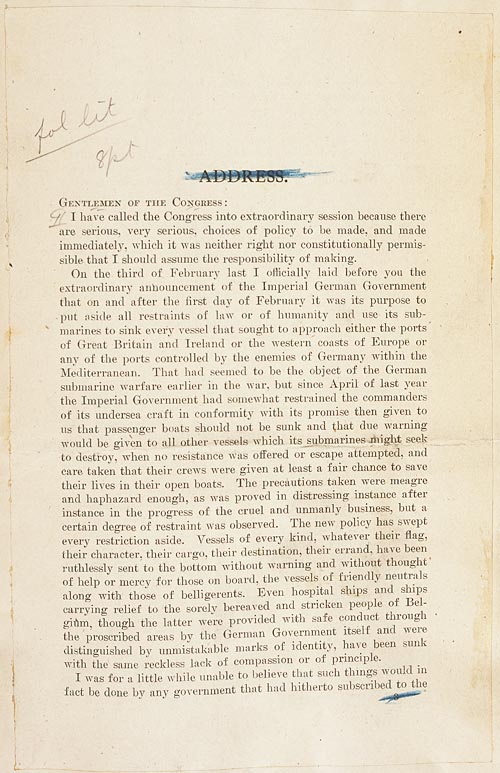
Joint Address to Congress Leading to a Declaration of War Against Germany
Woodrow Wilson · 2 April 1917
 Document
Primary source
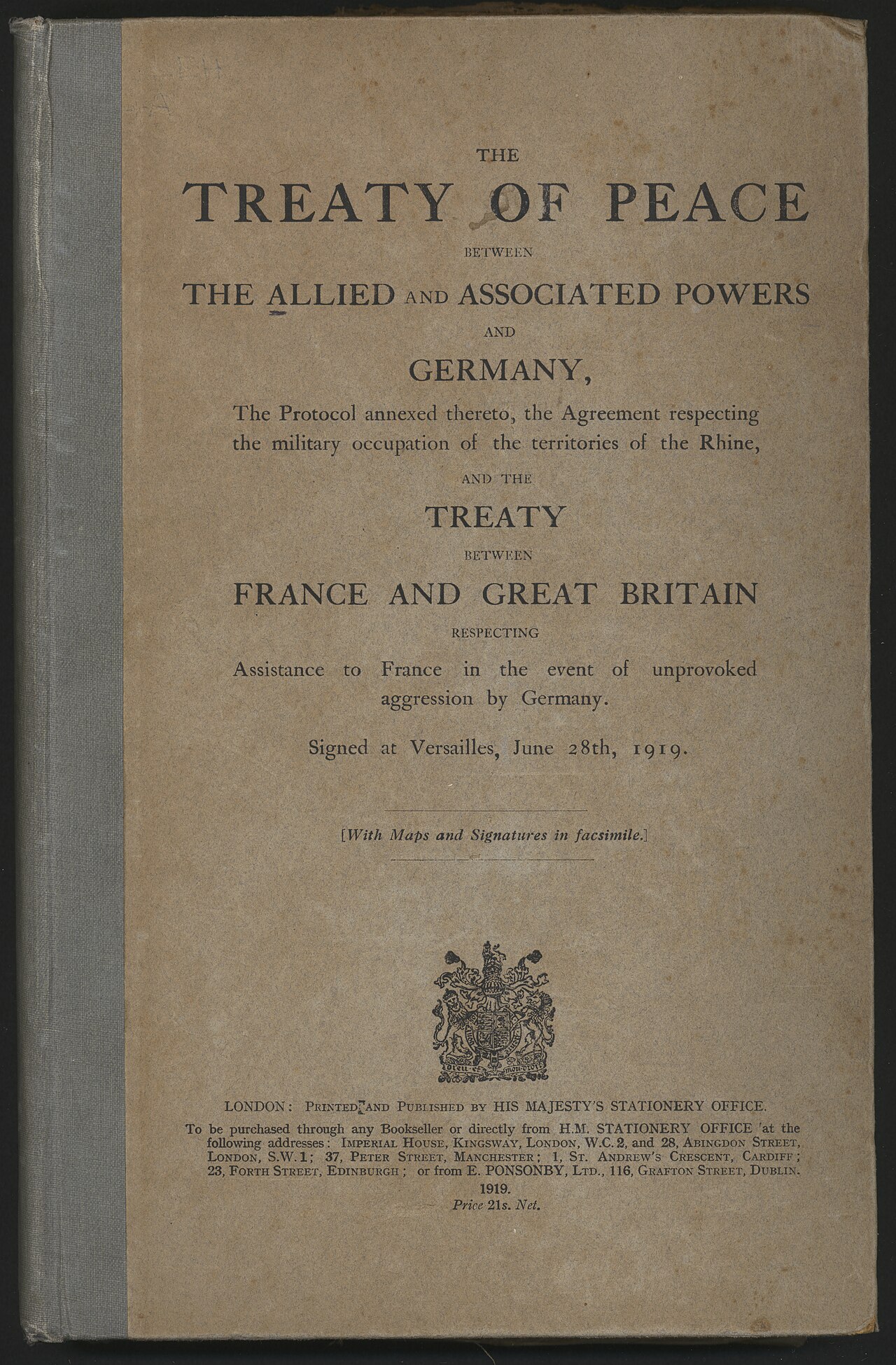
Treaty of Versailles
28 June 1919
Primary source
Covenant of the League of Nations
28 June 1919
 Document
Primary source
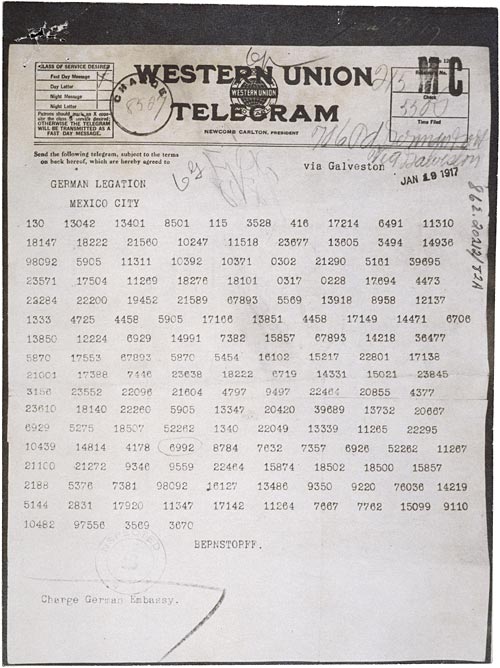
Zimmermann Telegram
Arthur Zimmermann · 1917
Ready when you are
Start chatting with Woodrow Wilson now.
20 messages free · No credit card · Available in 50+ languages.