


Primary sourceArtifact
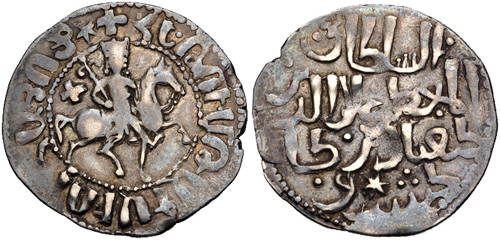
Silver Coin of Hetoum I Citing Sultan Kayqubad I
An Armenian coin naming the Seljuk sultan Kayqubad I, who reigned in Anatolia during Rumi's years there.
A coin naming the Seljuk sultan who ruled Anatolia during Rumi's lifetime, giving political context for his world.
About this source
What it is
This is a worn silver coin issued by the Armenian king Hetoum I of Cilicia, citing his overlord, the Seljuk sultan of Rum, Kayqubad I. It shows a mounted figure with a cross on one side and Arabic calligraphy with a star on the other.
Why it matters
This coin reflects the political relationships in Anatolia during the period Rumi lived there, showing how regional rulers like Hetoum I acknowledged the authority of the Seljuk sultans. It offers a glimpse of the shifting powers surrounding Rumi's adopted homeland.
Look closer
- What does naming an overlord on a coin tell us about political relationships at the time?
- Why do you think the coin mixes a cross with Arabic script?
- What might the coin's worn condition suggest about how widely it was used?
This artifact is part of the curated material that grounds the AI version of Rumi (Jalāl ad-Dīn Muhammad Rūmī) on Humy.ai — when students ask about related events, the AI can quote it and cite it.
More Rumi (Jalāl ad-Dīn Muhammad Rūmī) sources
Meet the AI Rumi (Jalāl ad-Dīn Muhammad Rūmī) →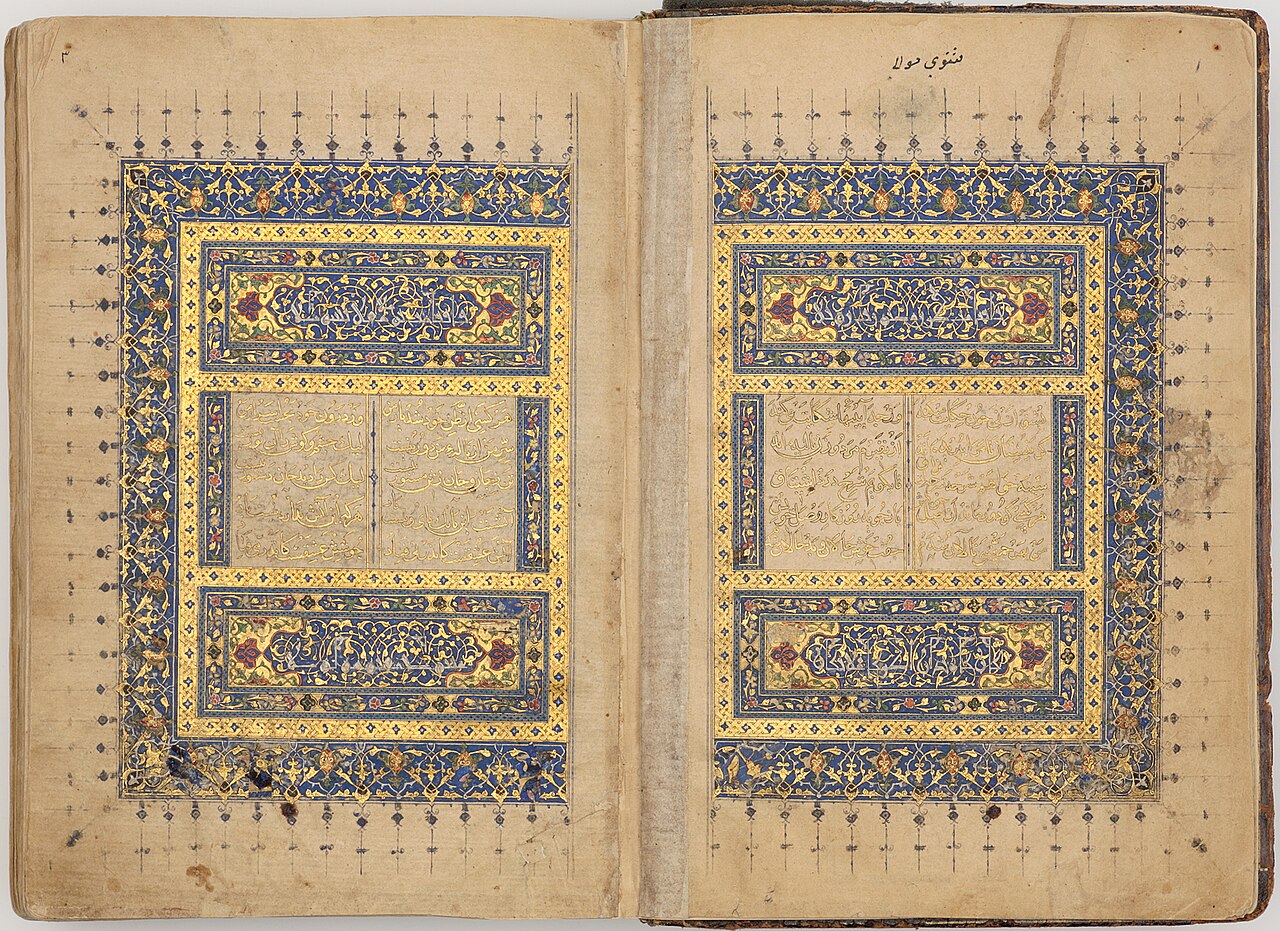 Book
Primary source
Masnavi
Rumi · c. 1258-1273
 Book
Primary source
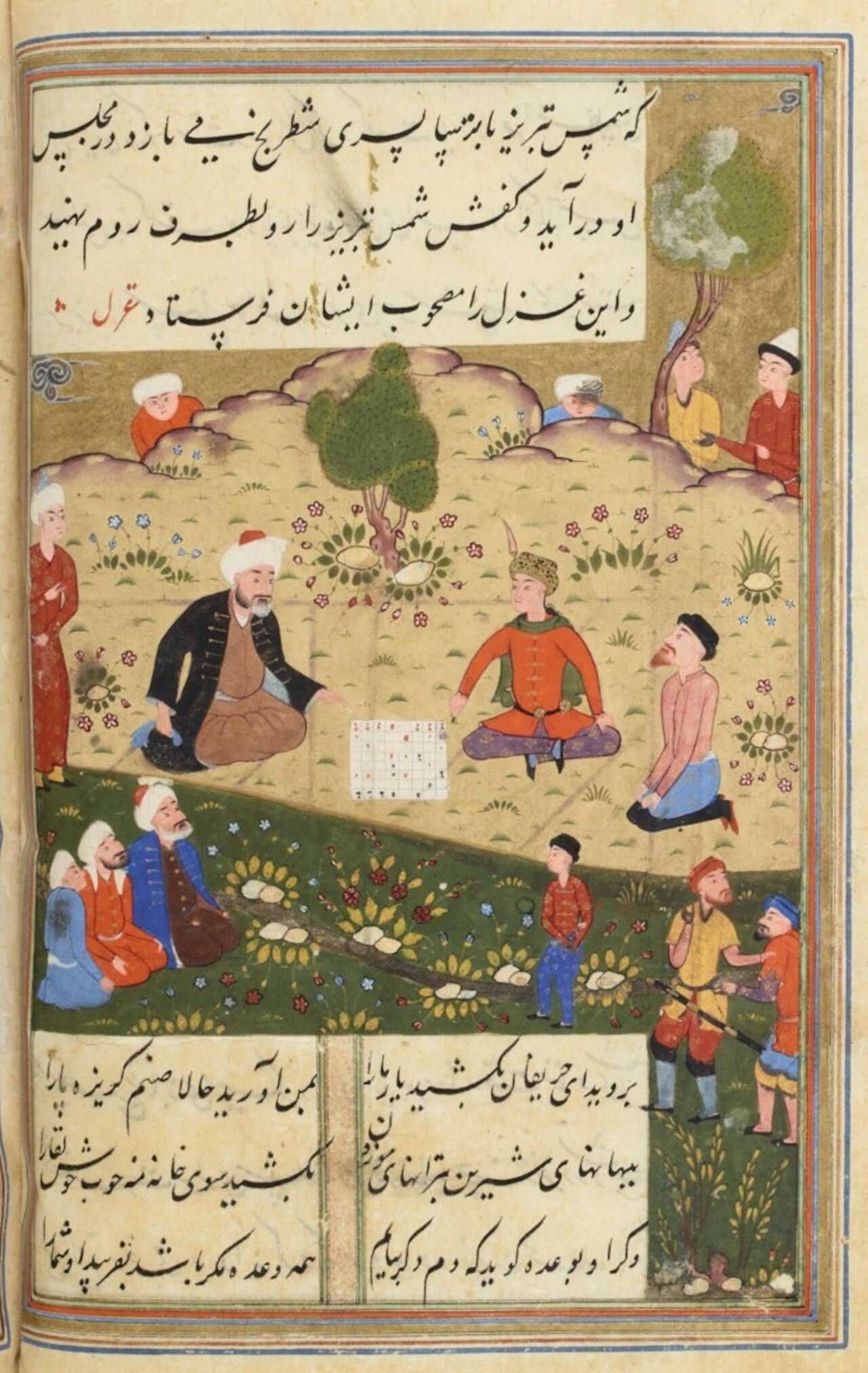
Diwan-e Shams-e Tabrizi
Rumi · c. 1247 onward
 Artifact
Secondary source
Grave of Rumi
soon after 1273
 Book
Primary source
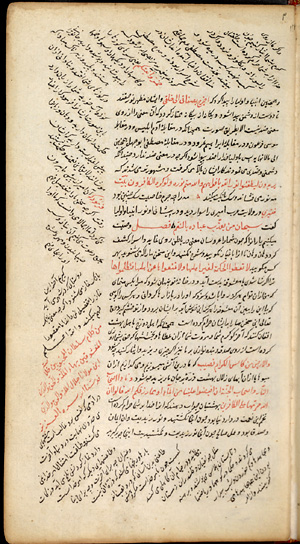
Fihi Ma Fihi
Rumi · c. 1260-1273
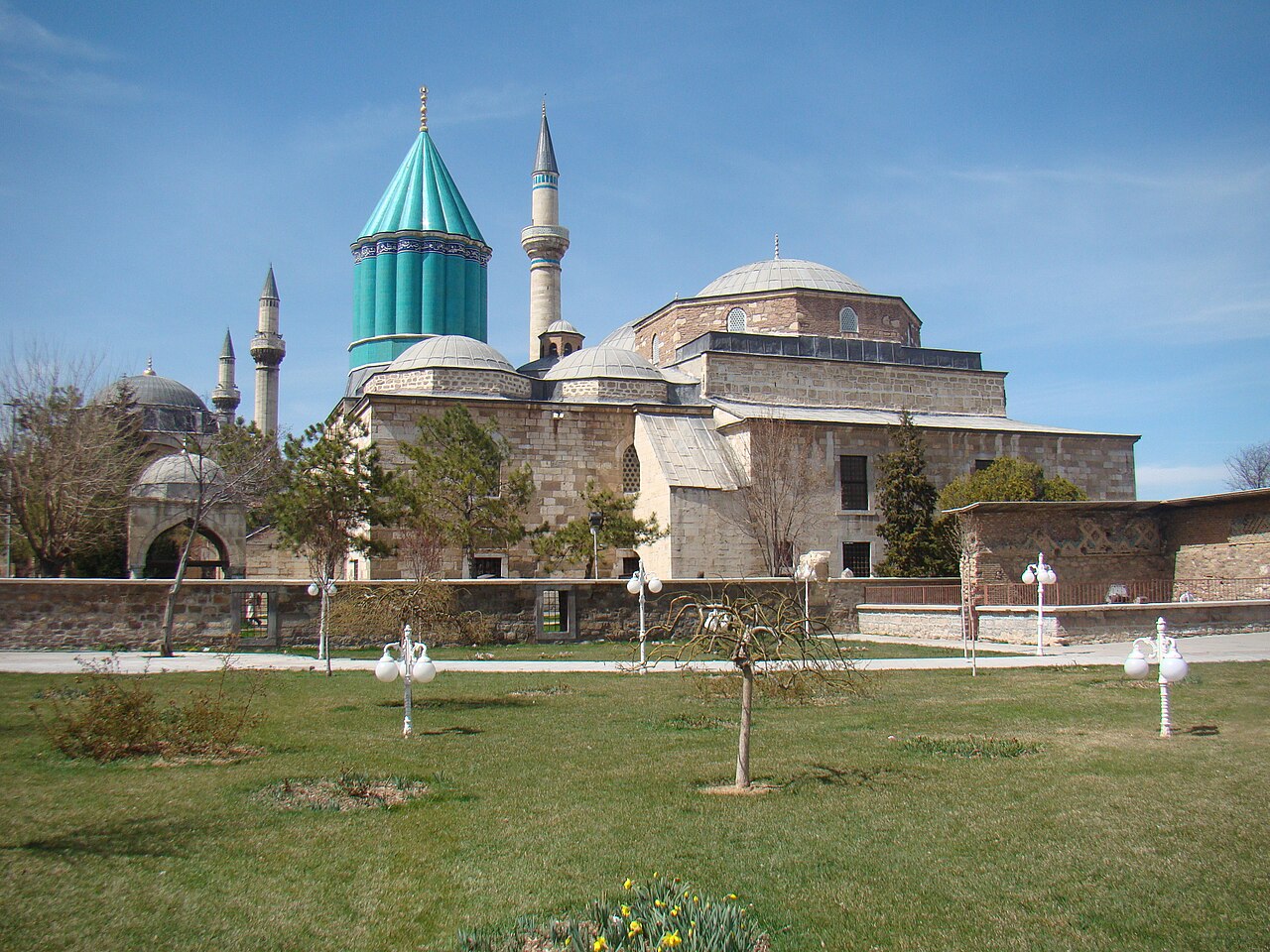 Artifact
Secondary source
Mevlâna Museum
Badr al-Din Tabrizi (architect) · built soon after 1273; museum since 1926
Ready when you are
Start chatting with Rumi (Jalāl ad-Dīn Muhammad Rūmī) now.
20 messages free · No credit card · Available in 50+ languages.