


Primary sourceBook
Sophistical Refutations
Aristotle
Aristotle's treatise identifying and classifying logical fallacies, written to counter the deceptive arguments of the sophists.
Aristotle's own treatise exposing and classifying the fallacies used by sophists in argument.
About this source
What it is
Sophistical Refutations is part of Aristotle's Organon, his collected works on logic. It consists of 34 chapters identifying twelve or thirteen fallacies, divided into tactics for questioners and for answerers in debate.
Why it matters
According to the text itself, it is the first work to treat deductive reasoning and the identification of fallacies in ancient Greece. It shows Aristotle trying to build a system of sound reasoning against the misleading tricks used by sophists, who argued cleverly rather than truthfully — an early foundation for the study of logic that is still used today.
Look closer
- Why would Aristotle think it useful to name and classify different kinds of false arguments?
- What does it suggest about his times that sophistry and deceptive argument were common enough to need a treatise against them?
- Can you think of a fallacy from this list that you have heard used in modern arguments?
This book is part of the curated material that grounds the AI version of Aristotle on Humy.ai — when students ask about related events, the AI can quote it and cite it.
More Aristotle sources
Meet the AI Aristotle →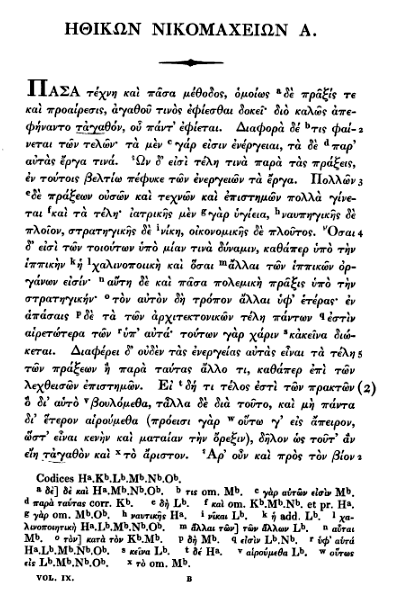

Ready when you are
Start chatting with Aristotle now.
20 messages free · No credit card · Available in 50+ languages.