


Secondary sourceSculpture12th century
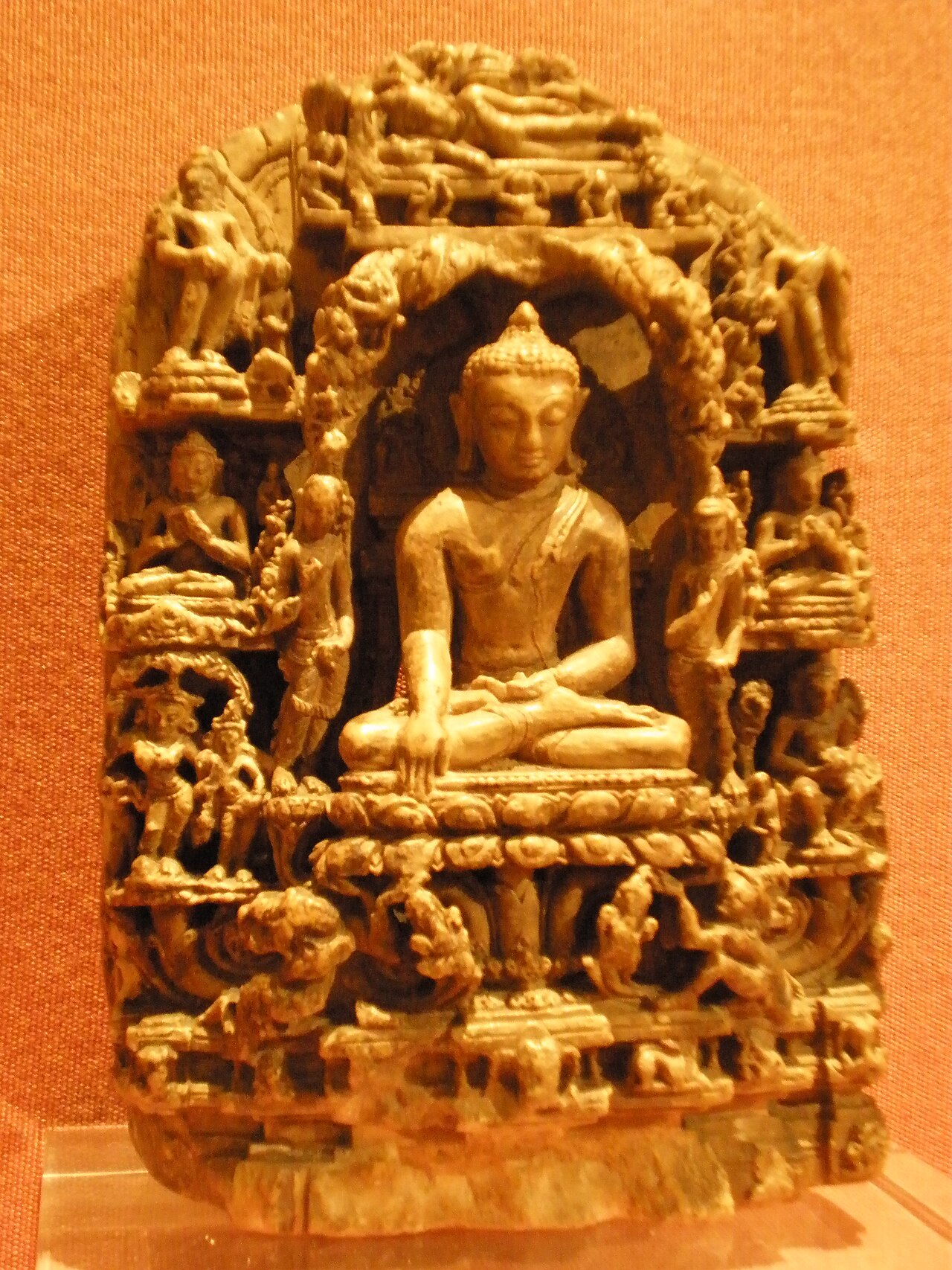
Steatite Relief of Scenes from the Life of the Buddha
12th century
A 12th-century Burmese stone carving showing episodes from the Buddha's life, now held at the Victoria and Albert Museum.
The relief depicts episodes from the Buddha's life, carved centuries after he lived, showing how his story was retold in art.
About this source
What it is
This is a carved steatite (soapstone) relief from Pagan, Burma, made in the 12th century. It shows a seated Buddha figure in meditation at the centre, surrounded by smaller carved figures and scenes set into niches on a tiered, arched panel. It is held at the Victoria and Albert Museum.
Why it matters
The relief shows how artists in medieval Burma told the story of the Buddha's life through carved images rather than written text, so that people who could not read could still learn the key episodes. It reflects how widely Buddhism had spread and how local craftsmen adapted the Buddha's story into their own artistic traditions.
Look closer
- What different scenes can you pick out around the central figure?
- Why might an artist choose stone carving, rather than writing, to tell a religious story?
- What does the care taken in this carving suggest about how important the Buddha's story was to the people who made it?
This sculpture is part of the curated material that grounds the AI version of Buddha on Humy.ai — when students ask about related events, the AI can quote it and cite it.
More Buddha sources
Meet the AI Buddha →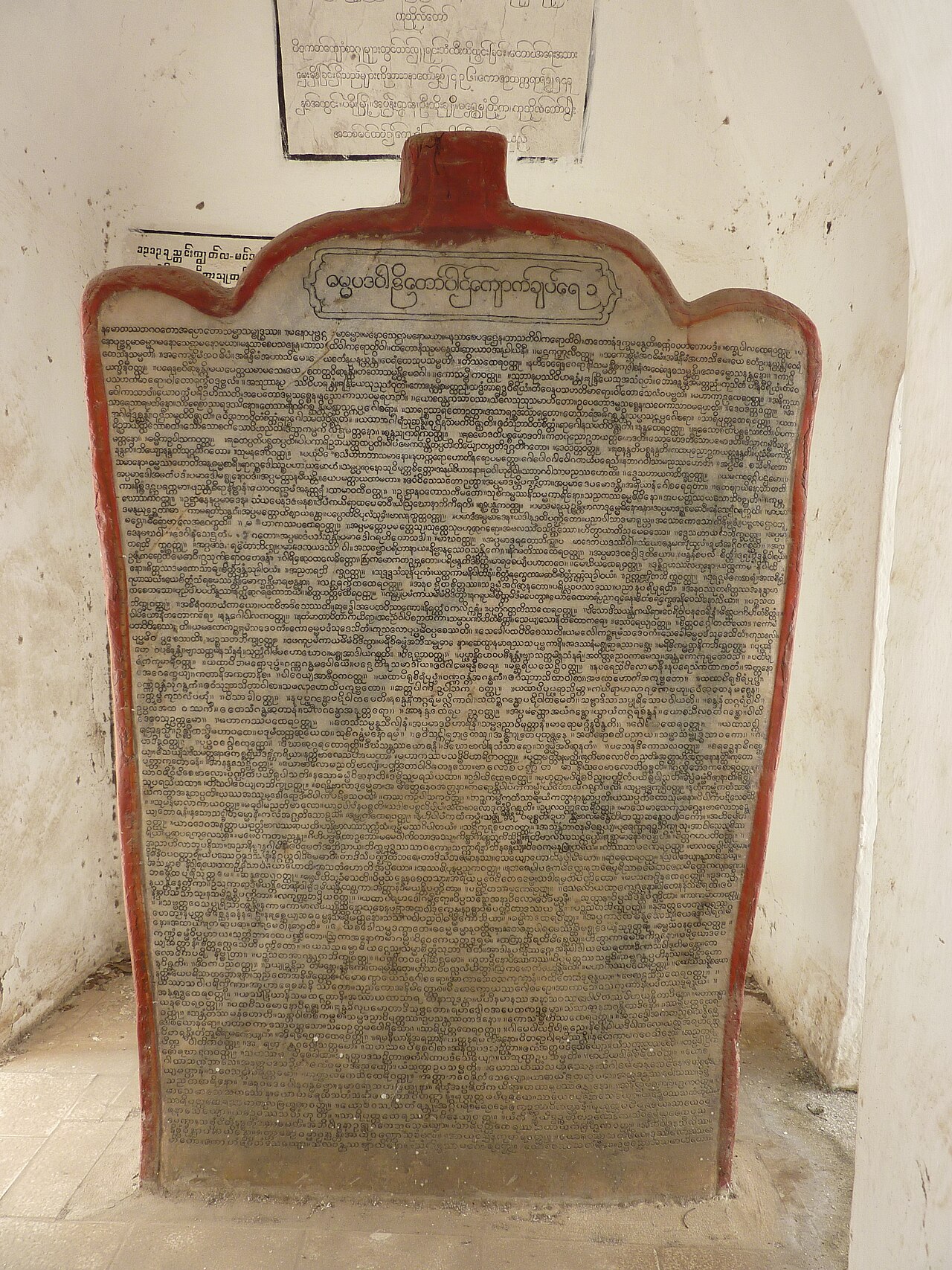 Book
Secondary source
Dhammapada
Attributed to the Buddha · c. 3rd century BCE compilation
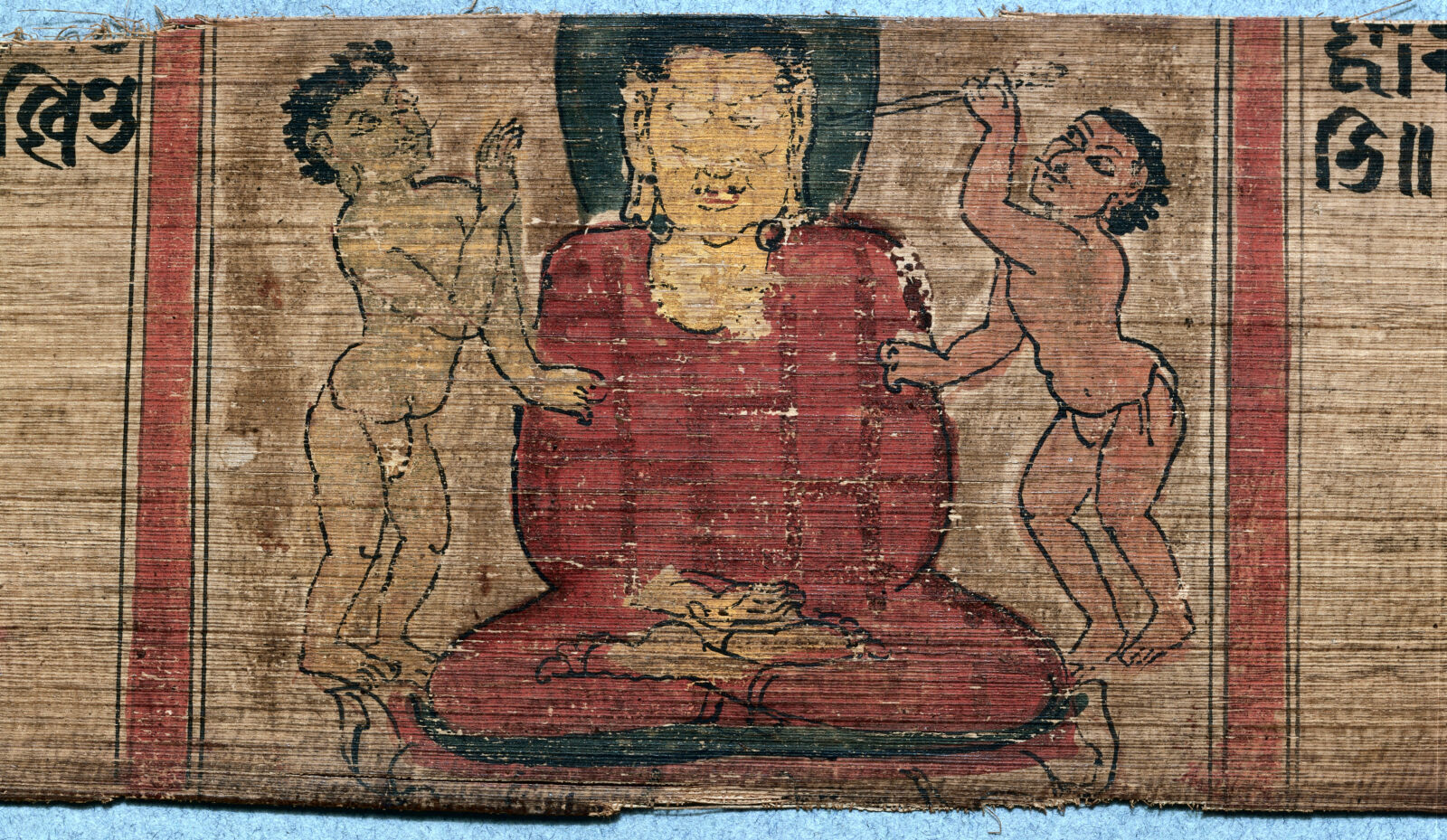 Painting
Secondary source
Buddha in Dhyana, Perfection of Wisdom Sutra Manuscript
1074
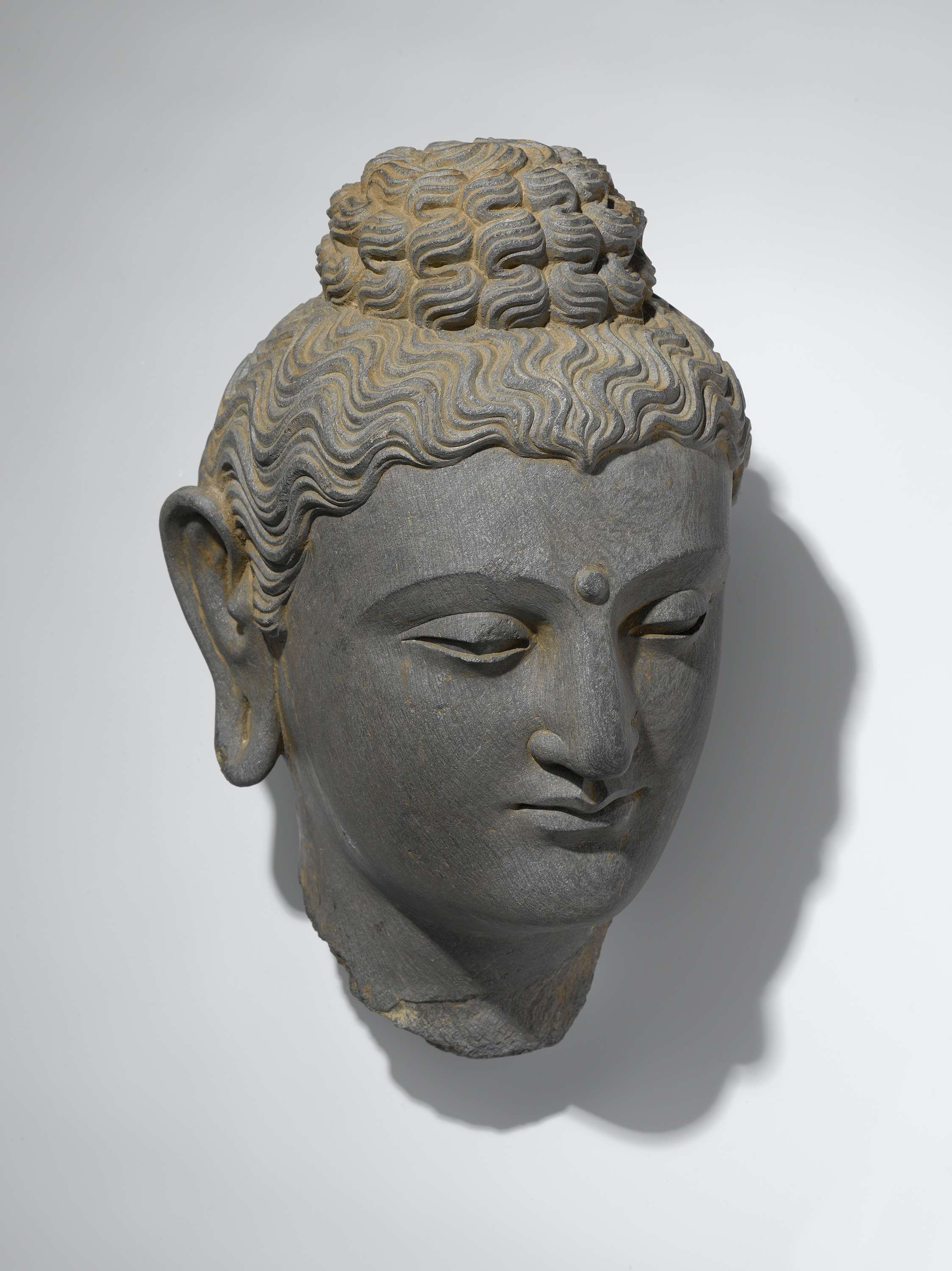 Sculpture
Secondary source
Head of the Buddha, Gandhara style
 Book
Secondary source
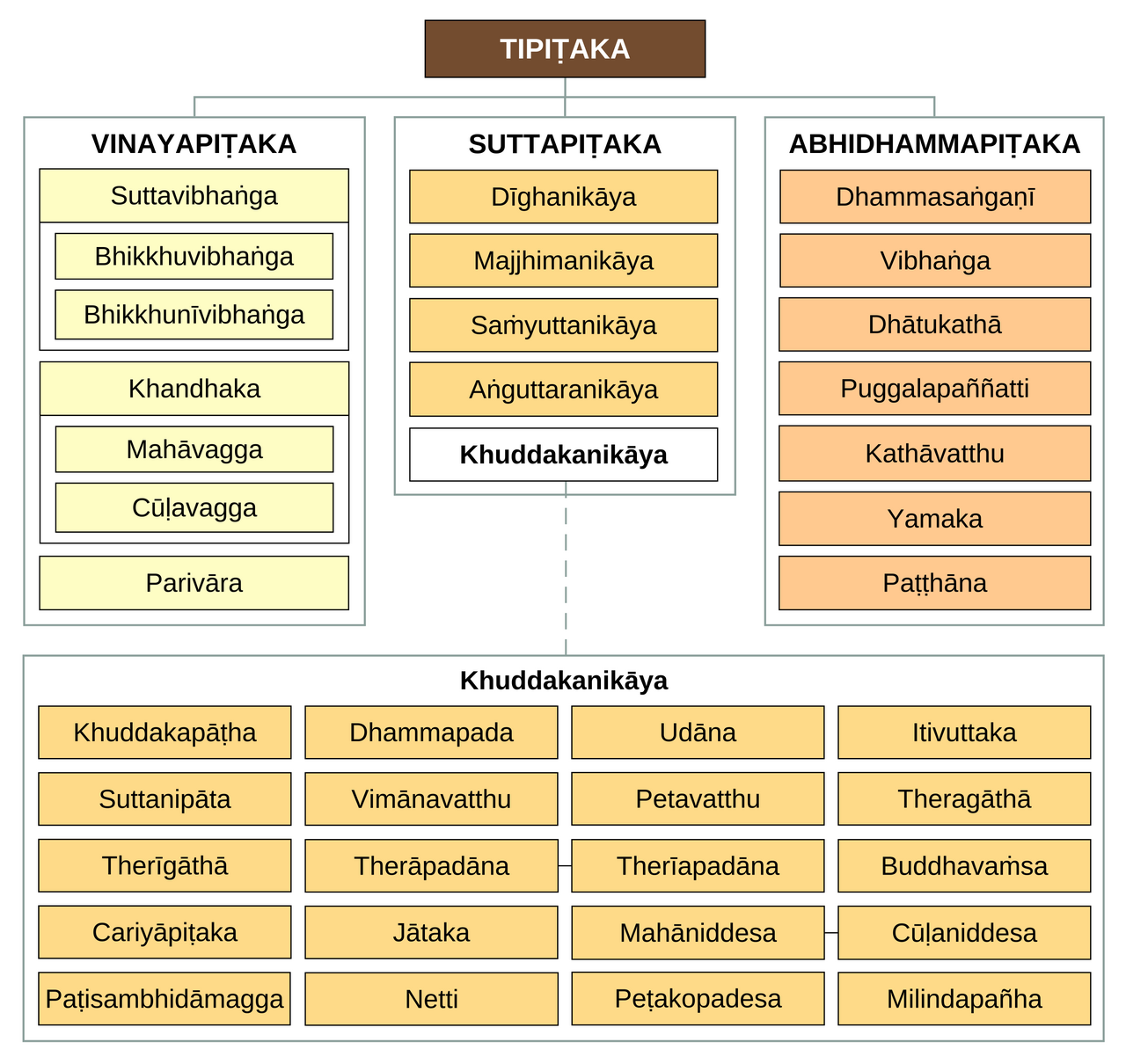
Pali Canon (Tipitaka)
Early Buddhist sangha · oral from 5th century BCE; written c. 29 BCE
 Document
Secondary source
Life of the Buddha
19th century
Ready when you are
Start chatting with Buddha now.
20 messages free · No credit card · Available in 50+ languages.