


Secondary sourceSculpturec. 500–700 CE
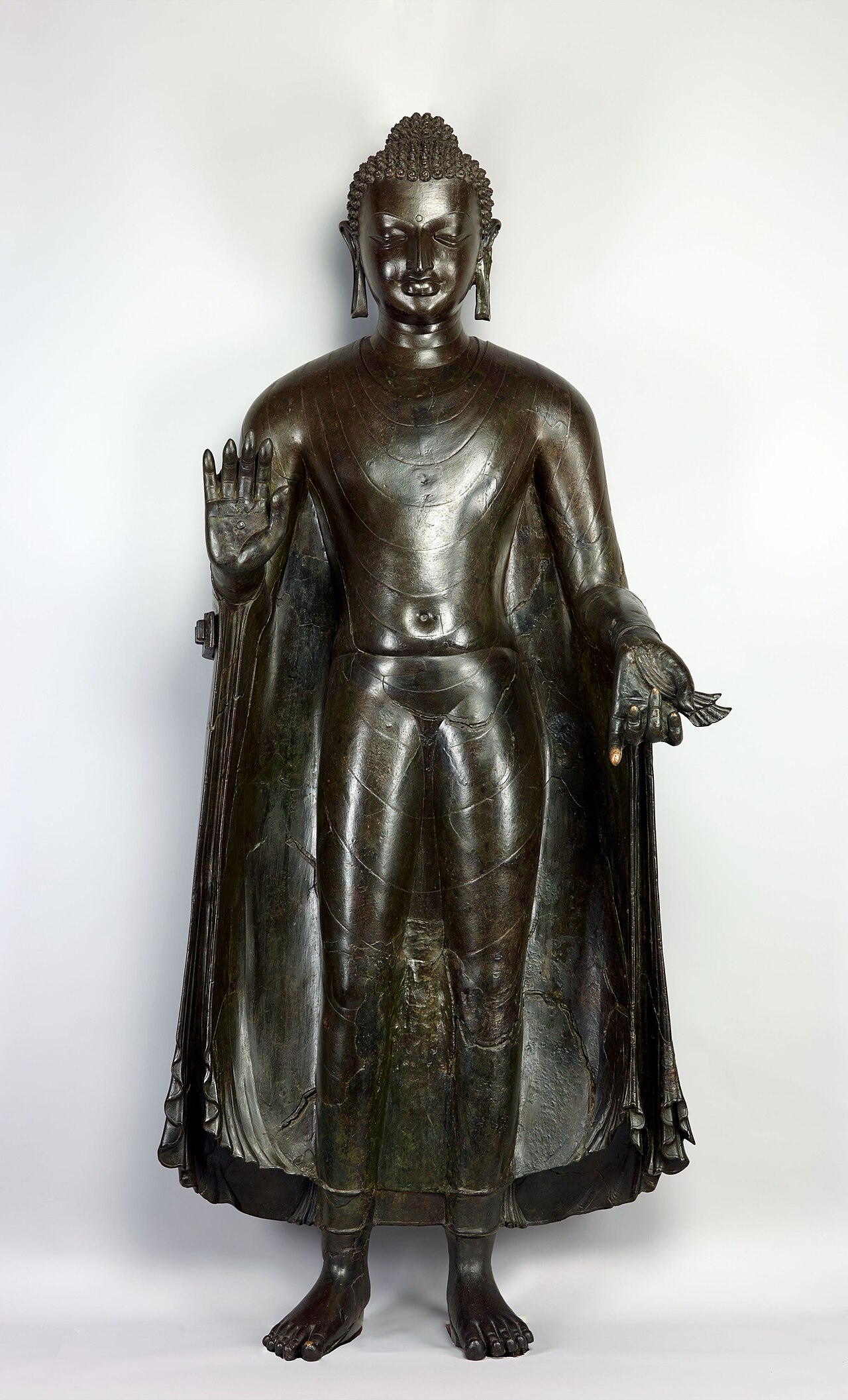
Sultanganj Buddha
c. 500–700 CE
A rare and massive copper statue of the standing Buddha from Gupta-era India, now in Birmingham.
A rare large metal statue showing the mature Indian image of the standing Buddha.
About this source
What it is
The Sultanganj Buddha is a large copper statue of the standing Buddha, dated to around 500–700 CE, made by the lost-wax casting technique. Found in Sultanganj, India, in 1861 during railway construction, it is now held at the Birmingham Museum and Art Gallery.
Why it matters
It is the largest substantially complete metal Buddha figure surviving from this transitional Gupta–Pala period, when most such large figures were made of stone or stucco rather than metal. The statue shows the mature Indian image of the Buddha—its raised hand gesture and flowing robe reflect how artists of the time expressed calm and reassurance. Its discovery and move to England also connects it to the history of colonial-era archaeology.
Look closer
- What can the statue's hand gestures tell you about the ideas the sculptor wanted to convey?
- Why do you think this object ended up in a museum in England rather than staying in India?
- What does the statue's size and material tell you about the skill and resources needed to make it?
This sculpture is part of the curated material that grounds the AI version of Buddha on Humy.ai — when students ask about related events, the AI can quote it and cite it.
More Buddha sources
Meet the AI Buddha →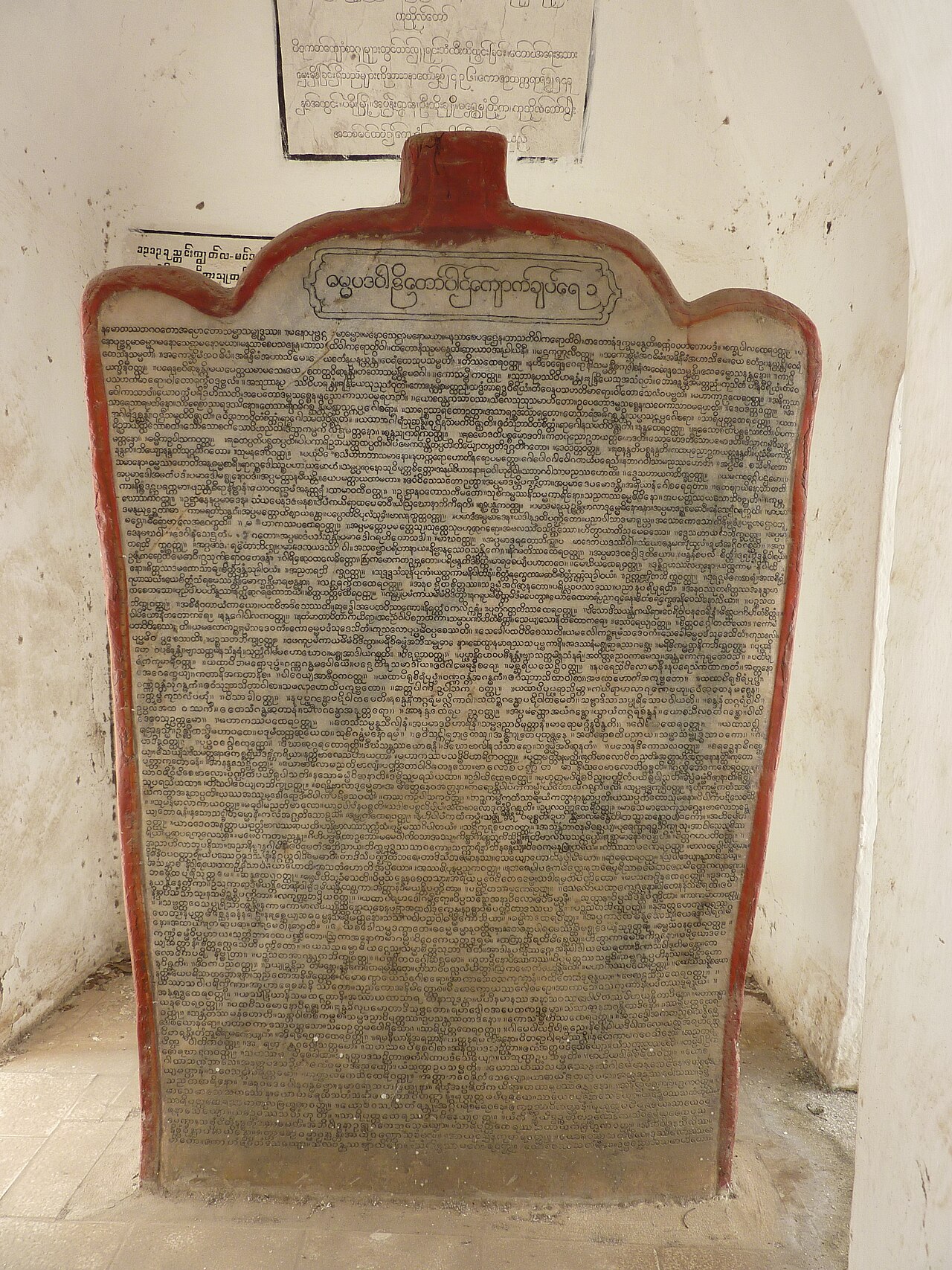 Book
Secondary source
Dhammapada
Attributed to the Buddha · c. 3rd century BCE compilation
 Painting
Secondary source
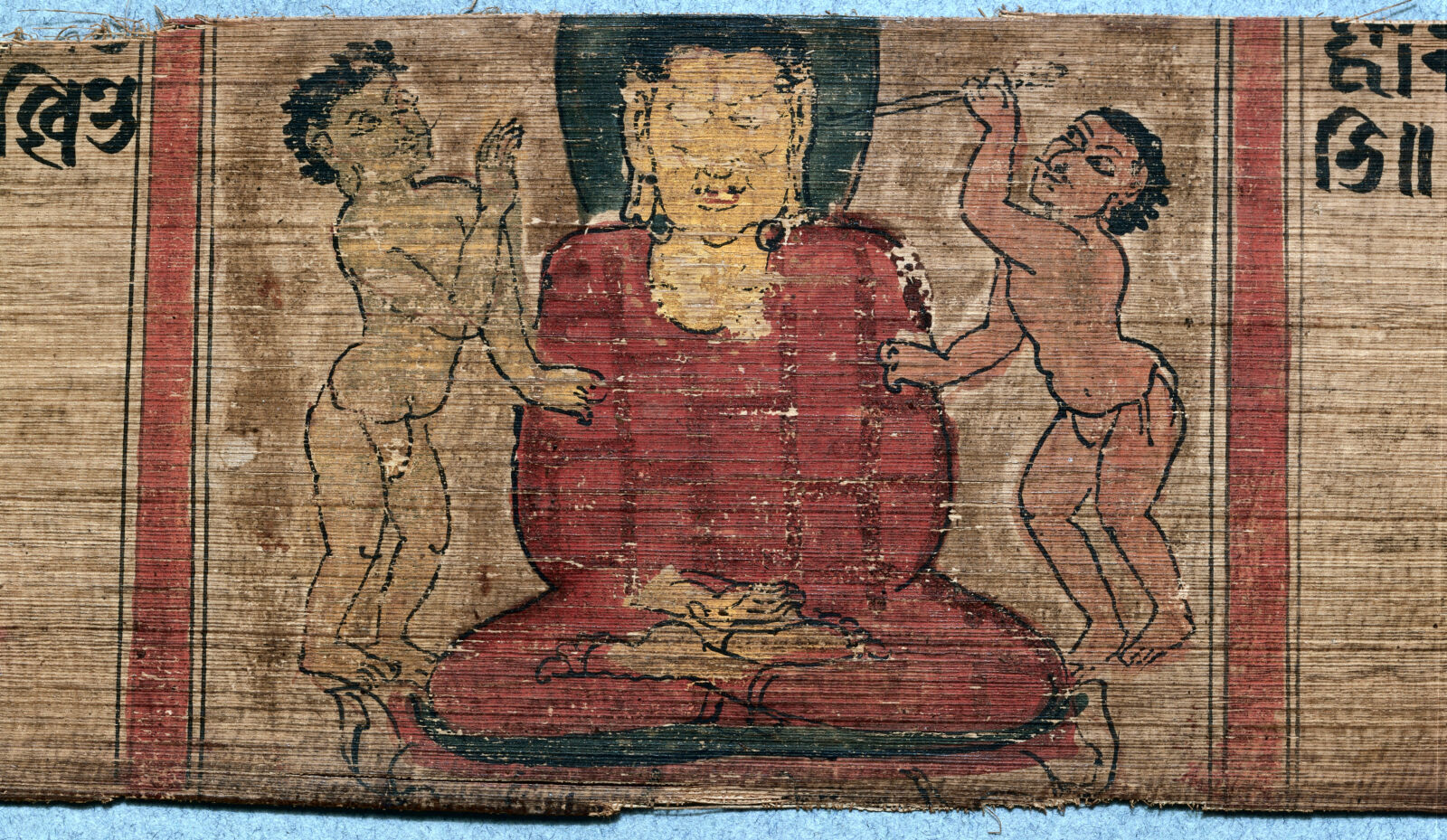
Buddha in Dhyana, Perfection of Wisdom Sutra Manuscript
1074
 Sculpture
Secondary source
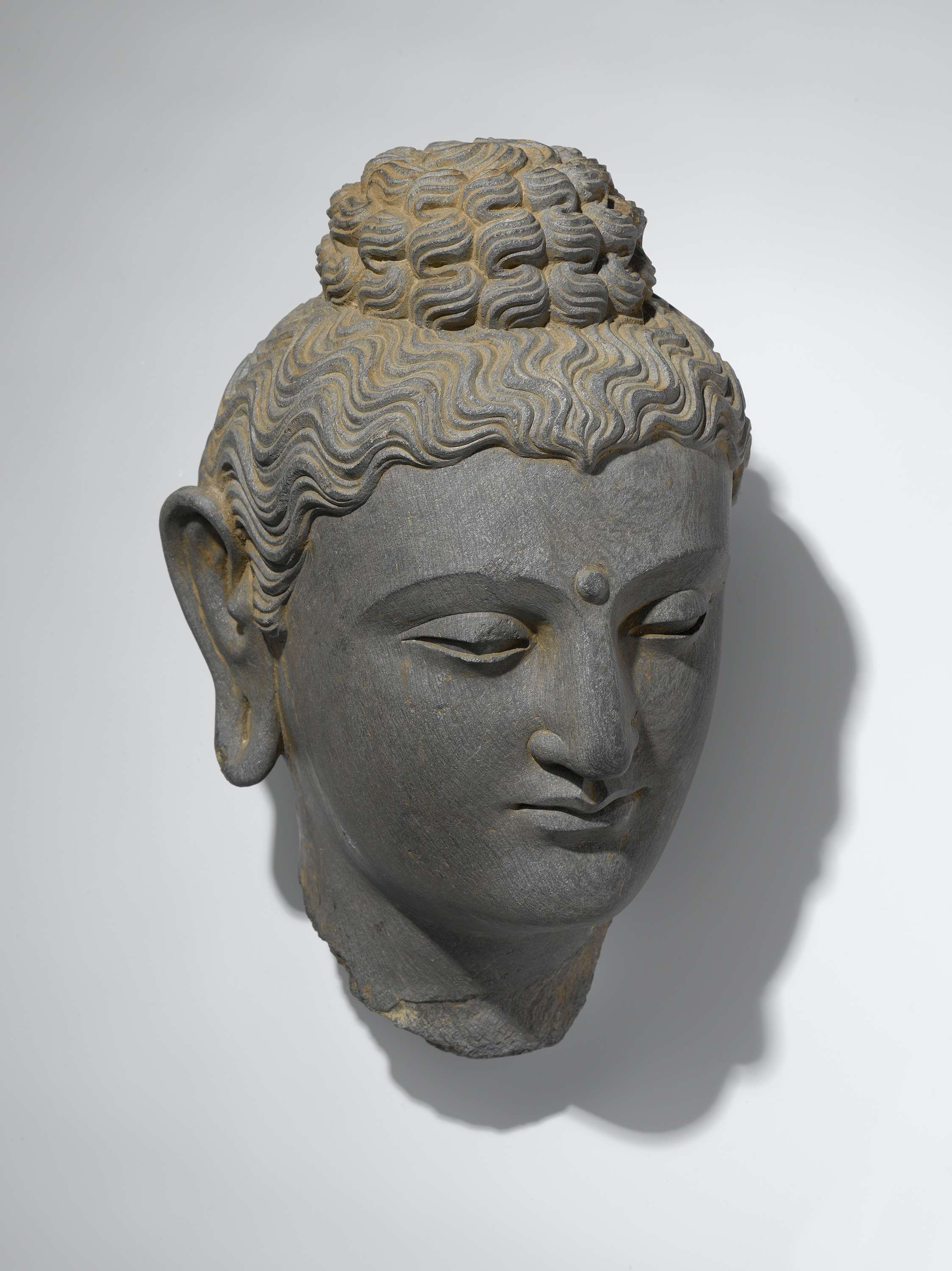
Head of the Buddha, Gandhara style
 Book
Secondary source
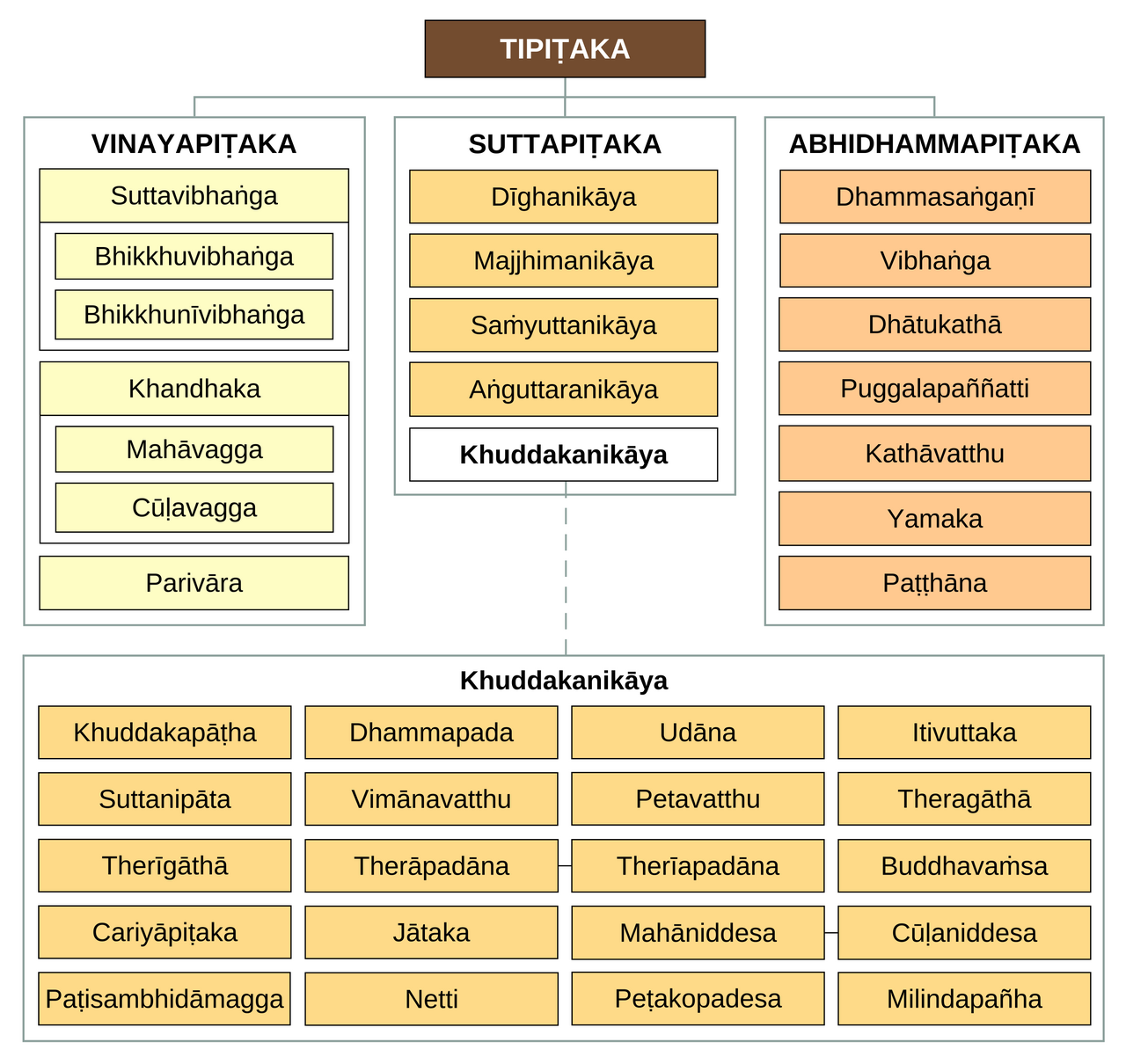
Pali Canon (Tipitaka)
Early Buddhist sangha · oral from 5th century BCE; written c. 29 BCE
 Document
Secondary source
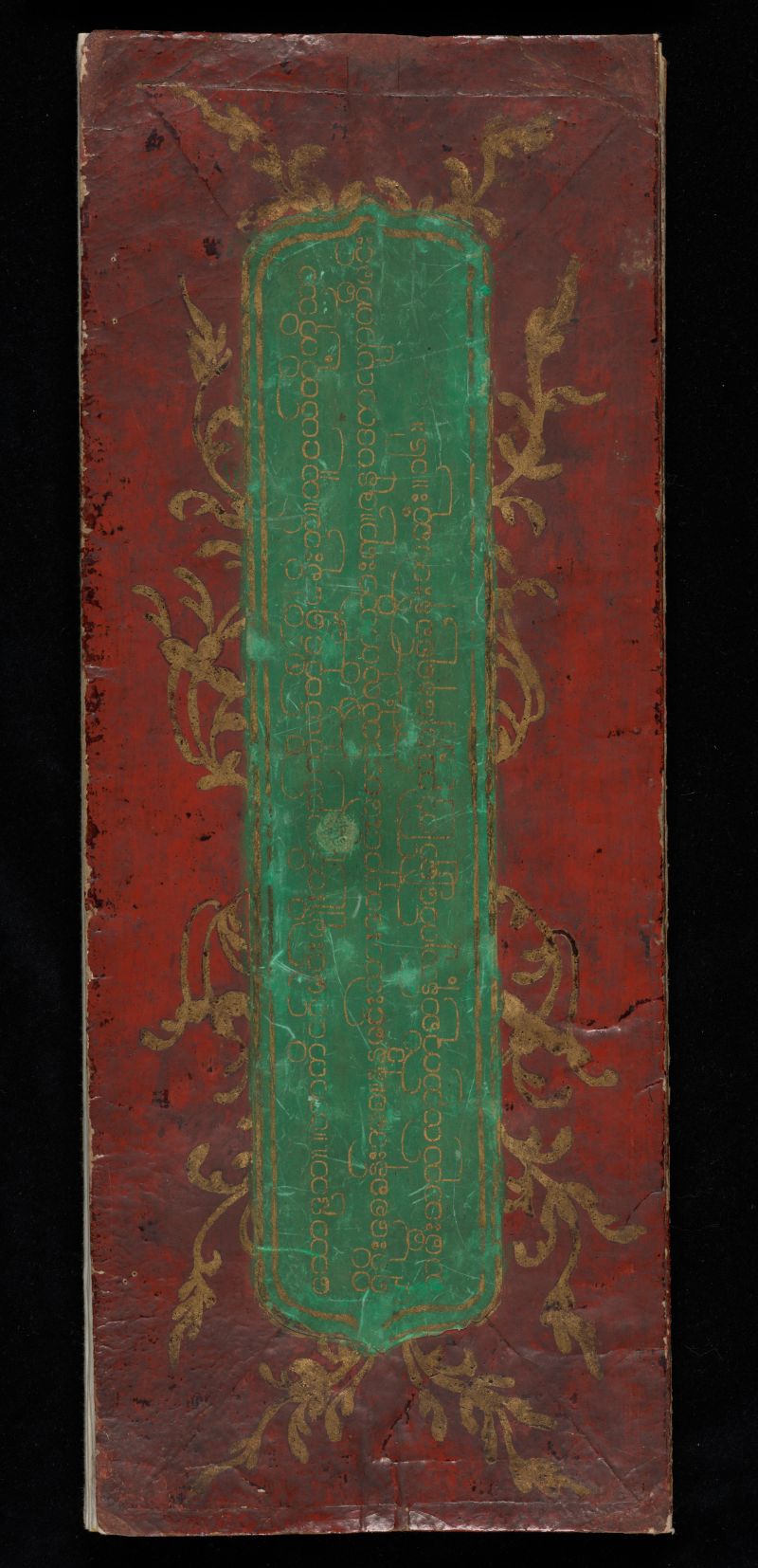
Life of the Buddha
19th century
Ready when you are
Start chatting with Buddha now.
20 messages free · No credit card · Available in 50+ languages.