


Secondary sourceArtifact100-300 CE
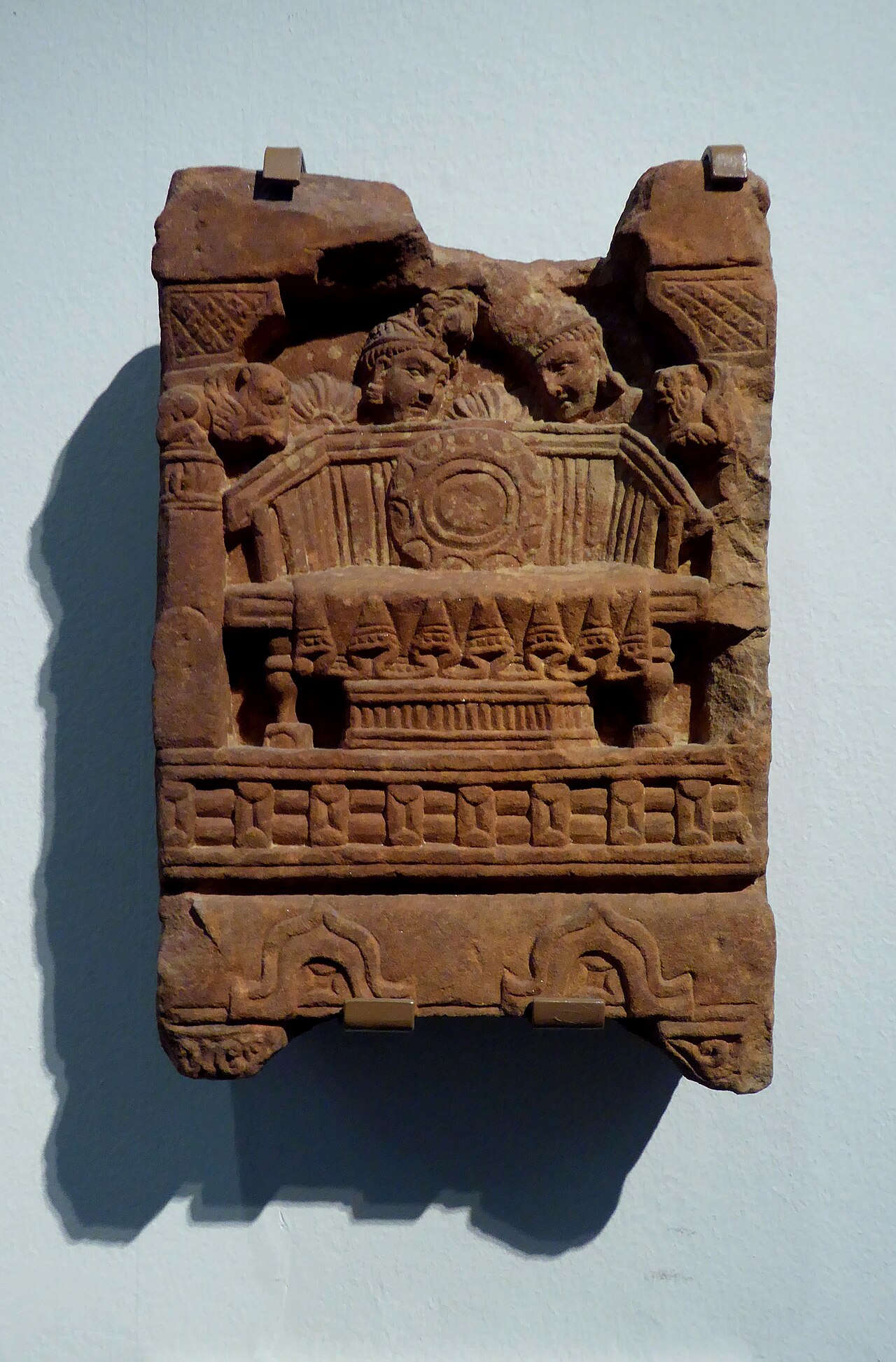
The Adoration of the Empty Throne
100-300 CE
A Kushan-era stone relief from Mathura showing devotees worshipping an empty throne that represents the Buddha's presence without depicting his body.
This relief shows the Buddha honoured symbolically through an empty throne rather than by his image.
About this source
What it is
This sandstone relief panel, dated to the Kushan dynasty (100 to 300 CE), comes from Mathura in India. It is now held at the Victoria and Albert Museum in London.
It shows an empty throne or pedestal decorated with a wheel-like disc, flanked by standing figures, with rows of smaller kneeling worshippers below.
Why it matters
In early Buddhist art, the Buddha was often not shown in human form. Instead, symbols like an empty throne, footprints, or a wheel stood for his presence. This relief shows that tradition, called aniconism, and reveals how early followers chose to honour him without a direct image.
Look closer
- Why might early artists have avoided showing the Buddha's body directly?
- What do the kneeling figures suggest about how people worshipped?
- What does the wheel symbol usually represent in Buddhist teaching?
This artifact is part of the curated material that grounds the AI version of Buddha on Humy.ai — when students ask about related events, the AI can quote it and cite it.
More Buddha sources
Meet the AI Buddha →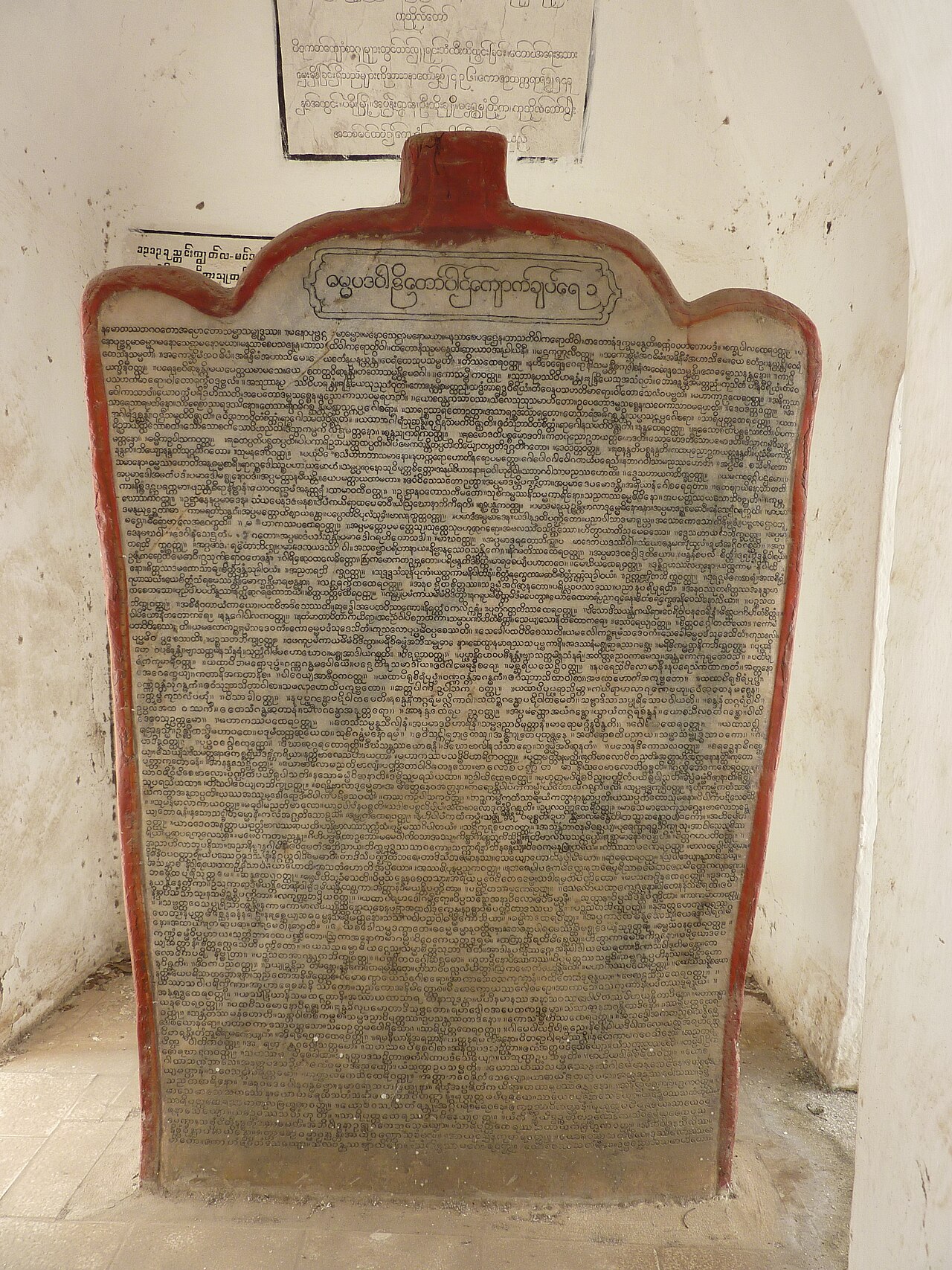 Book
Secondary source
Dhammapada
Attributed to the Buddha · c. 3rd century BCE compilation
 Painting
Secondary source
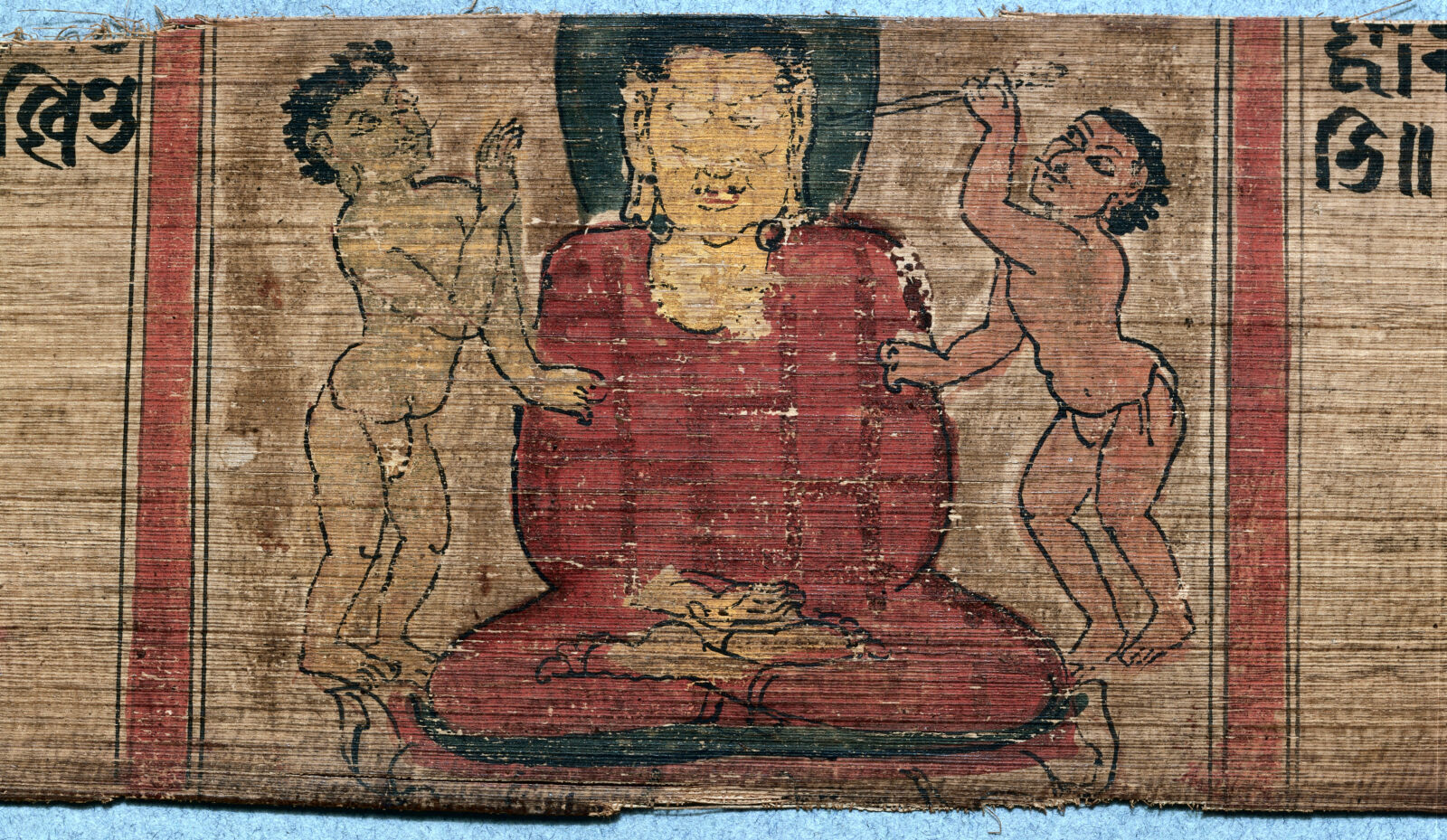
Buddha in Dhyana, Perfection of Wisdom Sutra Manuscript
1074
 Sculpture
Secondary source
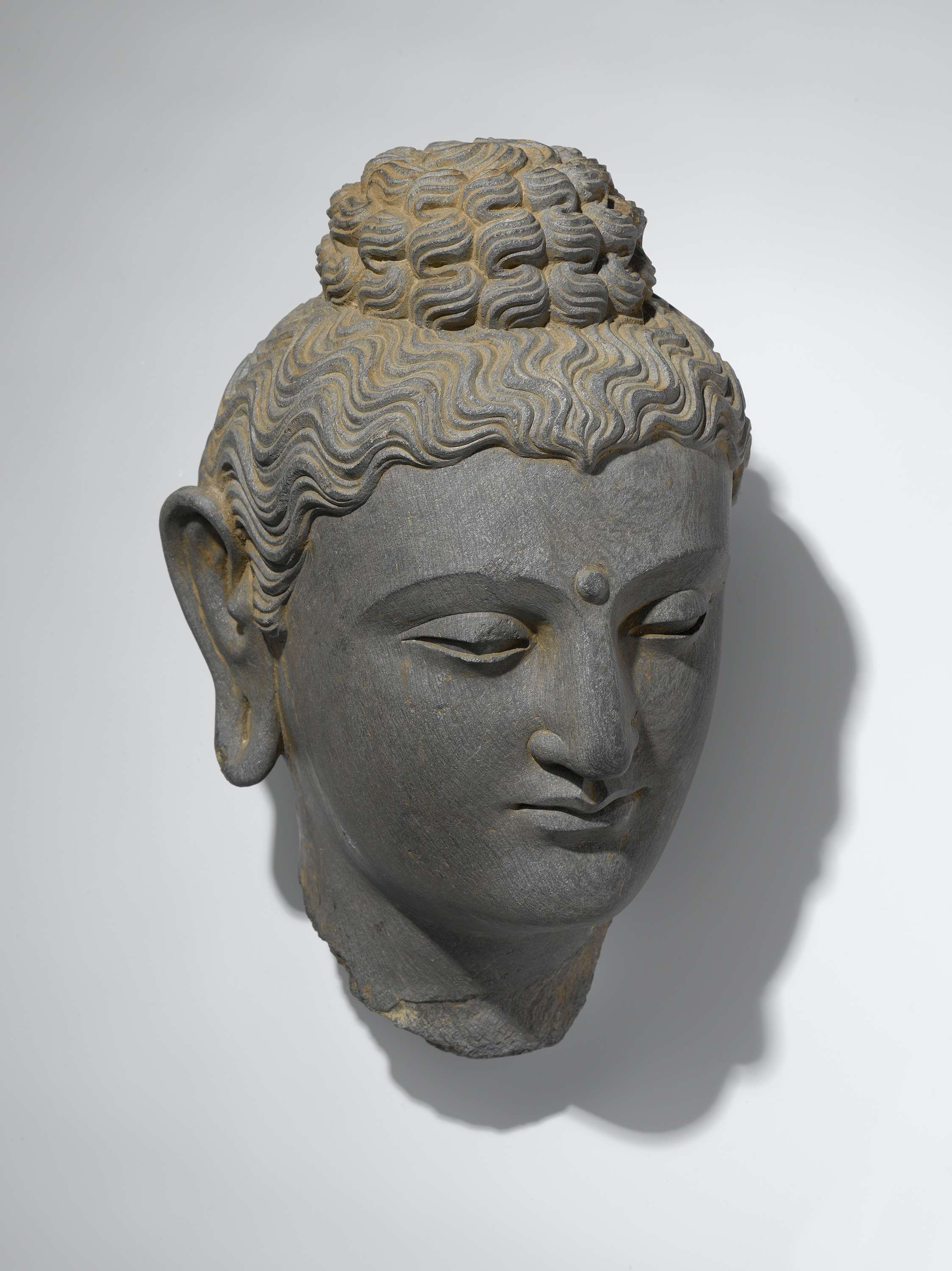
Head of the Buddha, Gandhara style
 Book
Secondary source
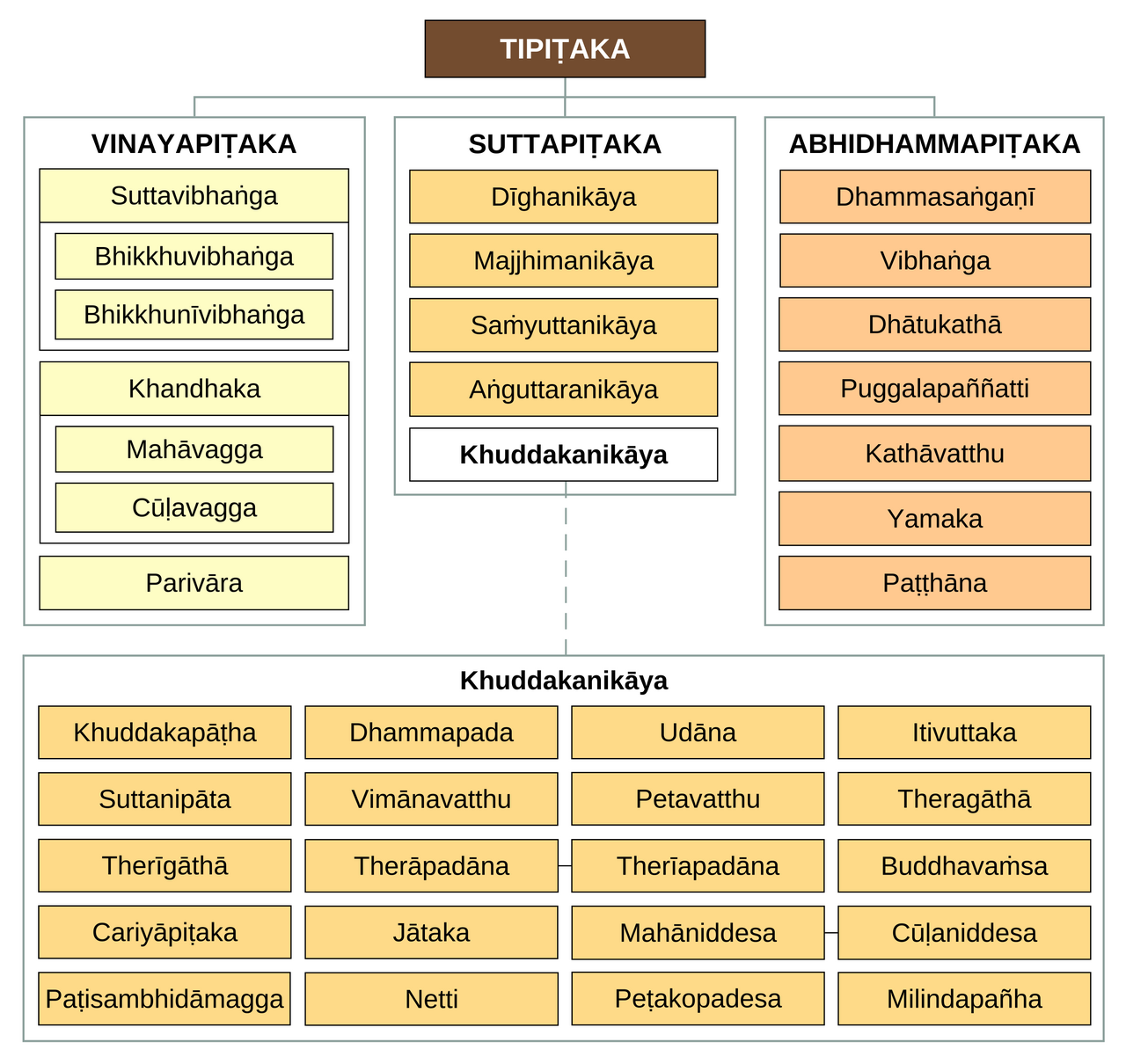
Pali Canon (Tipitaka)
Early Buddhist sangha · oral from 5th century BCE; written c. 29 BCE
 Document
Secondary source
Life of the Buddha
19th century
Ready when you are
Start chatting with Buddha now.
20 messages free · No credit card · Available in 50+ languages.