


Primary sourceSculpture7th century BC
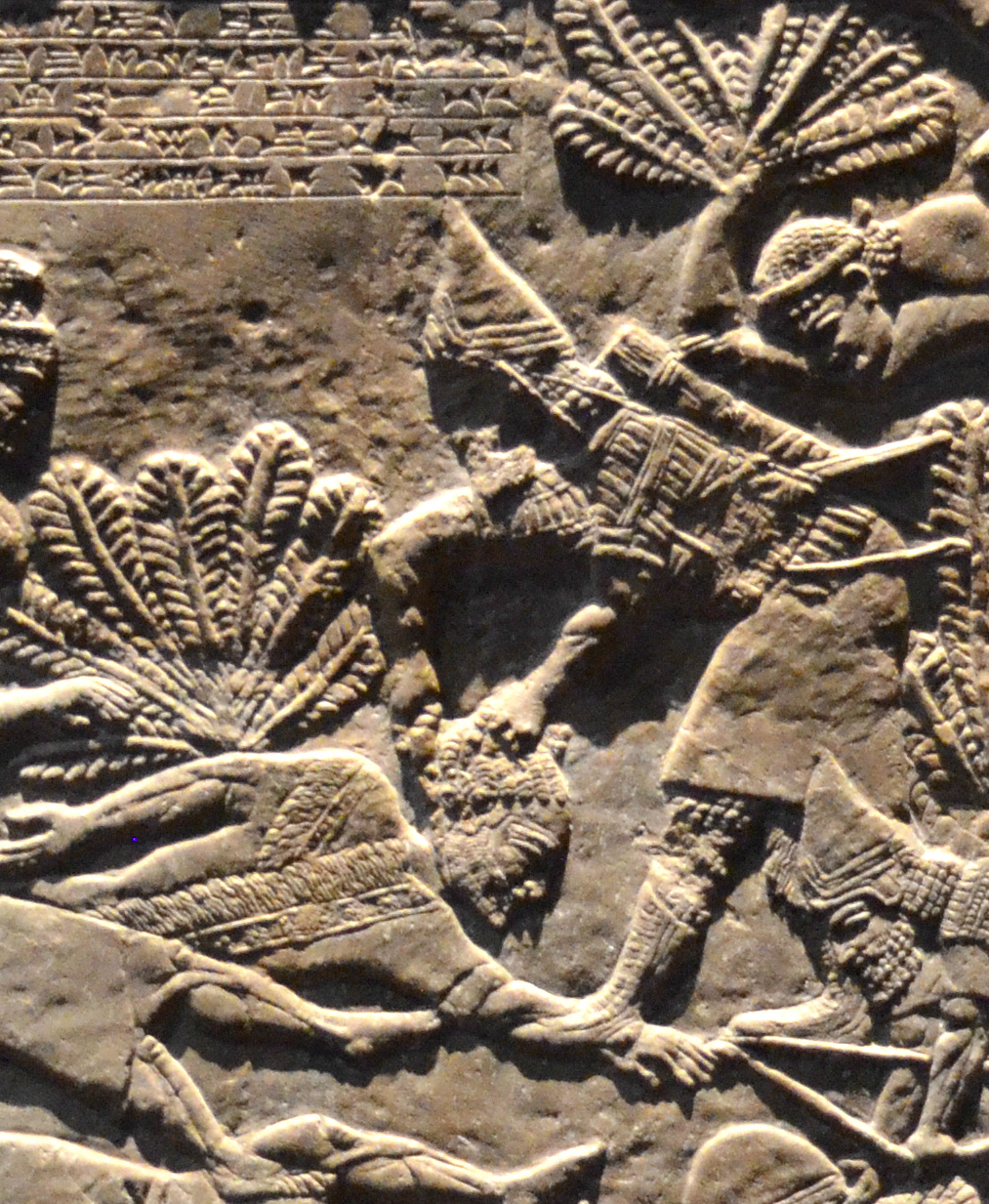
The Beheading of King Teumman of Elam
7th century BC
A palace relief from Ashurbanipal's palace depicting the beheading of King Teumman of Elam, commemorating one of Ashurbanipal's major military victories.
Commemorates Ashurbanipal's victory over Elam and the death of its king Teumman.
About this source
What it is
This is a detail of a stone palace relief from Ashurbanipal's palace, carved with cuneiform inscription bands and a battle scene showing the beheading of King Teumman of Elam. The relief dates from the Assyrian period of Ashurbanipal's reign in the 7th century BC.
Why it matters
The defeat of Elam and the death of its king Teumman was one of Ashurbanipal's most celebrated military triumphs, and Assyrian palace art often depicted such victories in brutal detail to glorify the king and warn rivals. This relief shows how violence was used as propaganda, carved permanently into the walls of the royal palace.
Look closer
- What details can you make out in this damaged, close-up view of the relief?
- Why would a king want such a graphic scene displayed in his palace?
- What might this scene leave out about the people and events involved?
This sculpture is part of the curated material that grounds the AI version of Ashurbanipal on Humy.ai — when students ask about related events, the AI can quote it and cite it.
More Ashurbanipal sources
Meet the AI Ashurbanipal →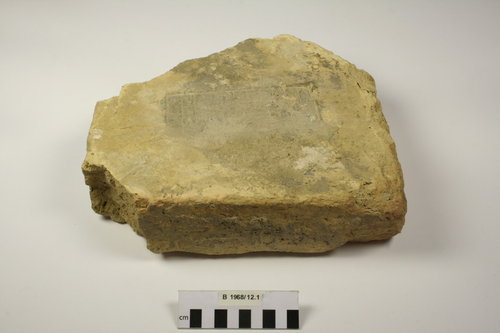 Artifact
Primary source
Baked Brick Naming King Ashurbanipal
7th century BCE
 Sculpture
Primary source
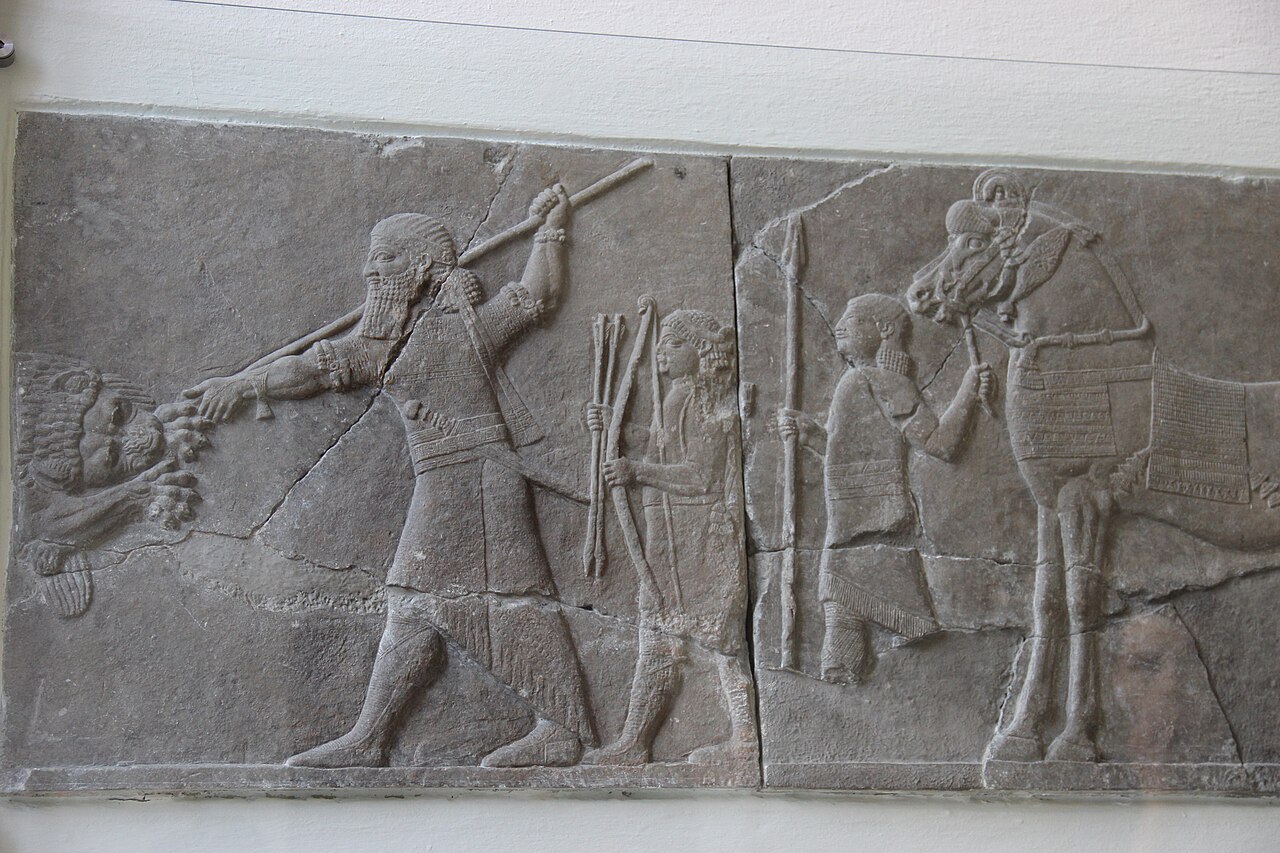
Lion Hunt of Ashurbanipal
Assyrian royal sculptors · c. 645–635 BCE
 Document
Primary source
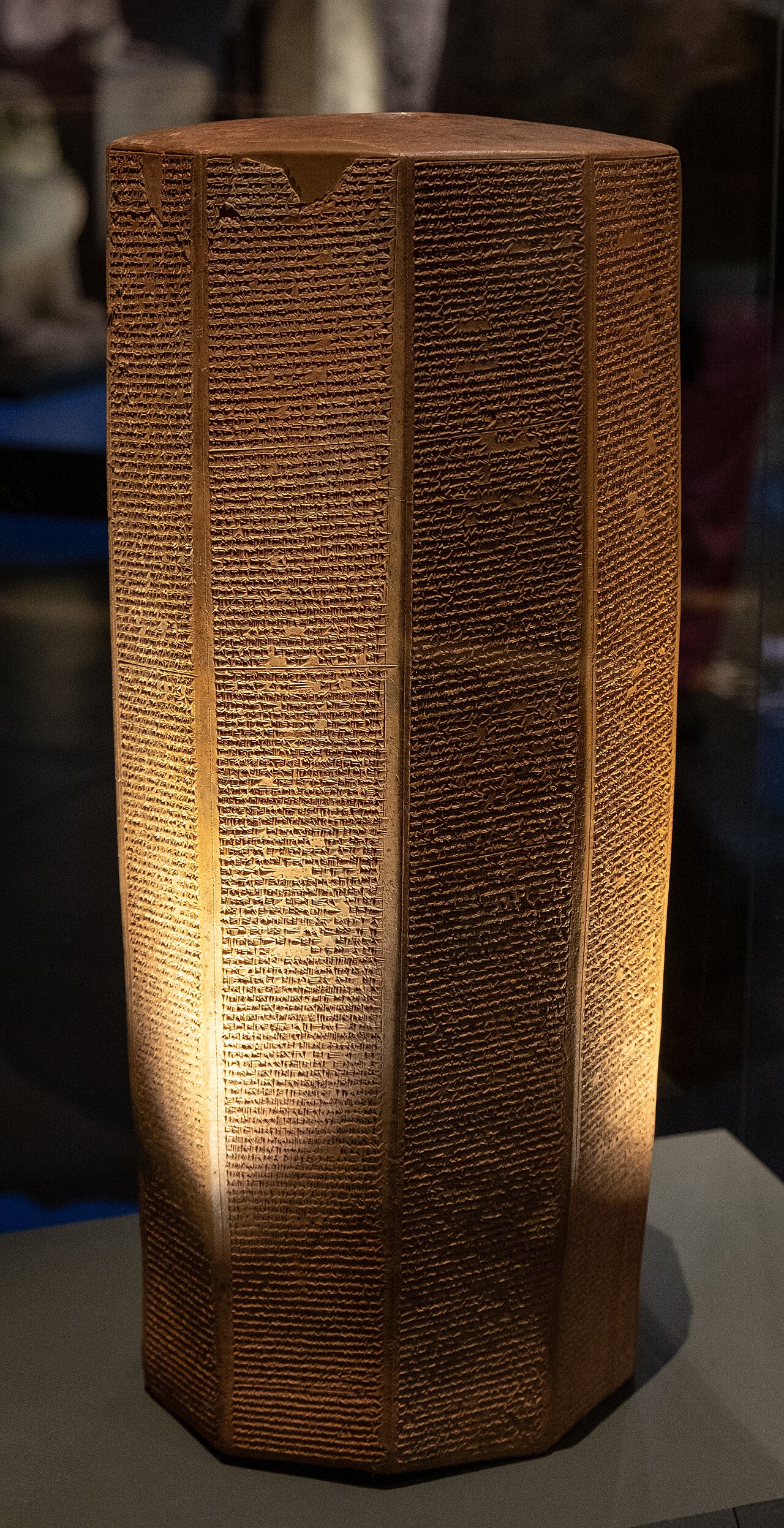
Rassam Prism of Ashurbanipal
643 BCE
 Painting
Secondary source
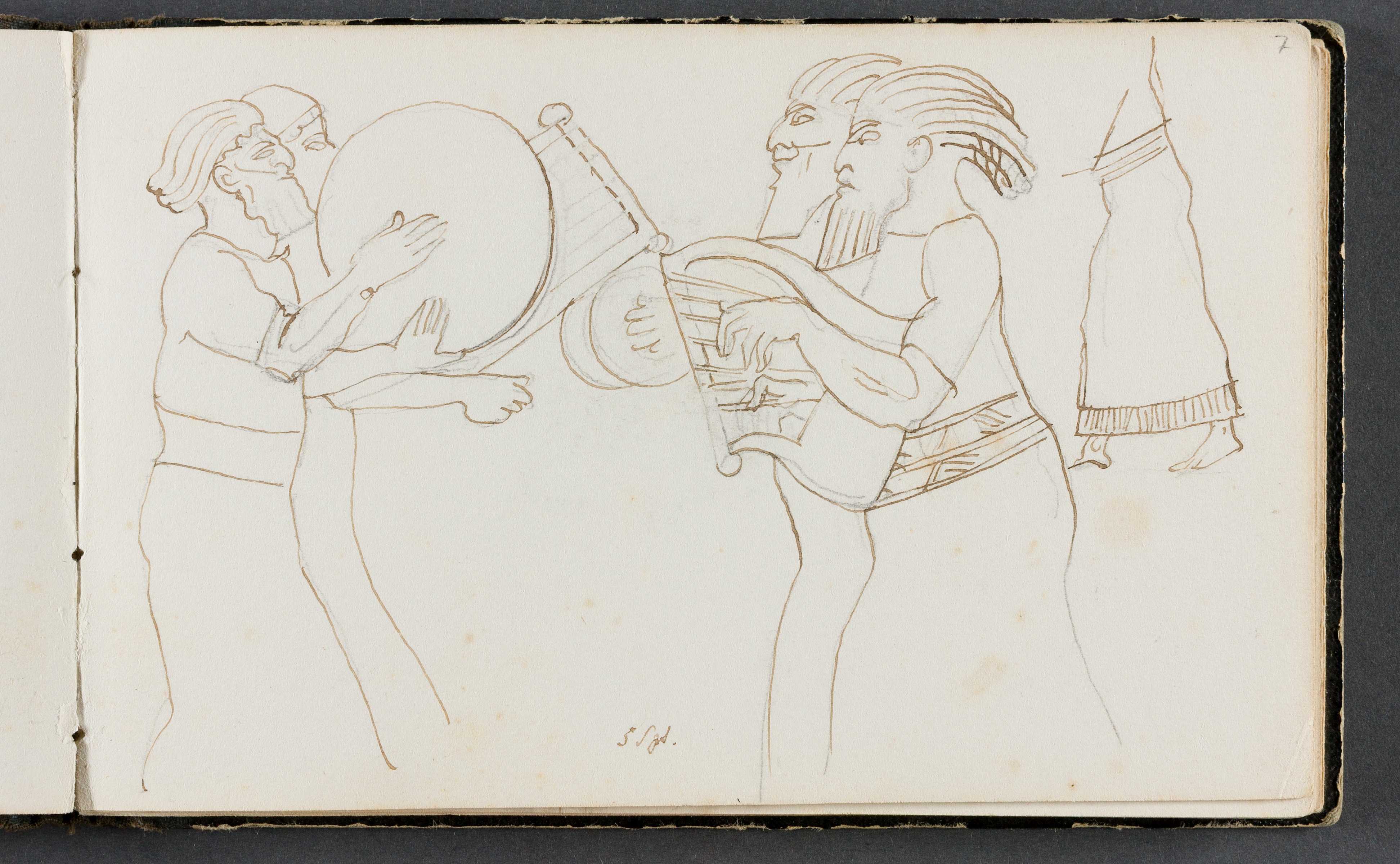
Relief with Musicians from the Palace of Ashurbanipal in Nineveh
 Document
Primary source
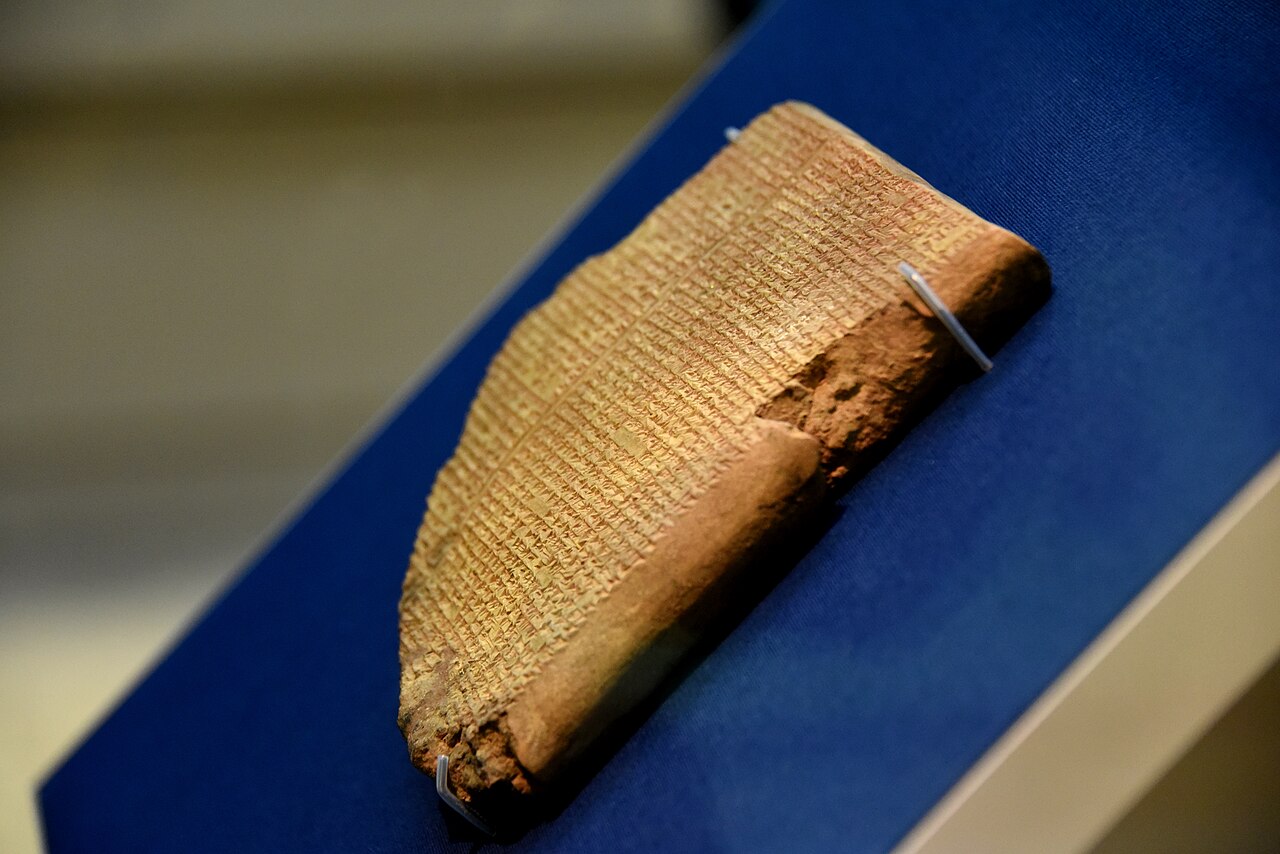
Flood Tablet
Scribes of Ashurbanipal's library · 7th century BCE
Ready when you are
Start chatting with Ashurbanipal now.
20 messages free · No credit card · Available in 50+ languages.