


Secondary sourcePainting1827
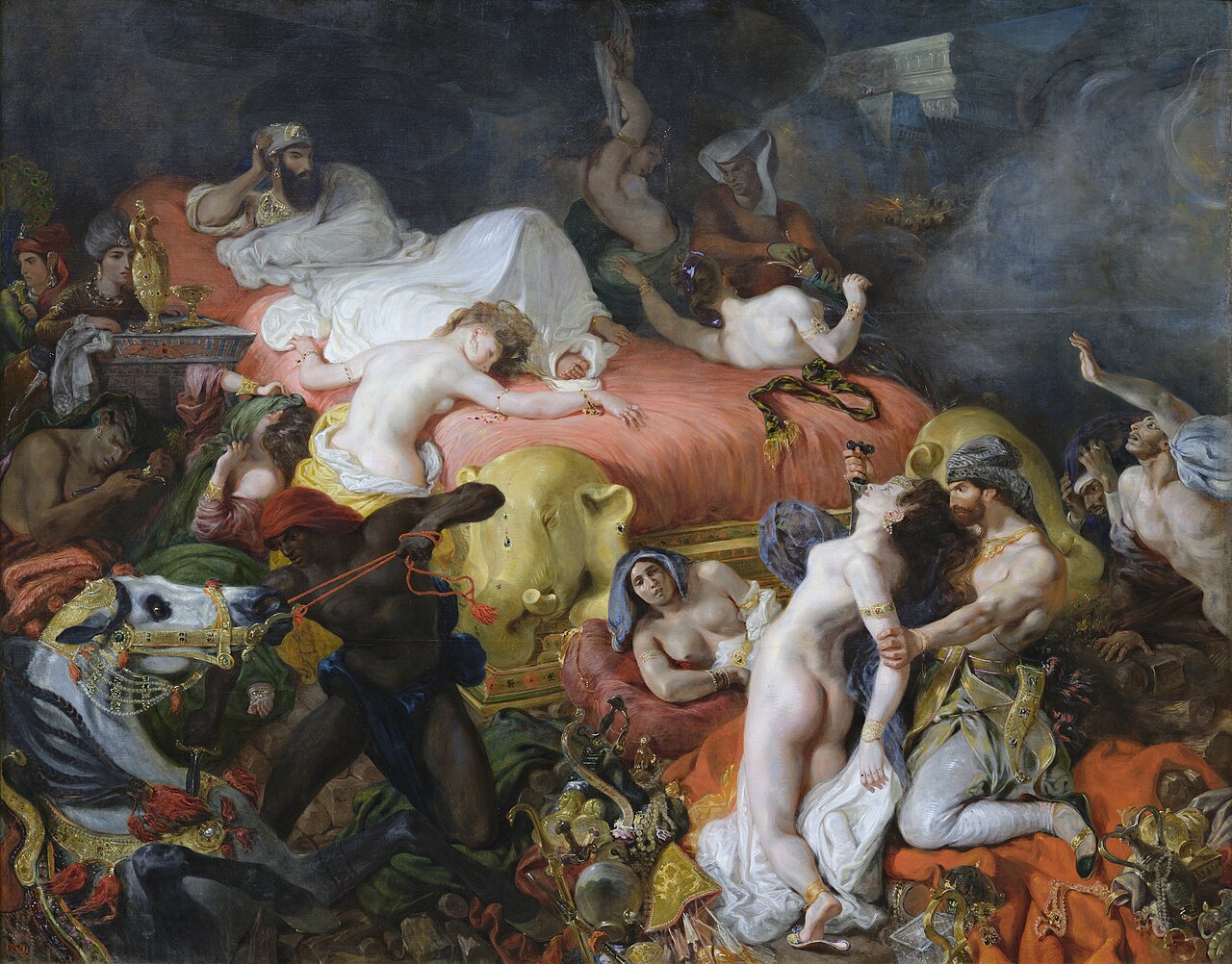
The Death of Sardanapalus
Eugène Delacroix · 1827
Delacroix's 1827 Romantic painting of the legendary king 'Sardanapalus,' the distorted Greco-Roman memory of Ashurbanipal before his own inscriptions were deciphered.
This painting depicts 'Sardanapalus,' the distorted legendary figure through which Ashurbanipal was remembered before his texts were deciphered.
About this source
What it is
This is an oil painting on canvas by the French Romantic artist Eugène Delacroix, completed in 1827 and now in the Louvre, Paris. A smaller replica from 1844 is in the Philadelphia Museum of Art. It depicts the death of Sardanapalus, a legendary Assyrian king from the account of the Greek historian Diodorus Siculus, and was inspired by Lord Byron's play of the same name.
The painting shows a king reclining on a red draped bed while men kill women and animals around him in a scene of violent chaos, surrounded by gold and luxury objects.
Why it matters
Before Assyrian cuneiform texts were deciphered, Europeans knew Ashurbanipal mainly through this garbled Greek legend of 'Sardanapalus.' Delacroix's painting shows how the real historical king had been transformed into a dramatic, exoticised myth of excess and self-destruction, revealing more about 19th-century Romantic imagination than about the actual Assyrian ruler.
Look closer
- What does this painting show about how Europeans imagined the Near East at the time?
- How does this legendary image compare with what inscriptions and reliefs tell us about the real Ashurbanipal?
- Why might a dramatic, invented death scene have been more appealing to painters than historical fact?
This painting is part of the curated material that grounds the AI version of Ashurbanipal on Humy.ai — when students ask about related events, the AI can quote it and cite it.
More Ashurbanipal sources
Meet the AI Ashurbanipal →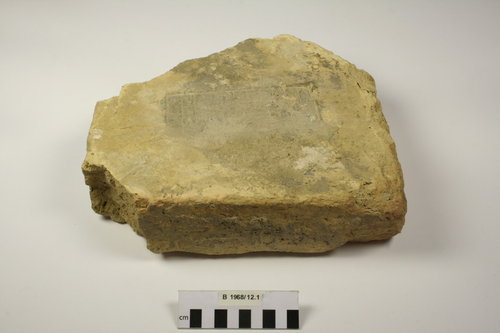 Artifact
Primary source
Baked Brick Naming King Ashurbanipal
7th century BCE
 Sculpture
Primary source
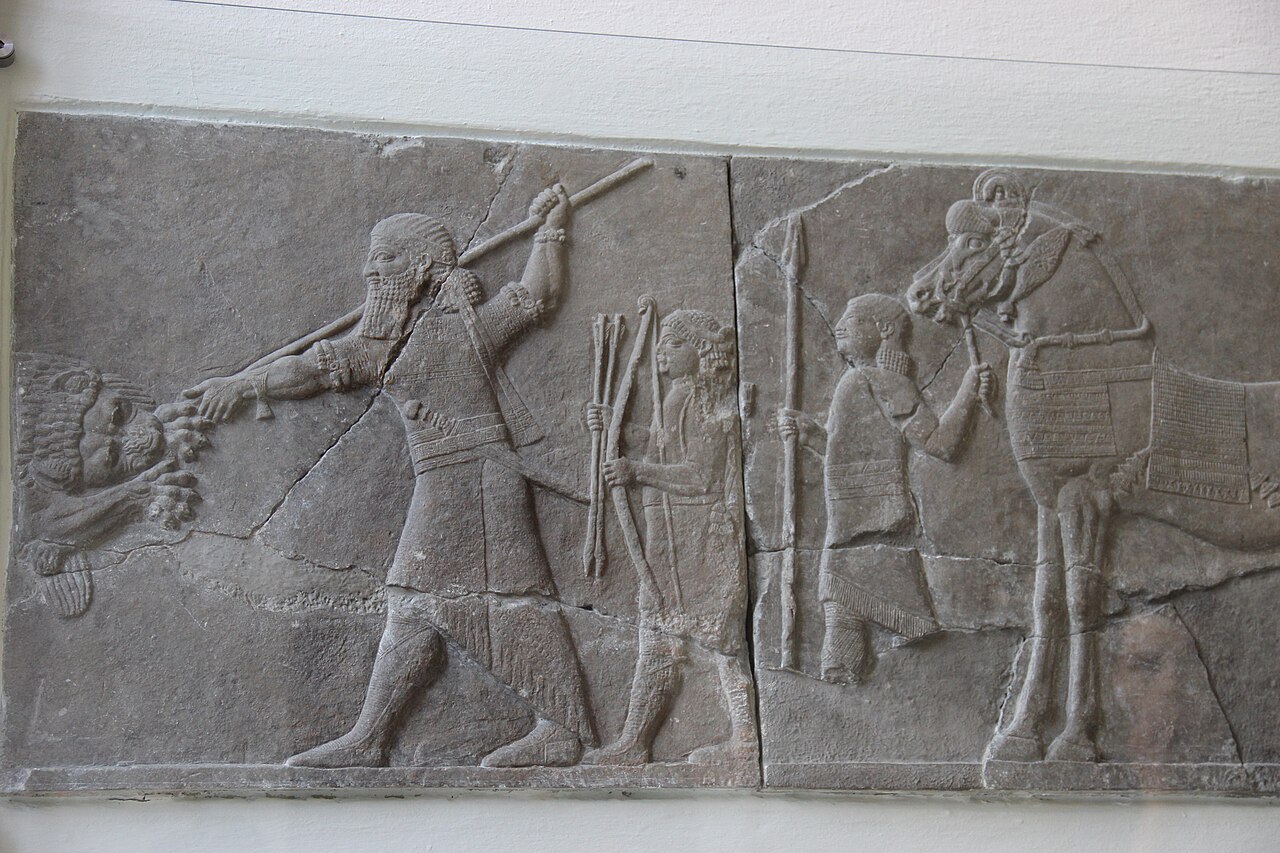
Lion Hunt of Ashurbanipal
Assyrian royal sculptors · c. 645–635 BCE
 Document
Primary source
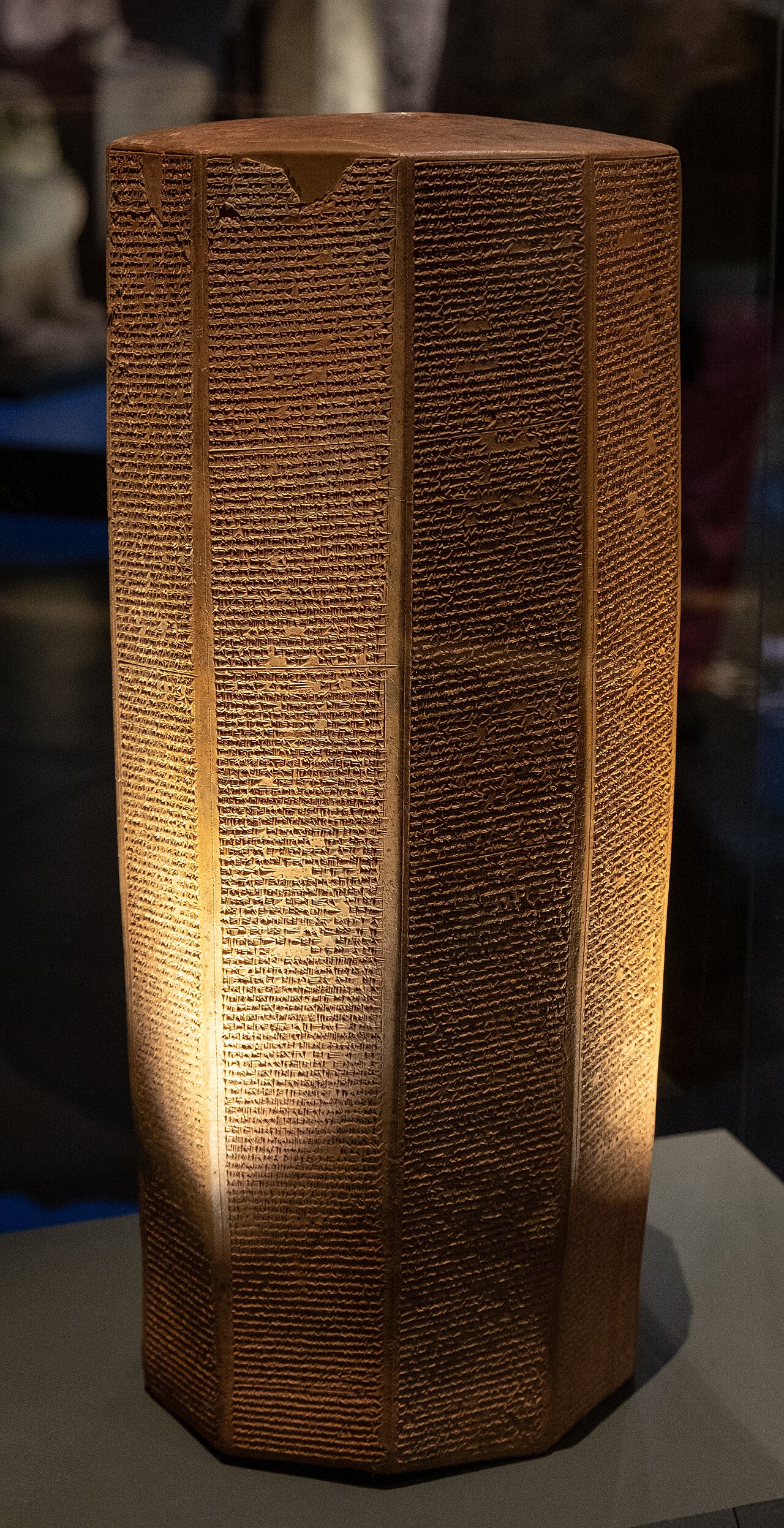
Rassam Prism of Ashurbanipal
643 BCE
 Painting
Secondary source
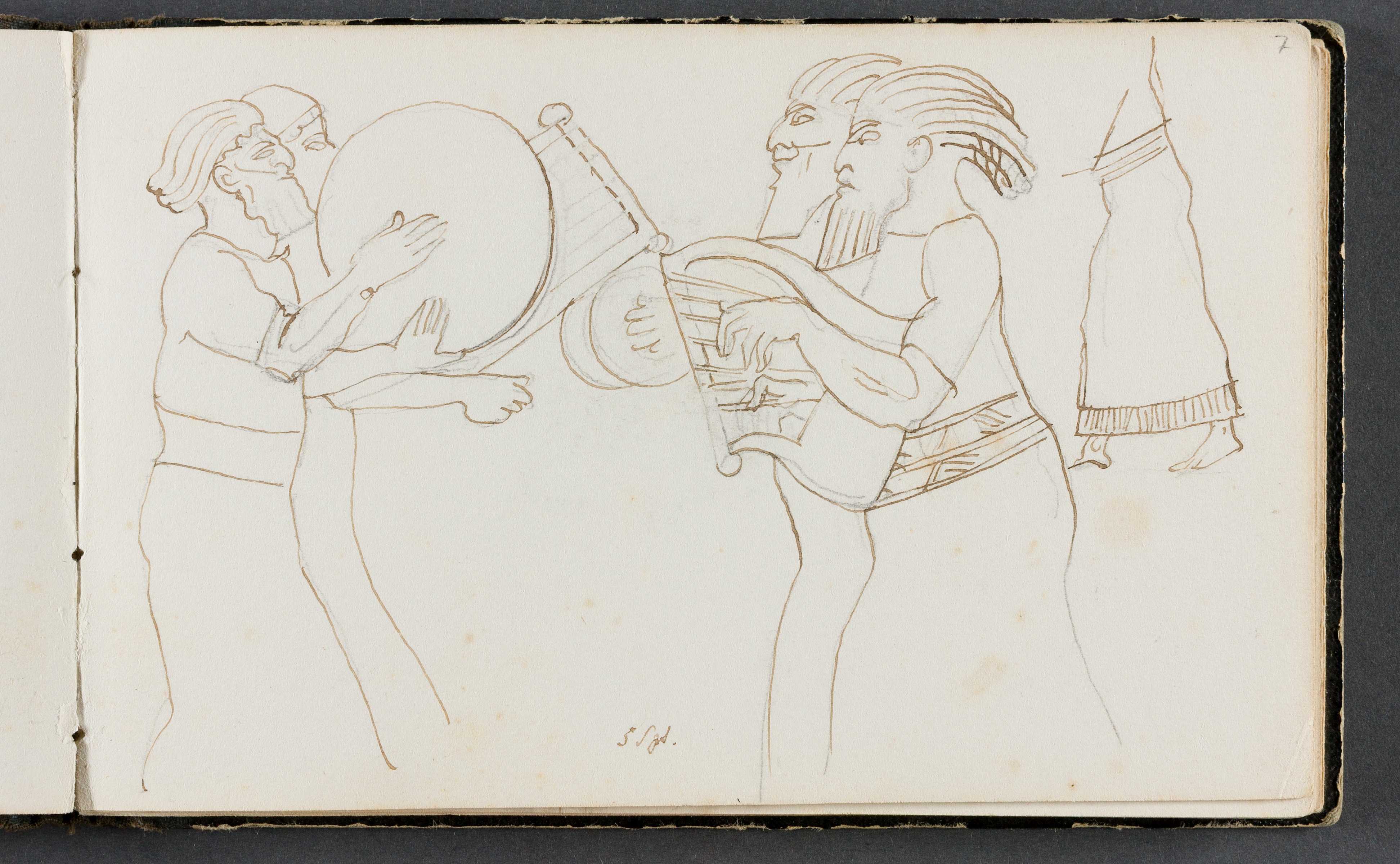
Relief with Musicians from the Palace of Ashurbanipal in Nineveh
 Document
Primary source
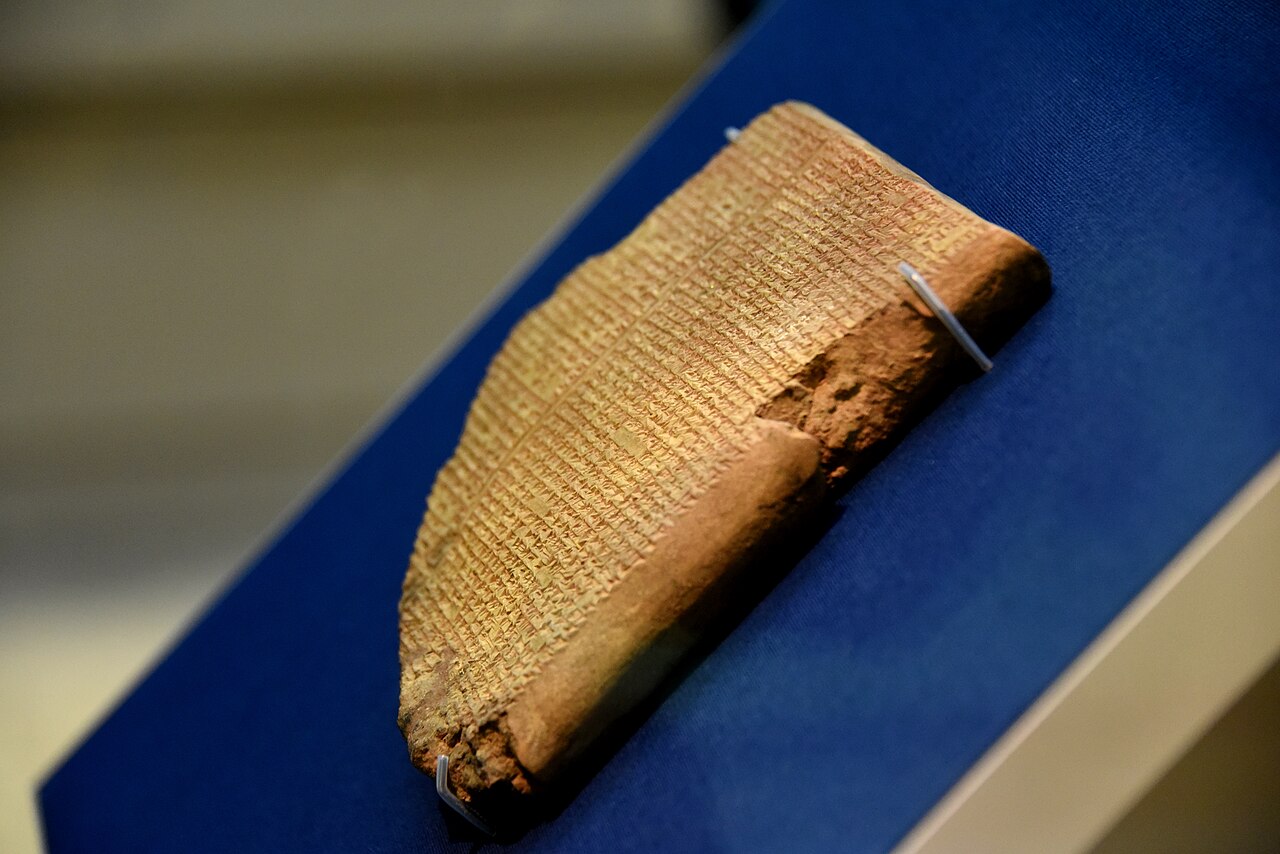
Flood Tablet
Scribes of Ashurbanipal's library · 7th century BCE
Ready when you are
Start chatting with Ashurbanipal now.
20 messages free · No credit card · Available in 50+ languages.