


Secondary sourcePainting17th century, c. 1650
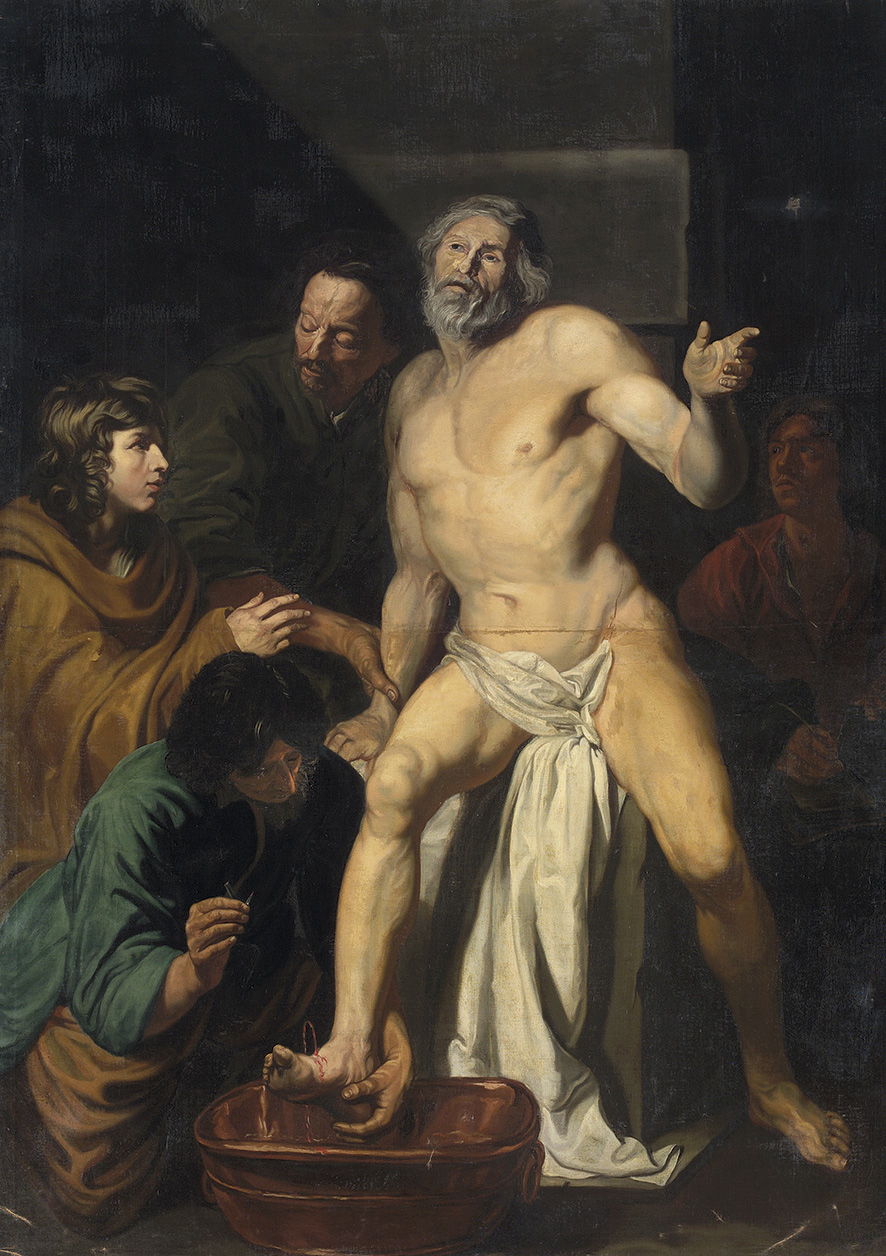
The Death of Seneca
Charles Wautier · 17th century, c. 1650
A seventeenth-century painting by Charles Wautier depicting the death of Seneca, held in Vienna's Kunsthistorisches Museum.
This painting imagines the death of Seneca, forced upon him under the emperor Nero, as a scene of Stoic dignity.
About this source
What it is
This oil painting, made in the seventeenth century by Charles Wautier, shows an elderly, muscular bearded man standing nearly nude, raising one arm, while a servant kneels at his feet cutting his ankle over a basin. Other figures watch from the shadows. It measures 234 by 171 centimetres and is held at the Kunsthistorisches Museum in Vienna.
Why it matters
The painting depicts the forced death of Seneca, the Roman Stoic philosopher and advisor to Nero. Scenes like this became popular subjects for painters because they let artists show a calm, dignified death as proof of Stoic philosophy in action. The painting tells us more about how later European artists imagined Roman virtue than about the actual historical event.
Look closer
- What does the man's pose and expression suggest the painter wanted viewers to feel about his death?
- Why might an artist, working centuries later, choose to paint this particular moment?
- What is left out of the painting that you might want to know about why this death happened?
This painting is part of the curated material that grounds the AI version of Seneca on Humy.ai — when students ask about related events, the AI can quote it and cite it.
More Seneca sources
Meet the AI Seneca →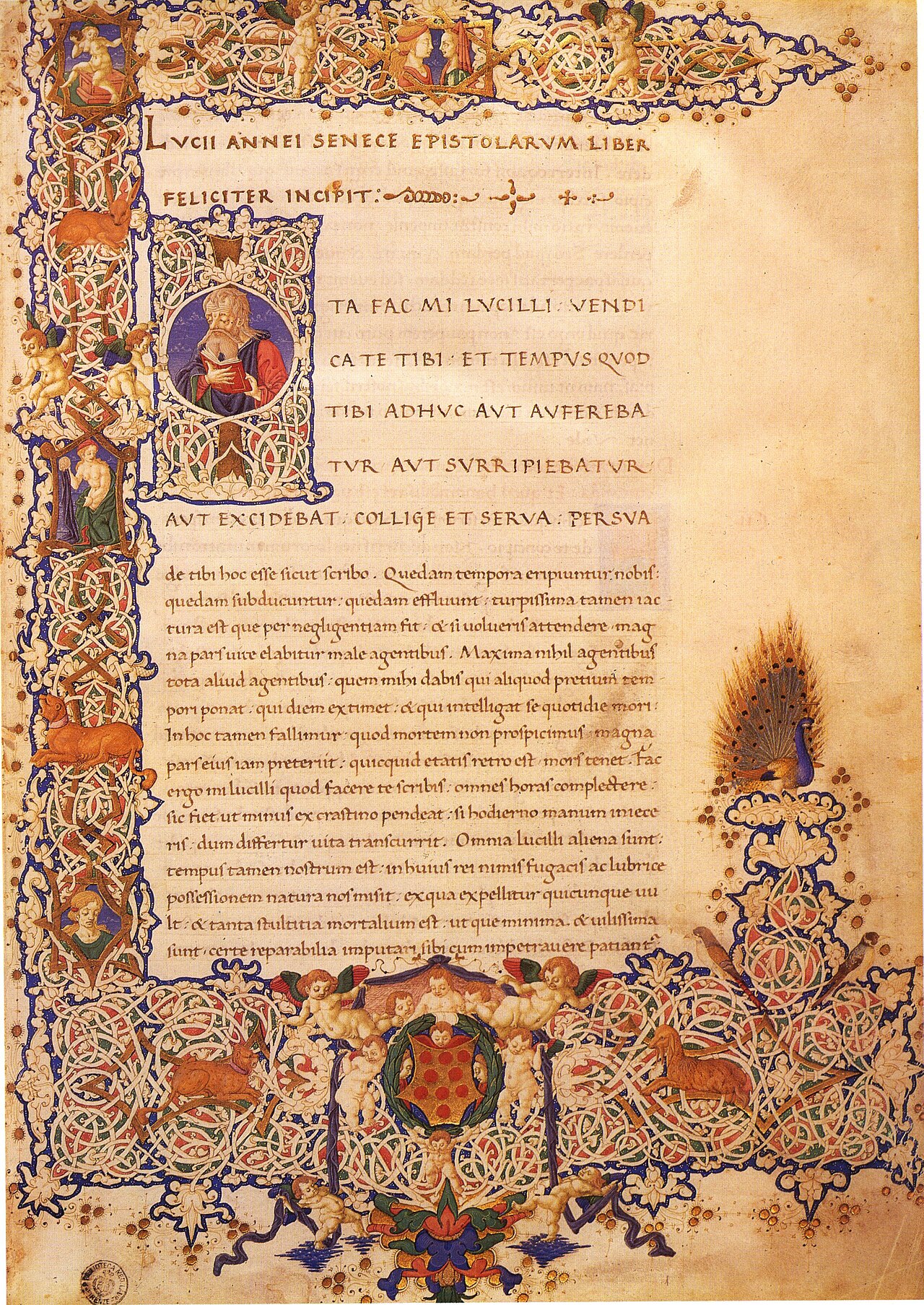 Letter
Primary source
Epistulae Morales ad Lucilium
Seneca · c. 62-65 CE
 Book
Primary source
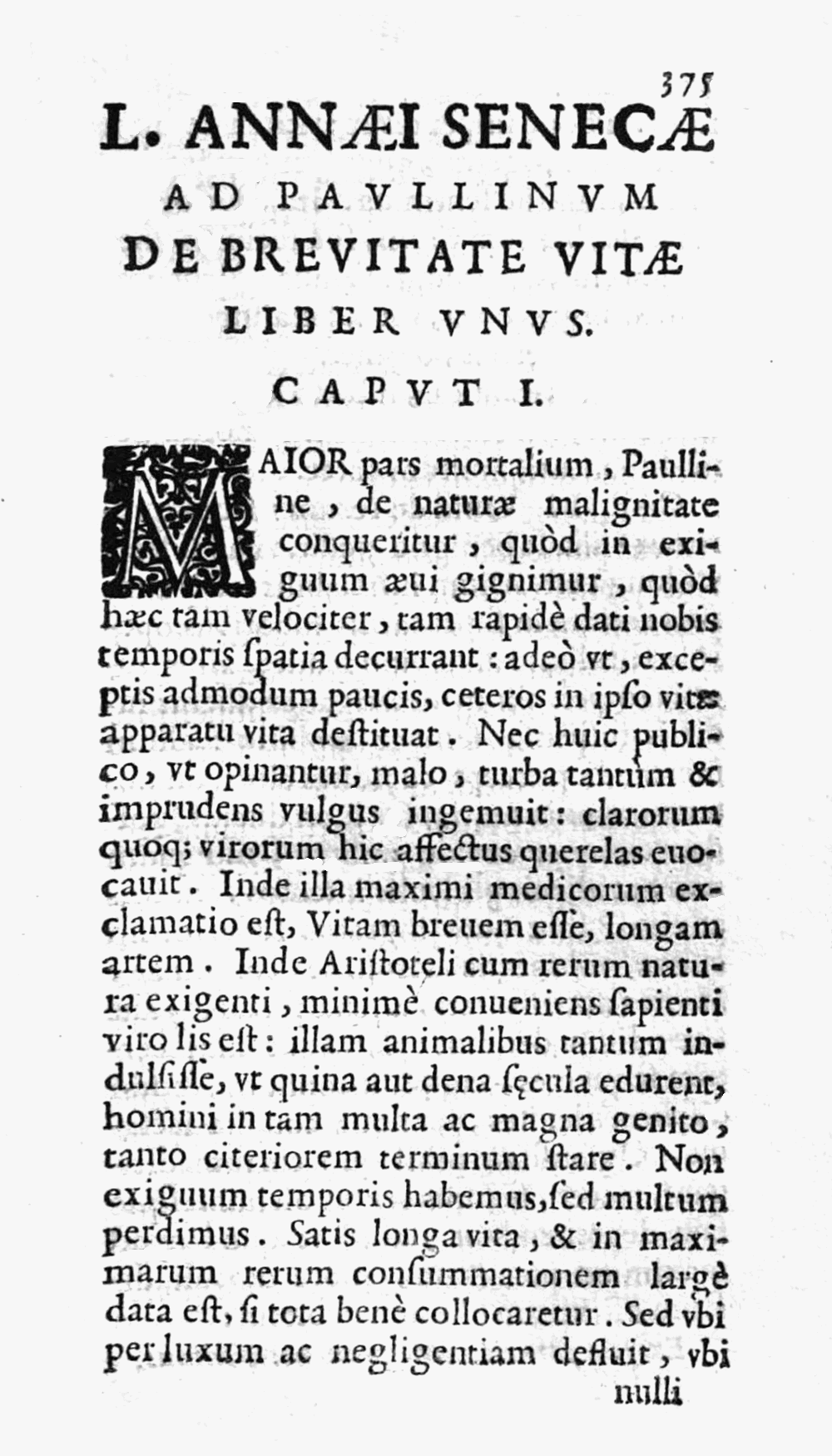
De Brevitate Vitae
Seneca · c. 49 CE
 Book
Secondary source
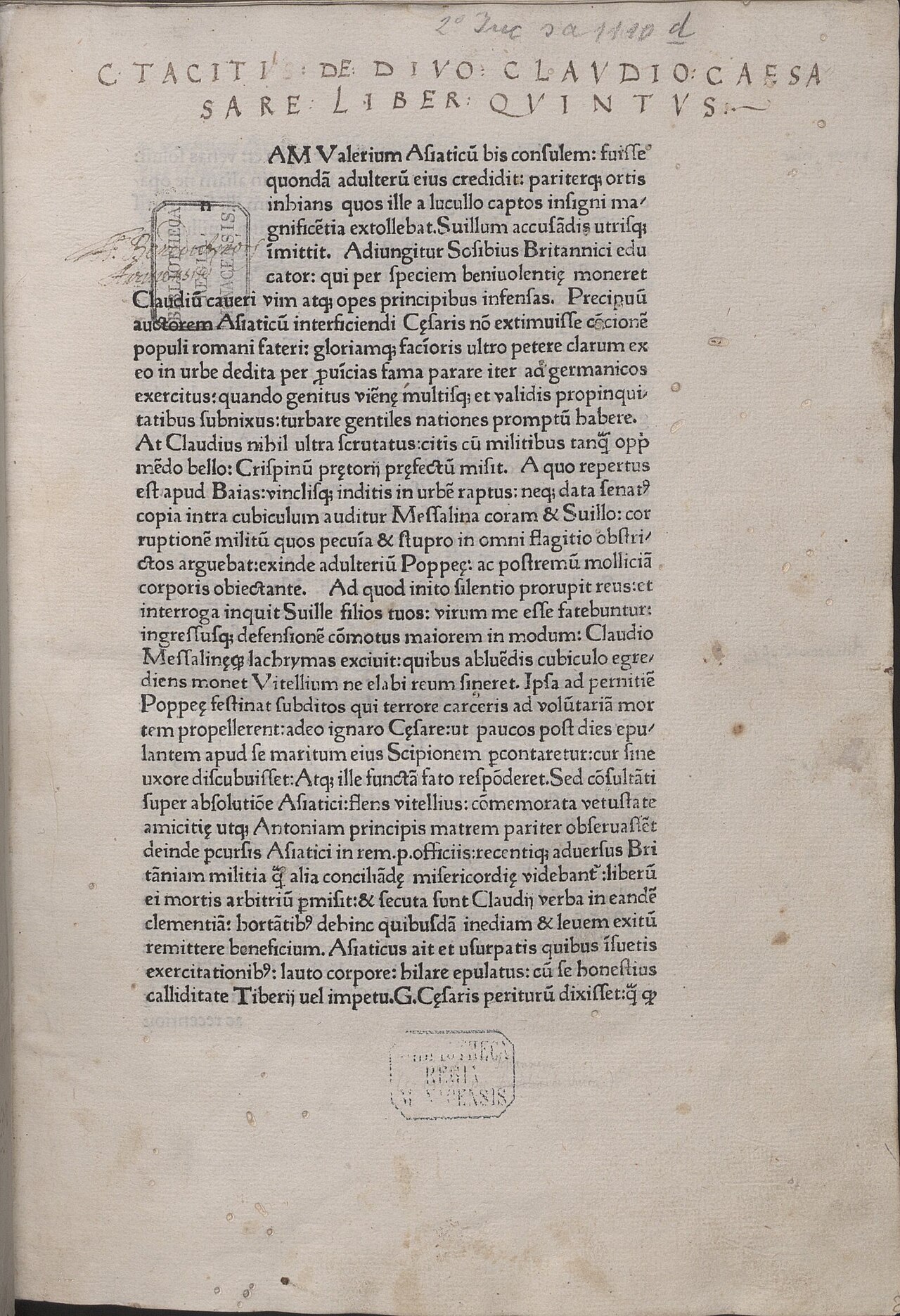
Annals
Tacitus · c. AD 116 or later
 Book
Primary source
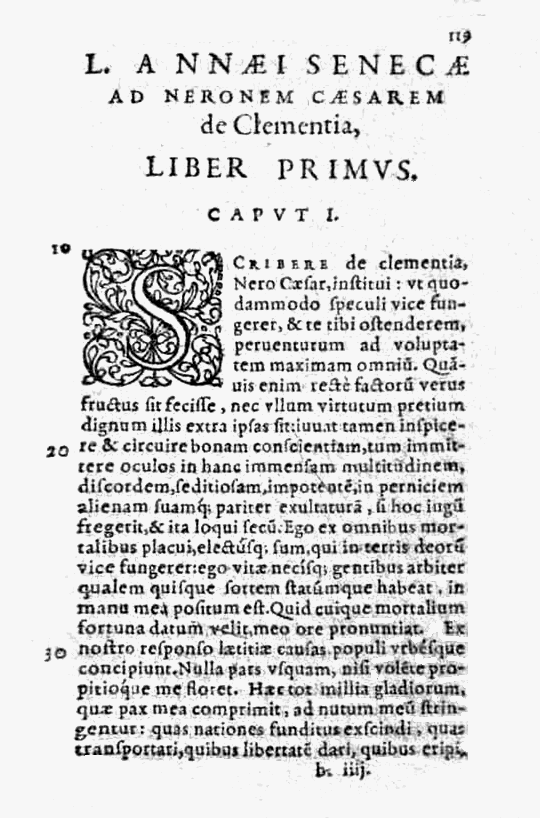
De Clementia
Seneca · 55-56 CE
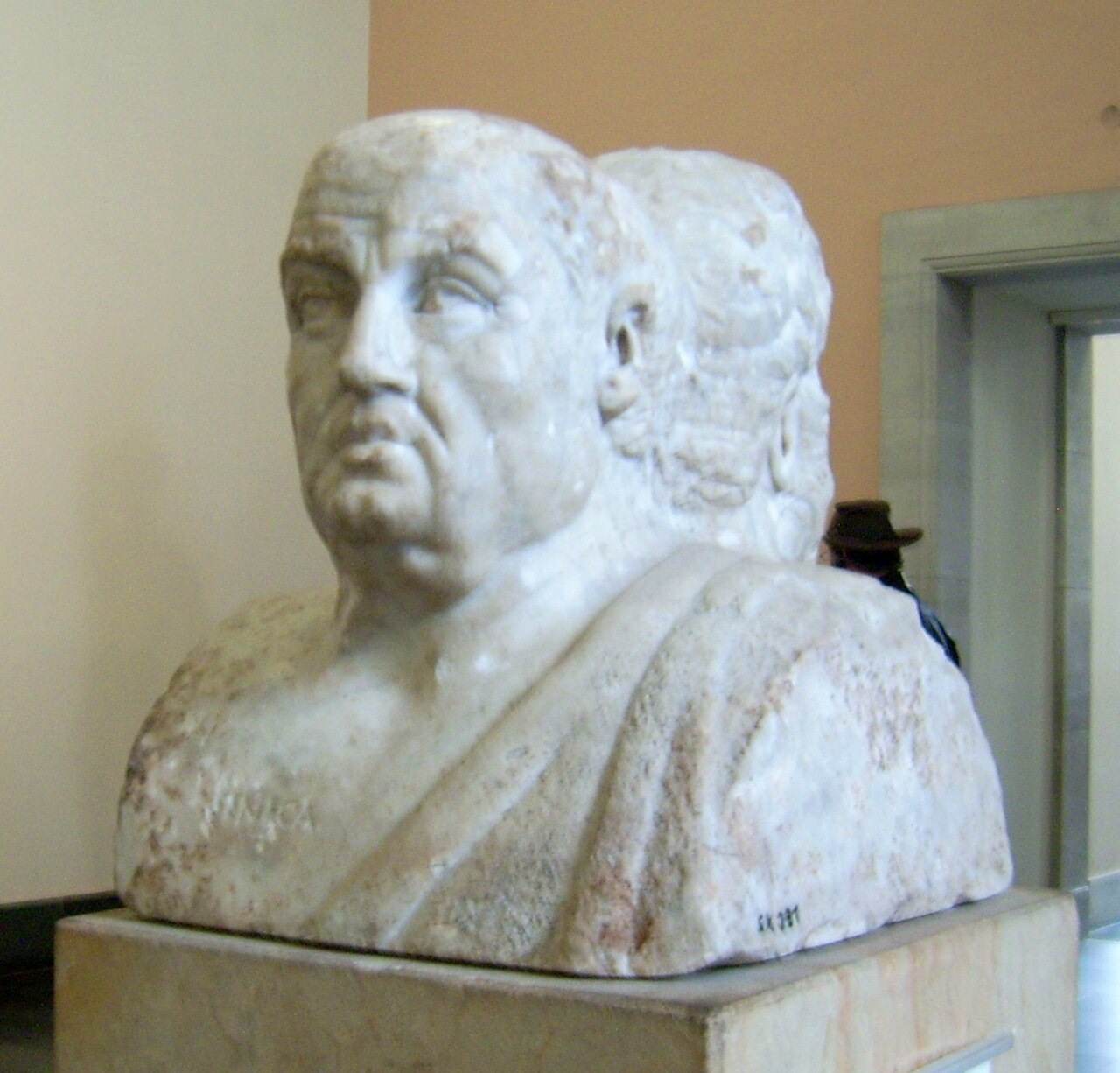 Sculpture
Secondary source
Double Herm of Socrates and Seneca
first half of the 3rd century AD
Ready when you are
Start chatting with Seneca now.
20 messages free · No credit card · Available in 50+ languages.