


Secondary sourcePainting
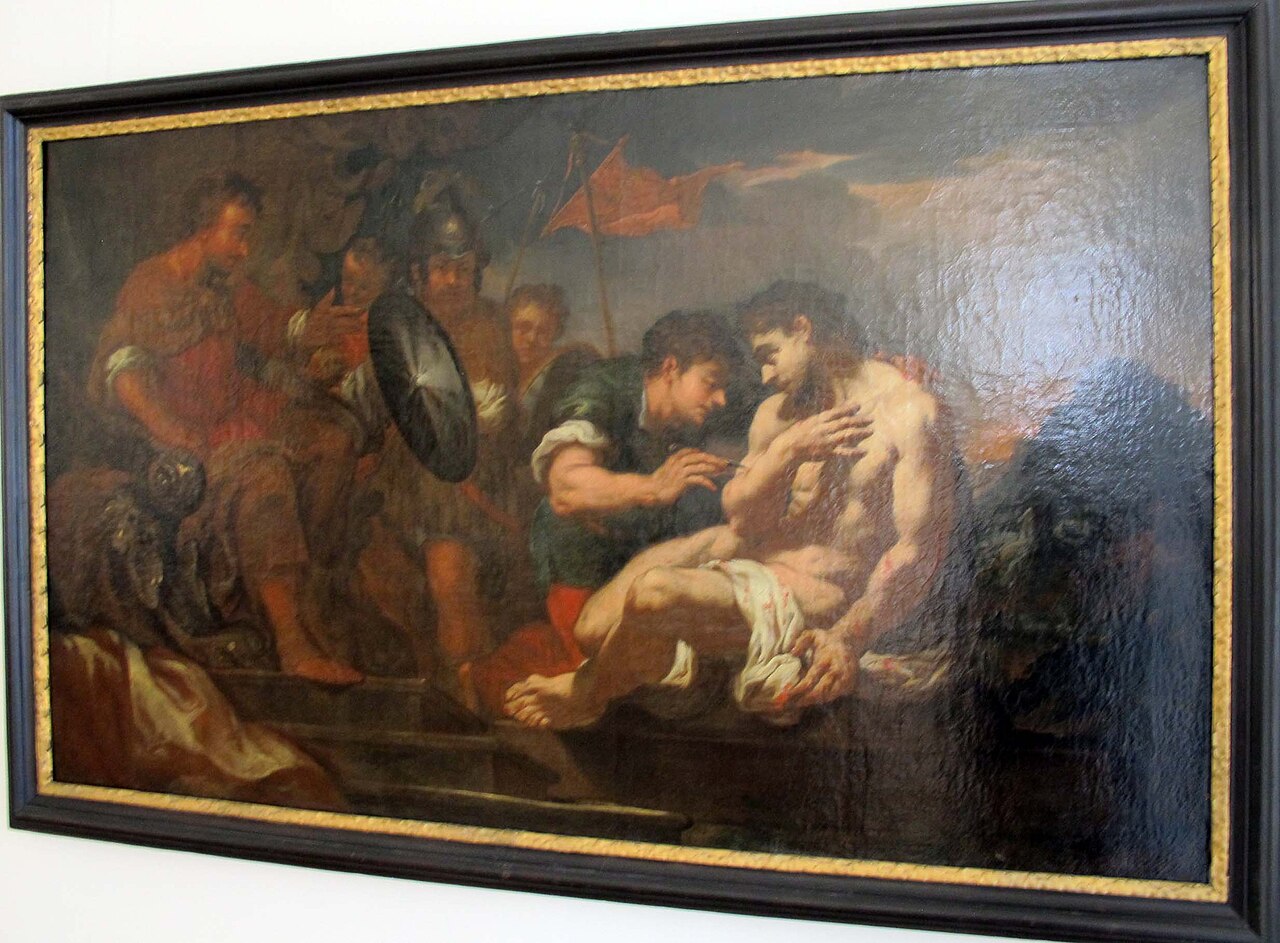
The Death of Seneca
Martino Altomonte
An imagined 18th-century painting of Seneca's forced suicide, a common later depiction used to teach his final moments.
This later painting commemorates Seneca's forced suicide, a defining moment used to teach his life and Stoic philosophy.
About this source
What it is
This is a painting showing the death of Seneca, attributed to Martino Altomonte. It depicts an older man, bare-chested, sitting with a younger man leaning in to support him, while armed soldiers stand nearby. The photograph of the painting was taken in 2012.
Why it matters
Seneca was forced to take his own life under orders from the Emperor Nero. Painters in later centuries often returned to this scene because it let them explore ideas of Stoic courage and dignity in the face of death. This image was made long after Seneca lived, by an artist imagining the event rather than witnessing it.
Look closer
- What does the painter want you to feel about Seneca's death?
- Why might soldiers be shown in the background?
- How can you tell this is an imagined scene rather than an eyewitness record?
This painting is part of the curated material that grounds the AI version of Seneca on Humy.ai — when students ask about related events, the AI can quote it and cite it.
More Seneca sources
Meet the AI Seneca →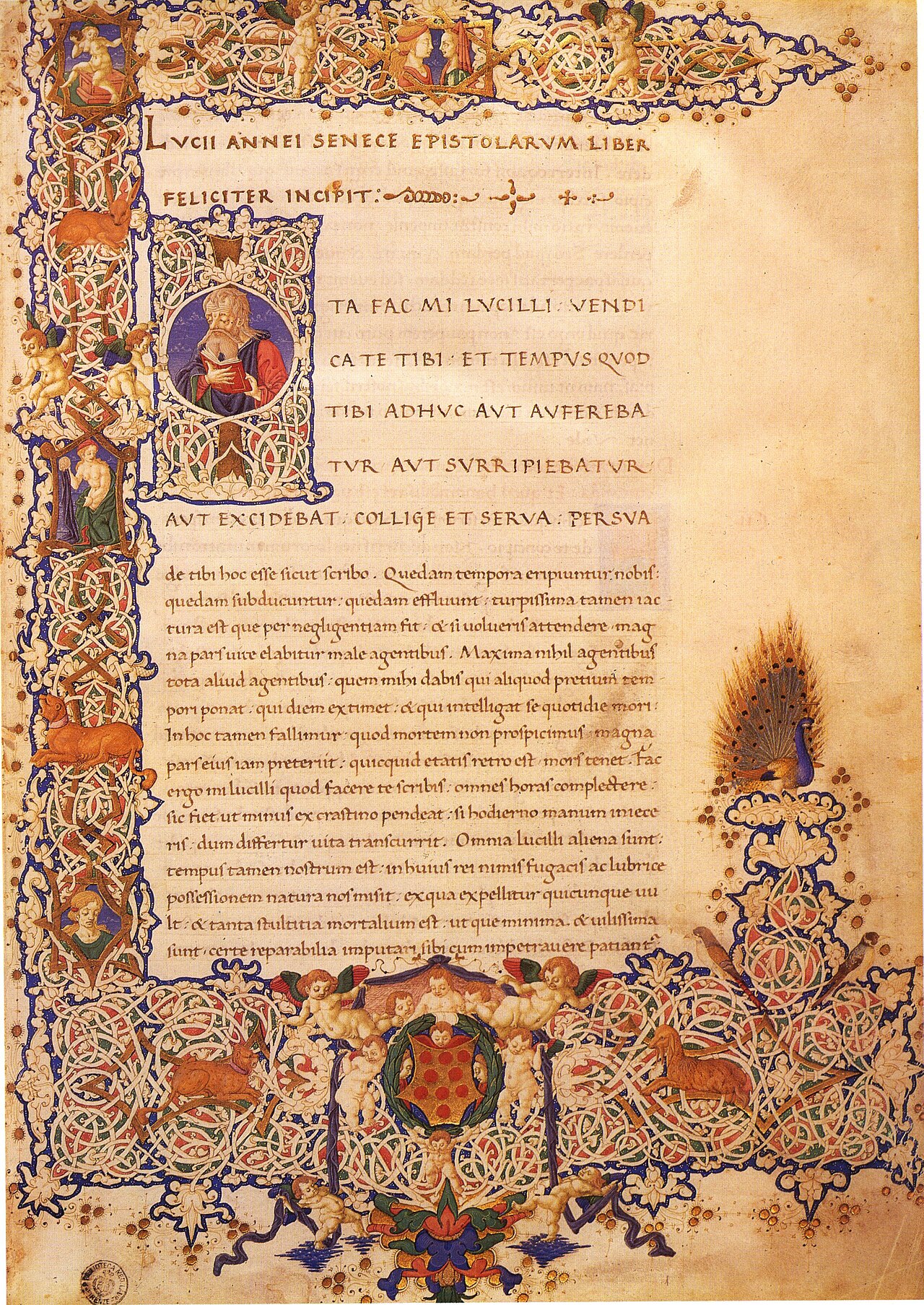 Letter
Primary source
Epistulae Morales ad Lucilium
Seneca · c. 62-65 CE
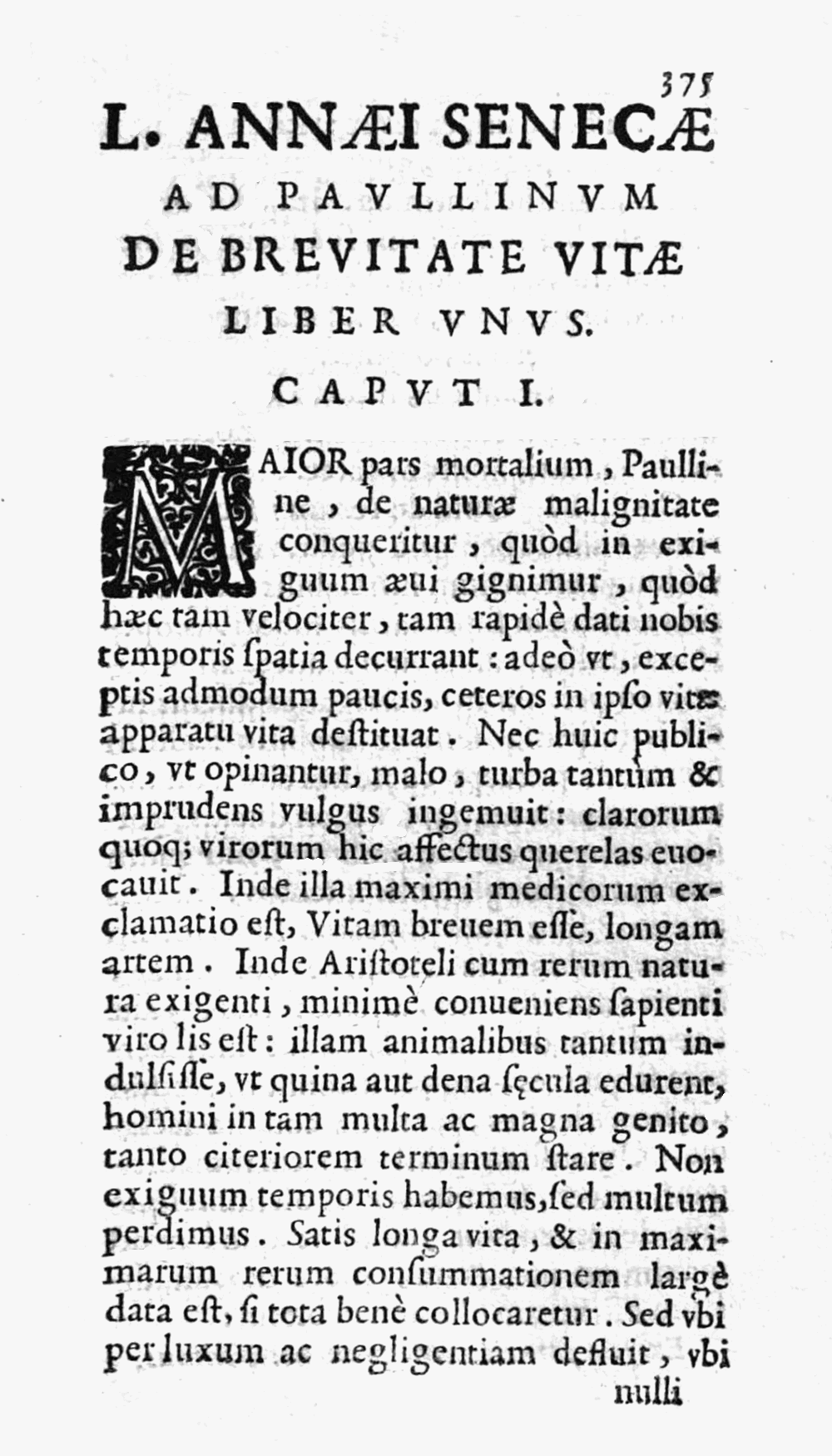 Book
Primary source
De Brevitate Vitae
Seneca · c. 49 CE
 Book
Secondary source
Annals
Tacitus · c. AD 116 or later
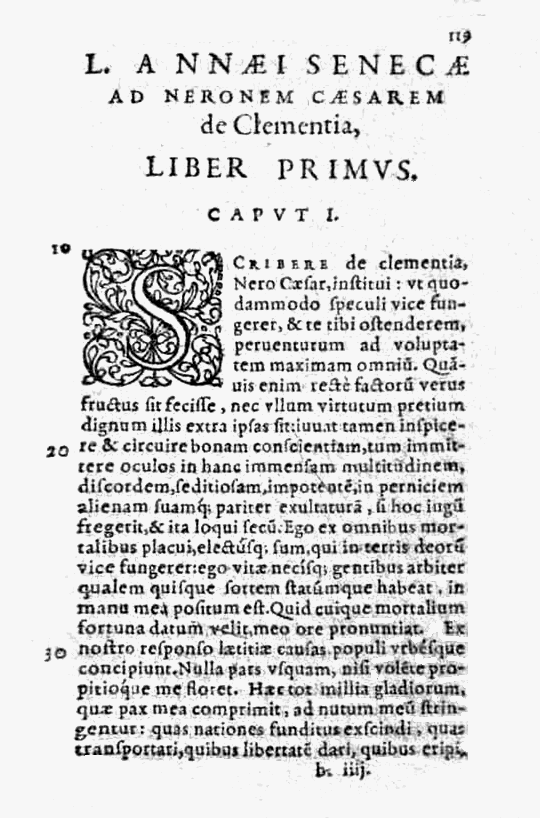 Book
Primary source
De Clementia
Seneca · 55-56 CE
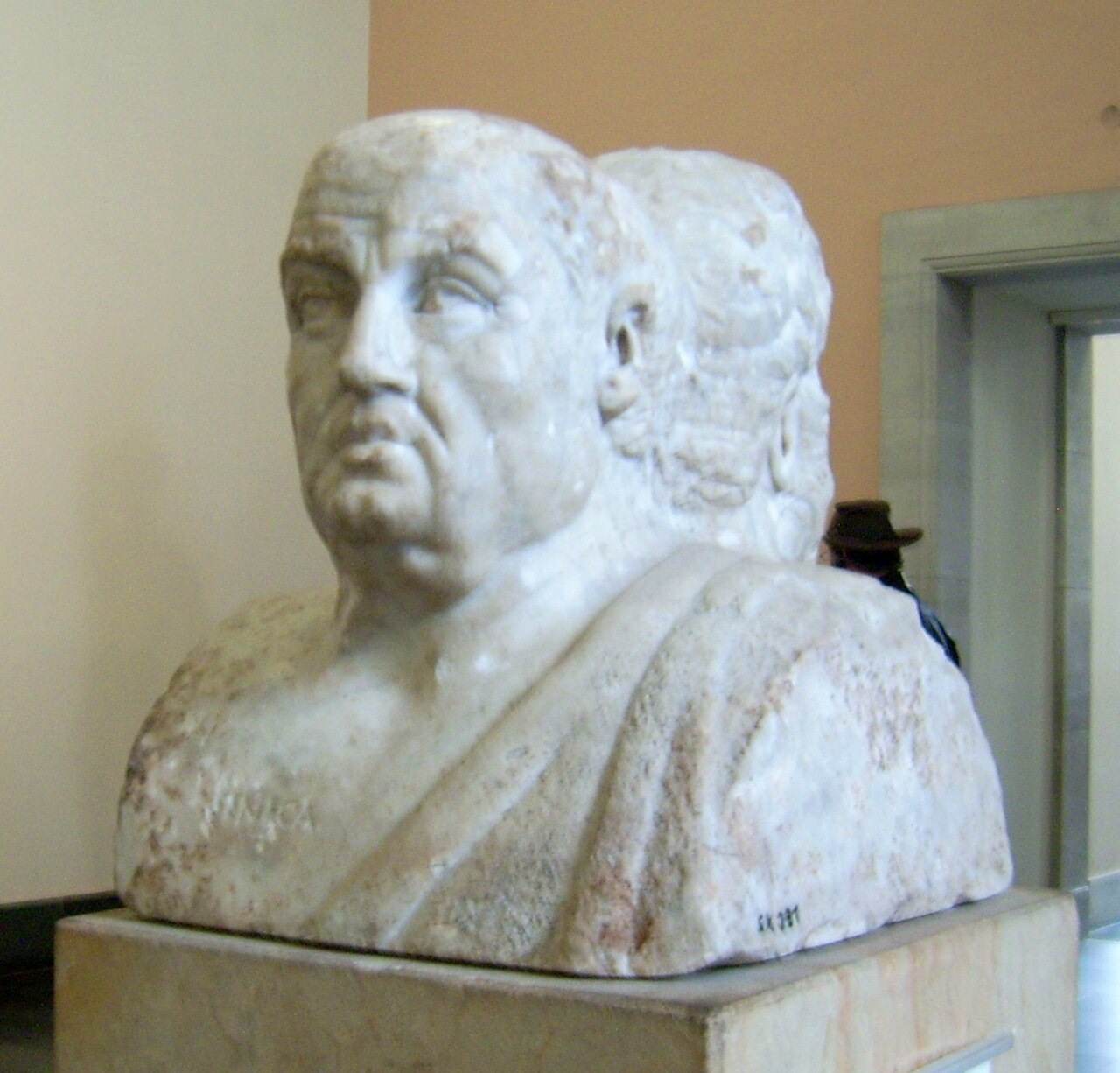 Sculpture
Secondary source
Double Herm of Socrates and Seneca
first half of the 3rd century AD
Ready when you are
Start chatting with Seneca now.
20 messages free · No credit card · Available in 50+ languages.