


Secondary sourcePaintingc. 1640 (between 1630 and 1650)
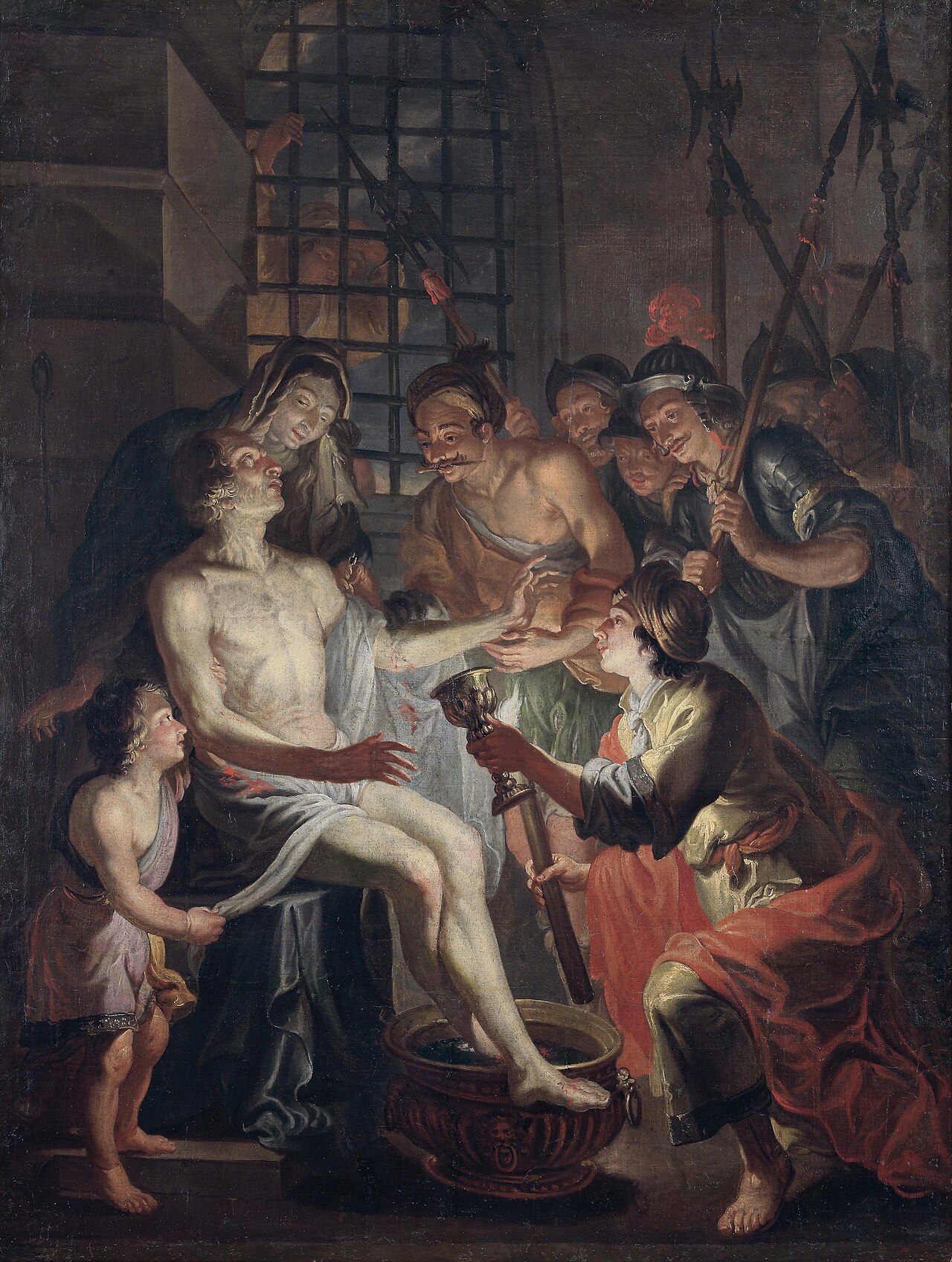
The Death of Seneca
Attributed to Jacques de l'Ange / Circle of Matthias Stom · c. 1640 (between 1630 and 1650)
A seventeenth-century painting of Seneca's death, attributed to Jacques de l'Ange or to a circle of artists around Matthias Stom. It is a later interpretation of the scene.
Seneca is the subject of this later painting of his death, which gives a seventeenth-century view of his final scene.
About this source
What it is
This oil painting, The Death of Seneca, is attributed to Jacques de l'Ange or to the circle of Matthias Stom. It is dated between 1630 and 1650, and the title gives c. 1640. It shows an old, thin, bare-chested man seated on a bench, with a woman in a dark veil behind him. A young boy at left holds a cloth, and a kneeling figure in red robes holds a golden cup and a bowl of water at his feet. Armed soldiers and onlookers stand at right, and a barred window is behind.
Why it matters
Seneca was a Roman Stoic philosopher and statesman who died in 65 CE. The painting was made about sixteen centuries after his death and is a later interpretation. Because the artist is uncertain, it is also a good example of how art from this period was shared and copied among workshops. It shows what seventeenth-century viewers expected a scene of a noble death to look like.
Look closer
- Who are the people around Seneca, and what roles do they seem to play?
- Why might the painter include soldiers and a barred window?
- Since the artist is uncertain, what can we still learn from the painting?
This painting is part of the curated material that grounds the AI version of Seneca on Humy.ai — when students ask about related events, the AI can quote it and cite it.
More Seneca sources
Meet the AI Seneca →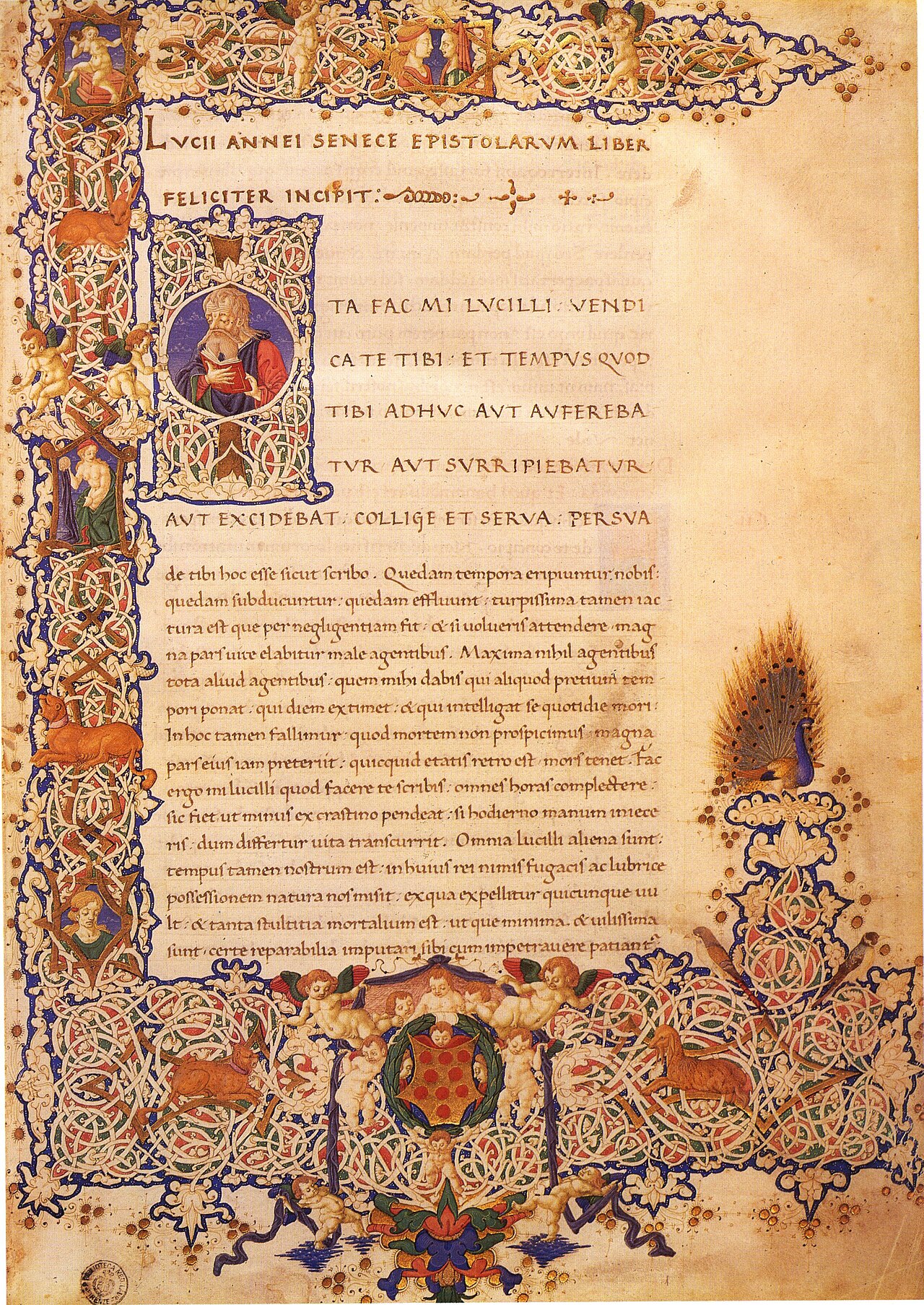 Letter
Primary source
Epistulae Morales ad Lucilium
Seneca · c. 62-65 CE
 Book
Primary source
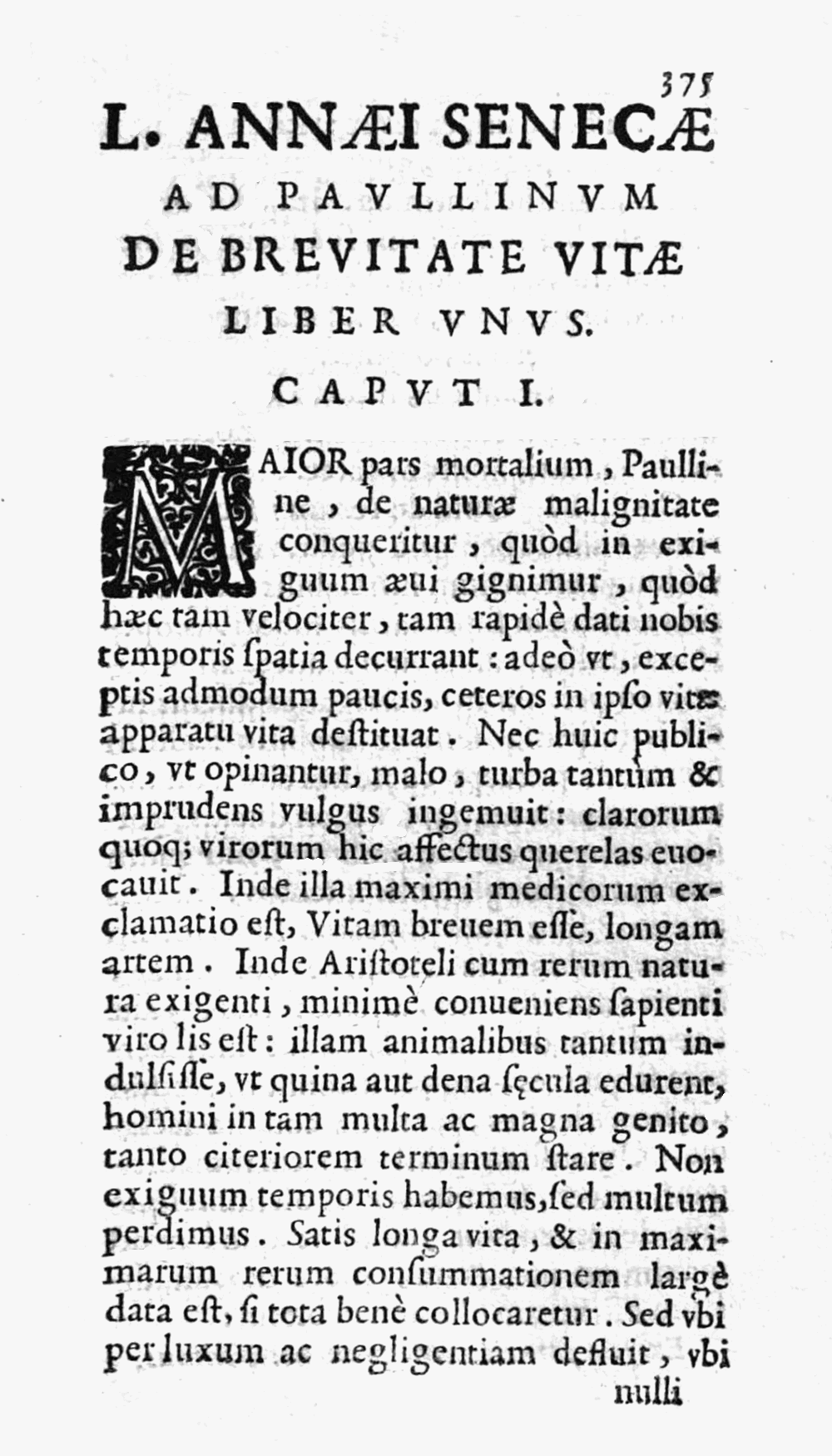
De Brevitate Vitae
Seneca · c. 49 CE
 Book
Secondary source
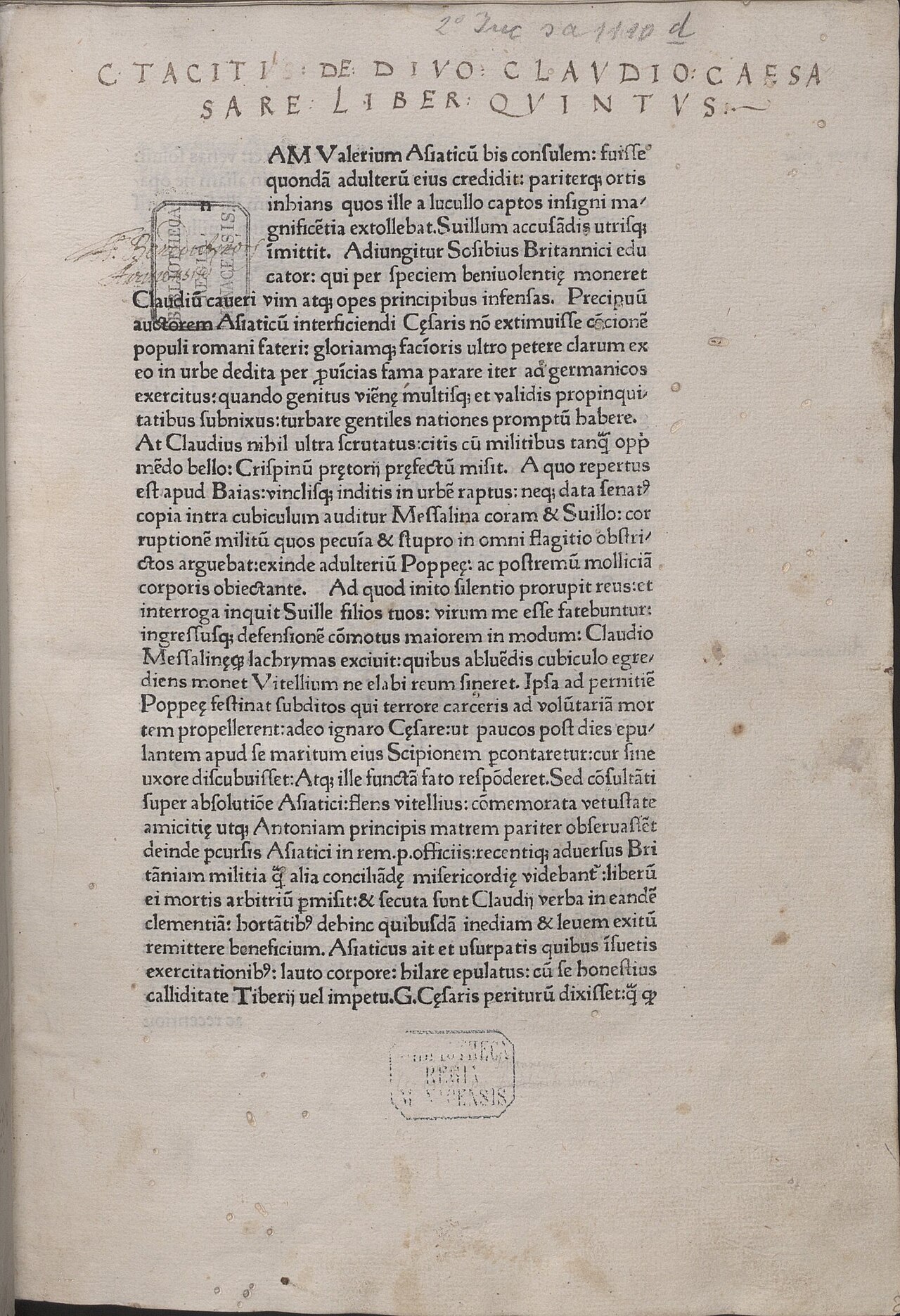
Annals
Tacitus · c. AD 116 or later
 Book
Primary source
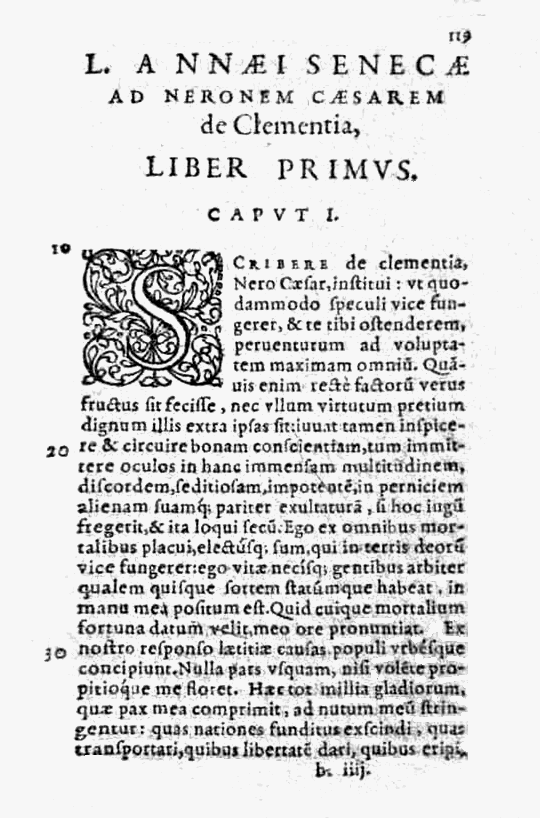
De Clementia
Seneca · 55-56 CE
 Sculpture
Secondary source
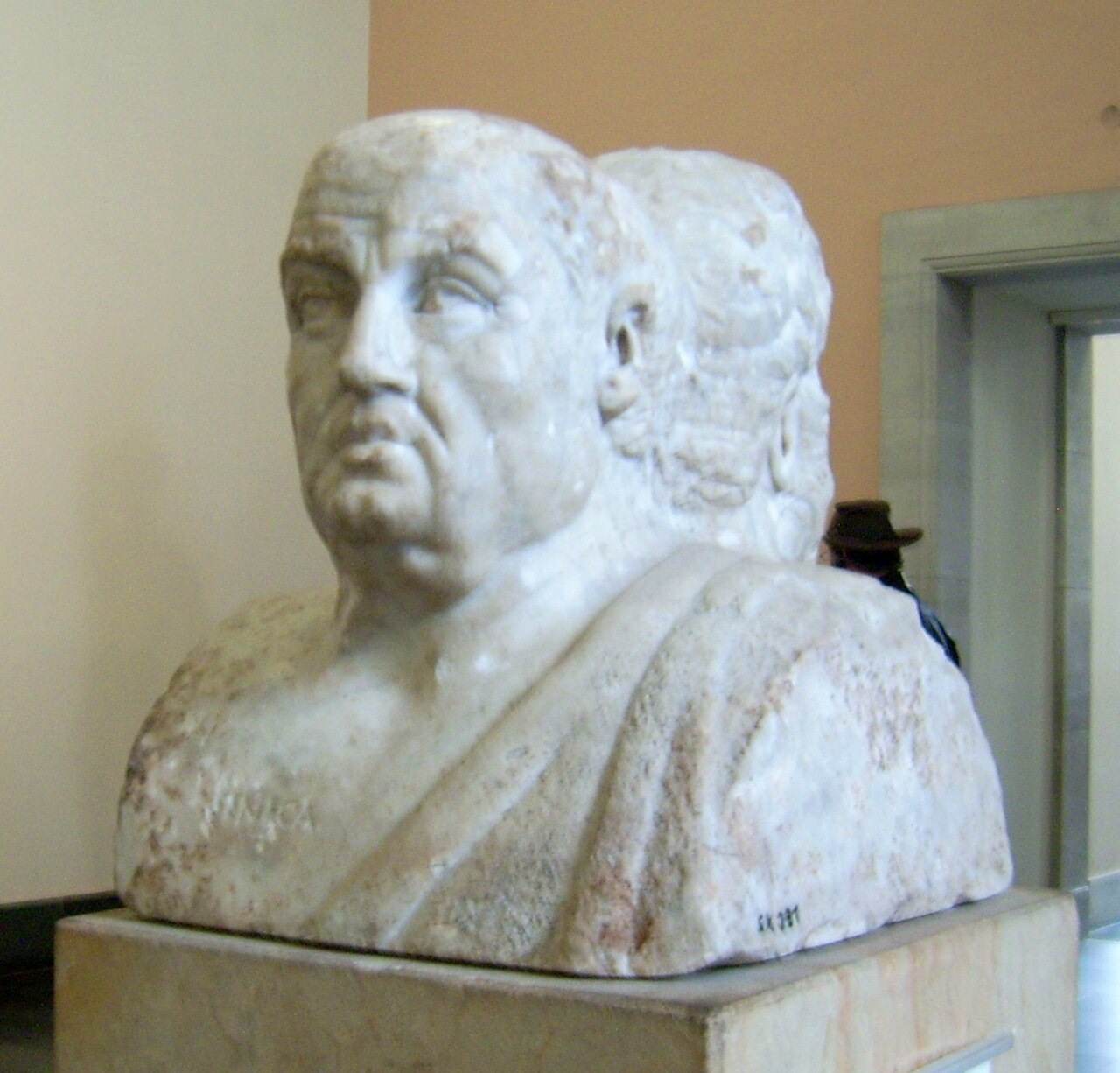
Double Herm of Socrates and Seneca
first half of the 3rd century AD
Ready when you are
Start chatting with Seneca now.
20 messages free · No credit card · Available in 50+ languages.