


Secondary sourcePainting1635
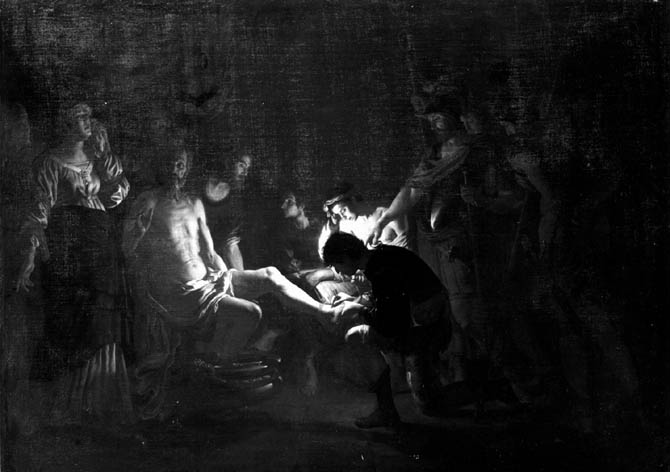
The Death of Seneca
Joachim von Sandrart the Elder · 1635
A 1635 painting by Joachim von Sandrart showing an imagined scene of Seneca's death in a dim room, reproduced here in black and white.
Seneca is the subject of this painting, which shows how a seventeenth-century artist imagined his death.
About this source
What it is
This is a dark Baroque painting by Joachim von Sandrart the Elder, dated 1635. The image shown here is a black-and-white reproduction. It shows a seated, bare-chested older man in a dim interior, with a figure kneeling at his legs or feet and a crowd of onlookers in shadow around him. The scene is lit by a single light source. The record describes the man as dying, with a wound or bleeding implied.
Why it matters
Sandrart painted Seneca's death in the 1630s, more than sixteen centuries after the philosopher died. The work shows how seventeenth-century artists imagined his final moments and used Seneca's famous death as a subject. Because the picture is a reproduction, details of color and texture cannot be seen here, so students should treat it as a guide to the composition only.
Look closer
- Where does the single light fall, and what does it draw your attention to?
- Who are the people in shadow, and what might their presence say about the event?
- What can a black-and-white copy hide about the original painting?
This painting is part of the curated material that grounds the AI version of Seneca on Humy.ai — when students ask about related events, the AI can quote it and cite it.
More Seneca sources
Meet the AI Seneca →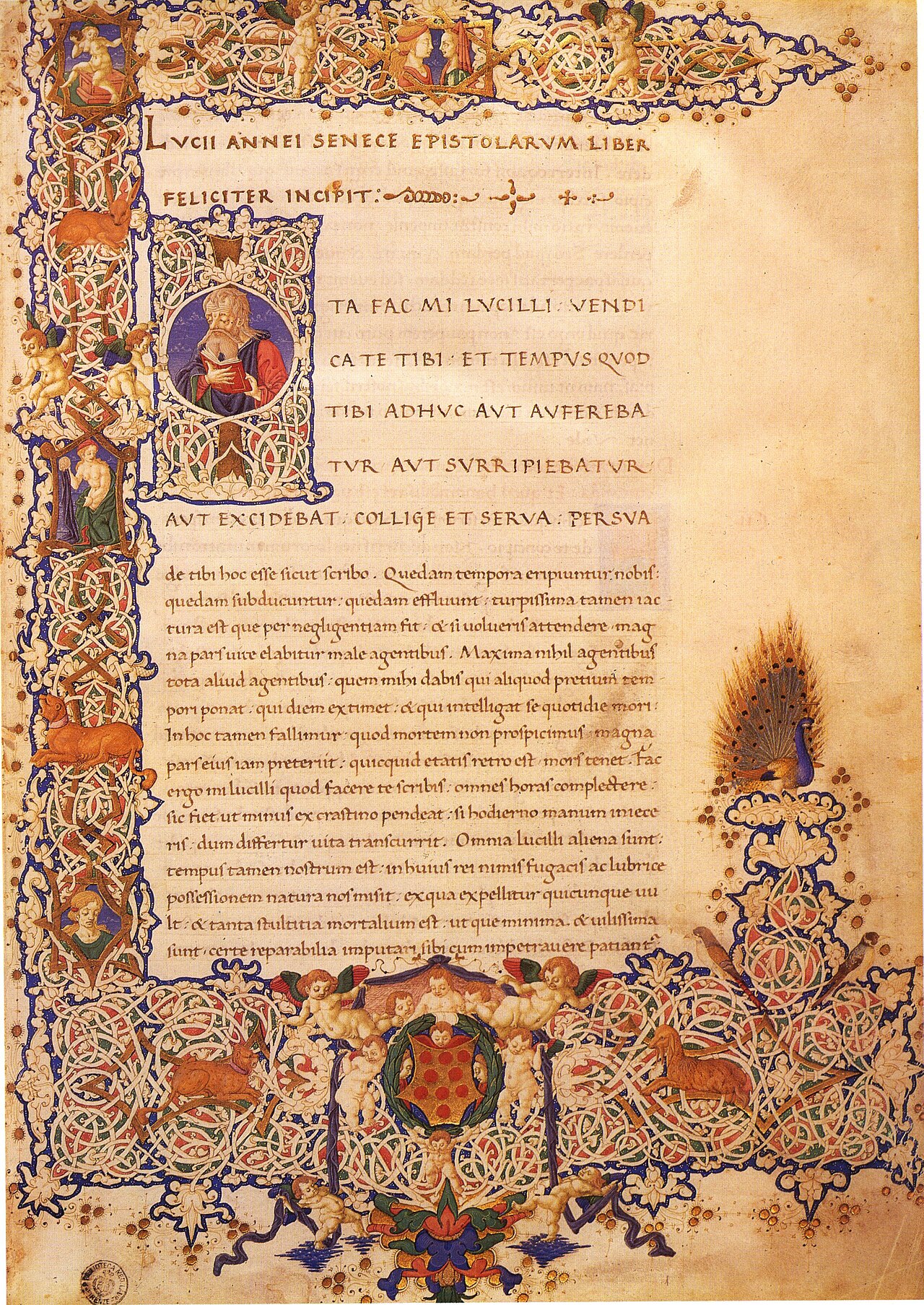 Letter
Primary source
Epistulae Morales ad Lucilium
Seneca · c. 62-65 CE
 Book
Primary source
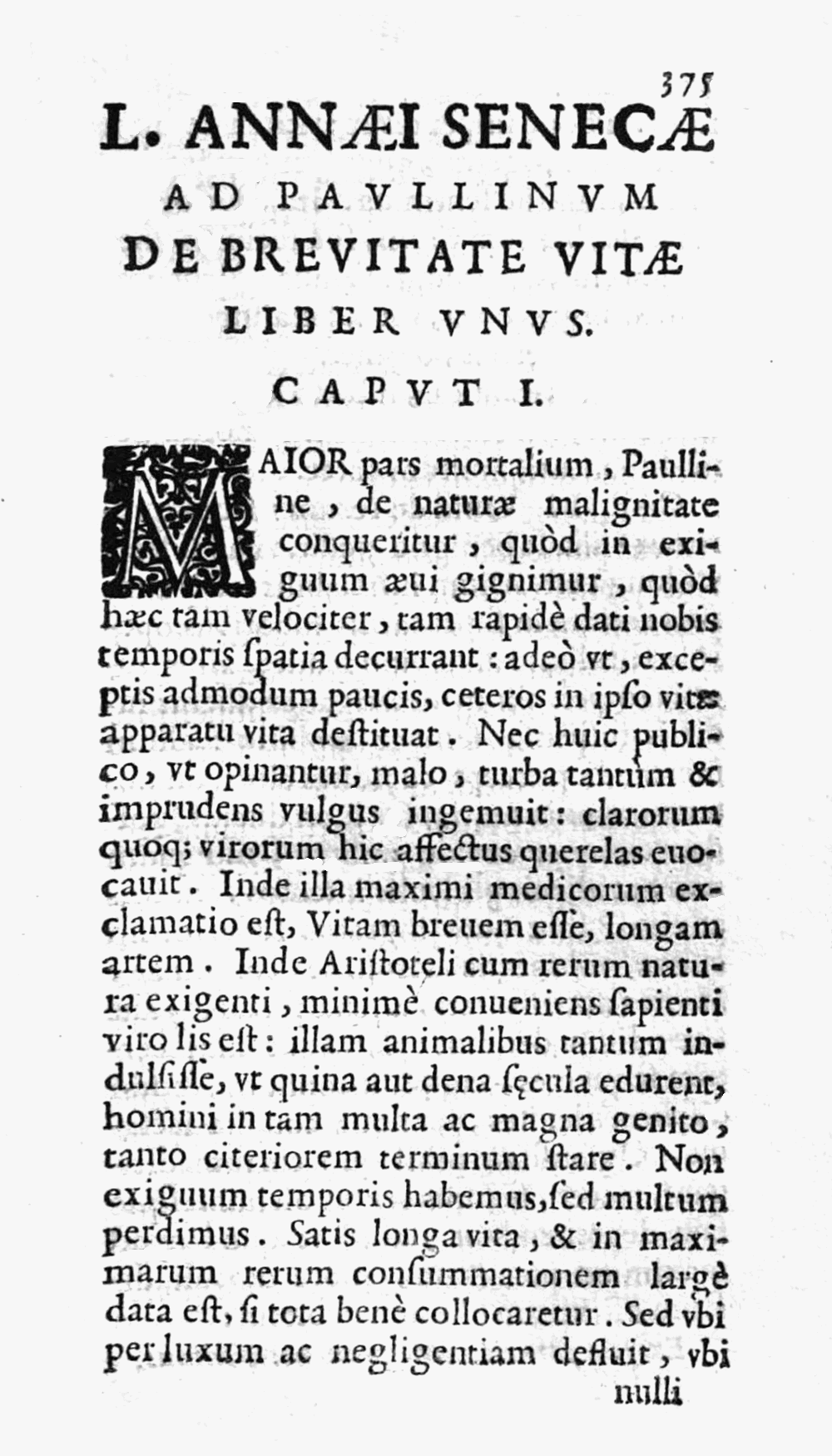
De Brevitate Vitae
Seneca · c. 49 CE
 Book
Secondary source
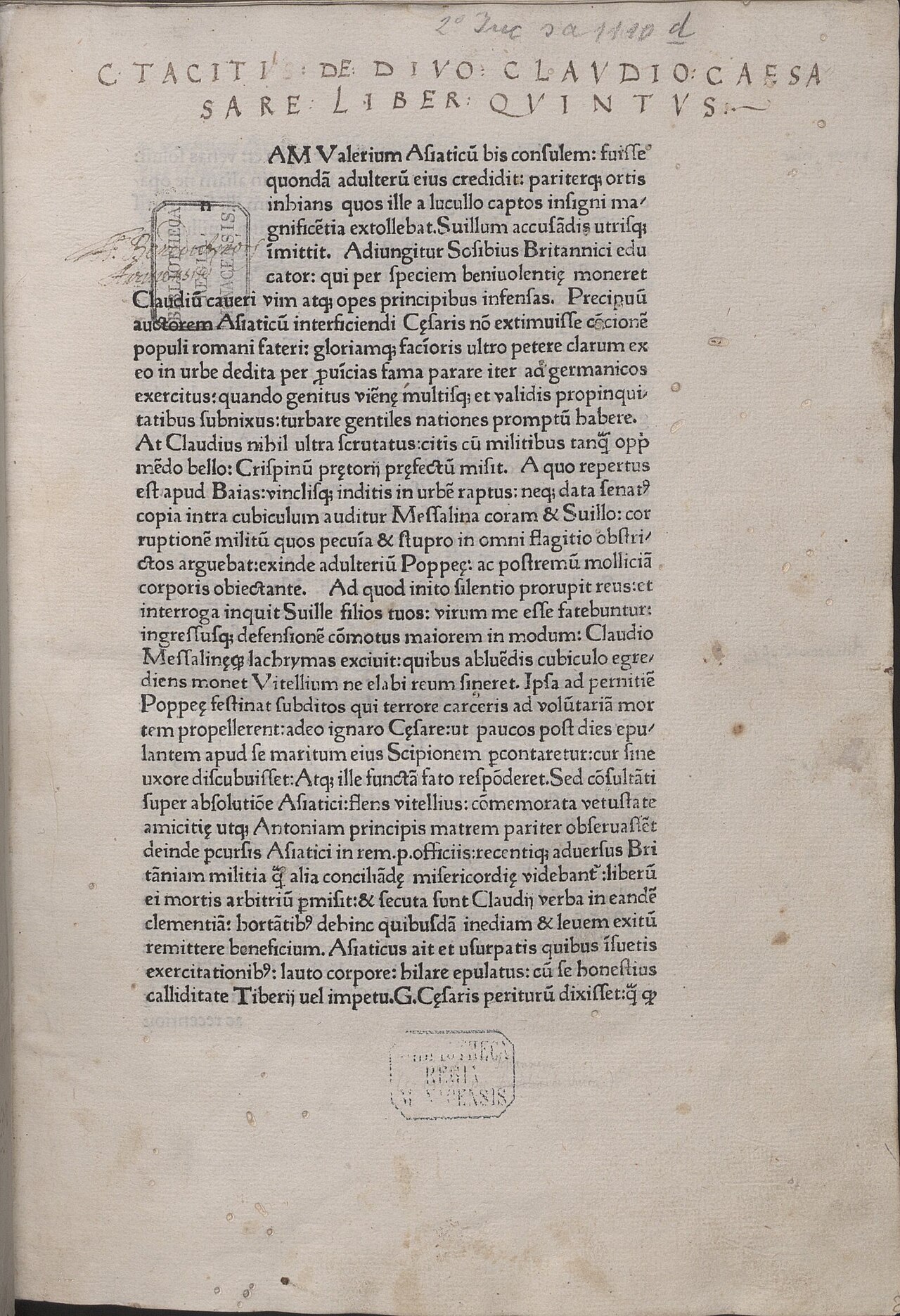
Annals
Tacitus · c. AD 116 or later
 Book
Primary source
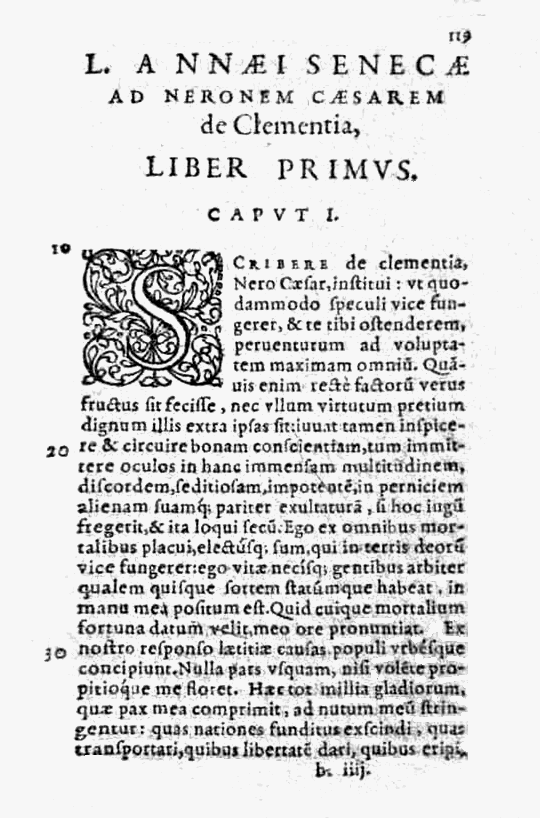
De Clementia
Seneca · 55-56 CE
 Sculpture
Secondary source
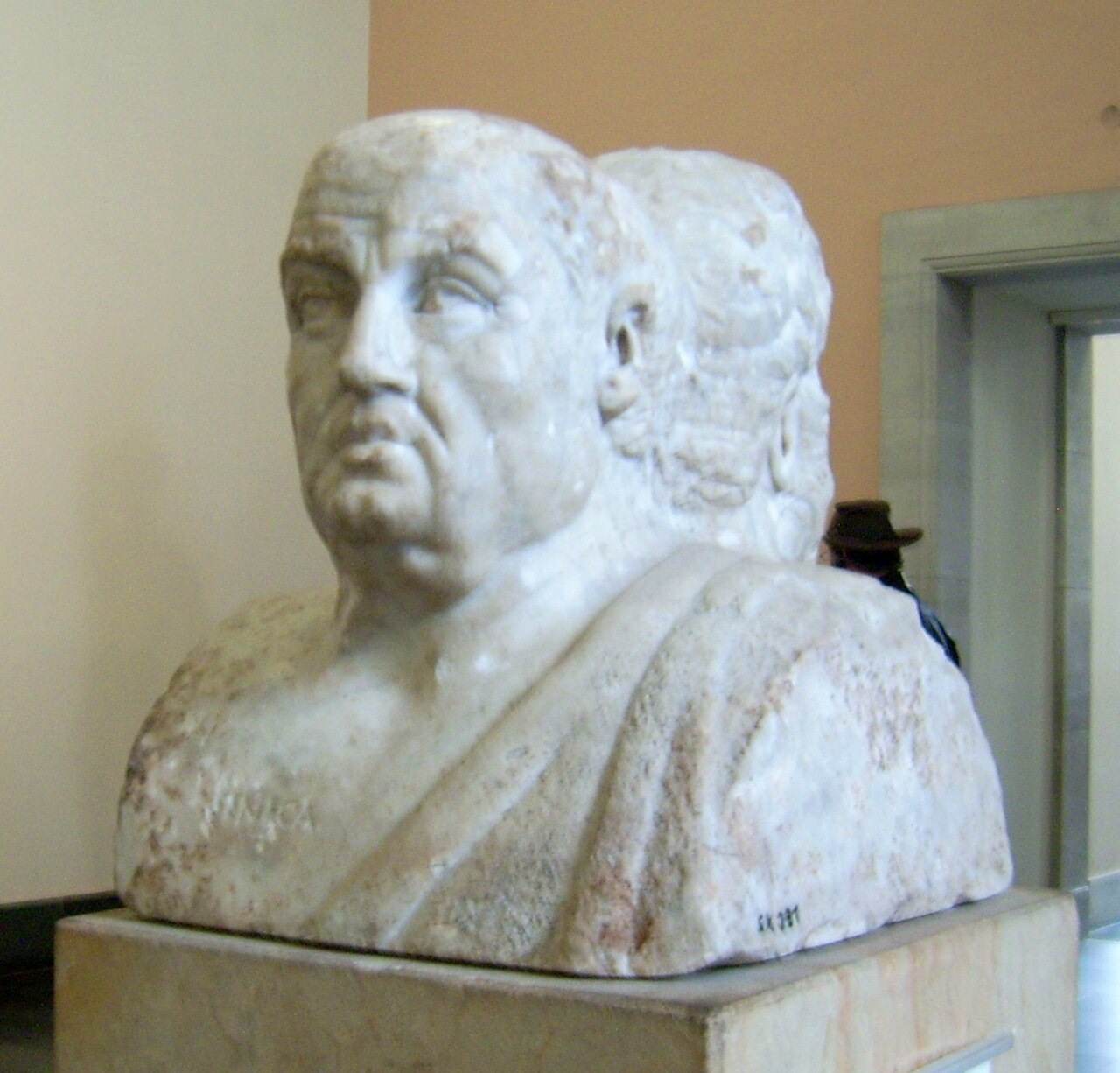
Double Herm of Socrates and Seneca
first half of the 3rd century AD
Ready when you are
Start chatting with Seneca now.
20 messages free · No credit card · Available in 50+ languages.