


Secondary sourcePainting1871
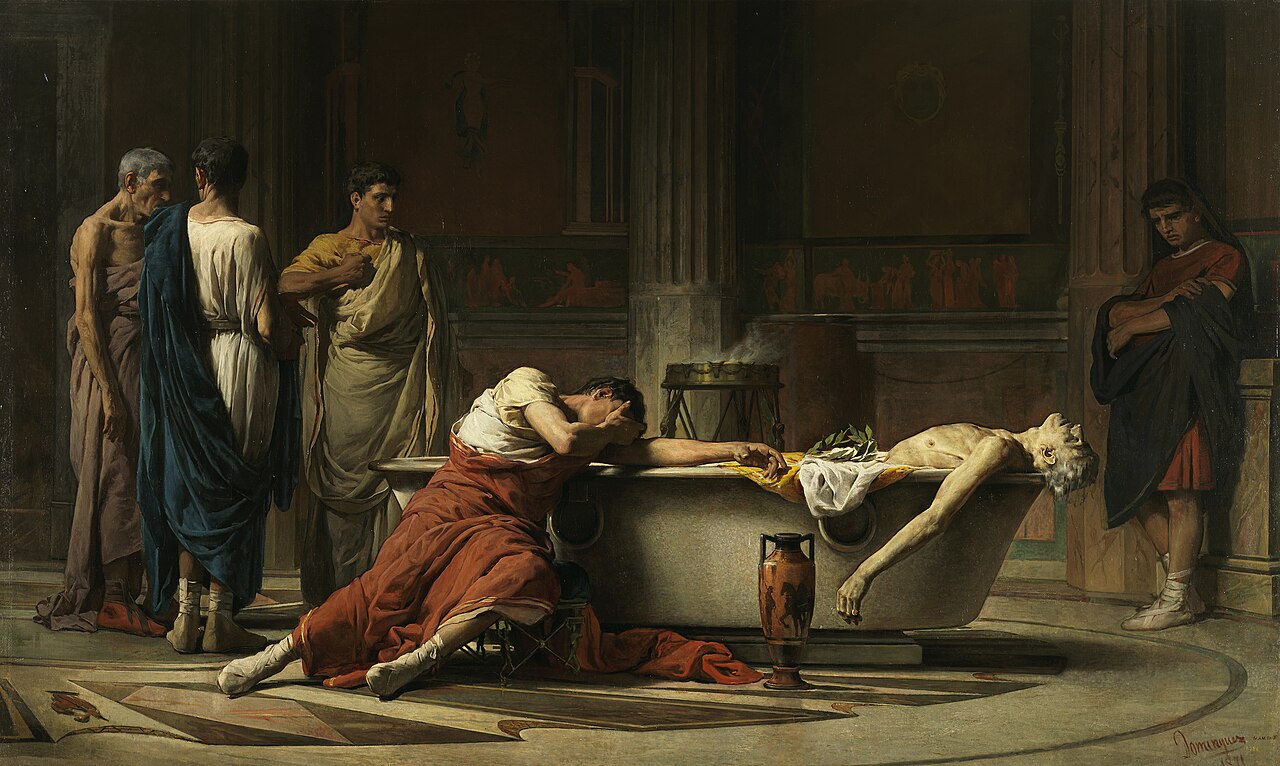
The Death of Seneca
Manuel Domínguez Sánchez · 1871
A 19th-century Spanish painting depicting Seneca's suicide, claiming him as a national Stoic hero from Córdoba.
A Spanish history painting claiming Seneca, ordered to die by Nero, as a national Stoic hero.
About this source
What it is
This 1871 painting by Manuel Domínguez Sánchez is held in the Museo del Prado. Its full title describes Seneca opening his veins and going into a bathroom, while his grieving friends swear hatred against Nero, who had ordered his death.
Why it matters
Painted in Spain in the 19th century, the work reflects a national pride in Seneca as a Stoic philosopher born in Córdoba. It shows how later cultures could adopt ancient figures as symbols of their own history and values, turning Seneca's death into a scene of moral and political defiance against Nero.
Look closer
- Why might a Spanish painter in the 1800s choose to depict this ancient Roman event?
- What does the painter's own title tell you about how he wanted the scene to be understood?
- How do the reactions of the surrounding men shape the emotional message of the painting?
This painting is part of the curated material that grounds the AI version of Seneca on Humy.ai — when students ask about related events, the AI can quote it and cite it.
More Seneca sources
Meet the AI Seneca →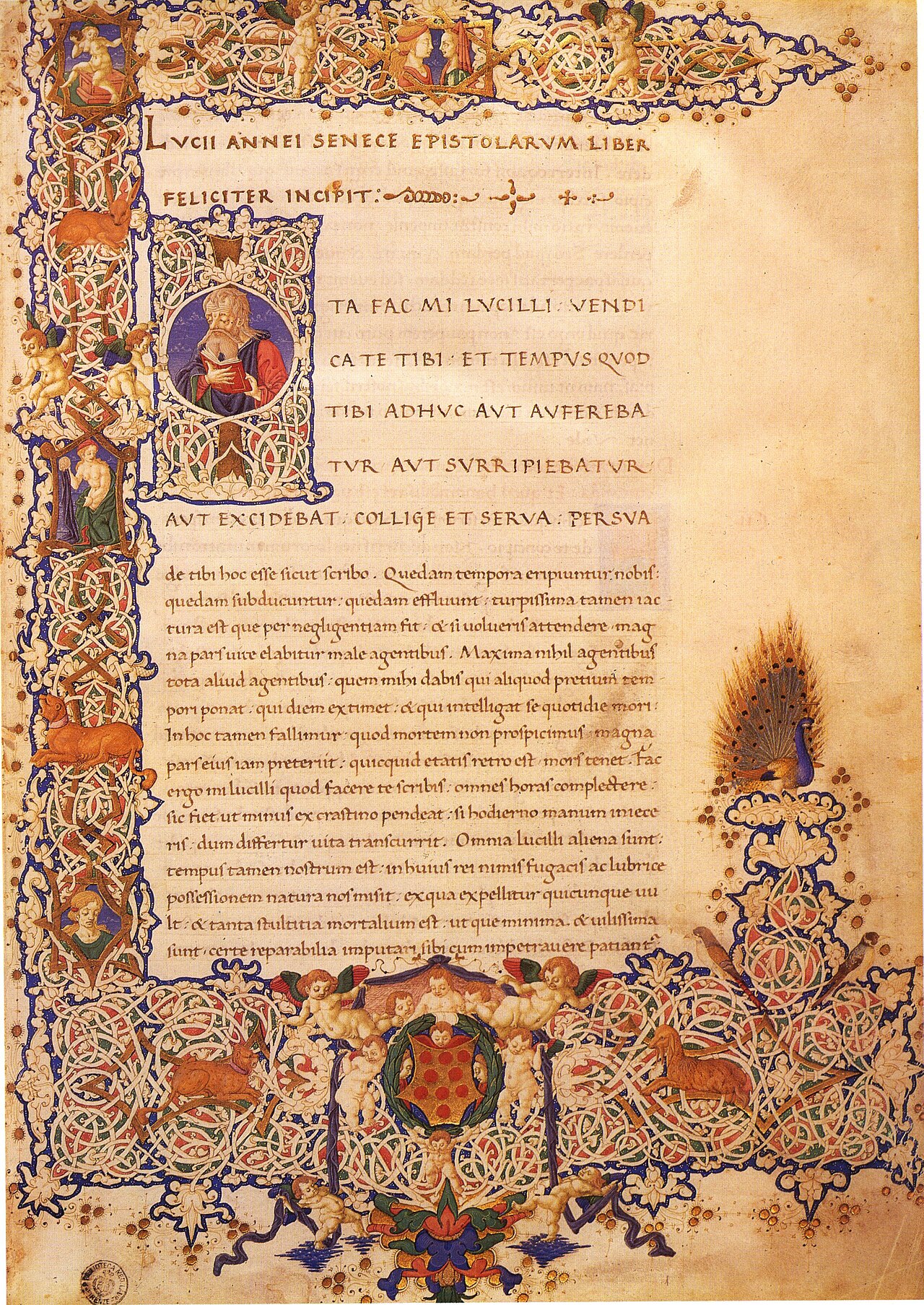 Letter
Primary source
Epistulae Morales ad Lucilium
Seneca · c. 62-65 CE
 Book
Primary source
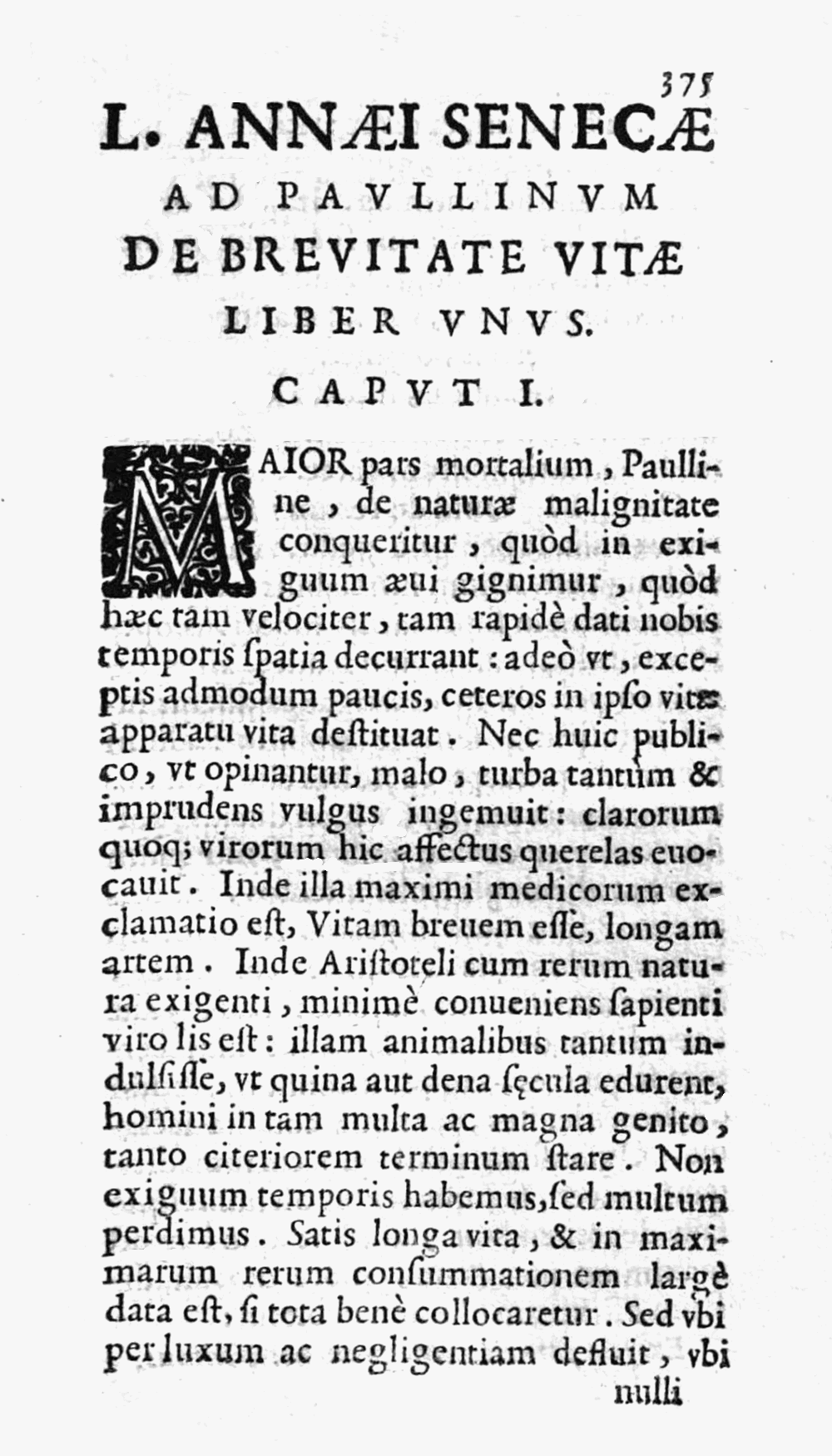
De Brevitate Vitae
Seneca · c. 49 CE
 Book
Secondary source
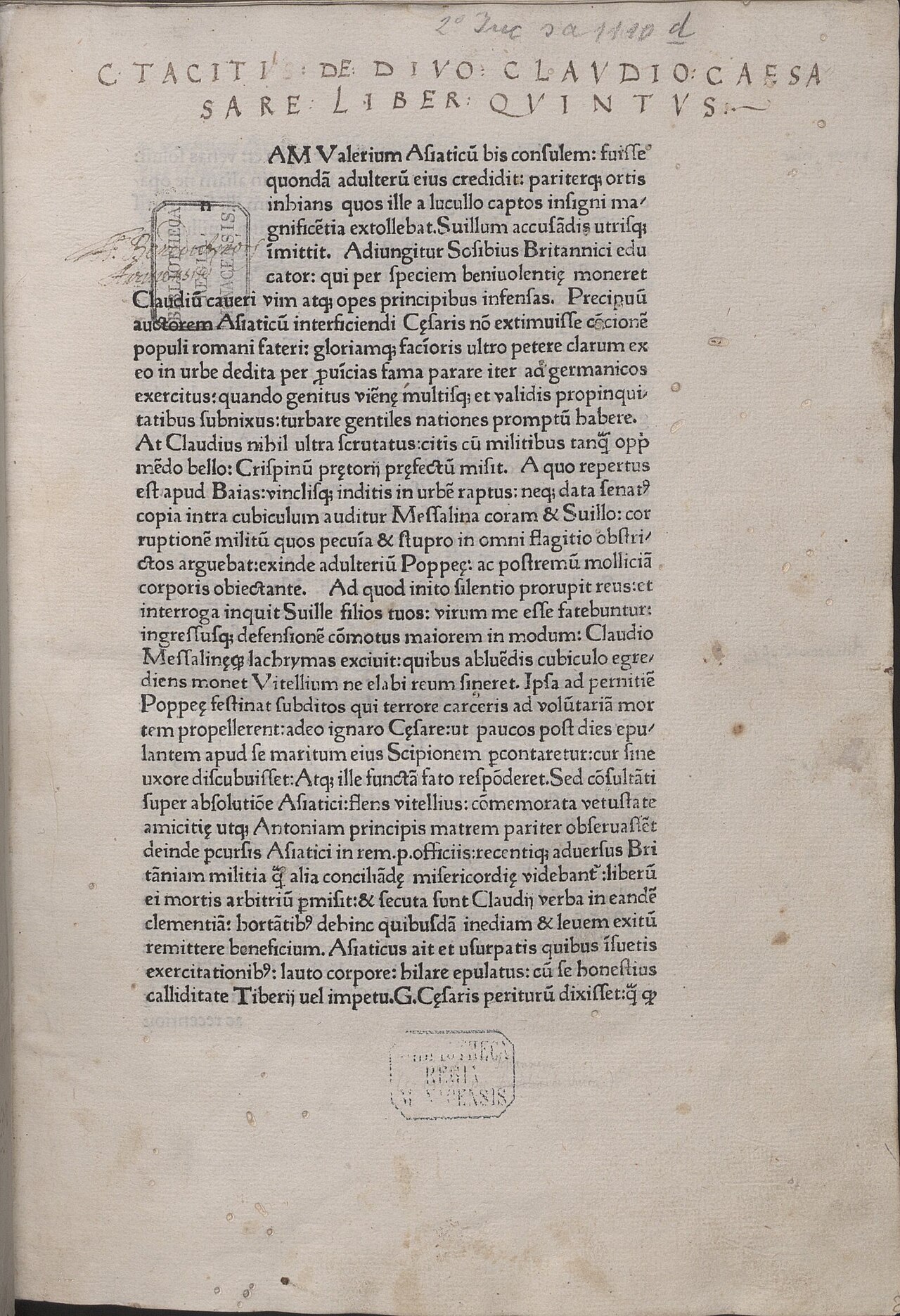
Annals
Tacitus · c. AD 116 or later
 Book
Primary source
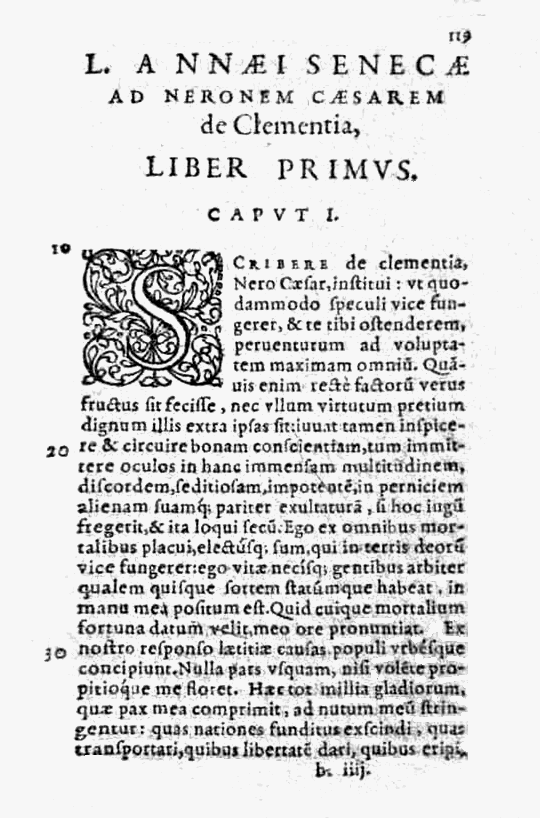
De Clementia
Seneca · 55-56 CE
 Sculpture
Secondary source
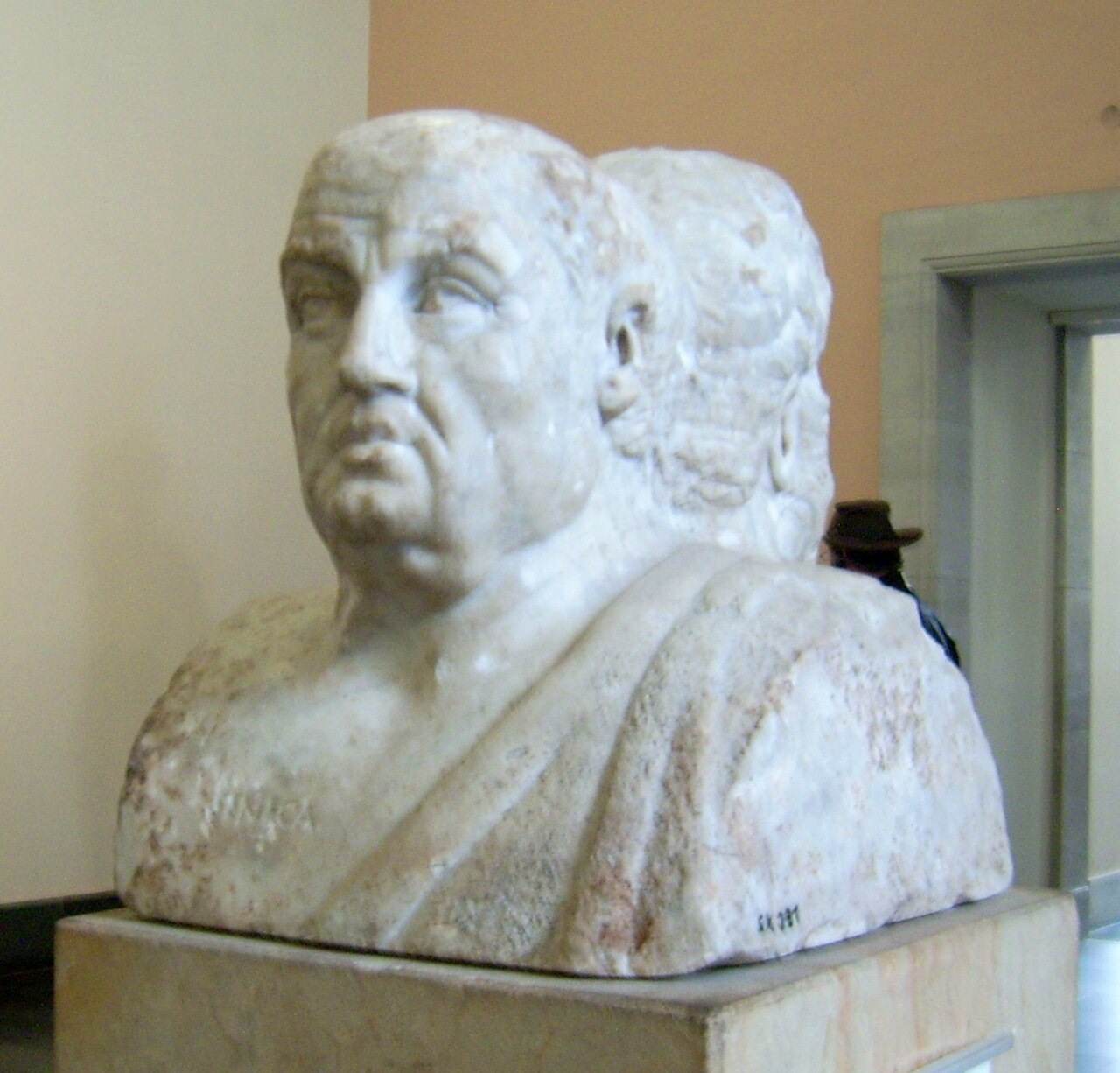
Double Herm of Socrates and Seneca
first half of the 3rd century AD
Ready when you are
Start chatting with Seneca now.
20 messages free · No credit card · Available in 50+ languages.