


Secondary sourcePainting
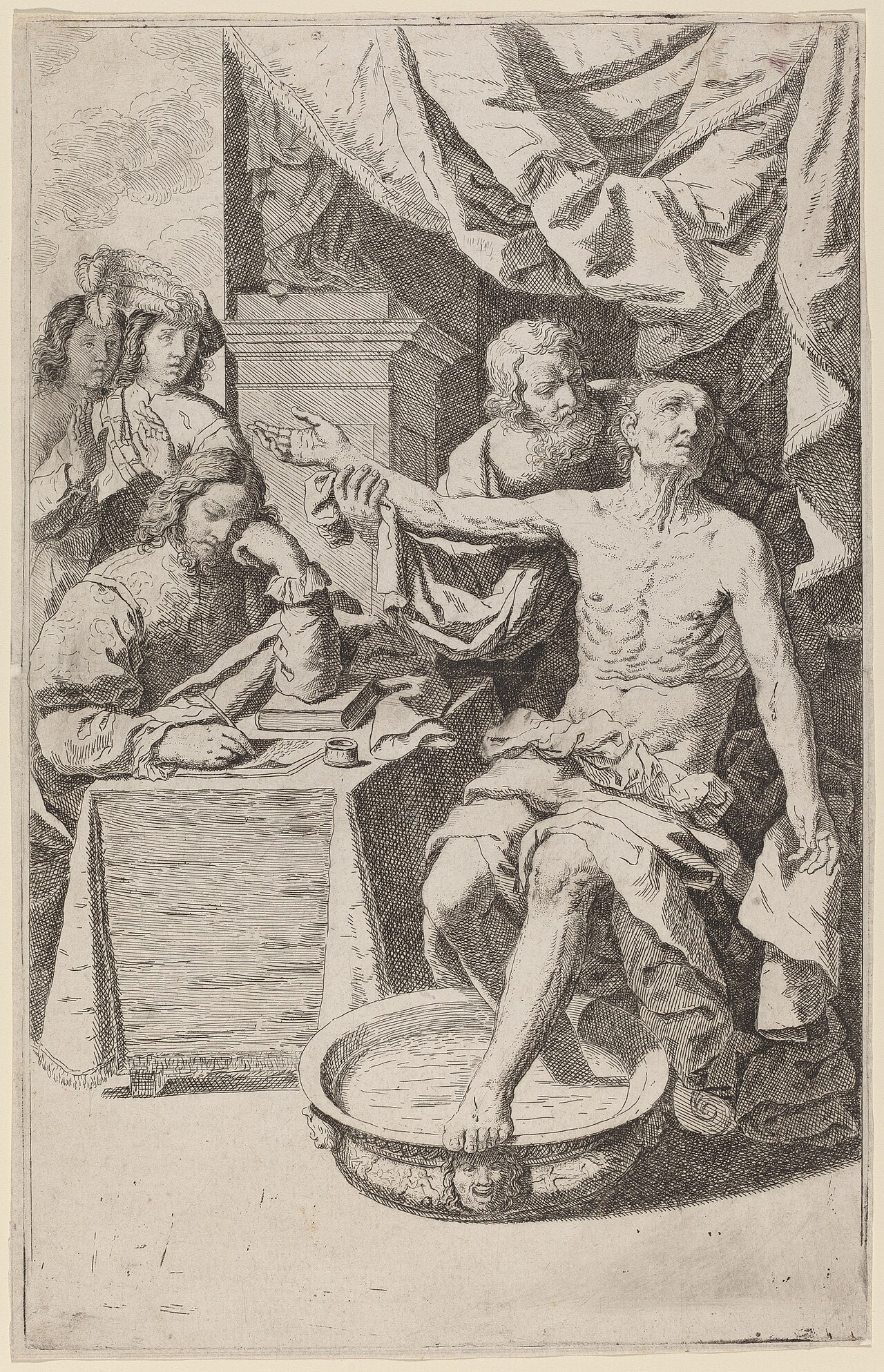
The Death of Seneca (etching by Lodovico Lana)
Lodovico Lana
A black-and-white etching by the Italian artist Lodovico Lana showing an old man's death in a bath, a later imagined scene of Seneca's end.
Shows an Italian artist's later imagined version of Seneca's death, with a writer present, which links the scene to his life as a writer.
About this source
What it is
This is a black-and-white etching by Lodovico Lana, an Italian artist. The date is not recorded in the facts available. It shows an old, thin, partly nude man seated in a bath with his feet in a basin. He lifts a cloth toward a bearded man behind him. At left, a seated man writes at a table while two richly dressed men look on. The image is a later imagined scene of the death of Seneca.
Why it matters
Artists returned to Seneca's death because it was a famous episode in the life of a Roman thinker. This etching shows how an Italian artist arranged the scene, with a writer present at the side. The writer suggests that Seneca's words and thoughts were part of how his death was remembered.
Look closer
- What is the man at the table doing, and why might the artist include him?
- How does the black-and-white medium change what you notice in the scene?
- What does the image leave out about the reasons for the death and what was said in the room?
This painting is part of the curated material that grounds the AI version of Seneca on Humy.ai — when students ask about related events, the AI can quote it and cite it.
More Seneca sources
Meet the AI Seneca →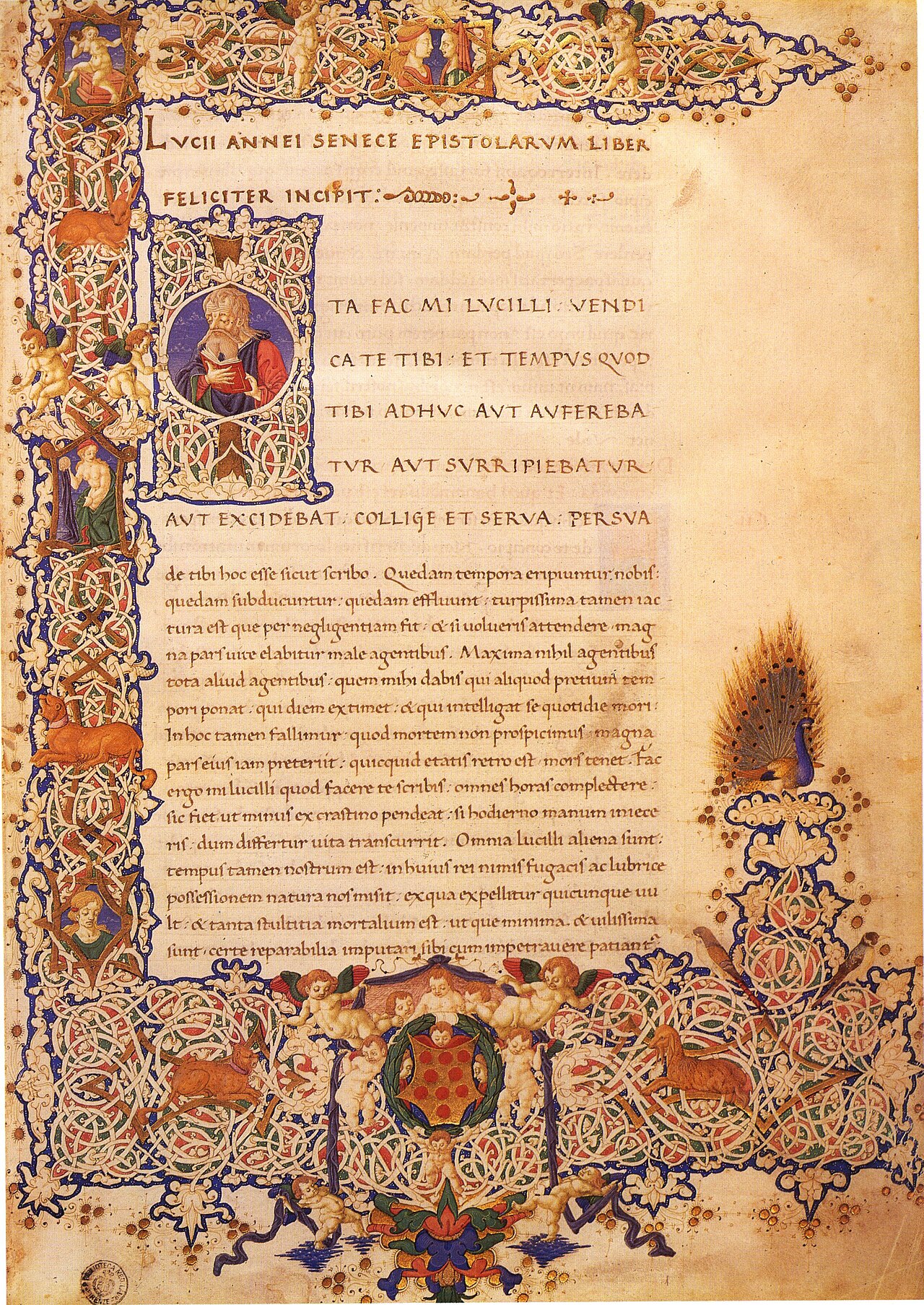 Letter
Primary source
Epistulae Morales ad Lucilium
Seneca · c. 62-65 CE
 Book
Primary source
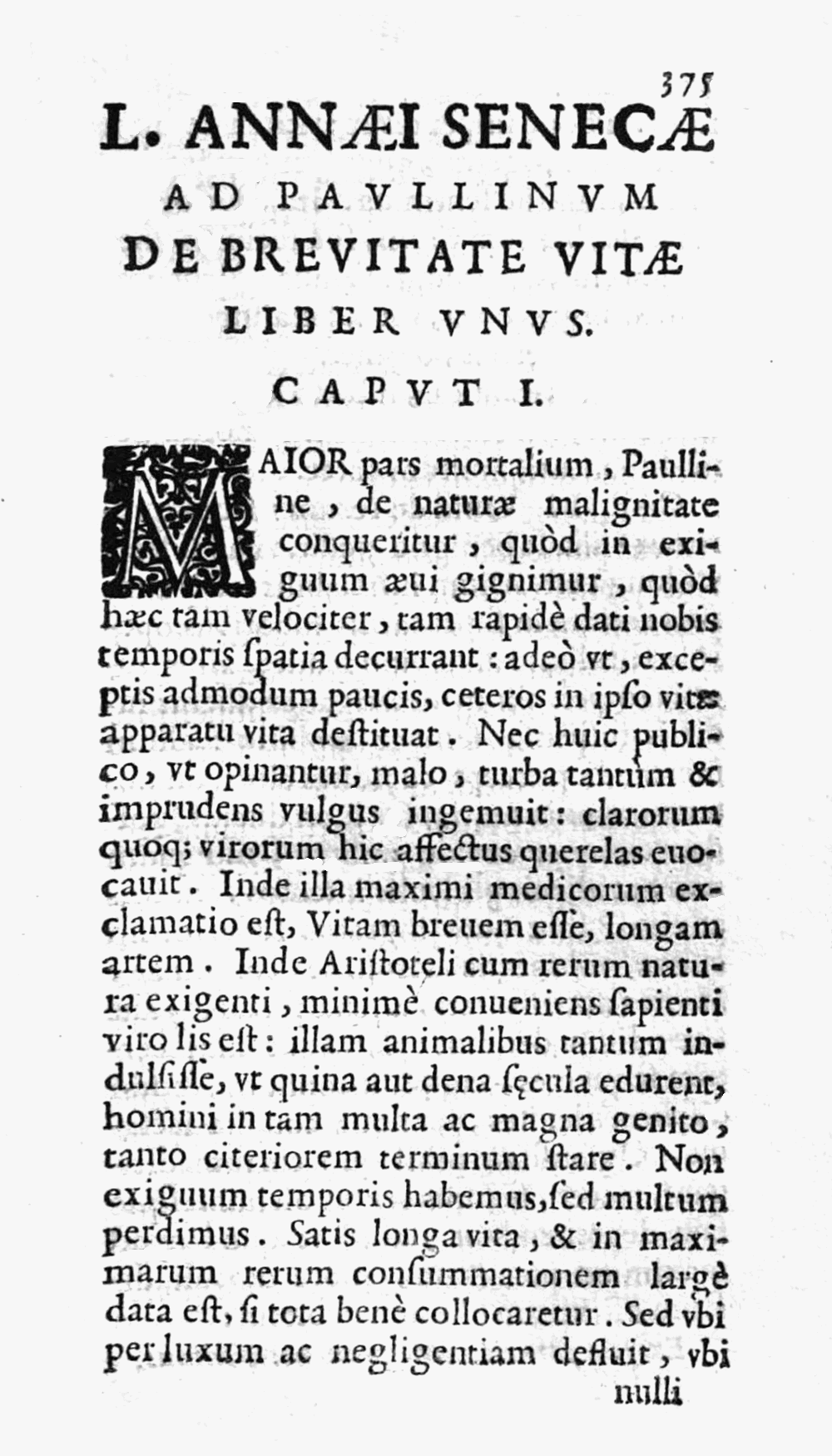
De Brevitate Vitae
Seneca · c. 49 CE
 Book
Secondary source
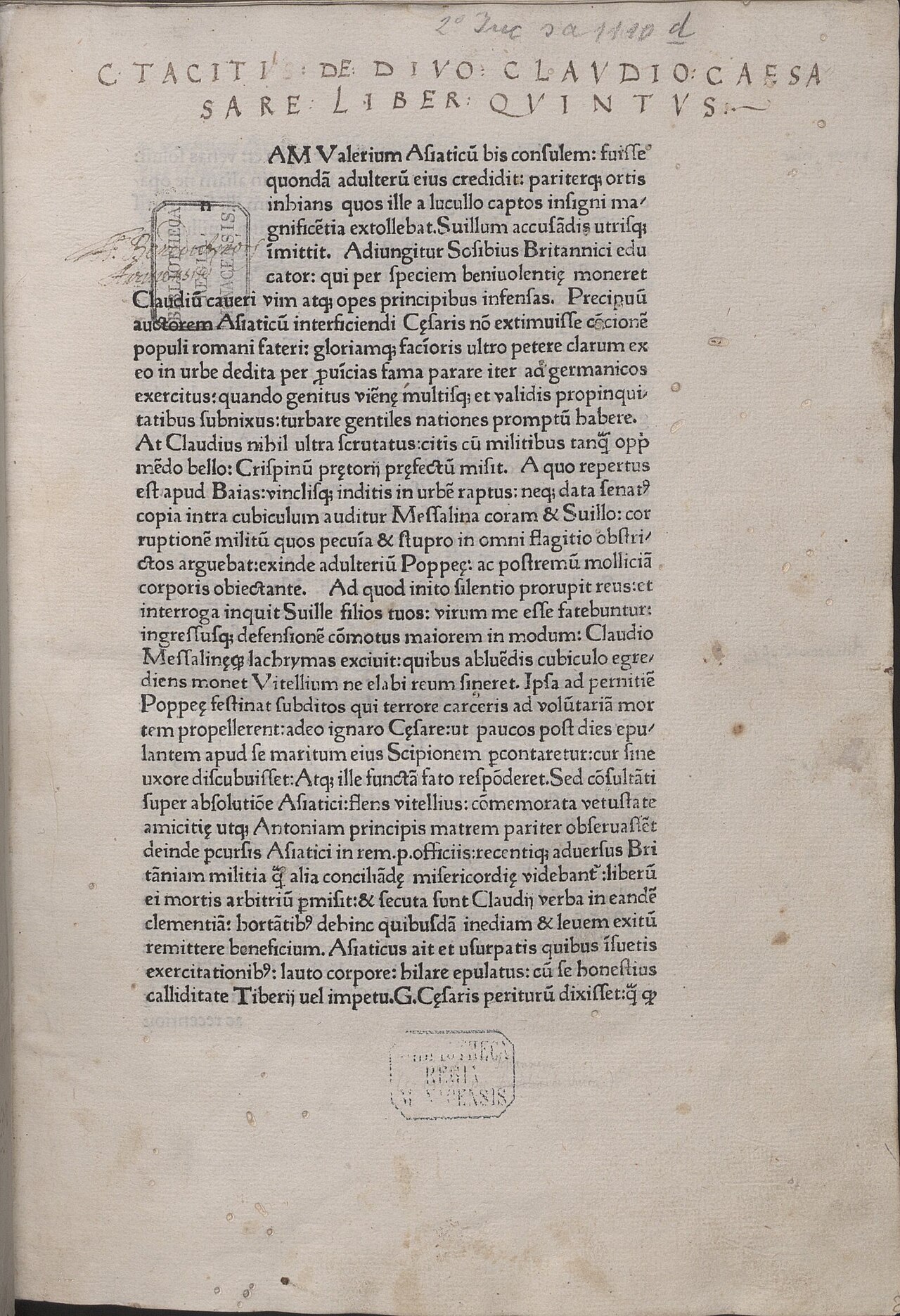
Annals
Tacitus · c. AD 116 or later
 Book
Primary source
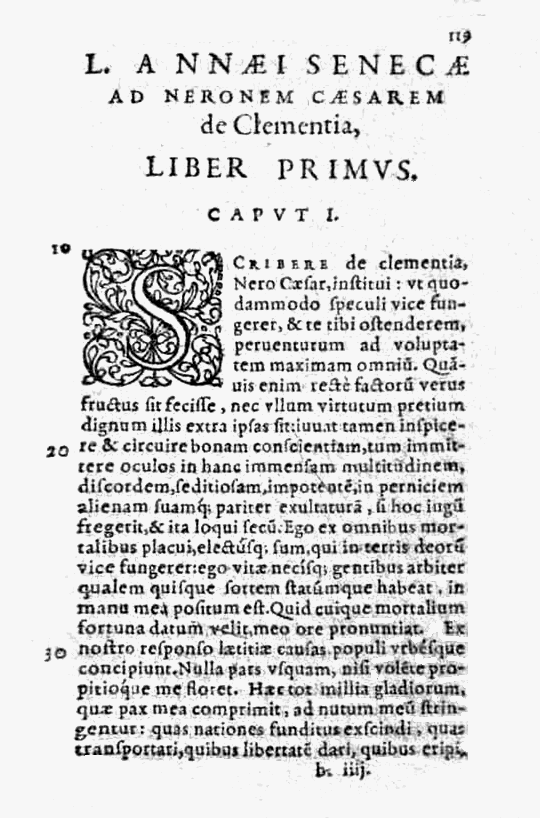
De Clementia
Seneca · 55-56 CE
 Sculpture
Secondary source
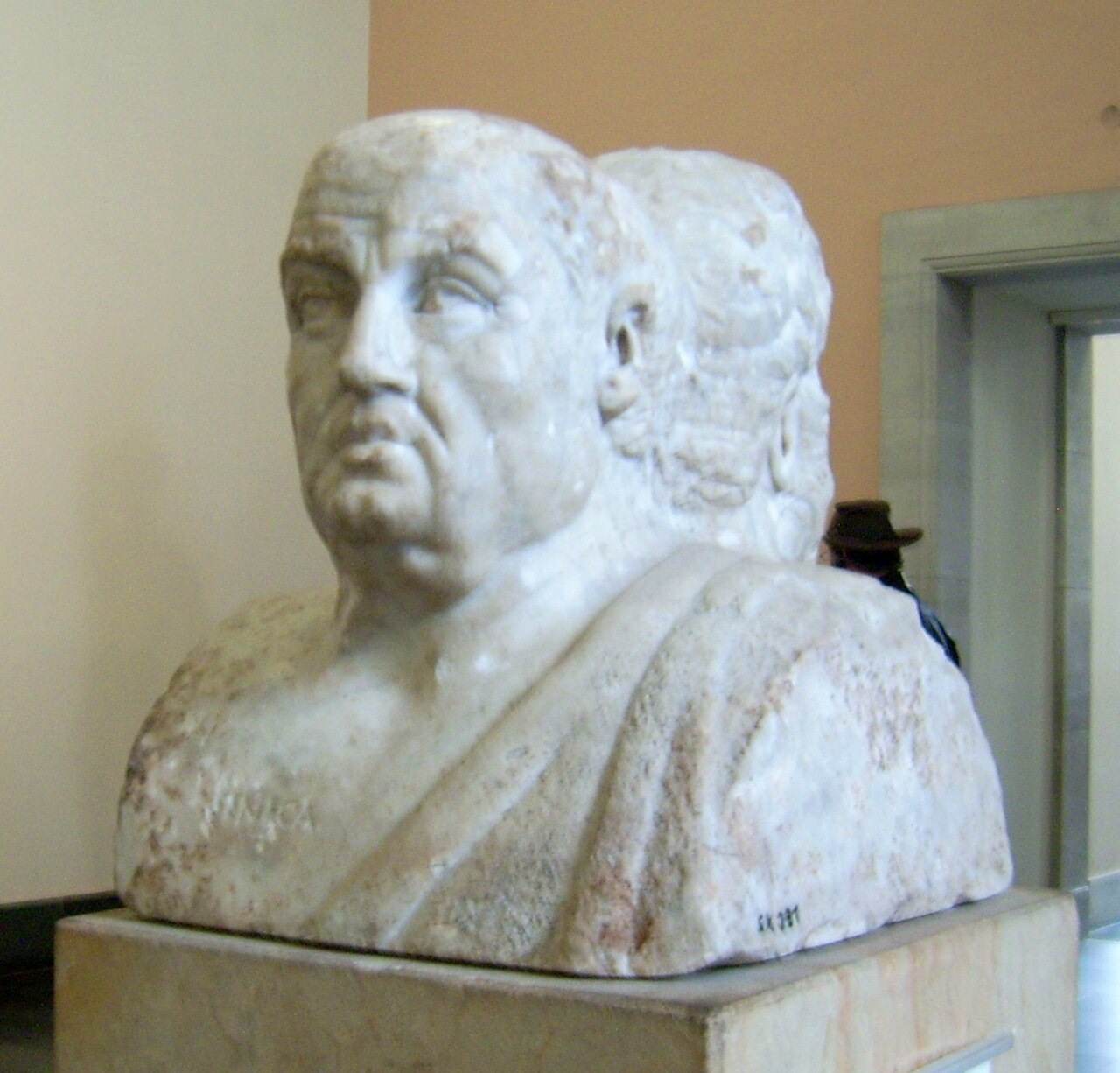
Double Herm of Socrates and Seneca
first half of the 3rd century AD
Ready when you are
Start chatting with Seneca now.
20 messages free · No credit card · Available in 50+ languages.