


Secondary sourceSculptureca. 3rd century
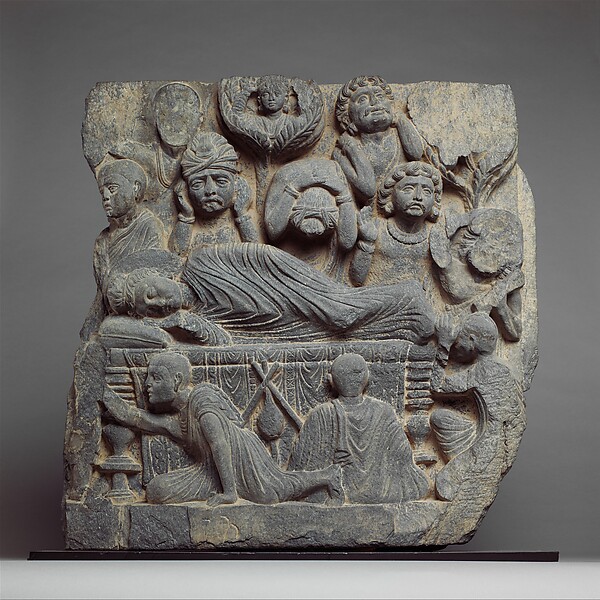
The Death of the Buddha (Parinirvana)
ca. 3rd century
A carved stone relief from ancient Gandhara showing the Buddha's death and passing into final nirvana, surrounded by mourners.
Depicts the Buddha's death and final nirvana, a key moment in his life story.
About this source
What it is
This is a stone relief panel carved from grey schist in the ancient region of Gandhara (now in Pakistan), dating to around the 3rd century, during the Kushan period. It shows the Buddha reclining on a bed, with mourning figures gathered around him. It is now held at The Metropolitan Museum of Art.
Why it matters
This relief is one of many early artworks that tried to show the Buddha's final moment, called the parinirvana, when he died and entered final nirvana. Gandharan artists created some of the earliest images of the Buddha in human form, blending local traditions with Greek-influenced sculpture styles. It shows how important this moment was to early Buddhist communities, who used art to retell and remember the Buddha's life and death.
Look closer
- What emotions do the faces of the mourning figures show?
- Why might artists have chosen to carve this scene in stone rather than paint it?
- What does this relief suggest about how people understood death in early Buddhism?
This sculpture is part of the curated material that grounds the AI version of Buddha on Humy.ai — when students ask about related events, the AI can quote it and cite it.
More Buddha sources
Meet the AI Buddha →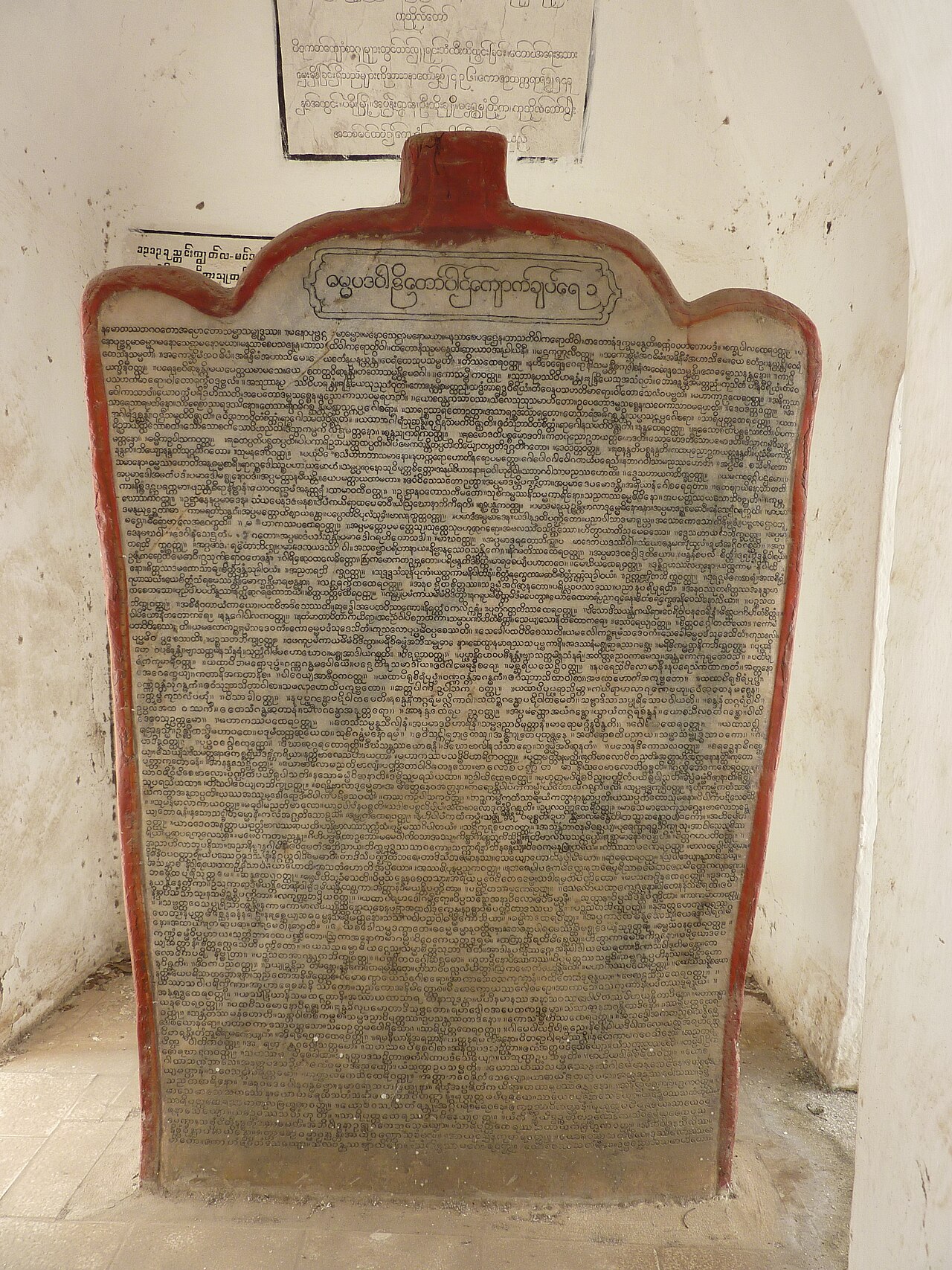 Book
Secondary source
Dhammapada
Attributed to the Buddha · c. 3rd century BCE compilation
 Painting
Secondary source
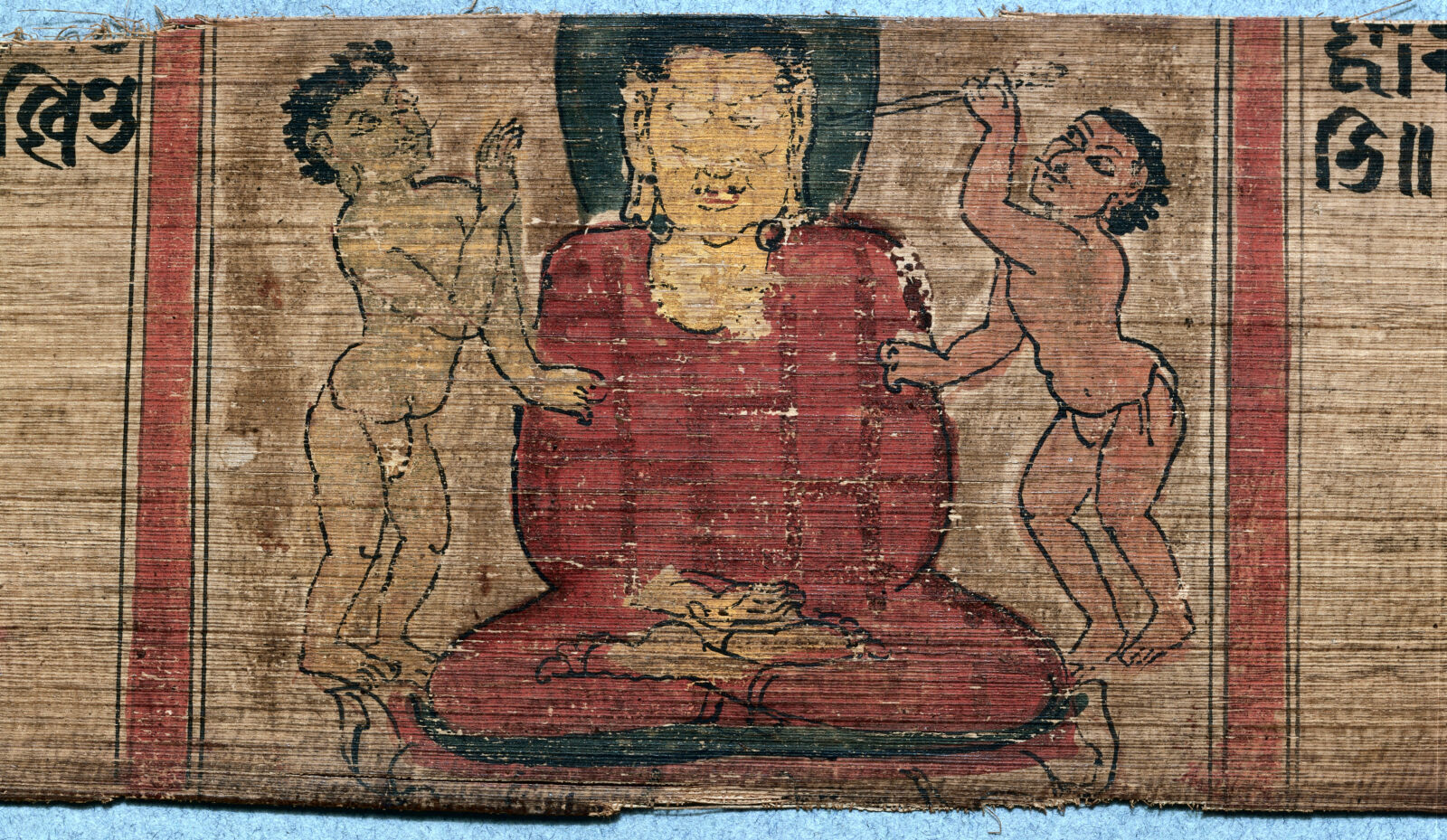
Buddha in Dhyana, Perfection of Wisdom Sutra Manuscript
1074
 Sculpture
Secondary source
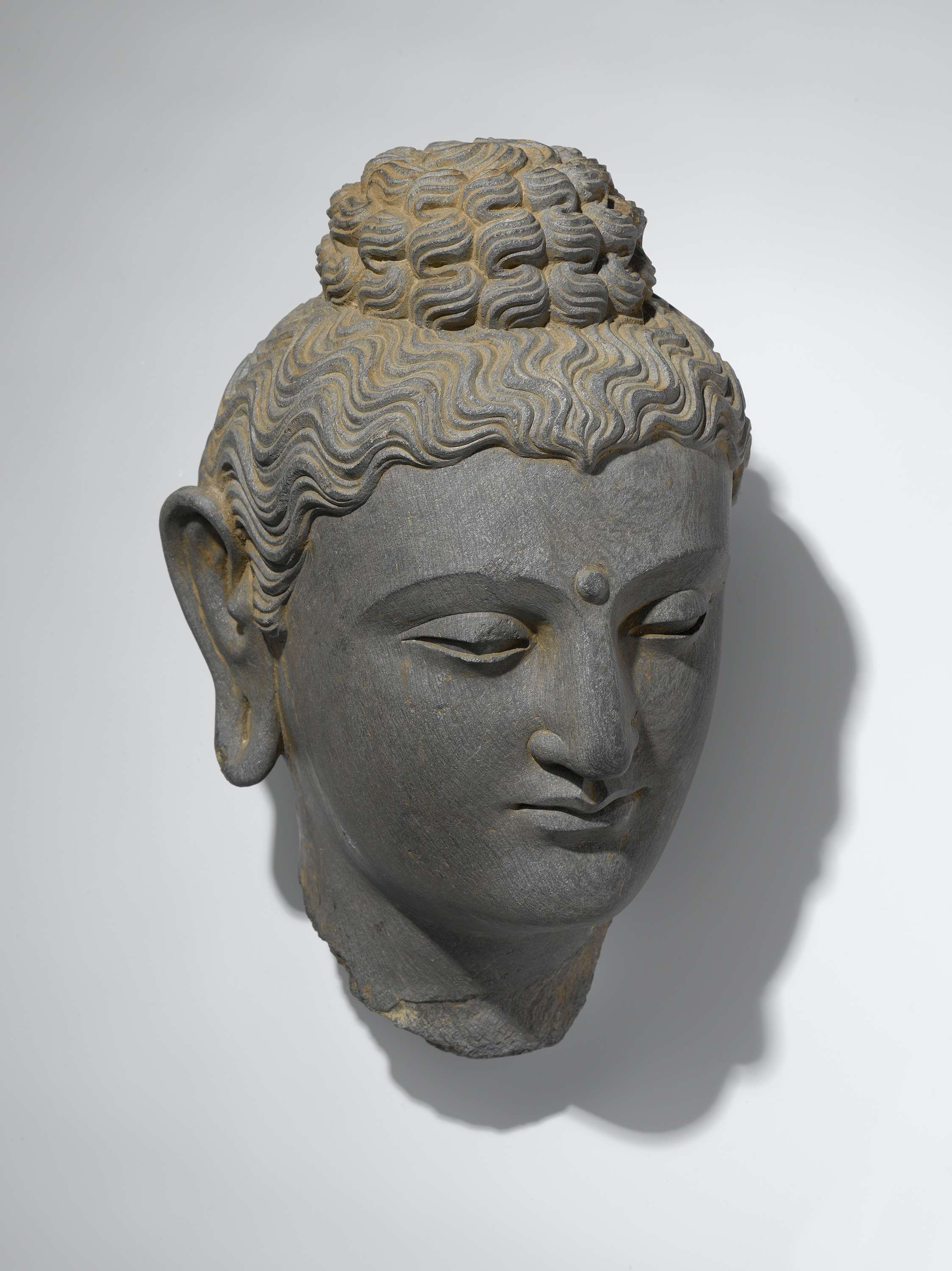
Head of the Buddha, Gandhara style
 Book
Secondary source
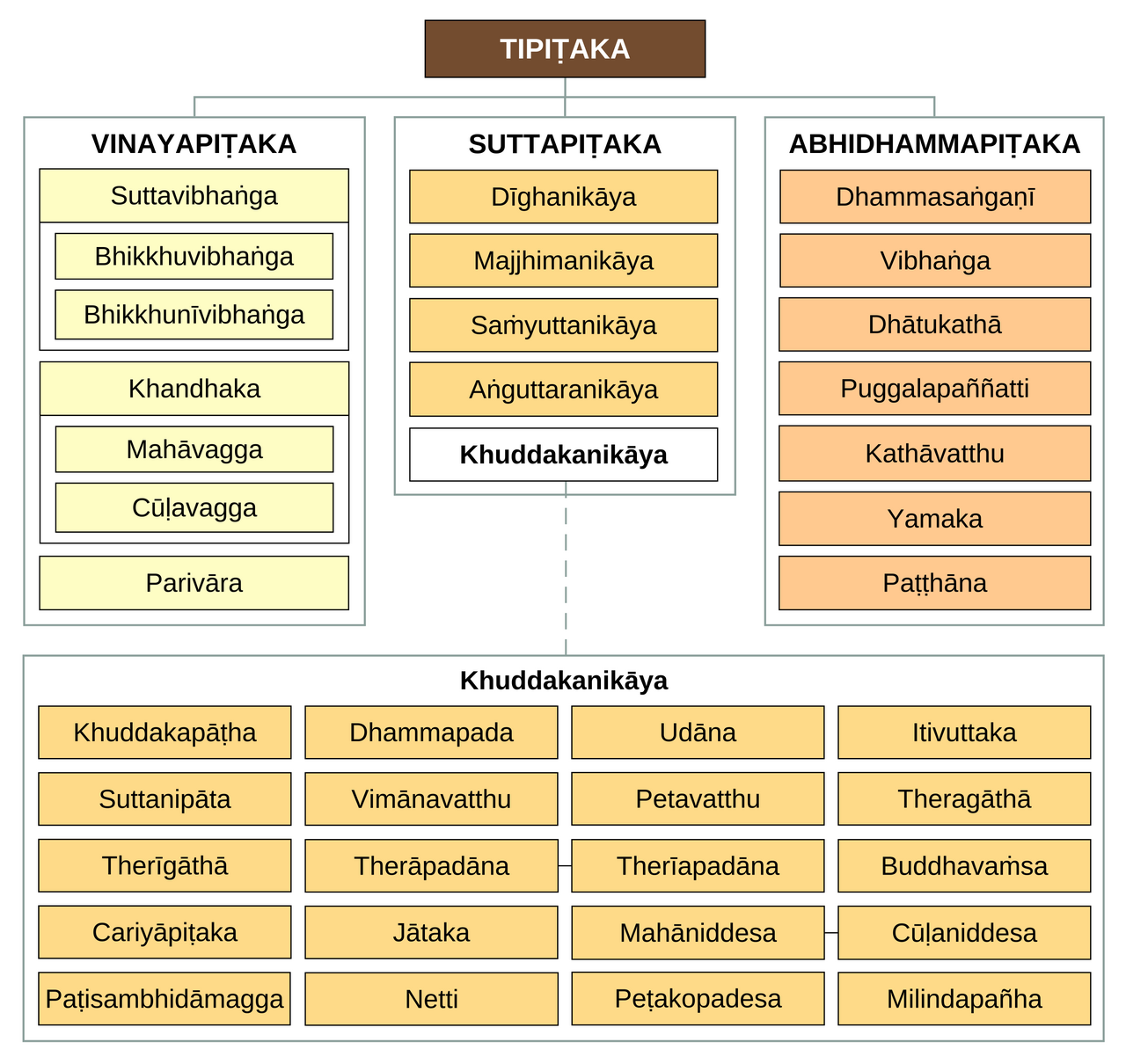
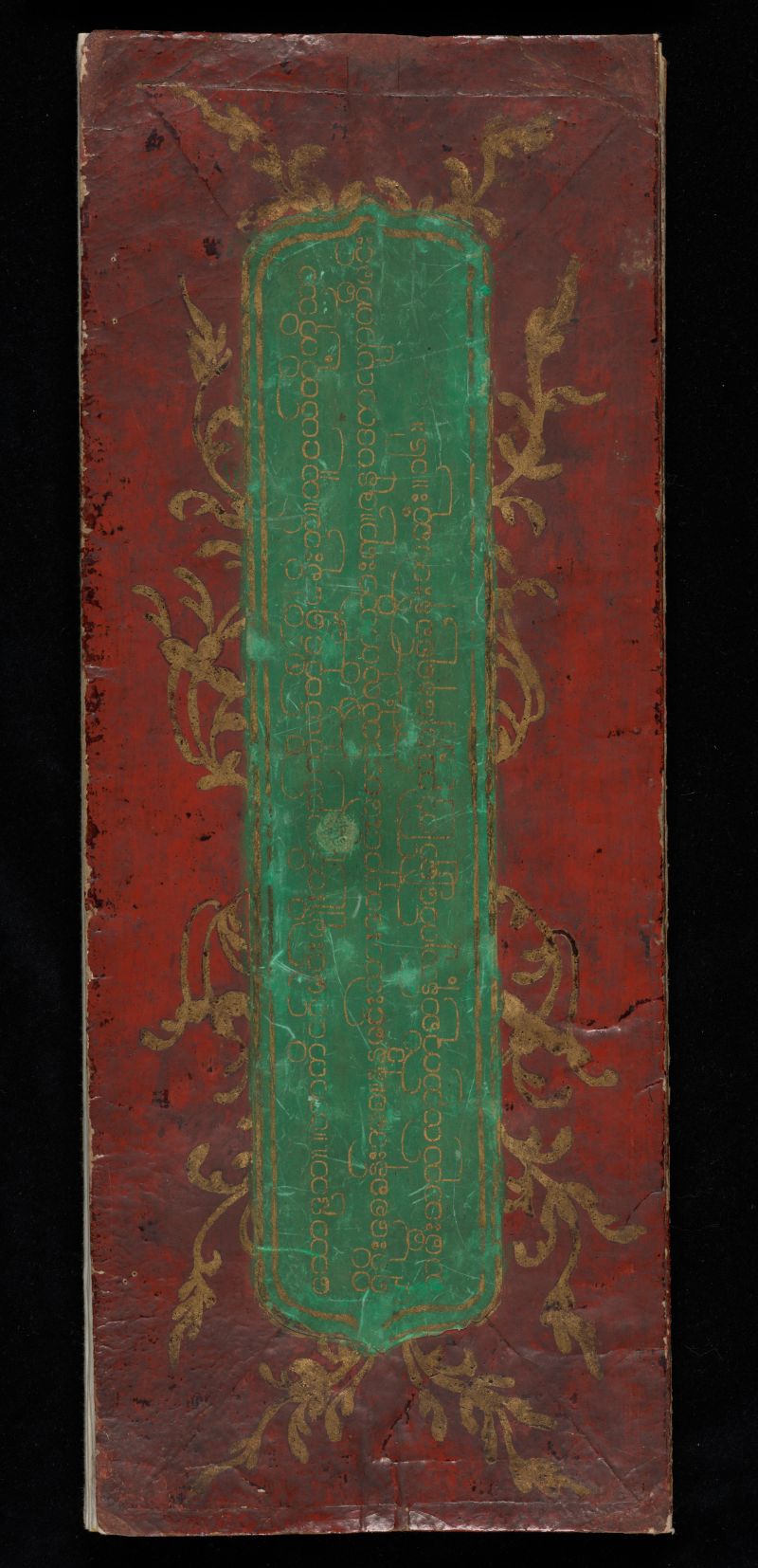
Pali Canon (Tipitaka)
Early Buddhist sangha · oral from 5th century BCE; written c. 29 BCE
 Document
Secondary source
Life of the Buddha
19th century
Ready when you are
Start chatting with Buddha now.
20 messages free · No credit card · Available in 50+ languages.