


Primary sourceSculpturec. 645 BCE
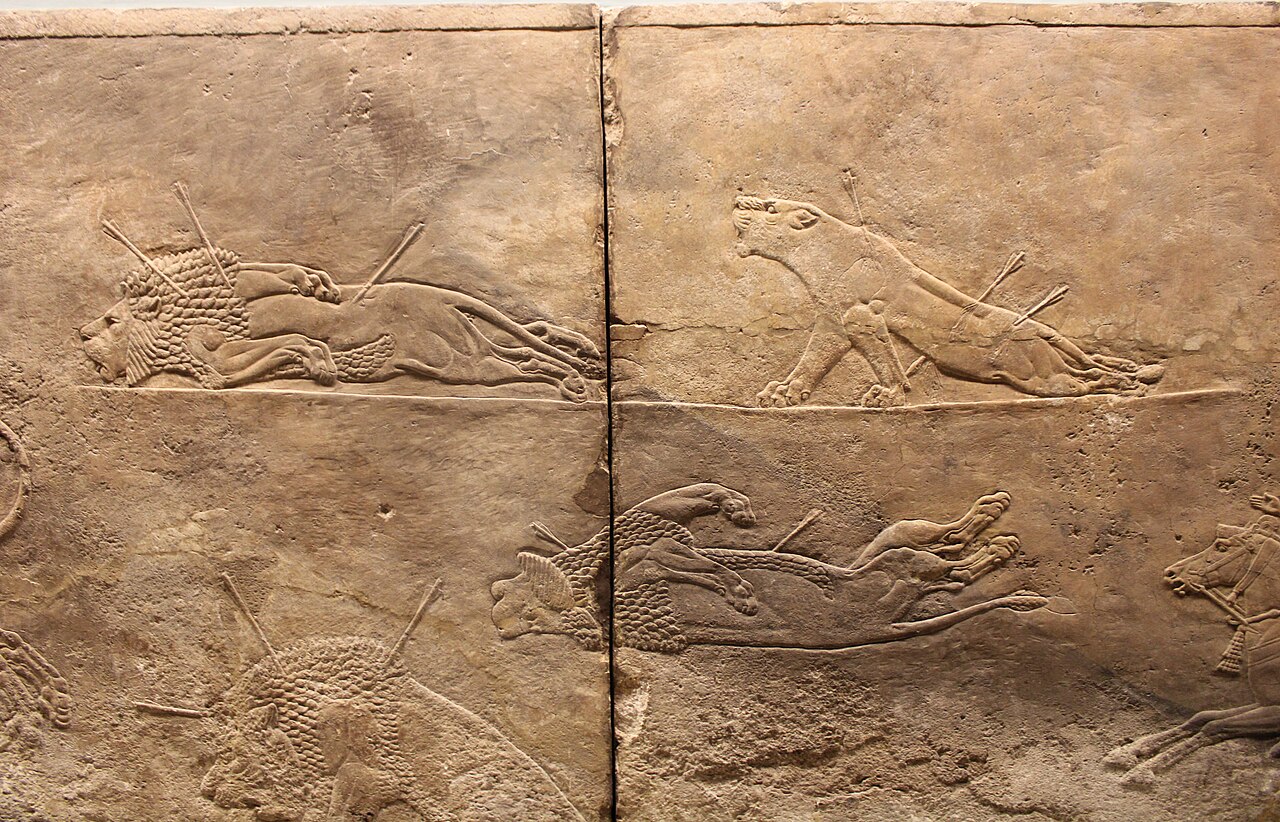
The Dying Lioness
Assyrian royal sculptors · c. 645 BCE
A famous relief panel from the royal hunt cycle commissioned by Ashurbanipal, showing a lioness pierced with arrows as she collapses.
Ashurbanipal commissioned this relief as part of the royal hunt cycle celebrating his kingship.
About this source
What it is
Made by Assyrian royal sculptors around 645 BCE and now in the British Museum, this relief panel comes from the Northern Palace at Nineveh. It shows lions and a lioness dead or dying, pierced with arrows, from the cycle of reliefs depicting the royal lion hunt.
Why it matters
This panel is considered the best-known single image from the hunt reliefs commissioned under Ashurbanipal's patronage. It shows the skill of Assyrian sculptors and the symbolic importance of the royal lion hunt, which displayed the king's courage and right to rule through mastery over dangerous animals.
Look closer
- What makes this image feel emotional even though it shows an animal, not a person?
- Why would a king want to be shown hunting lions?
- What does the detail in the carving tell you about the skill of the artists who made it?
This sculpture is part of the curated material that grounds the AI version of Ashurbanipal on Humy.ai — when students ask about related events, the AI can quote it and cite it.
More Ashurbanipal sources
Meet the AI Ashurbanipal →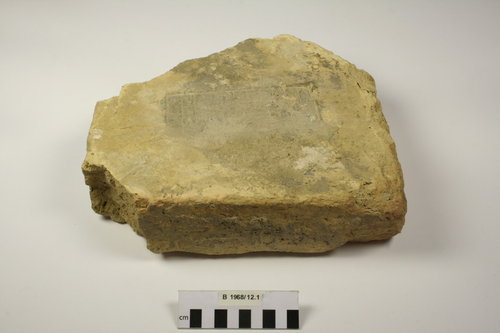 Artifact
Primary source
Baked Brick Naming King Ashurbanipal
7th century BCE
 Sculpture
Primary source
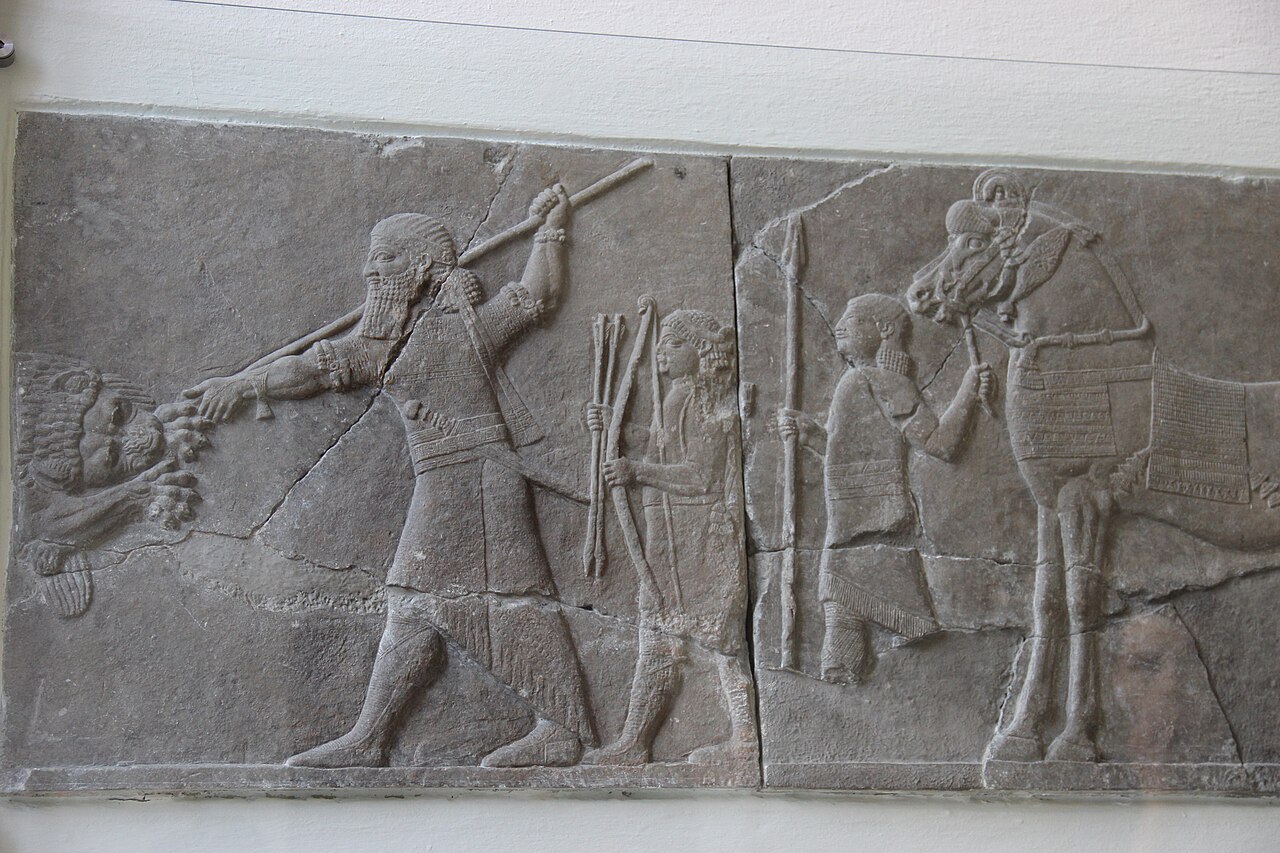
Lion Hunt of Ashurbanipal
Assyrian royal sculptors · c. 645–635 BCE
 Document
Primary source
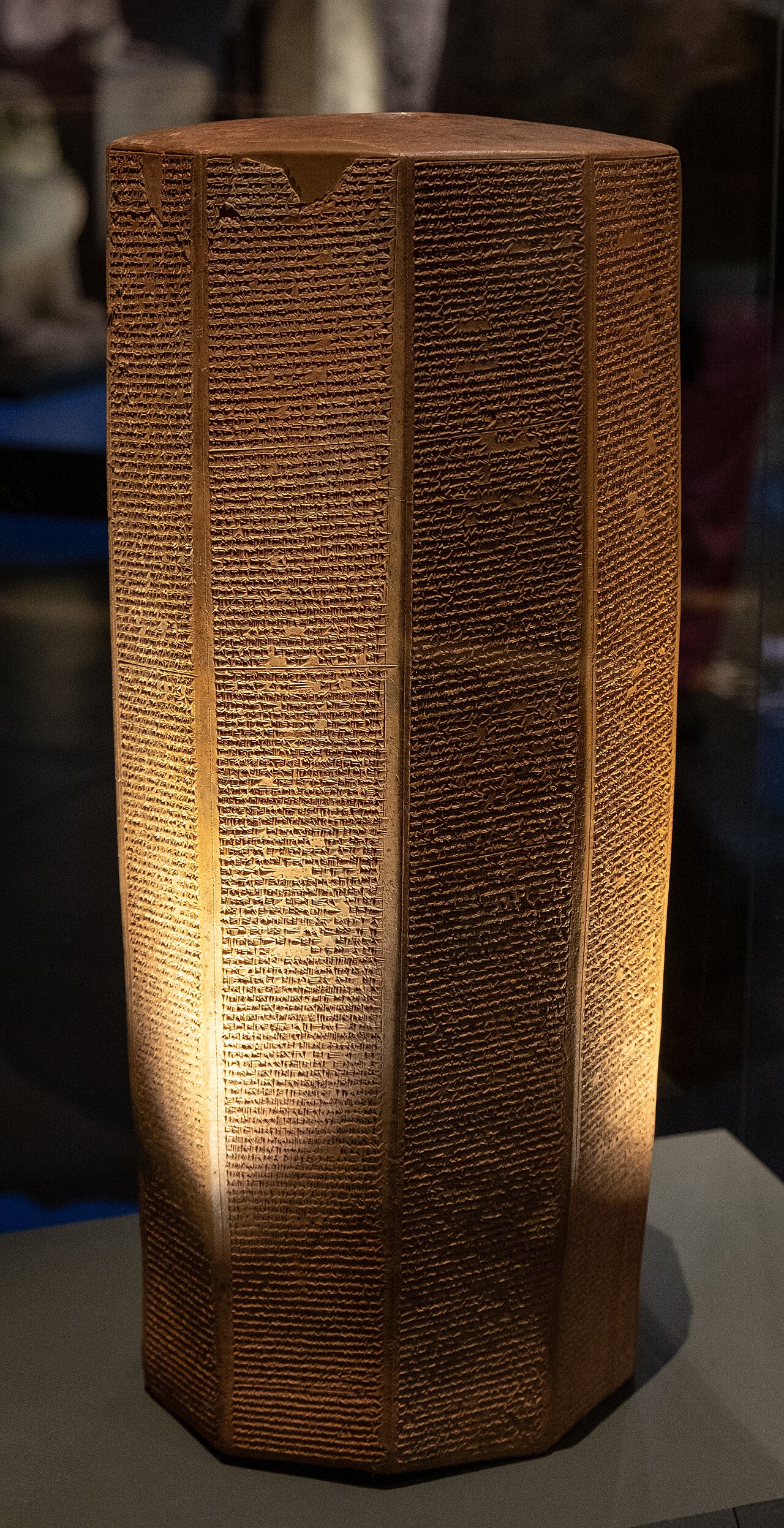
Rassam Prism of Ashurbanipal
643 BCE
 Painting
Secondary source
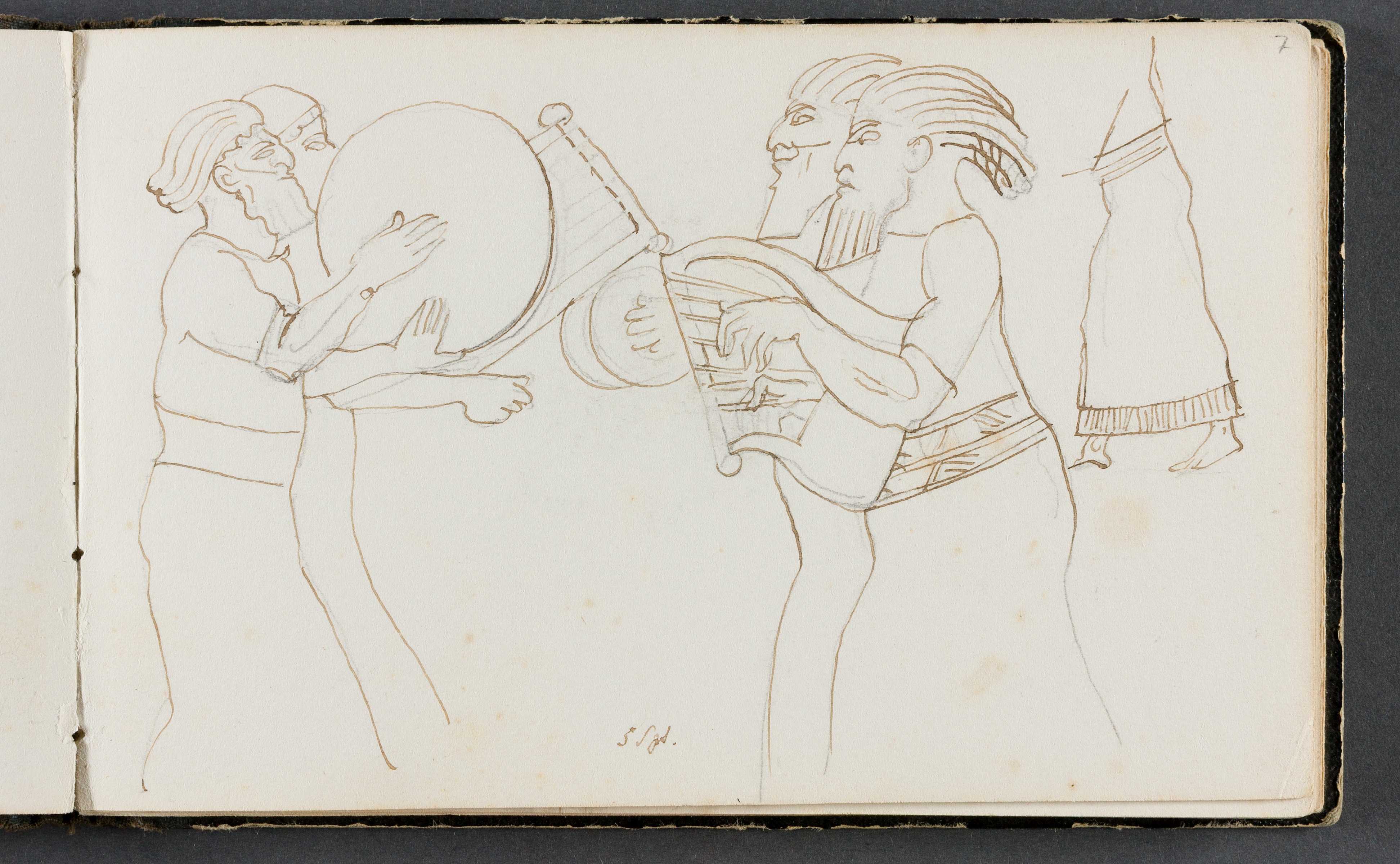
Relief with Musicians from the Palace of Ashurbanipal in Nineveh
 Document
Primary source
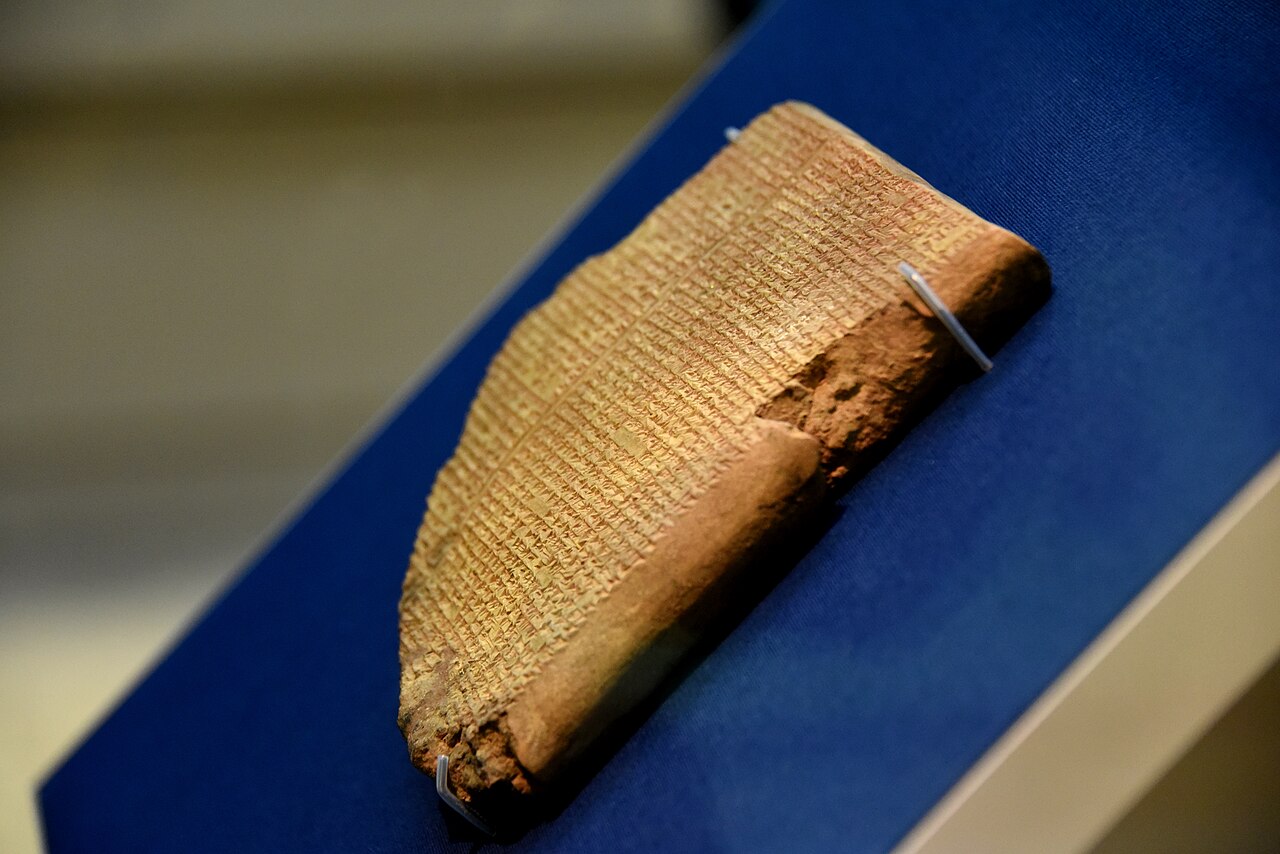
Flood Tablet
Scribes of Ashurbanipal's library · 7th century BCE
Ready when you are
Start chatting with Ashurbanipal now.
20 messages free · No credit card · Available in 50+ languages.