


Secondary sourcePainting1611-1612
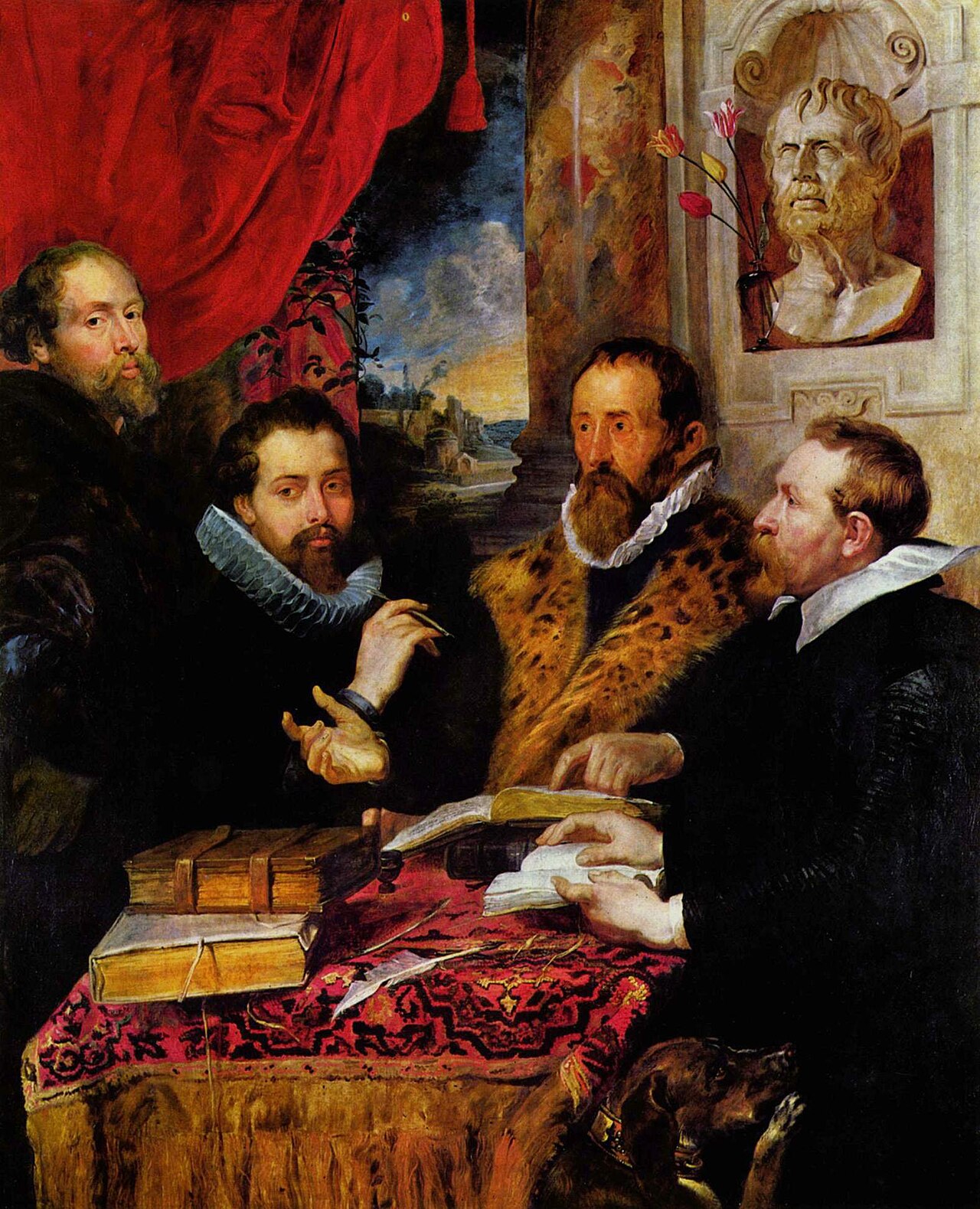
The Four Philosophers
Peter Paul Rubens · 1611-1612
A 1611 painting by Peter Paul Rubens showing himself, his brother and philosopher Justus Lipsius beneath a bust of Seneca, honouring Seneca's influence on Neostoicism.
Seneca appears as a sculpted bust presiding over the scholars, showing his lasting authority in later philosophy.
About this source
What it is
This oil painting was made by Peter Paul Rubens around 1611–12. It shows Rubens, his brother Philip, the Neostoic philosopher Justus Lipsius, and a student named Joannes Woverius gathered in a study. Behind them stands a marble bust of a bearded man, long identified as Seneca. The painting is held today in the Galleria Palatina in Florence.
Why it matters
The painting documents the movement called Neostoicism, led by Justus Lipsius, which revived the ideas of Roman Stoic philosophers like Seneca for Renaissance Europe. By placing the bust above the four men, Rubens shows how Seneca's writings were seen as a source of wisdom centuries after his death. It also reflects personal grief, since Philip Rubens had died that year.
Look closer
- Why do you think the bust is placed higher than the men, looking down on them?
- What objects on the table suggest these are scholars rather than soldiers or merchants?
- What might the painting leave out about Seneca's actual life and death?
This painting is part of the curated material that grounds the AI version of Seneca on Humy.ai — when students ask about related events, the AI can quote it and cite it.
More Seneca sources
Meet the AI Seneca →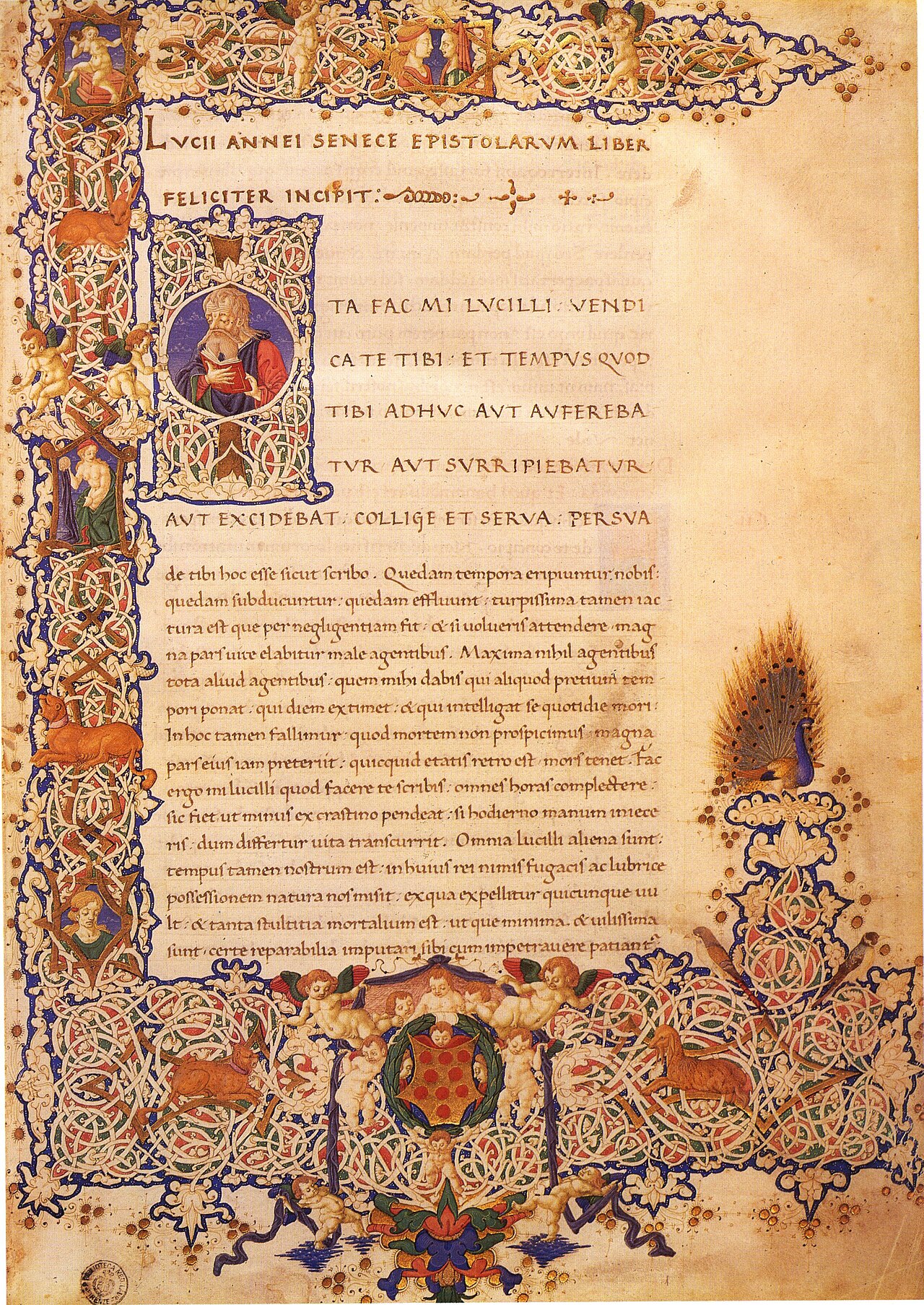 Letter
Primary source
Epistulae Morales ad Lucilium
Seneca · c. 62-65 CE
 Book
Primary source
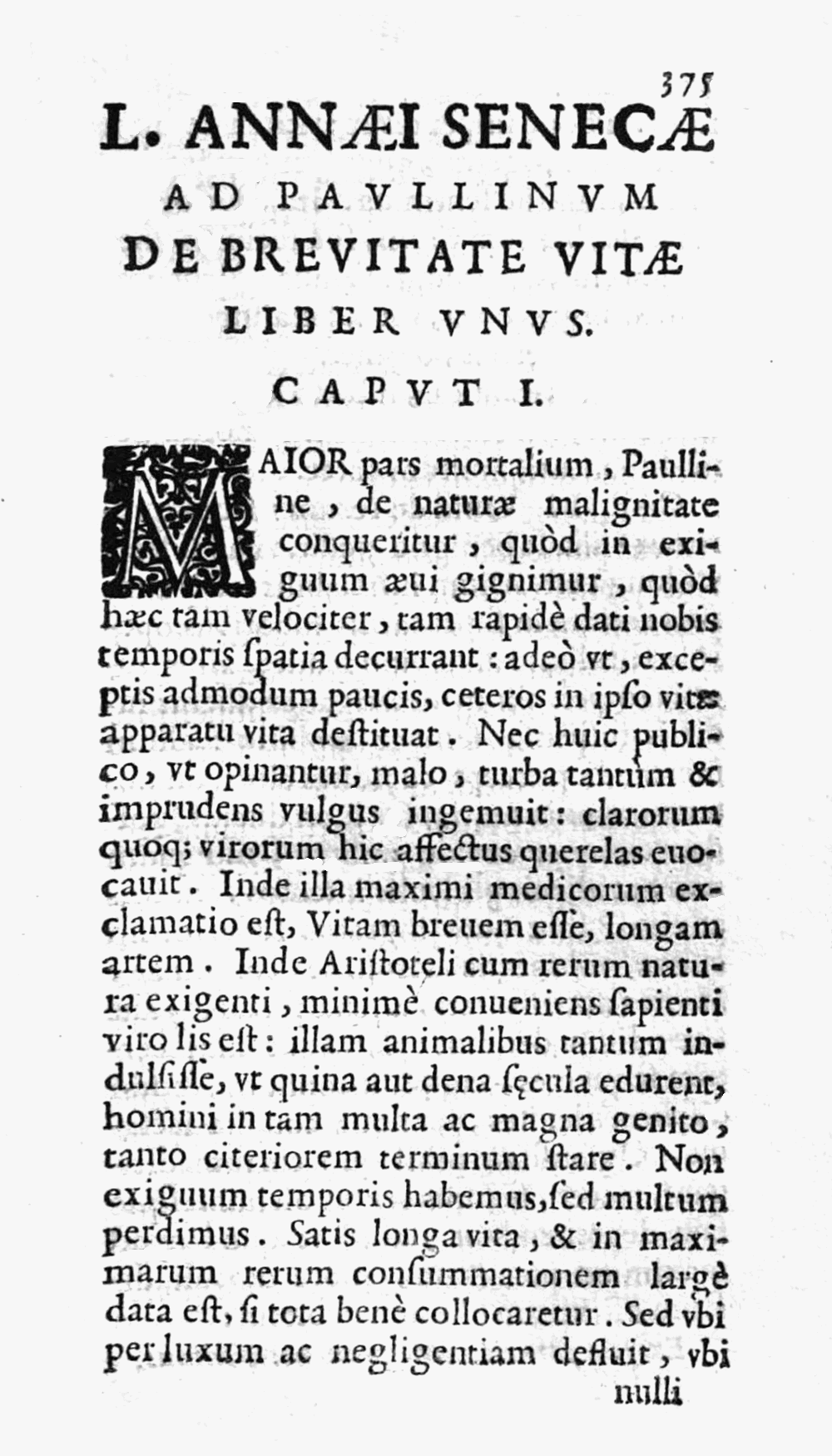
De Brevitate Vitae
Seneca · c. 49 CE
 Book
Secondary source
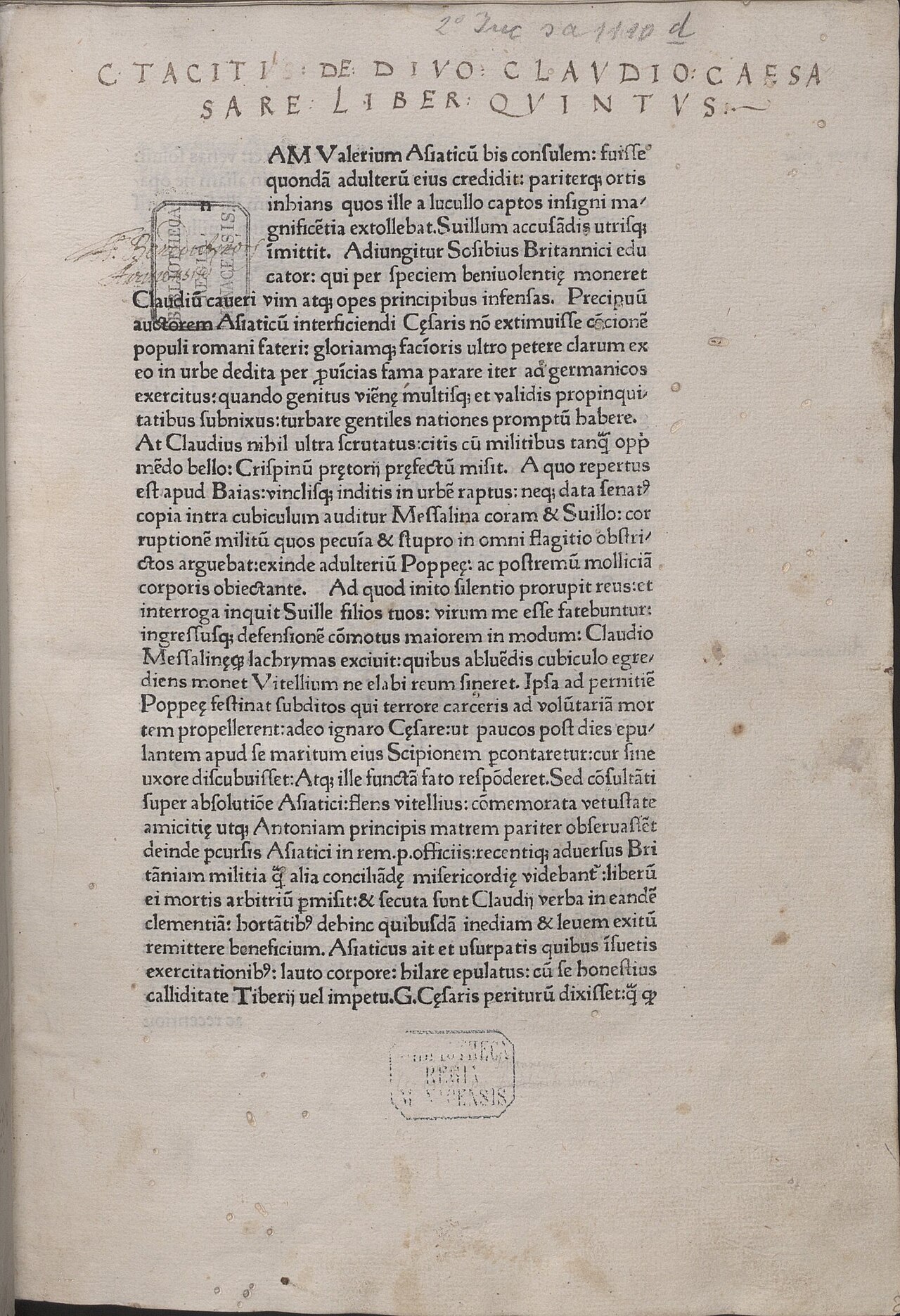
Annals
Tacitus · c. AD 116 or later
 Book
Primary source
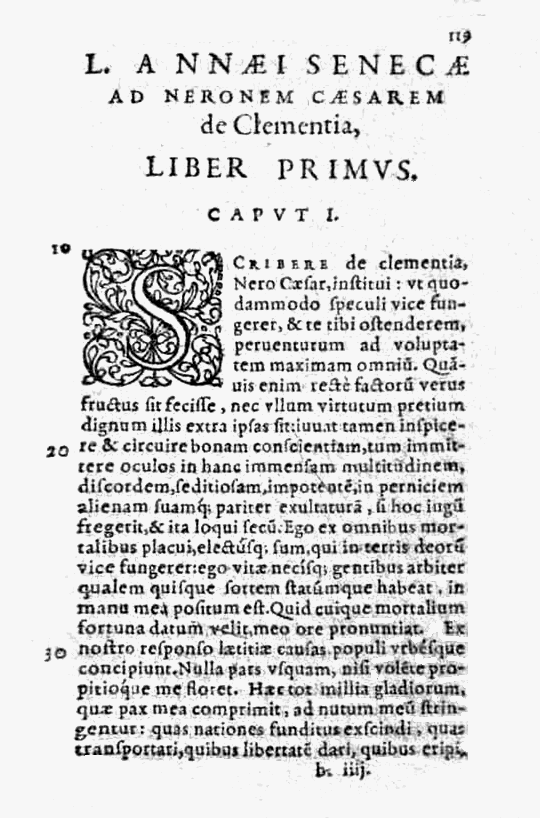
De Clementia
Seneca · 55-56 CE
 Sculpture
Secondary source
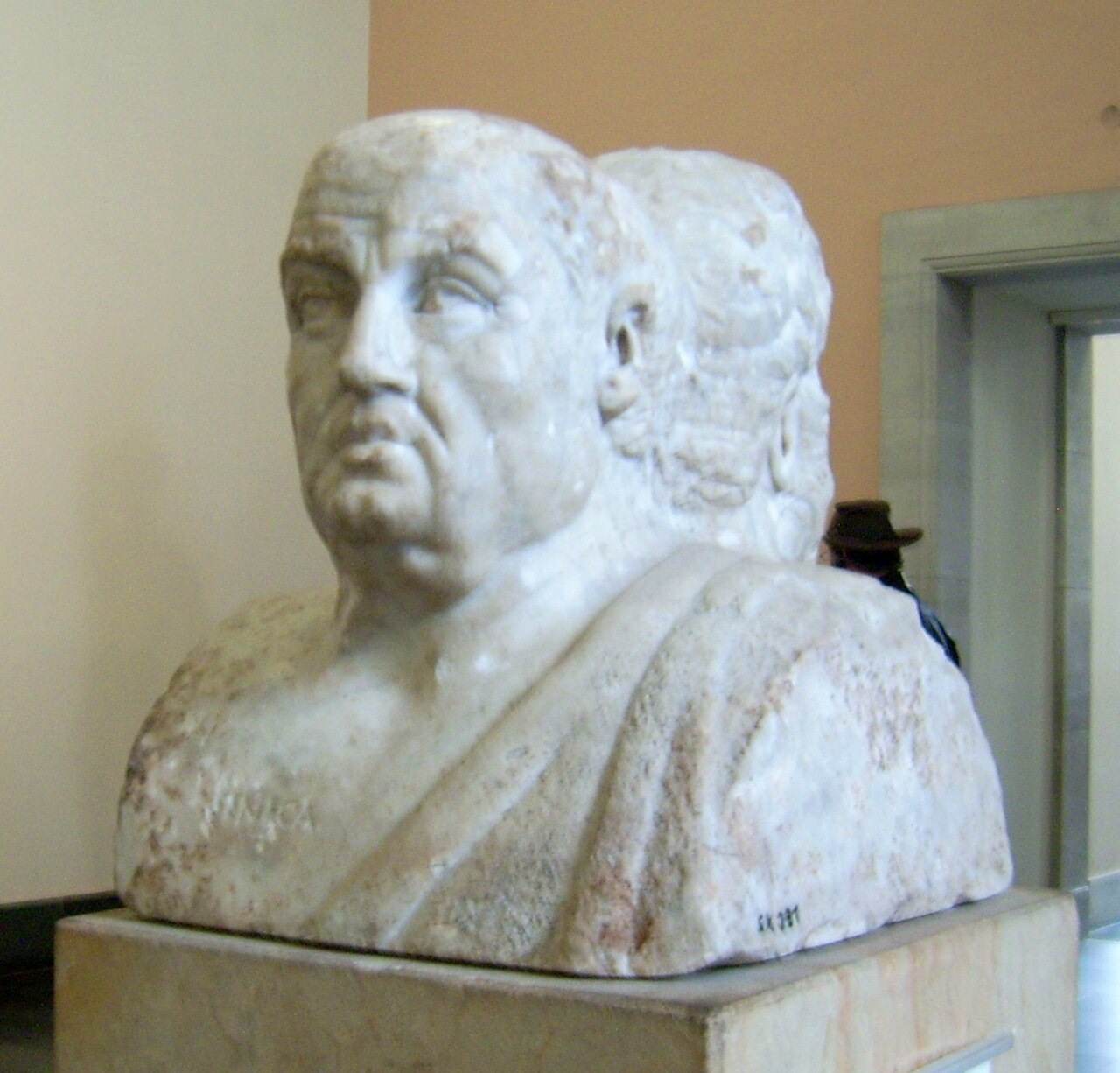
Double Herm of Socrates and Seneca
first half of the 3rd century AD
Ready when you are
Start chatting with Seneca now.
20 messages free · No credit card · Available in 50+ languages.