


Secondary sourceBook1876
The Invention of Printing, Chapter 2
1876
Chapter 2 of a book on the history of printing discusses clay tablets Layard found in Ashurbanipal's library and other ancient methods of impression.
Mentions Ashurbanipal's library and the clay tablets found there, as an example of early writing in a history of printing.
About this source
What it is
This is the second chapter of a book on the invention of printing, published in 1876 and available as a text on Wikisource. The chapter is titled Antique Methods of Impression and their Failure. It covers ancient stamping methods, from Assyrian and Egyptian stamped bricks to Assyrian cylinder seals, Greek maps, Roman stamps and medieval brands. The text notes that unburned clay tablets were found by Layard in the library of Assurbanipal, and that some of them were grammars and primers. The facts here do not name the author.
Why it matters
The chapter argues that stamping is not printing and that printing needed ink, paper, many readers and other conditions before it could work. It treats the Assyrian library as one example of early writing and record-keeping. For students, it shows how nineteenth-century writers used ancient objects to build a history of their own technology.
Look closer
- Why does the author think ancient stamping methods did not lead to printing?
- What does the author use Ashurbanipal's library for in this argument?
- What might a book about printing in 1876 leave out about the people who made these early impressions?
This book is part of the curated material that grounds the AI version of Ashurbanipal on Humy.ai — when students ask about related events, the AI can quote it and cite it.
More Ashurbanipal sources
Meet the AI Ashurbanipal →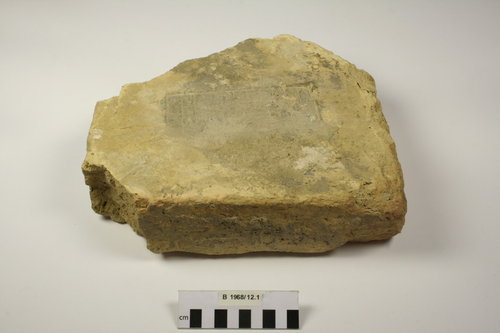 Artifact
Primary source
Baked Brick Naming King Ashurbanipal
7th century BCE
 Sculpture
Primary source
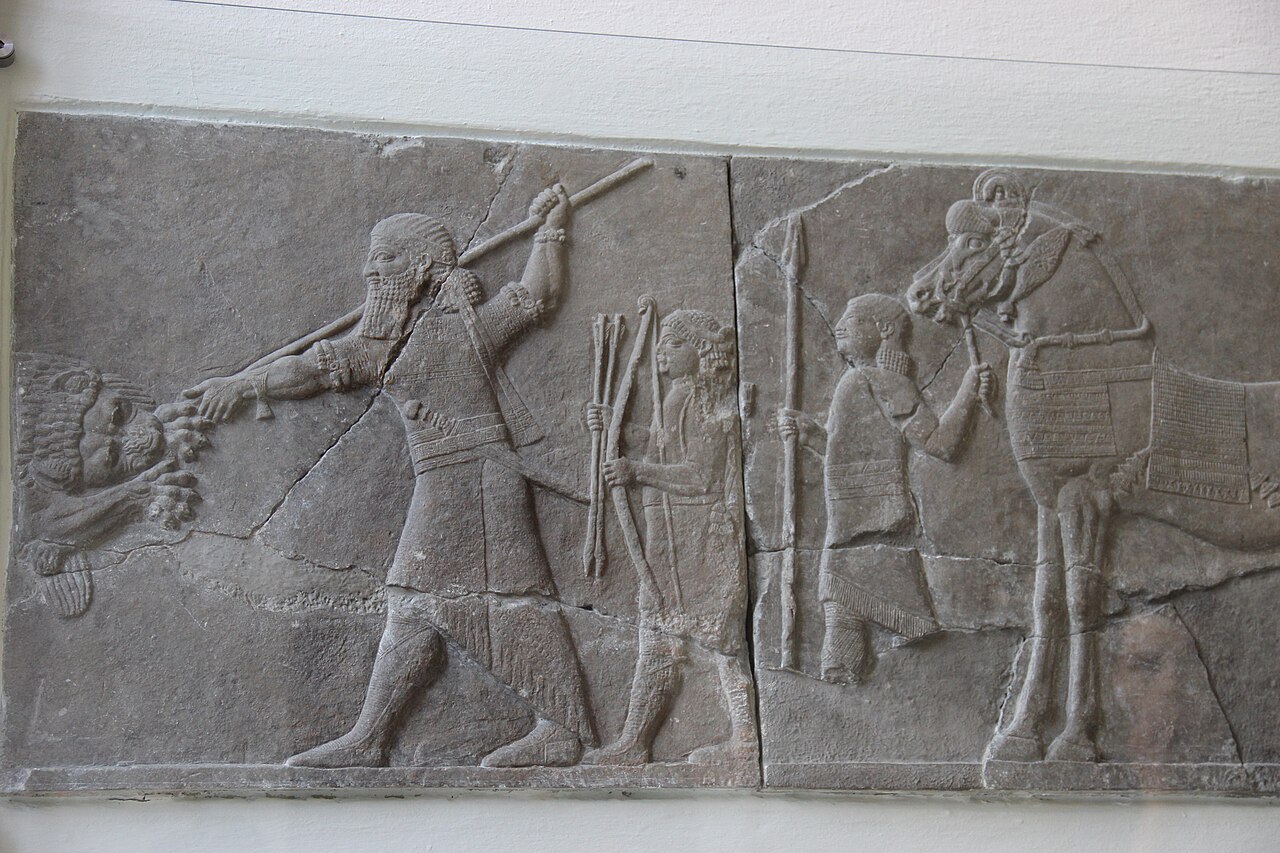
Lion Hunt of Ashurbanipal
Assyrian royal sculptors · c. 645–635 BCE
 Document
Primary source
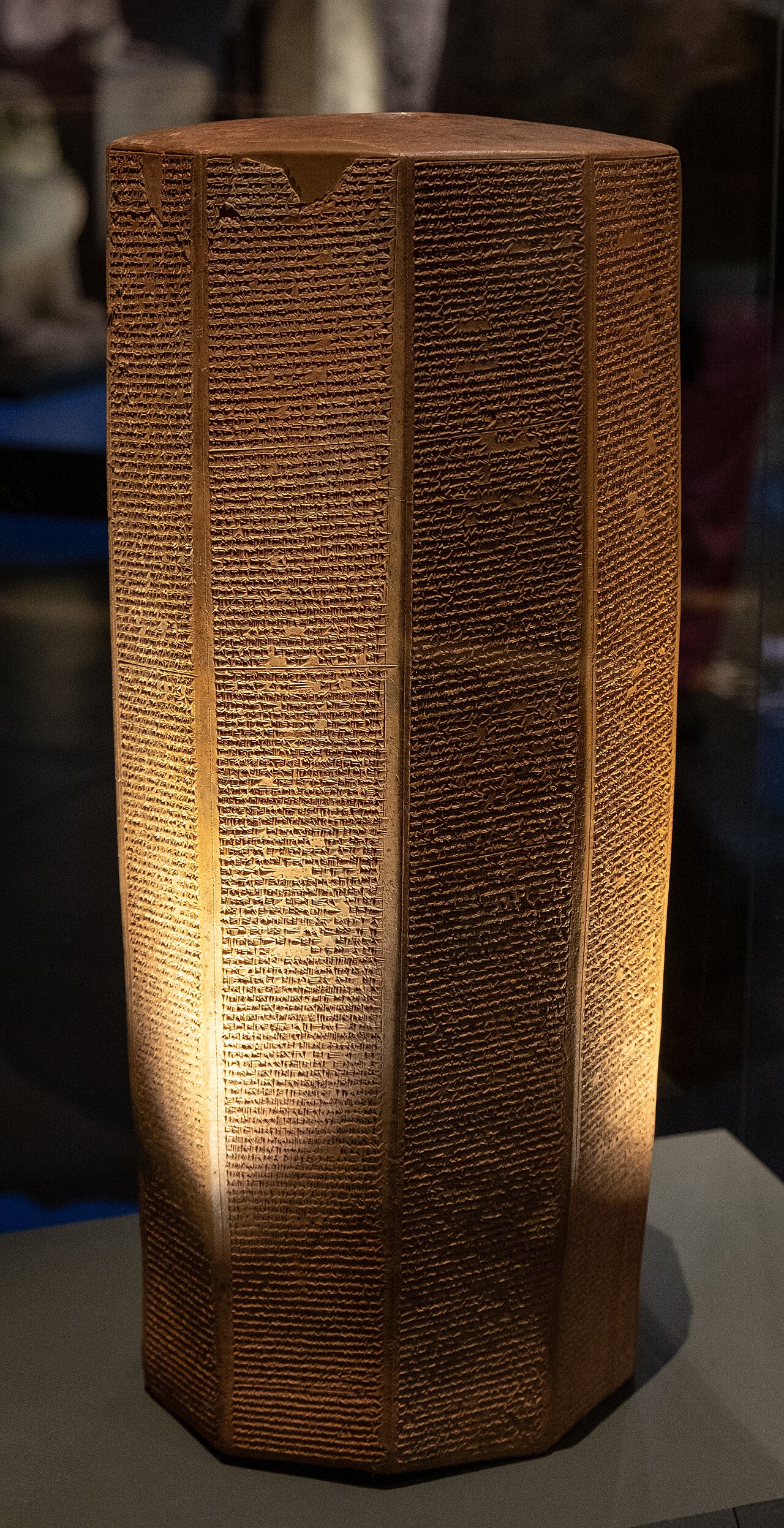
Rassam Prism of Ashurbanipal
643 BCE
 Painting
Secondary source
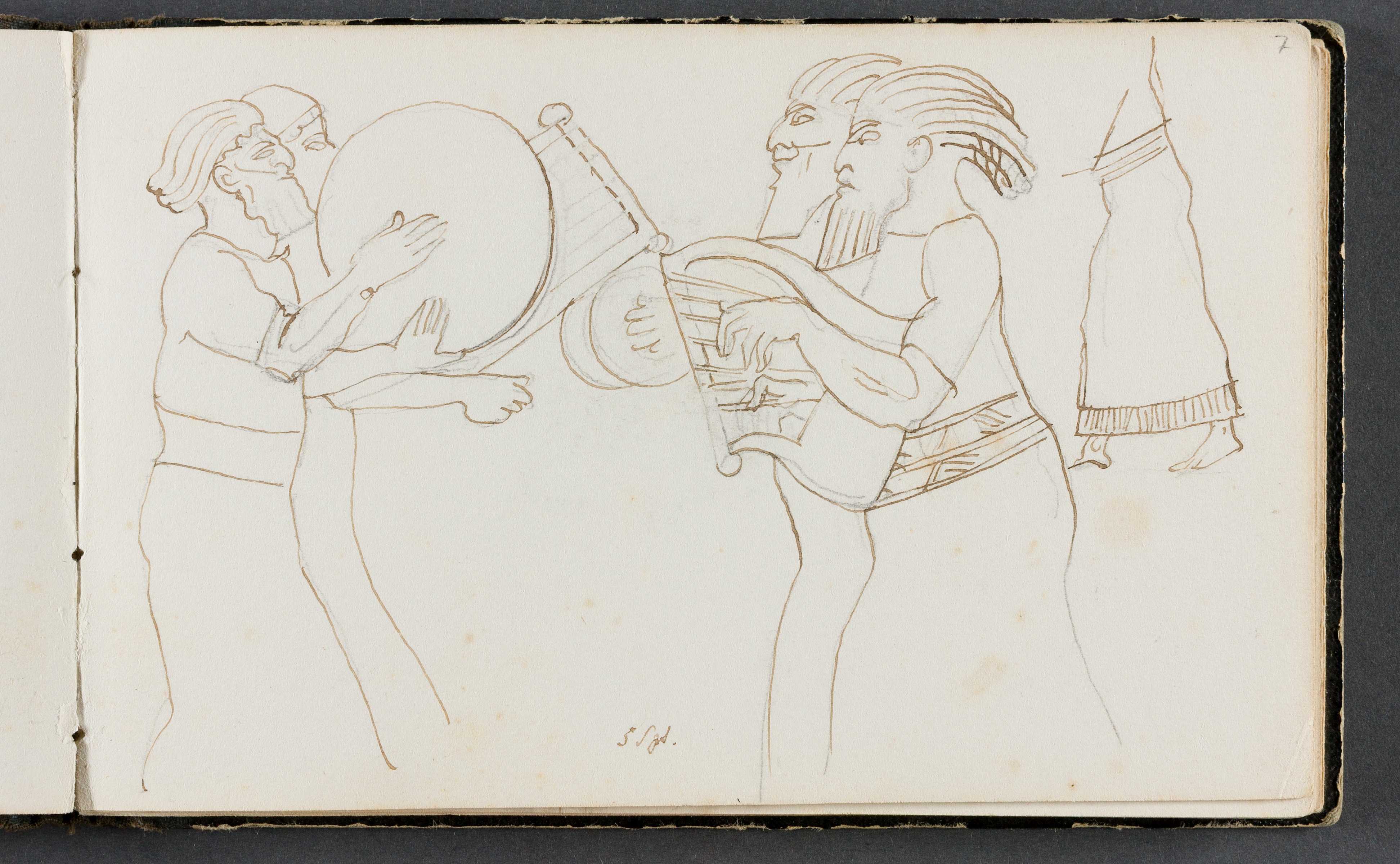
Relief with Musicians from the Palace of Ashurbanipal in Nineveh
 Document
Primary source
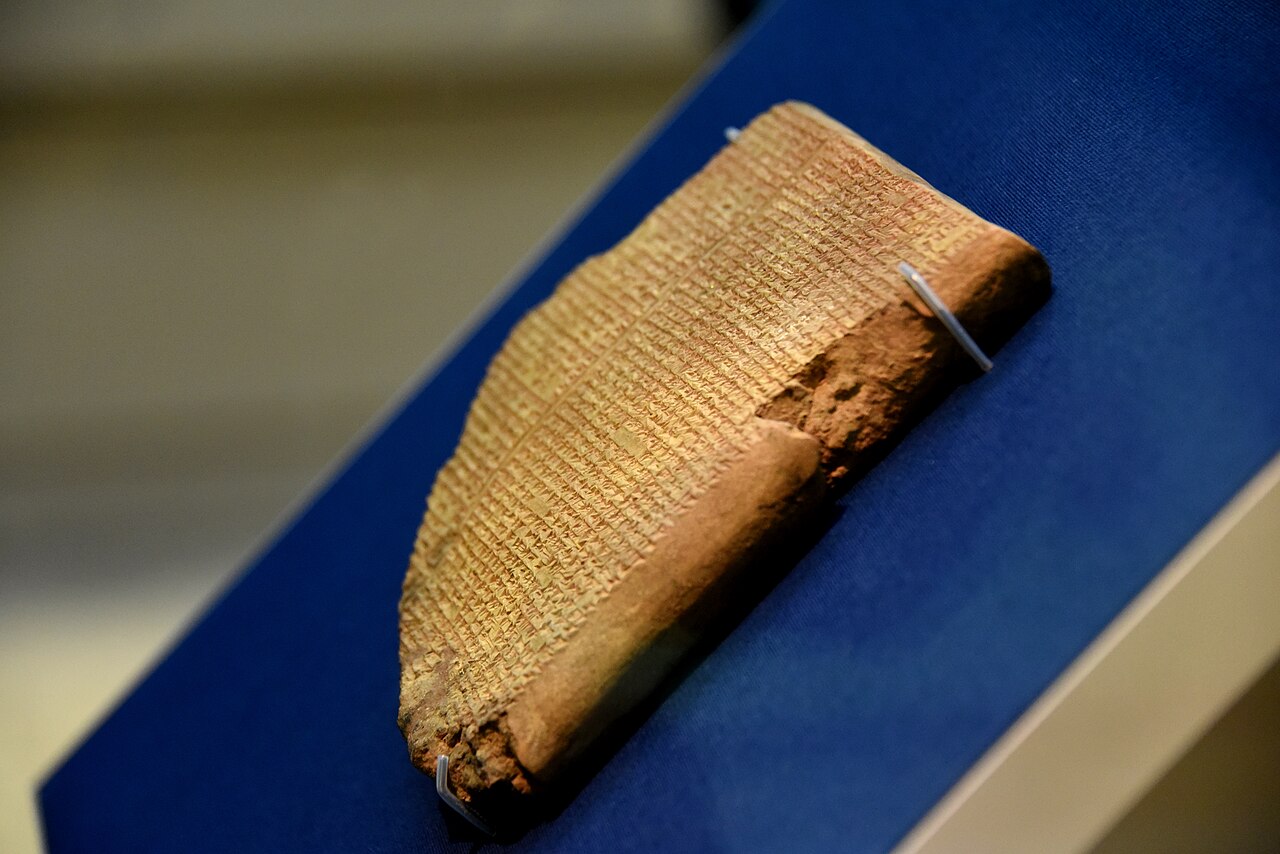
Flood Tablet
Scribes of Ashurbanipal's library · 7th century BCE
Ready when you are
Start chatting with Ashurbanipal now.
20 messages free · No credit card · Available in 50+ languages.