


Secondary sourceBook1881
The Mesnevi
James W. Redhouse · 1881
James Redhouse's 1881 English translation of Book I of Rumi's Mesnevi, with material from his early biographer Aflaki.
A translation of Rumi's poetry into English, showing how his work reached Western audiences centuries later.
About this source
What it is
This is an 1881 English translation by James Redhouse of the first book of Rumi's Mesnevi (Masnavi), published as part of Trübner's Oriental Series. It includes an account of Rumi's life drawn from the historian Shemsu'd-Din Ahmed el Eflaki, along with anecdotes about Rumi.
Why it matters
This translation is not Rumi's own words but a Victorian-era English rendering made over six centuries after his death. It marks an important moment in how Rumi's poetry became known to English readers in Britain, shaping Western understanding of his life and work.
Look closer
- Why might a 19th-century British publisher have been interested in translating a 13th-century Persian poet?
- What is gained and what might be lost when a poem is translated and 'versified' into another language?
- How does using Aflaki's biography alongside the poems shape how readers understand Rumi?
This book is part of the curated material that grounds the AI version of Rumi (Jalāl ad-Dīn Muhammad Rūmī) on Humy.ai — when students ask about related events, the AI can quote it and cite it.
More Rumi (Jalāl ad-Dīn Muhammad Rūmī) sources
Meet the AI Rumi (Jalāl ad-Dīn Muhammad Rūmī) →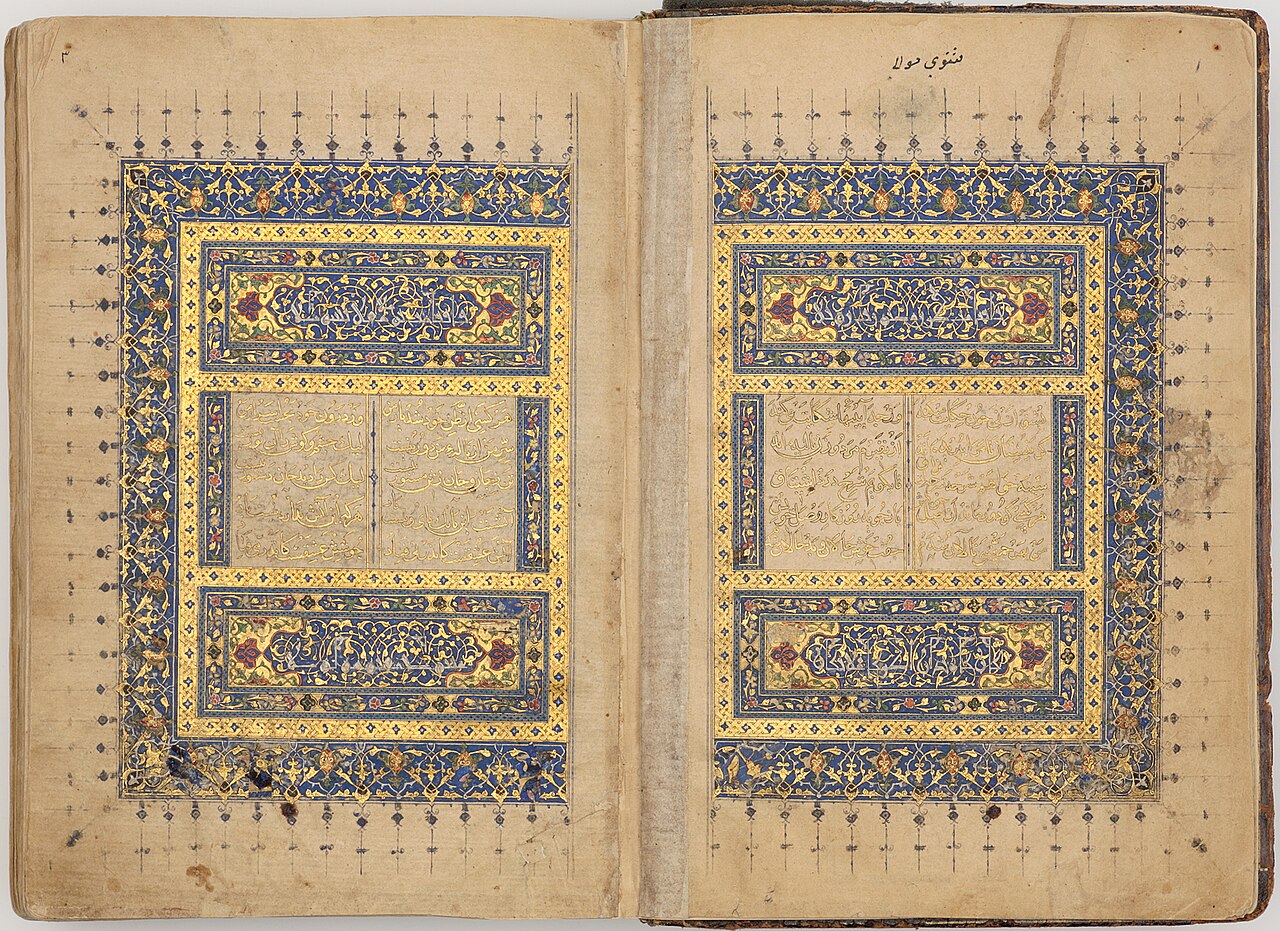 Book
Primary source
Masnavi
Rumi · c. 1258-1273
 Book
Primary source
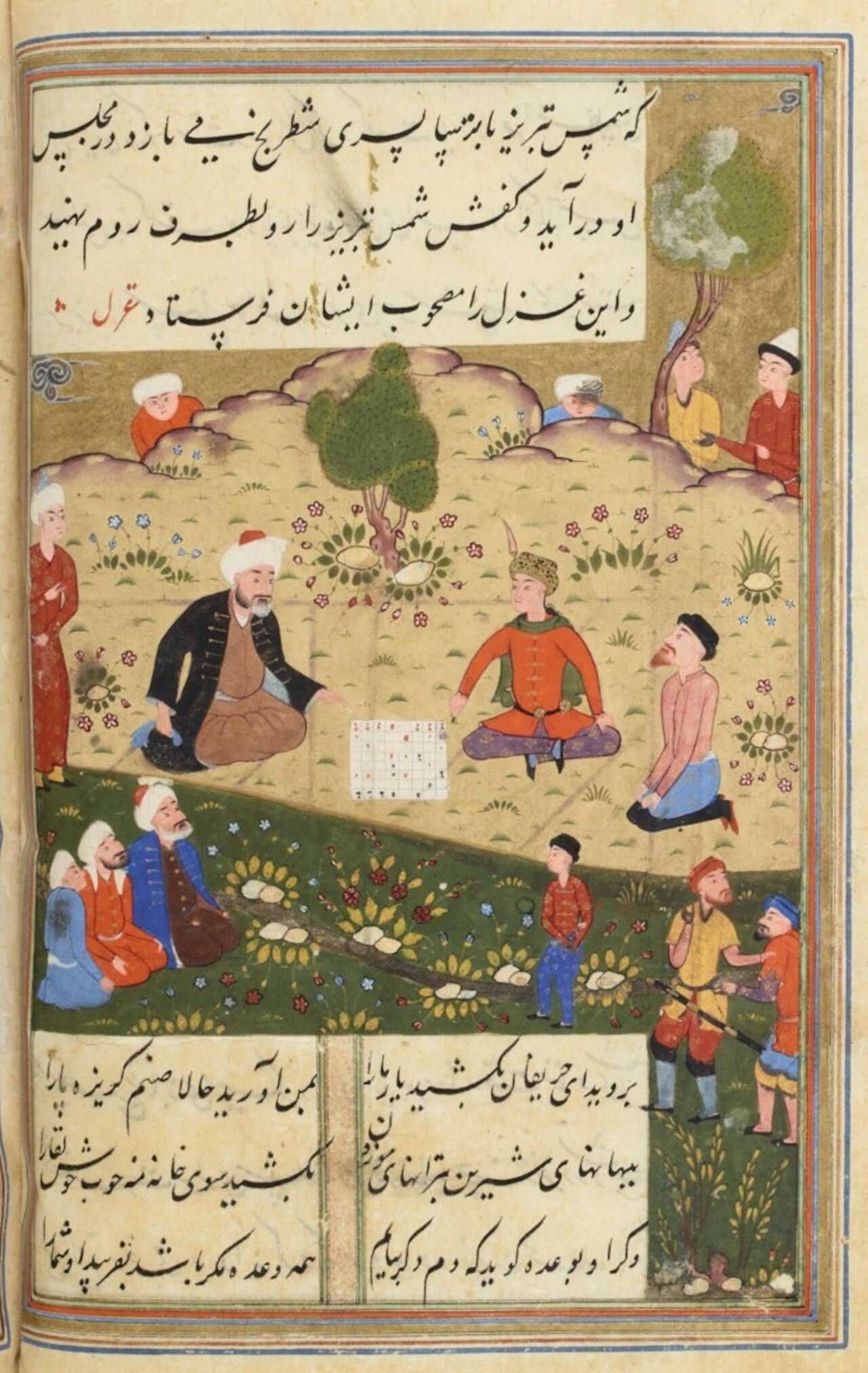
Diwan-e Shams-e Tabrizi
Rumi · c. 1247 onward
 Artifact
Secondary source
Grave of Rumi
soon after 1273
 Book
Primary source
Fihi Ma Fihi
Rumi · c. 1260-1273
 Artifact
Secondary source
Mevlâna Museum
Badr al-Din Tabrizi (architect) · built soon after 1273; museum since 1926
Ready when you are
Start chatting with Rumi (Jalāl ad-Dīn Muhammad Rūmī) now.
20 messages free · No credit card · Available in 50+ languages.