


Tertiary sourceSculpturec. 200 CE
The Old Fisherman
c. 200 CE
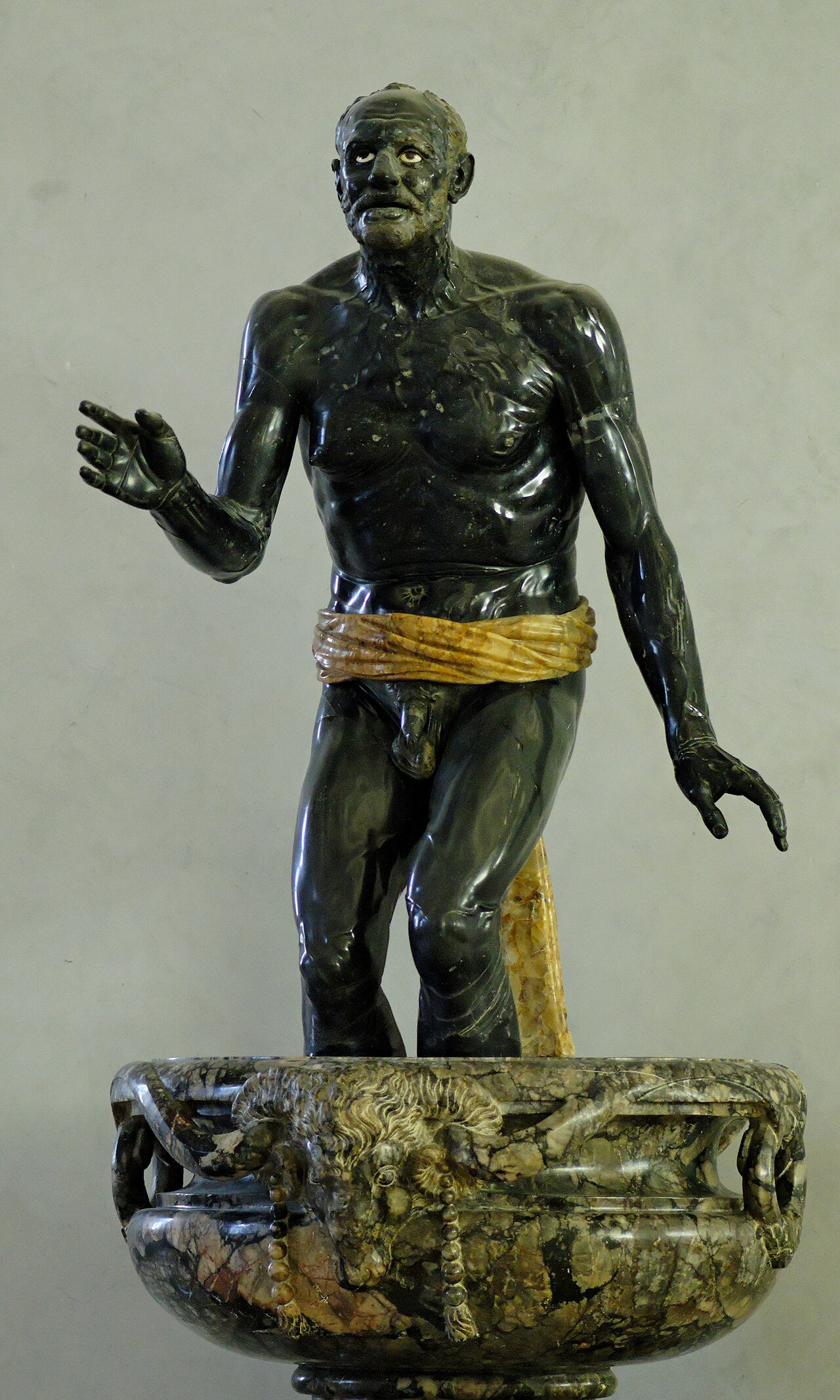
A Roman statue once mistakenly believed to depict Seneca dying, which shaped how people imagined him for centuries.
Once believed to depict Seneca's death, this statue shaped his image long before being shown not to represent him.
About this source
What it is
This is an ancient Roman statue, dated to around 200 CE, held in the Borghese Collection. It shows a thin, elderly bald man standing in a basin, his hand raised.
Why it matters
For a long time this statue was identified as a portrait of Seneca in the act of dying, since ancient accounts described his death in a bath. Although this identification is now rejected, the statue strongly influenced how artists and scholars pictured Seneca's final moments for centuries, showing how historical images are sometimes built on mistaken evidence.
Look closer
- Why might people have wanted to connect this statue to a famous story about Seneca's death?
- What does this mistaken identification teach you about how historians and artists use old objects as evidence?
- What details in the statue might have encouraged people to link it to Seneca?
This sculpture is part of the curated material that grounds the AI version of Seneca on Humy.ai — when students ask about related events, the AI can quote it and cite it.
More Seneca sources
Meet the AI Seneca →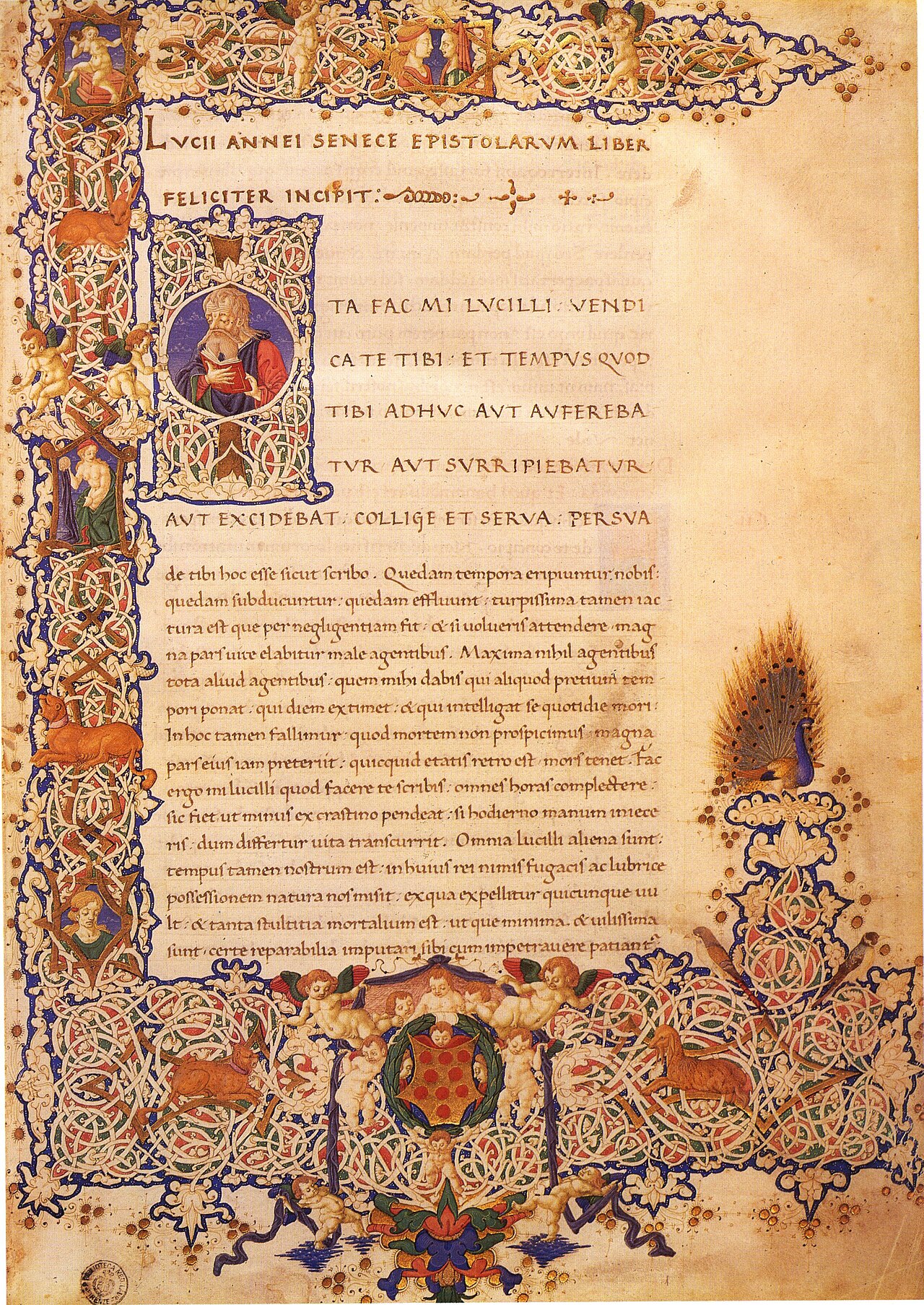 Letter
Primary source
Epistulae Morales ad Lucilium
Seneca · c. 62-65 CE
 Book
Primary source
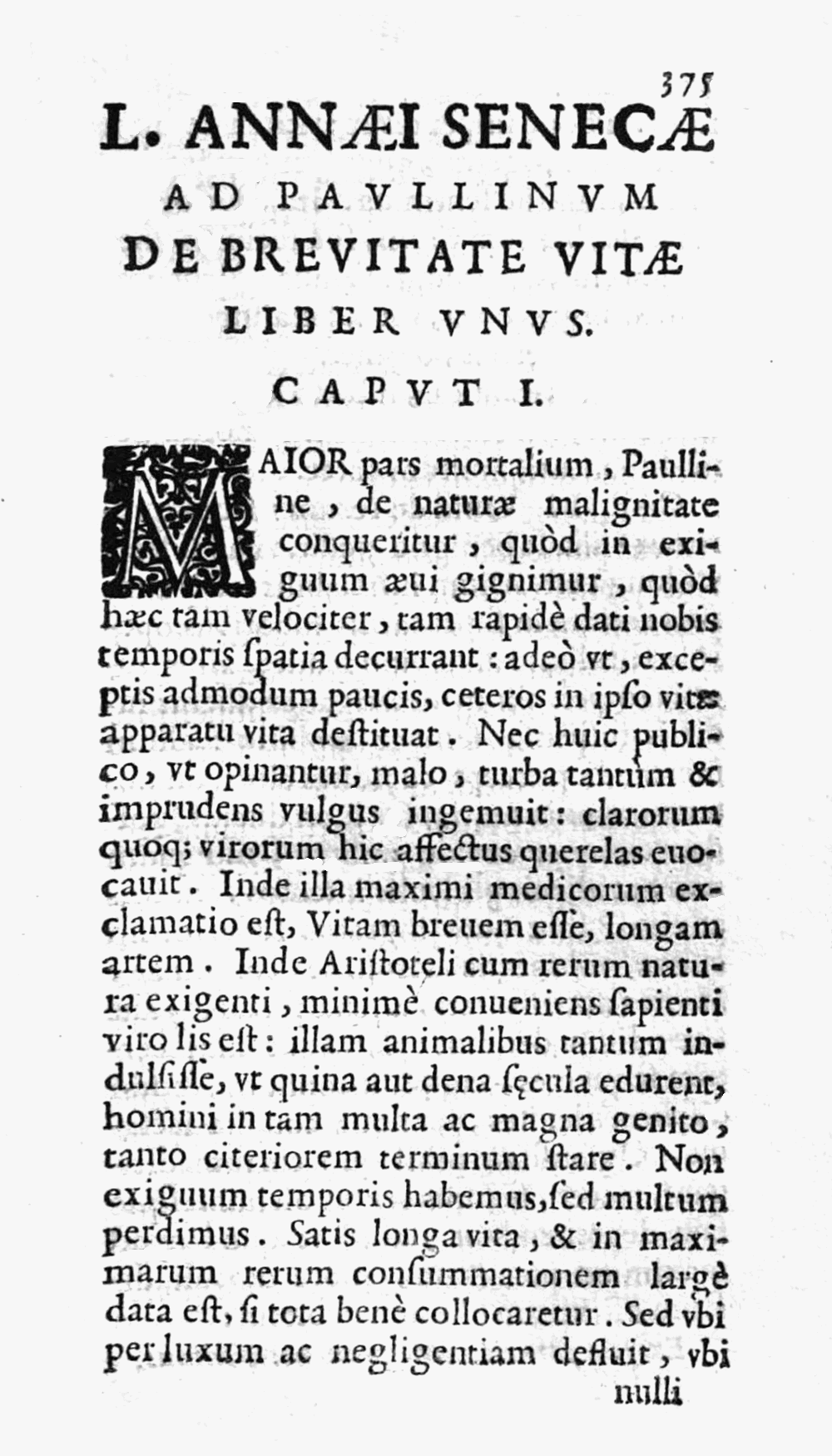
De Brevitate Vitae
Seneca · c. 49 CE
 Book
Secondary source
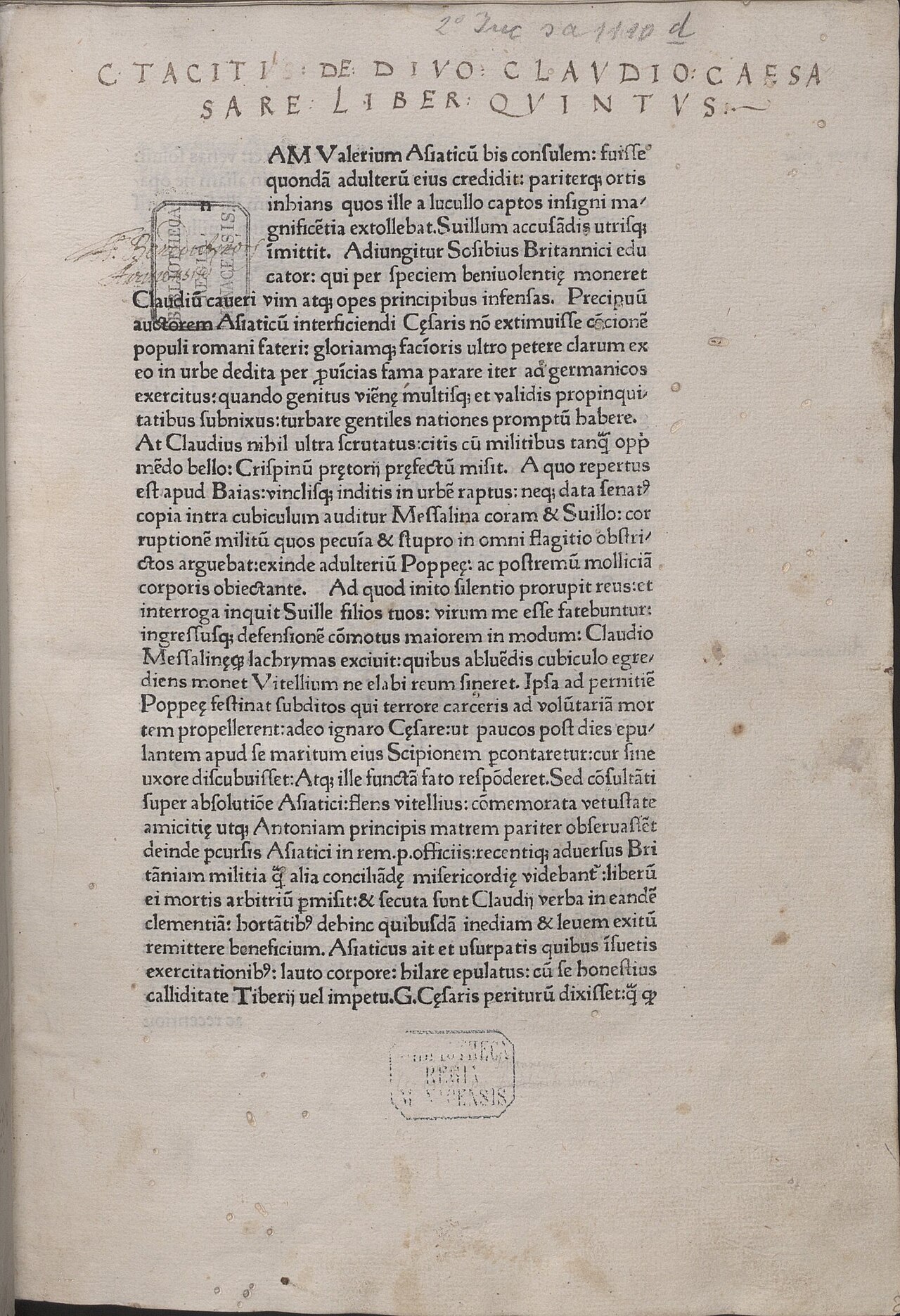
Annals
Tacitus · c. AD 116 or later
 Book
Primary source
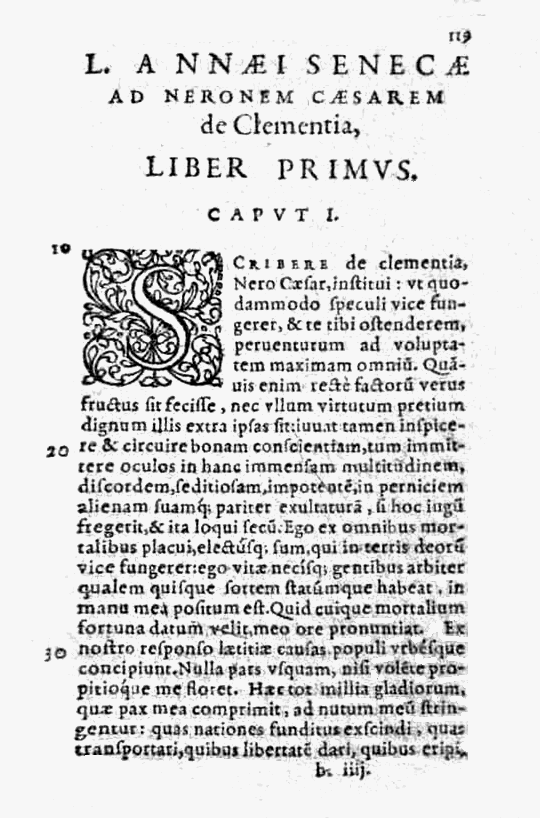
De Clementia
Seneca · 55-56 CE
 Sculpture
Secondary source
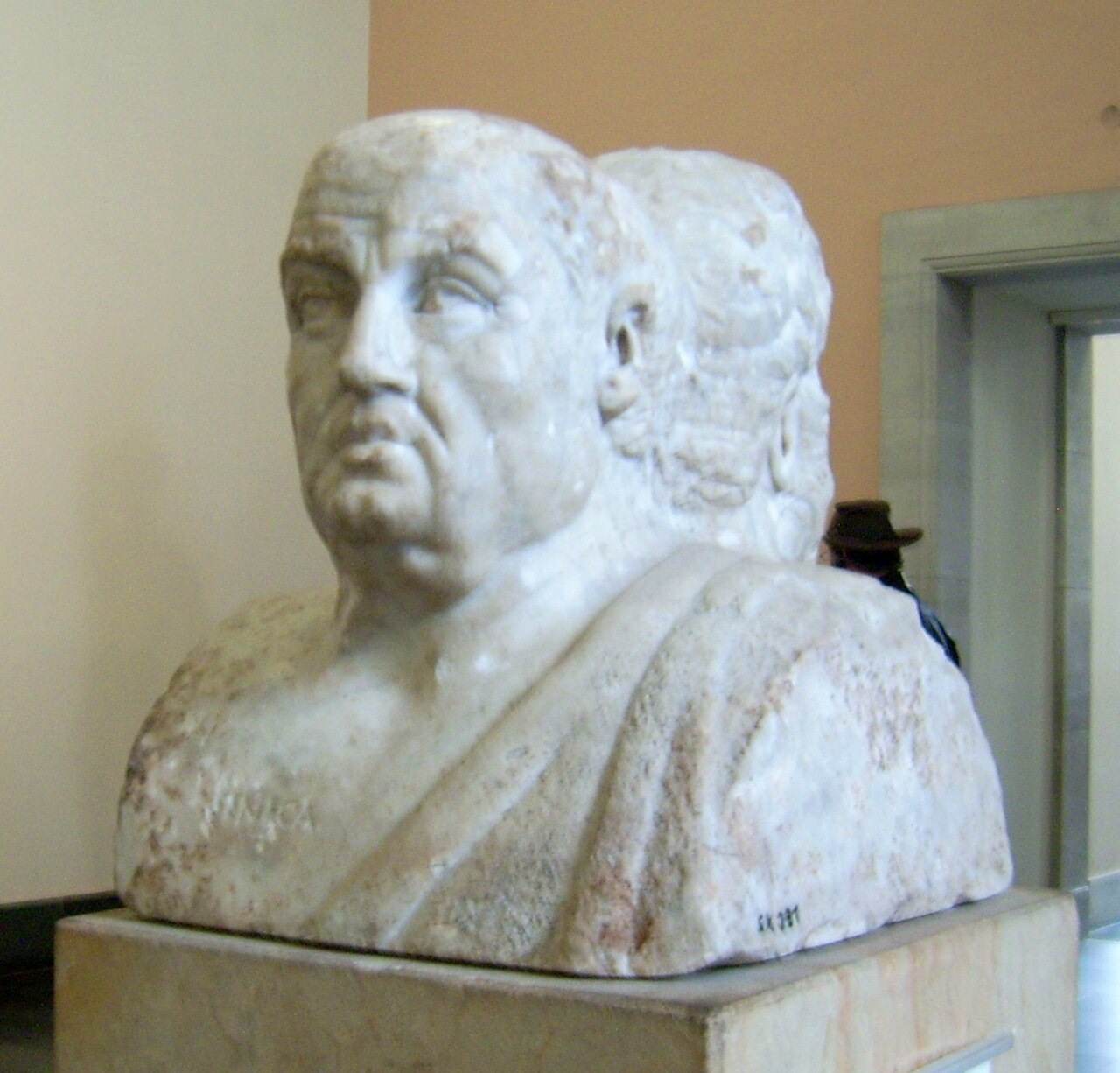
Double Herm of Socrates and Seneca
first half of the 3rd century AD
Ready when you are
Start chatting with Seneca now.
20 messages free · No credit card · Available in 50+ languages.