


Secondary sourceBook1920
The Secrets of the Self, Part 16: Rumi and Shams-i Tabriz
1920
A 1920 verse narrative, held on Wikisource, that retells Rumi's meeting with Shams-i Tabriz. It is a later poem about Rumi, not a text written by him.
A later verse narrative retelling Rumi's meeting with Shams-i Tabriz, useful for seeing how his story was remembered.
About this source
What it is
This is a text of about 1,359 words, held on Wikisource, titled The Secrets of the Self, Part 16. It is dated 1920 and is a verse narrative. The excerpt names Shams-i Tabriz and Jalaluddin Rumi and describes Shams seeking Rumi at his college. The text opens with a note that it contains precepts written for Muslims of India by Mir Najat Nakshband, generally known as Baba Sahra'i, followed by verses about the self.
Why it matters
The poem shows how later writers retold the story of Rumi's friendship with Shams-i Tabriz. Because it was written centuries after Rumi lived, it reflects how his life was remembered rather than recording events directly. Its opening verses, attributed in the text to Baba Sahra'i, speak of the self and of spiritual effort, themes that appear in the works of Rumi as well.
Look closer
- Which details of Rumi's meeting with Shams does the poem emphasize, and which does it skip?
- How does the writer's own time and purpose shape the way Rumi is portrayed here?
- Why might a reader trust this text less than a poem Rumi wrote himself?
This book is part of the curated material that grounds the AI version of Rumi (Jalāl ad-Dīn Muhammad Rūmī) on Humy.ai — when students ask about related events, the AI can quote it and cite it.
More Rumi (Jalāl ad-Dīn Muhammad Rūmī) sources
Meet the AI Rumi (Jalāl ad-Dīn Muhammad Rūmī) →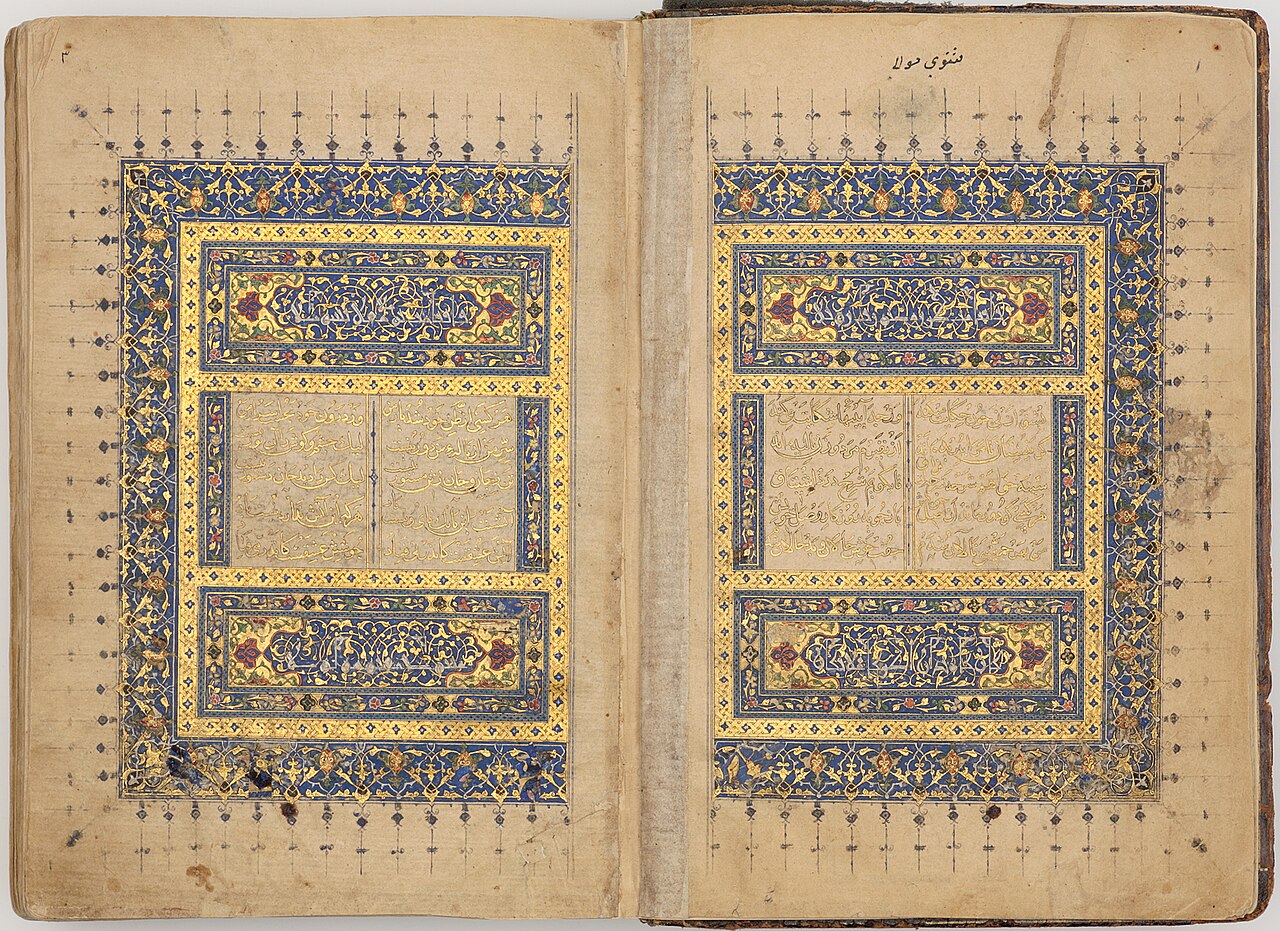 Book
Primary source
Masnavi
Rumi · c. 1258-1273
 Book
Primary source
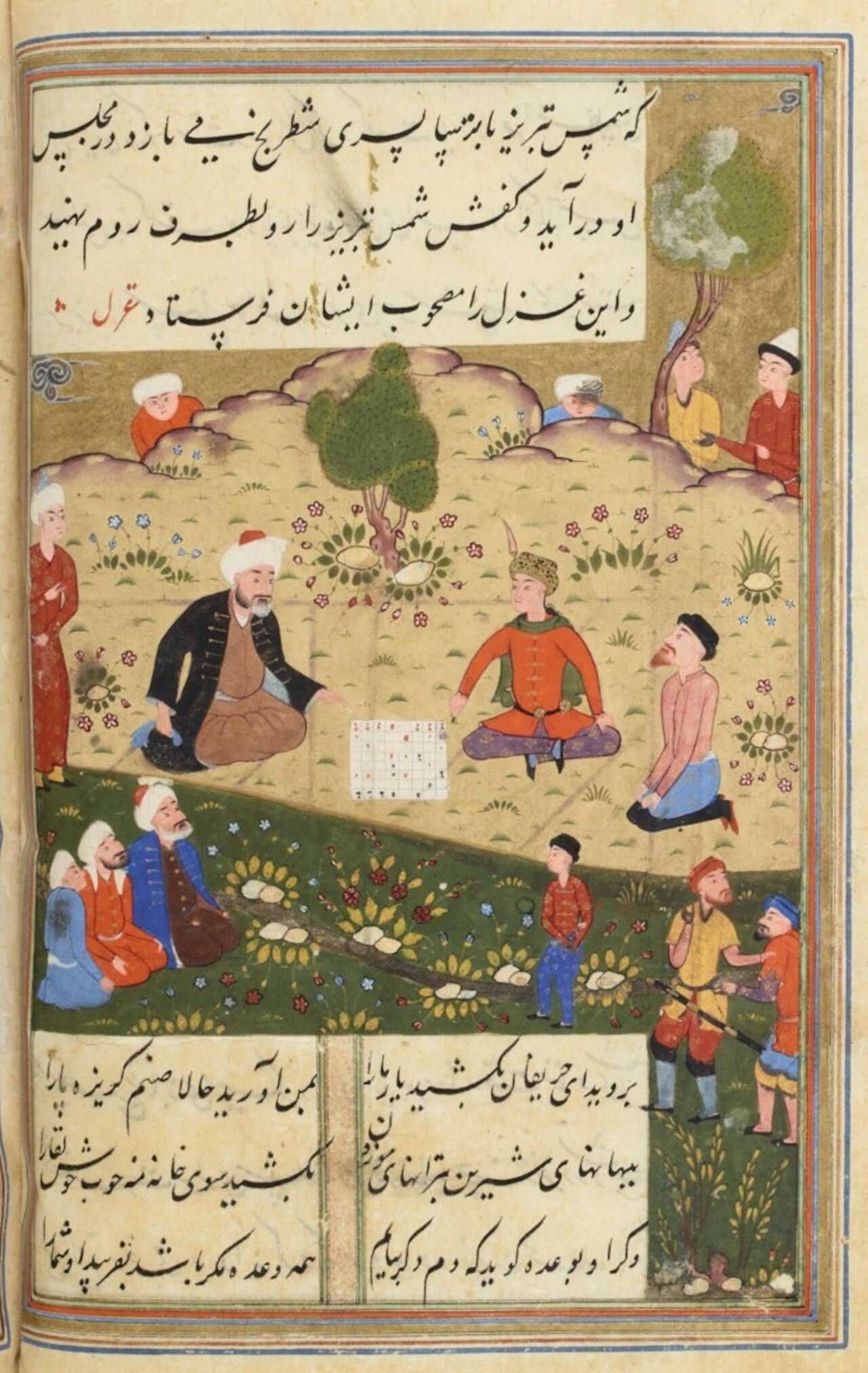
Diwan-e Shams-e Tabrizi
Rumi · c. 1247 onward
 Artifact
Secondary source
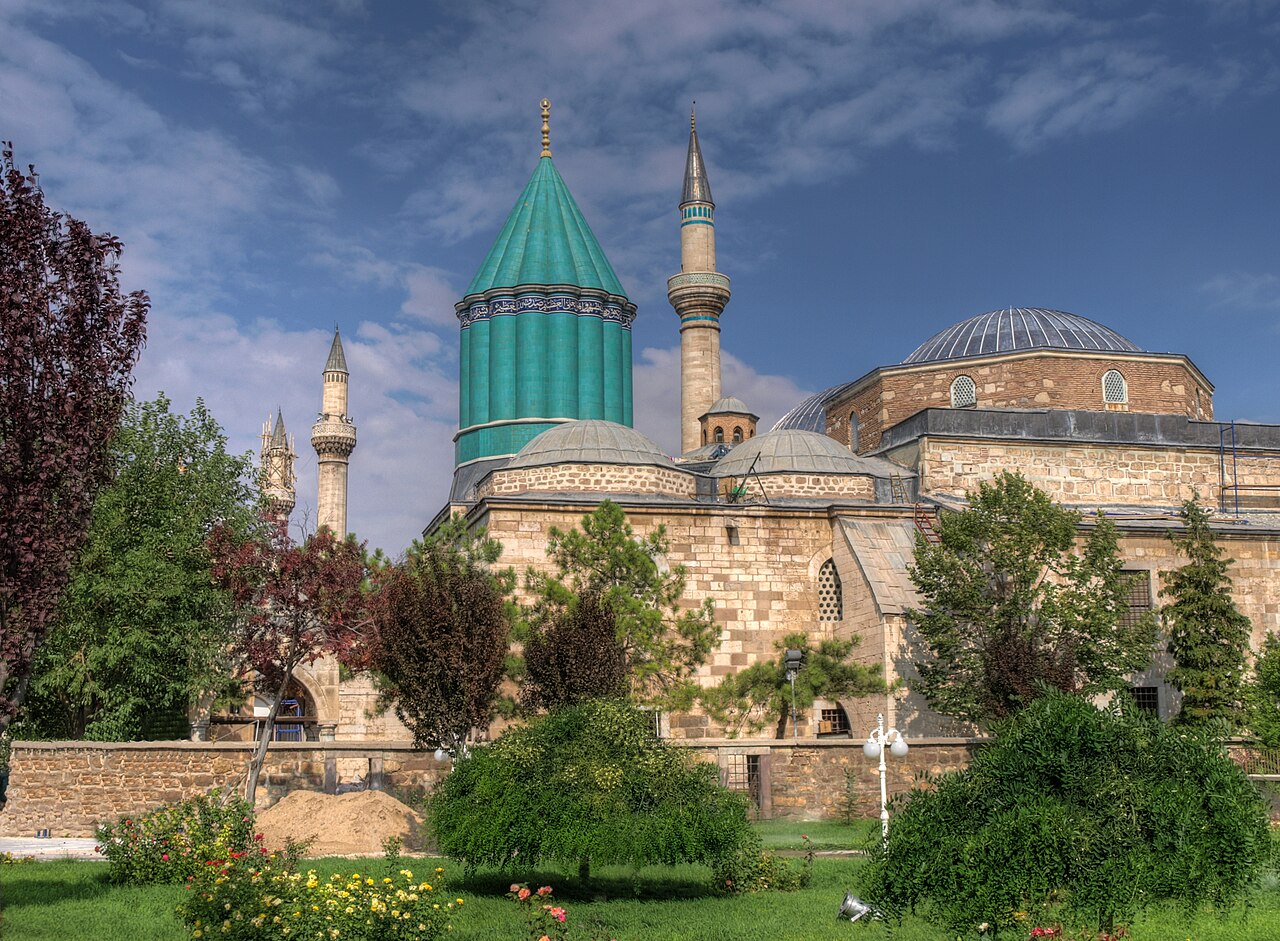
Grave of Rumi
soon after 1273
 Book
Primary source
Fihi Ma Fihi
Rumi · c. 1260-1273
 Artifact
Secondary source
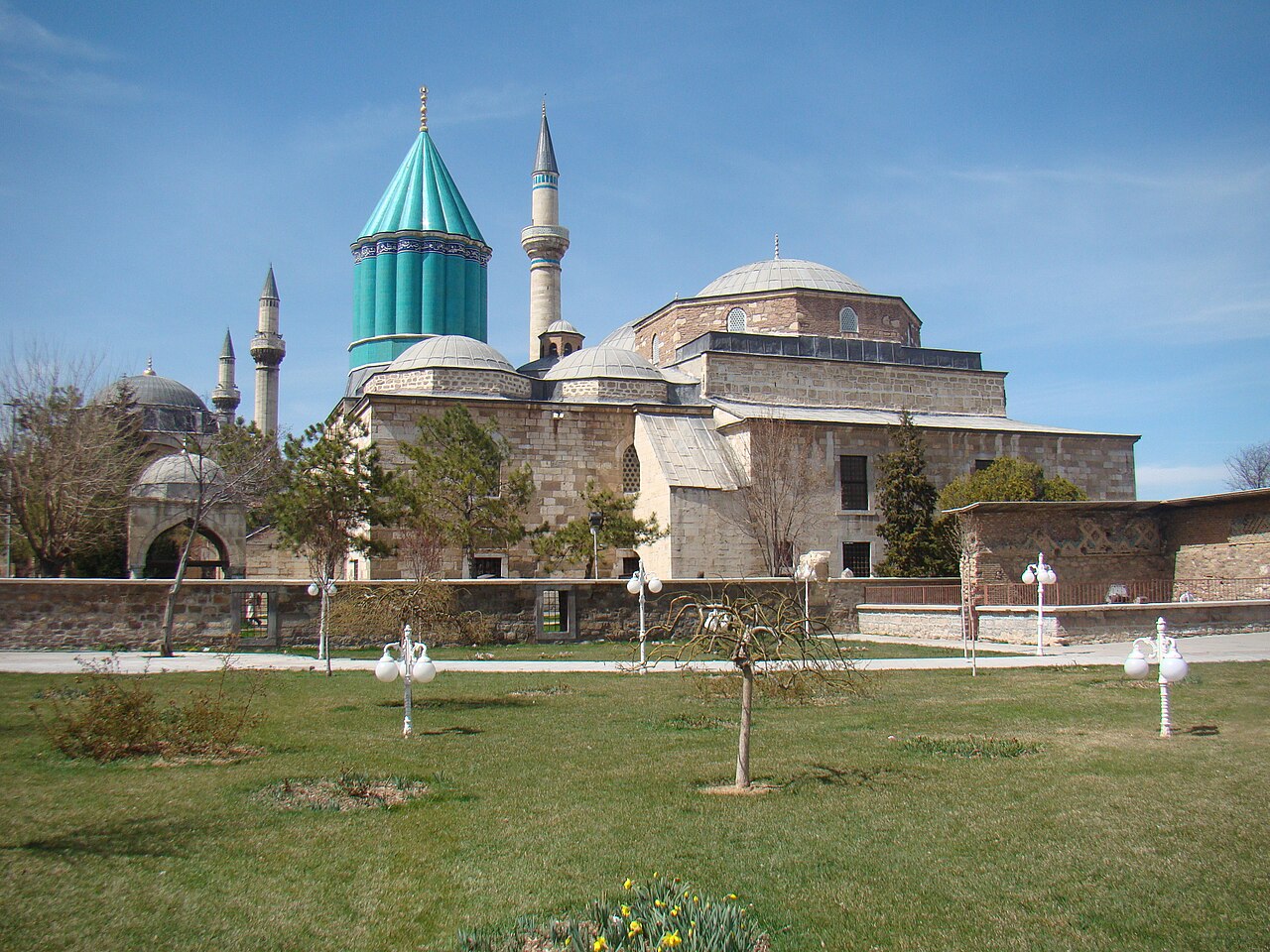
Mevlâna Museum
Badr al-Din Tabrizi (architect) · built soon after 1273; museum since 1926
Ready when you are
Start chatting with Rumi (Jalāl ad-Dīn Muhammad Rūmī) now.
20 messages free · No credit card · Available in 50+ languages.