


Secondary sourceBook1920
The Secrets of the Self, Prologue
1920
A translator's prologue introducing Rumi's name, his epithet 'Rumi', and the significance of his Masnavi.
A later translator's prologue explaining Rumi's epithet and the significance of his Masnavi.
About this source
What it is
This is the prologue to a 1920 translation titled The Secrets of the Self, which explains why the poet is known as 'Rumi' (meaning 'the Anatolian') and discusses the importance of his famous work, the Masnavi.
Why it matters
This prologue helps readers understand how Rumi's name and reputation were passed down and interpreted by later translators and scholars. It shows the continuing influence of the Masnavi long after Rumi's lifetime, as later writers tried to explain his significance to new audiences.
Look closer
- Why do you think translators felt the need to explain Rumi's name before presenting his ideas?
- What does calling the Masnavi 'famous' tell us about how later generations viewed Rumi's work?
- What might be lost or added when a poet's ideas are explained by someone else, generations later?
This book is part of the curated material that grounds the AI version of Rumi (Jalāl ad-Dīn Muhammad Rūmī) on Humy.ai — when students ask about related events, the AI can quote it and cite it.
More Rumi (Jalāl ad-Dīn Muhammad Rūmī) sources
Meet the AI Rumi (Jalāl ad-Dīn Muhammad Rūmī) →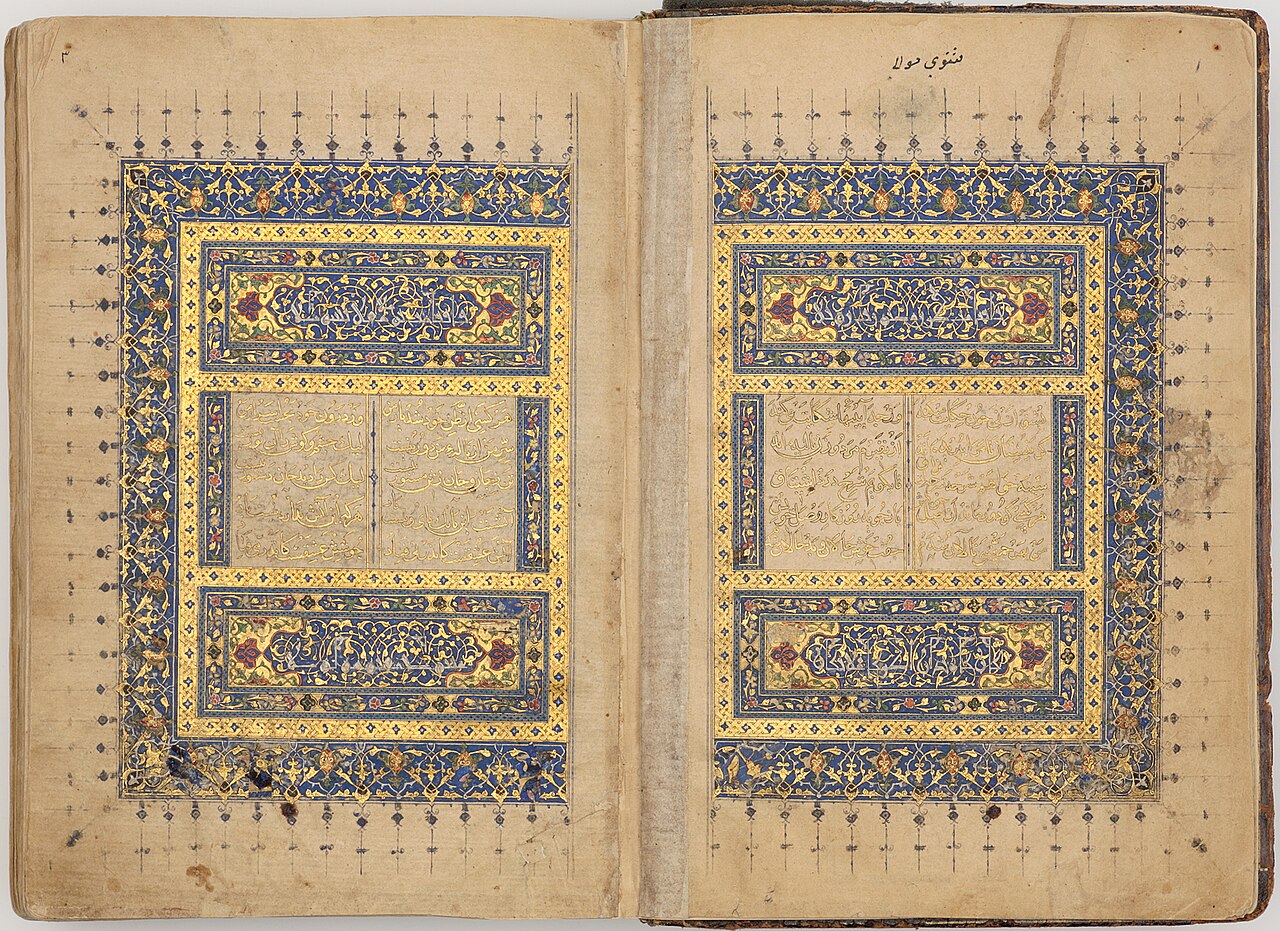 Book
Primary source
Masnavi
Rumi · c. 1258-1273
 Book
Primary source
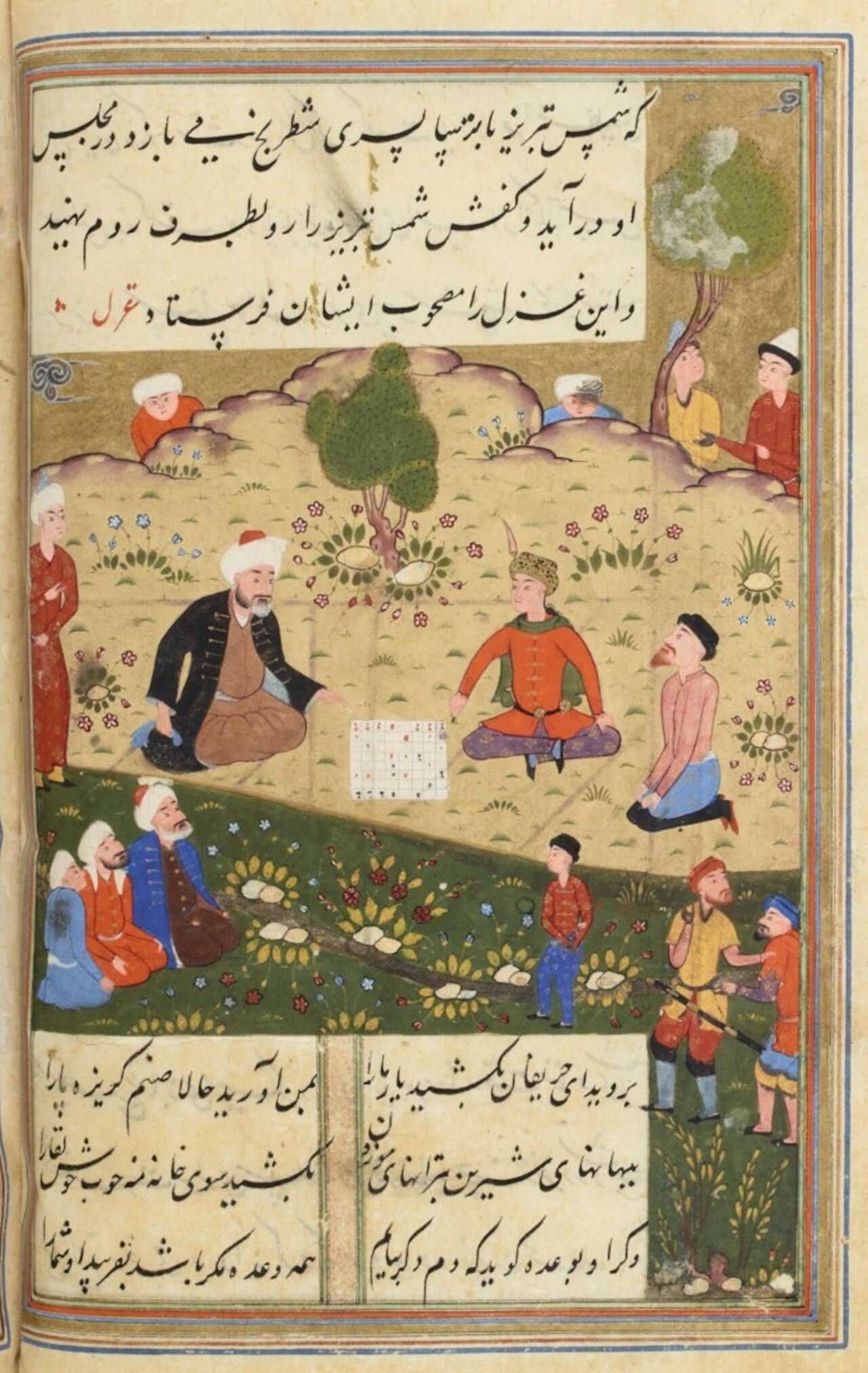
Diwan-e Shams-e Tabrizi
Rumi · c. 1247 onward
 Artifact
Secondary source
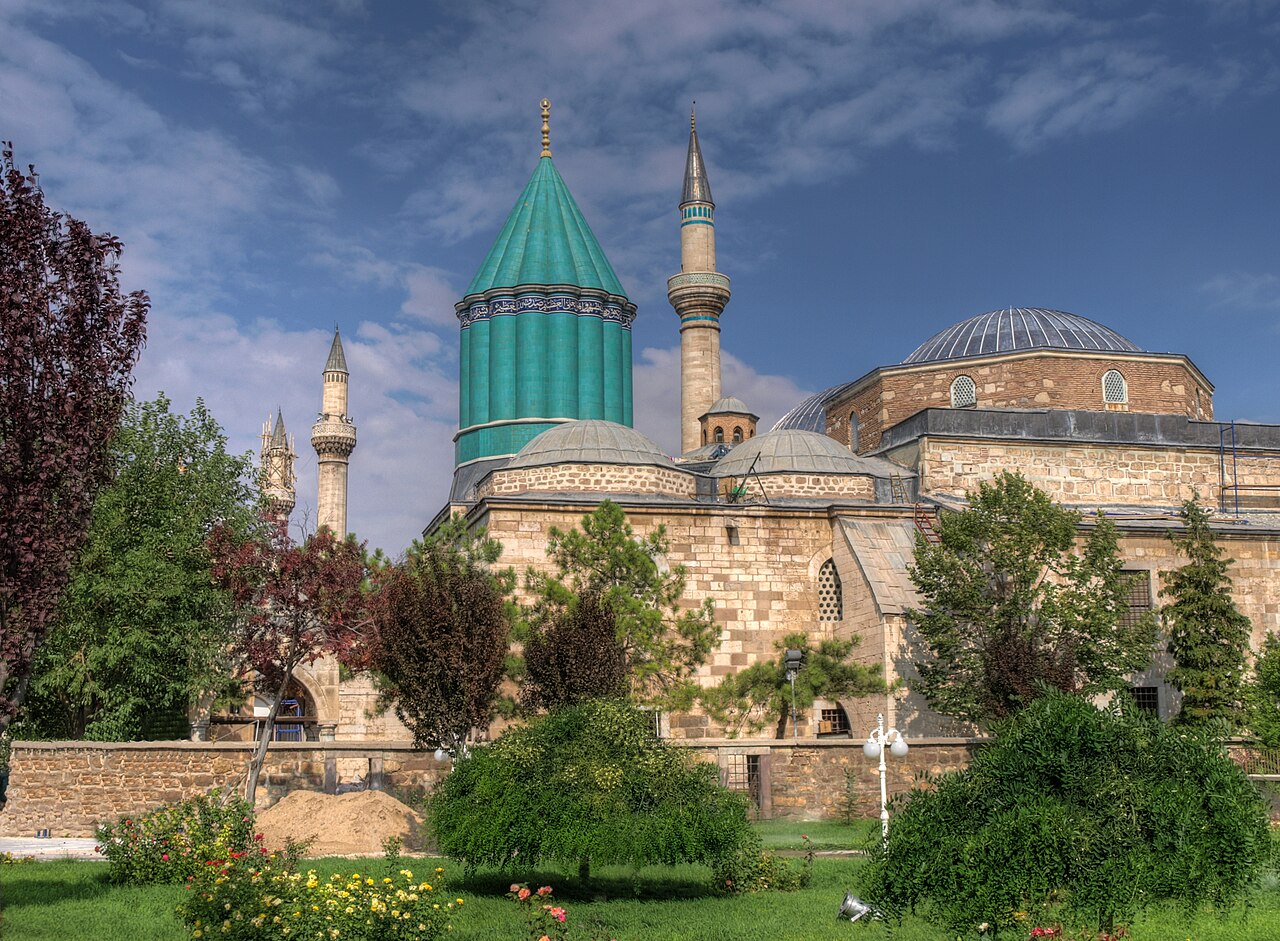
Grave of Rumi
soon after 1273
 Book
Primary source
Fihi Ma Fihi
Rumi · c. 1260-1273
 Artifact
Secondary source
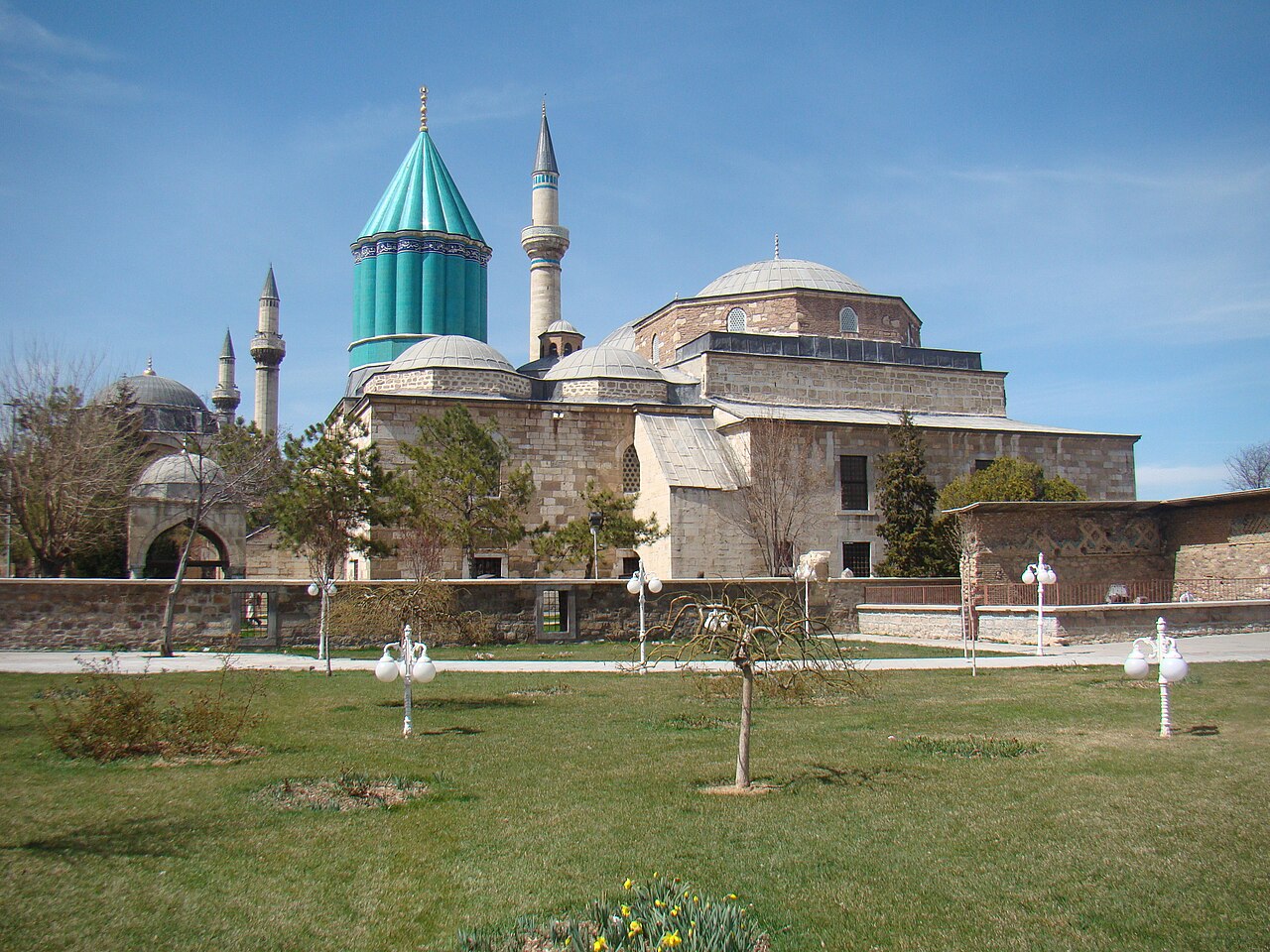
Mevlâna Museum
Badr al-Din Tabrizi (architect) · built soon after 1273; museum since 1926
Ready when you are
Start chatting with Rumi (Jalāl ad-Dīn Muhammad Rūmī) now.
20 messages free · No credit card · Available in 50+ languages.