


Primary sourceBook1st century AD
Thyestes
Seneca · 1st century AD
A Roman revenge tragedy by Seneca, dramatizing a myth of murder and cannibalism, read as a reflection on tyranny under Nero.
Seneca wrote this tragedy, using myth to explore tyranny and revenge under the emperor he served.
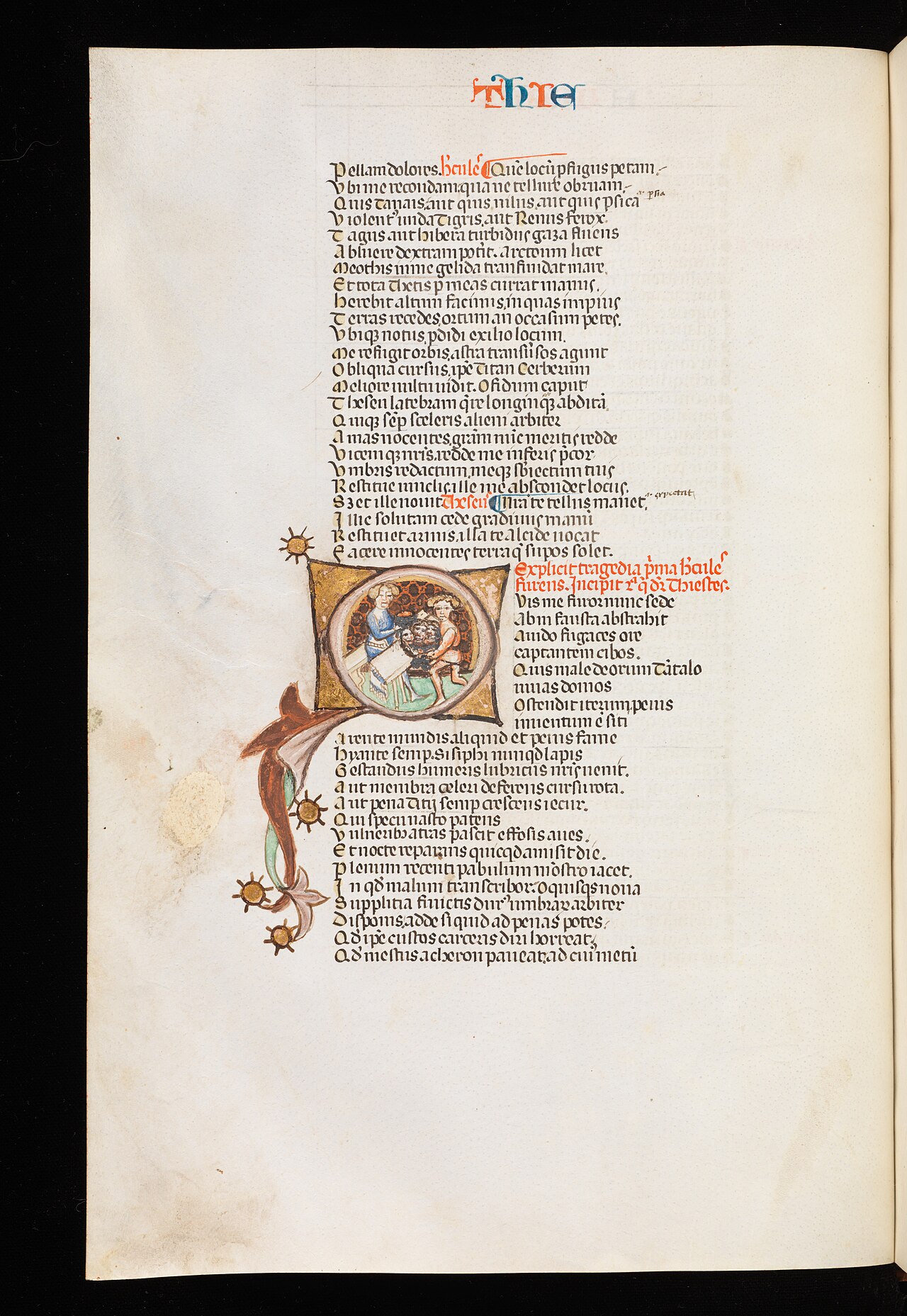
About this source
What it is
Thyestes is a Latin tragedy of about 1,112 lines written by Seneca the Younger in the first century AD. It dramatizes the Greek myth of two feuding brothers, Atreus and Thyestes, and the horrific revenge Atreus takes by killing and serving Thyestes his own sons. The play survives through medieval manuscripts, including an illuminated Italian codex from the 15th century.
Why it matters
Thyestes is considered the bloodiest of Seneca's plays and has long been read as commentary on the abuses of imperial power under Nero, whose court Seneca served. It later became a direct model for English Renaissance revenge tragedy, shaping playwrights of the Elizabethan era.
Look closer
- What does the choice of such a violent myth suggest about the political dangers of Seneca's own time?
- How might the decorated manuscript page change how we think about the play's survival across centuries?
- Why might a Roman writer use myth, rather than direct statement, to comment on tyranny?
This book is part of the curated material that grounds the AI version of Seneca on Humy.ai — when students ask about related events, the AI can quote it and cite it.
More Seneca sources
Meet the AI Seneca →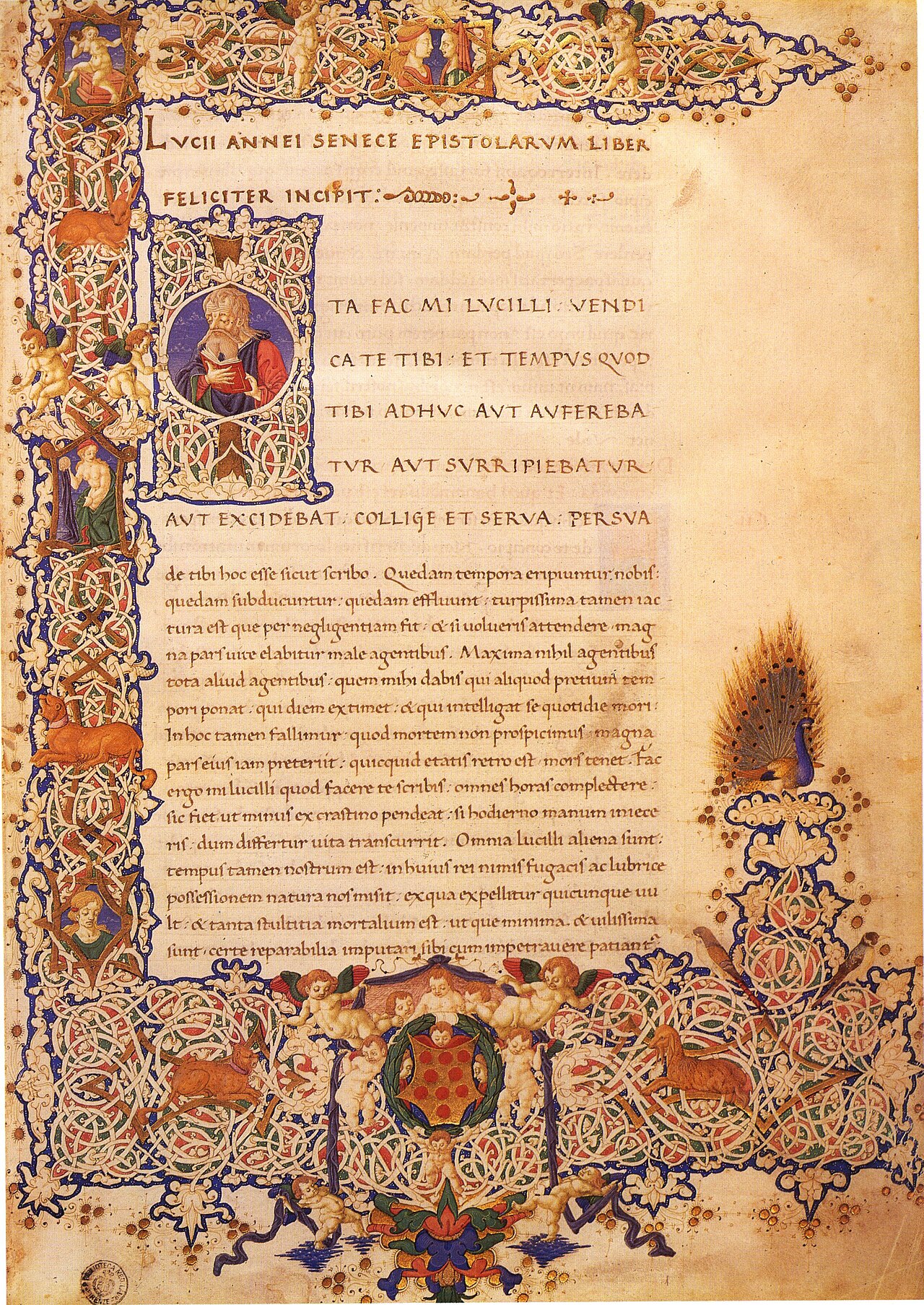 Letter
Primary source
Epistulae Morales ad Lucilium
Seneca · c. 62-65 CE
 Book
Primary source
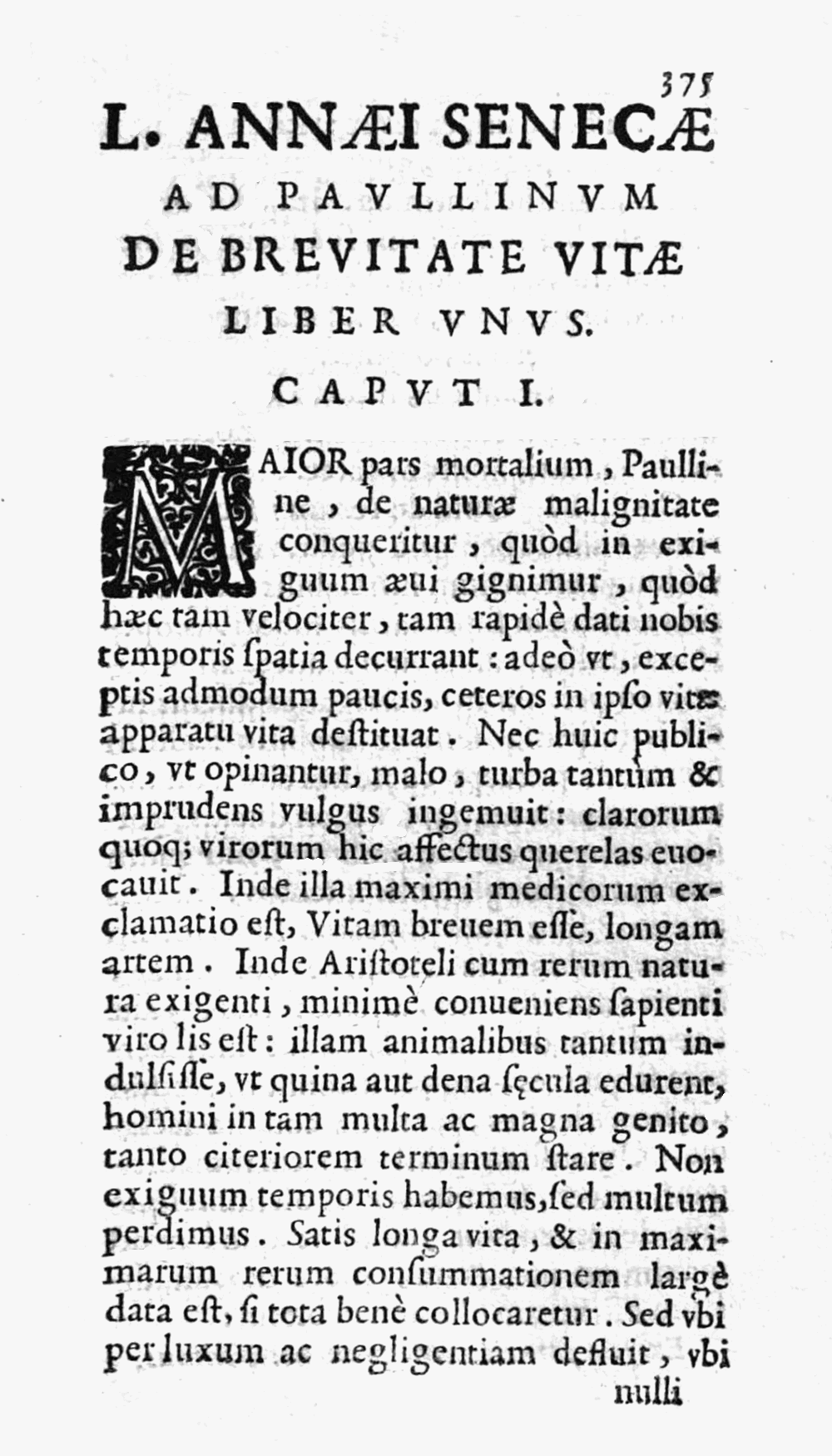
De Brevitate Vitae
Seneca · c. 49 CE
 Book
Secondary source
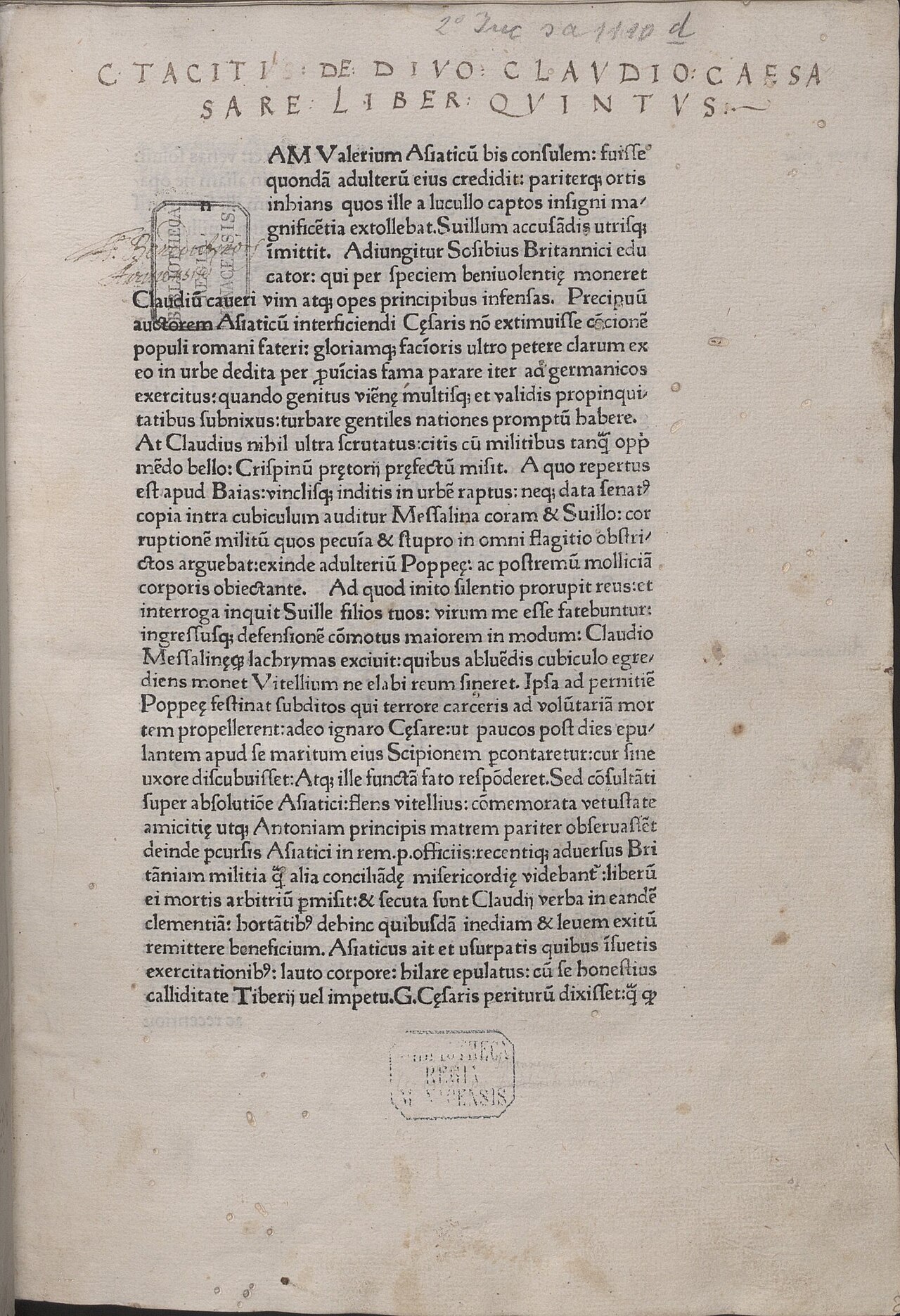
Annals
Tacitus · c. AD 116 or later
 Book
Primary source
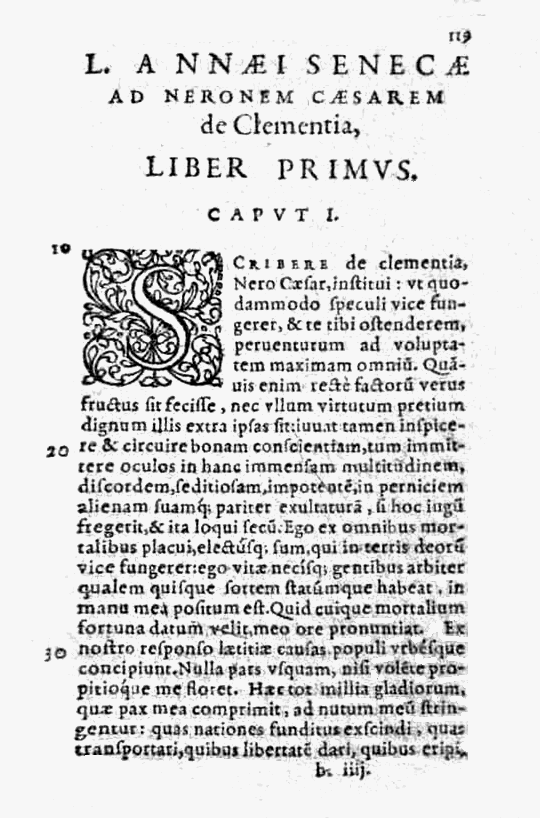
De Clementia
Seneca · 55-56 CE
 Sculpture
Secondary source
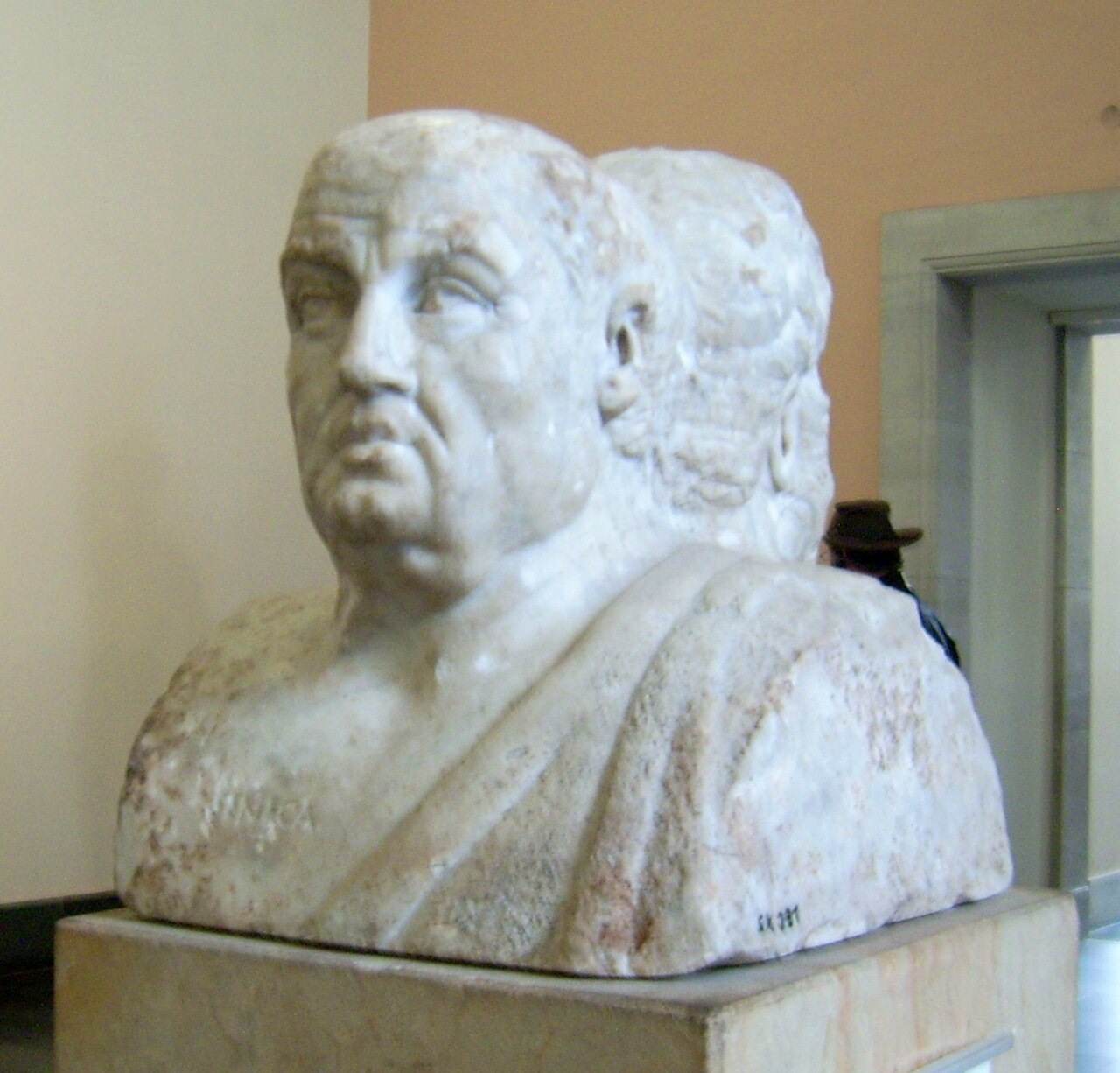
Double Herm of Socrates and Seneca
first half of the 3rd century AD
Ready when you are
Start chatting with Seneca now.
20 messages free · No credit card · Available in 50+ languages.