


Primary sourceLetter
To Marcia
Seneca
Likely Seneca's earliest surviving work, a consolation to Marcia that also criticizes the treason trials under Emperor Tiberius.
One of Seneca's own earliest surviving works, showing his early willingness to criticize imperial abuses of power.
About this source
What it is
This consolation was written by Seneca, addressed to a woman named Marcia, grieving the death of her father, the historian Aulus Cremutius Cordus. It is thought to be Seneca's earliest surviving work.
Why it matters
Beyond offering comfort, the text criticizes the political persecutions and treason trials that took place under Emperor Tiberius, under which Marcia's father suffered. It shows Seneca engaging with dangerous political history even while writing a personal letter of comfort, and reveals his willingness to comment on abuses of imperial power.
Look closer
- Why might Seneca choose to discuss political persecution within a letter meant to console grief?
- What does the opening praise of Marcia's character tell you about how Seneca builds trust with his reader?
- How does this work connect Seneca's philosophy to real events in Roman politics?
This letter is part of the curated material that grounds the AI version of Seneca on Humy.ai — when students ask about related events, the AI can quote it and cite it.
More Seneca sources
Meet the AI Seneca →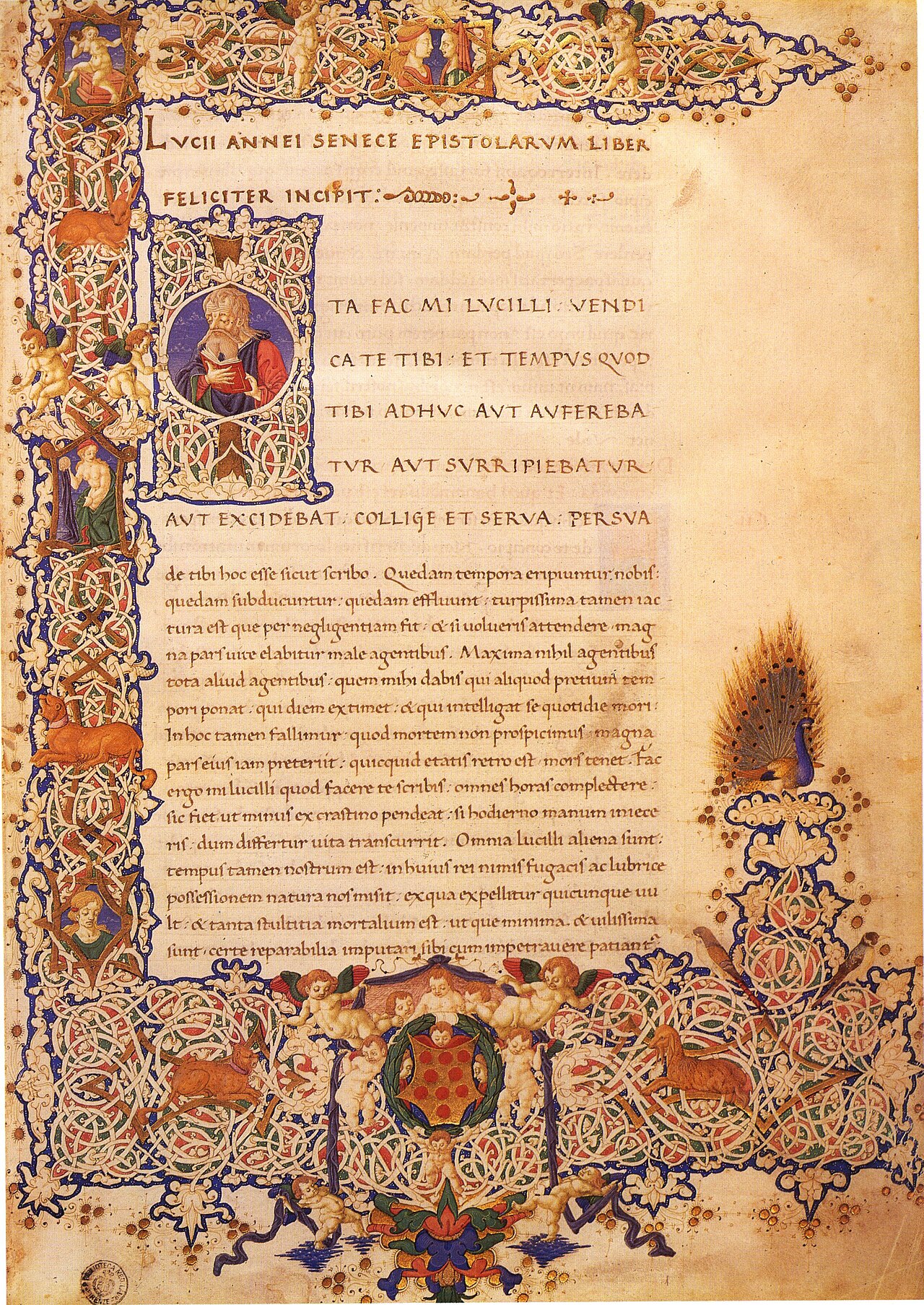 Letter
Primary source
Epistulae Morales ad Lucilium
Seneca · c. 62-65 CE
 Book
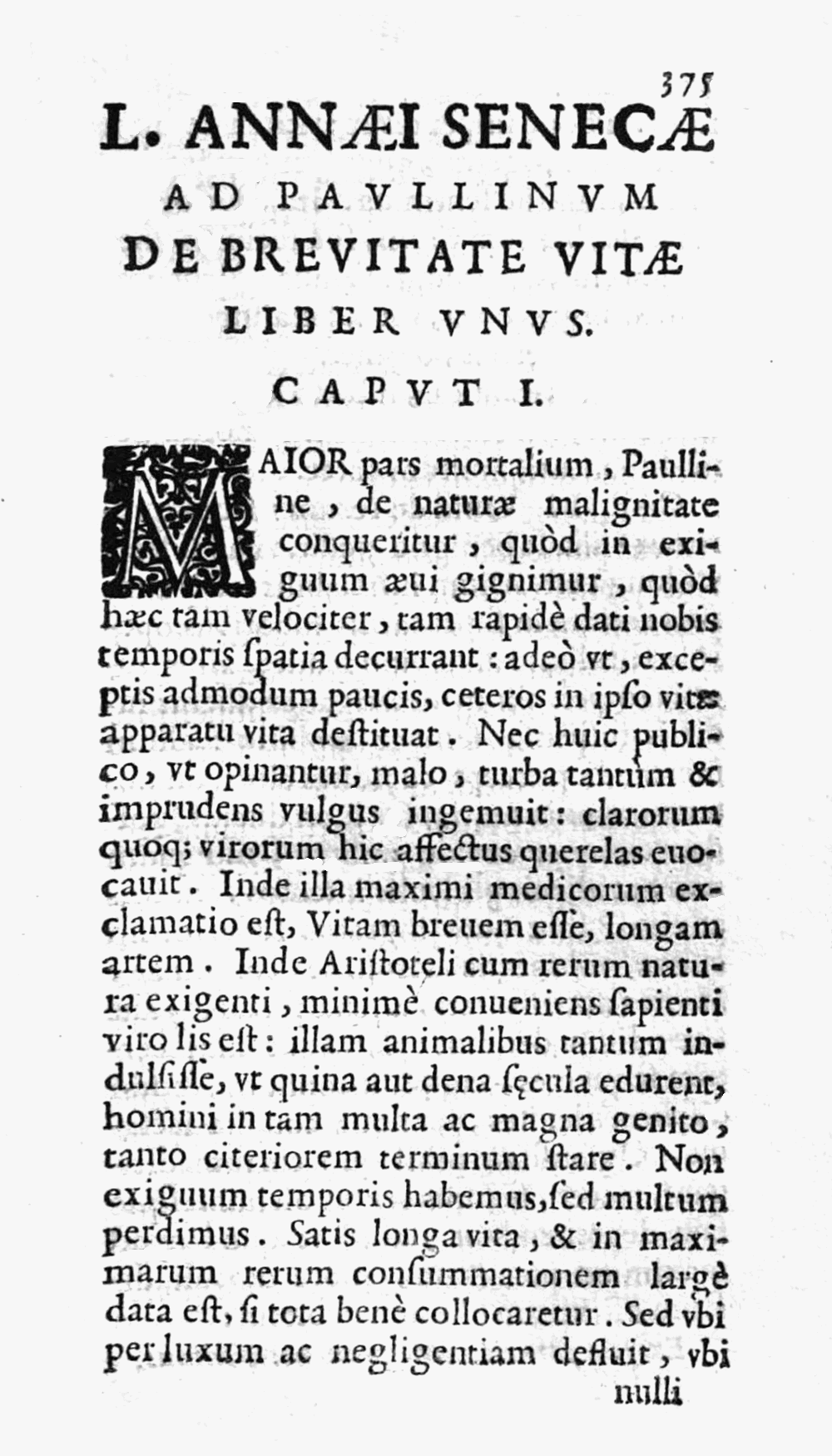
Primary source
De Brevitate Vitae
Seneca · c. 49 CE
 Book
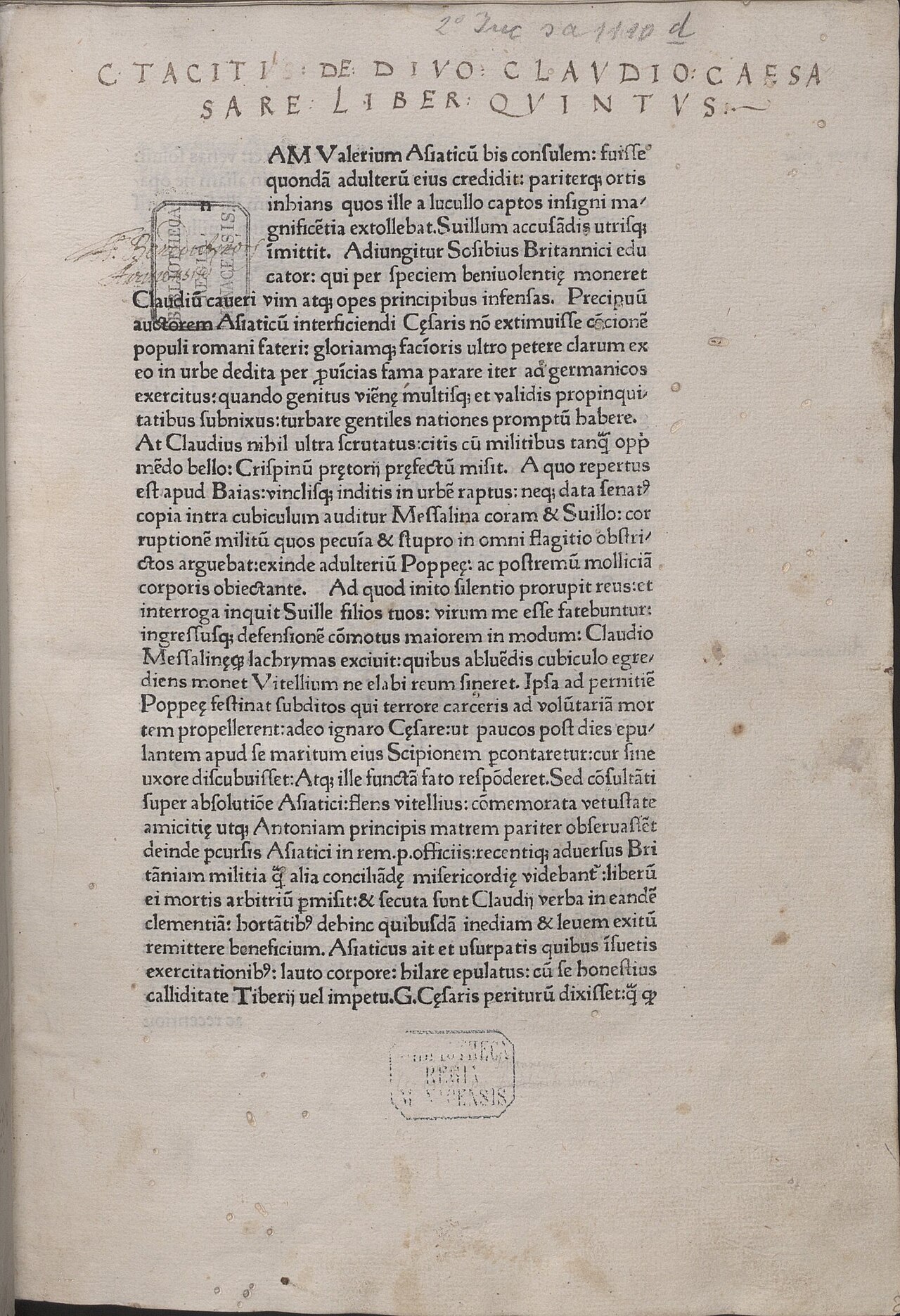
Secondary source
Annals
Tacitus · c. AD 116 or later
 Book
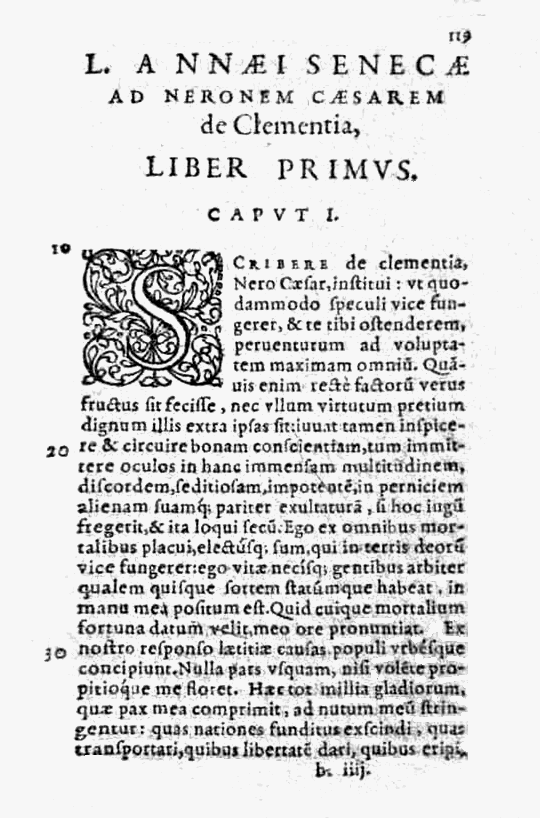
Primary source
De Clementia
Seneca · 55-56 CE
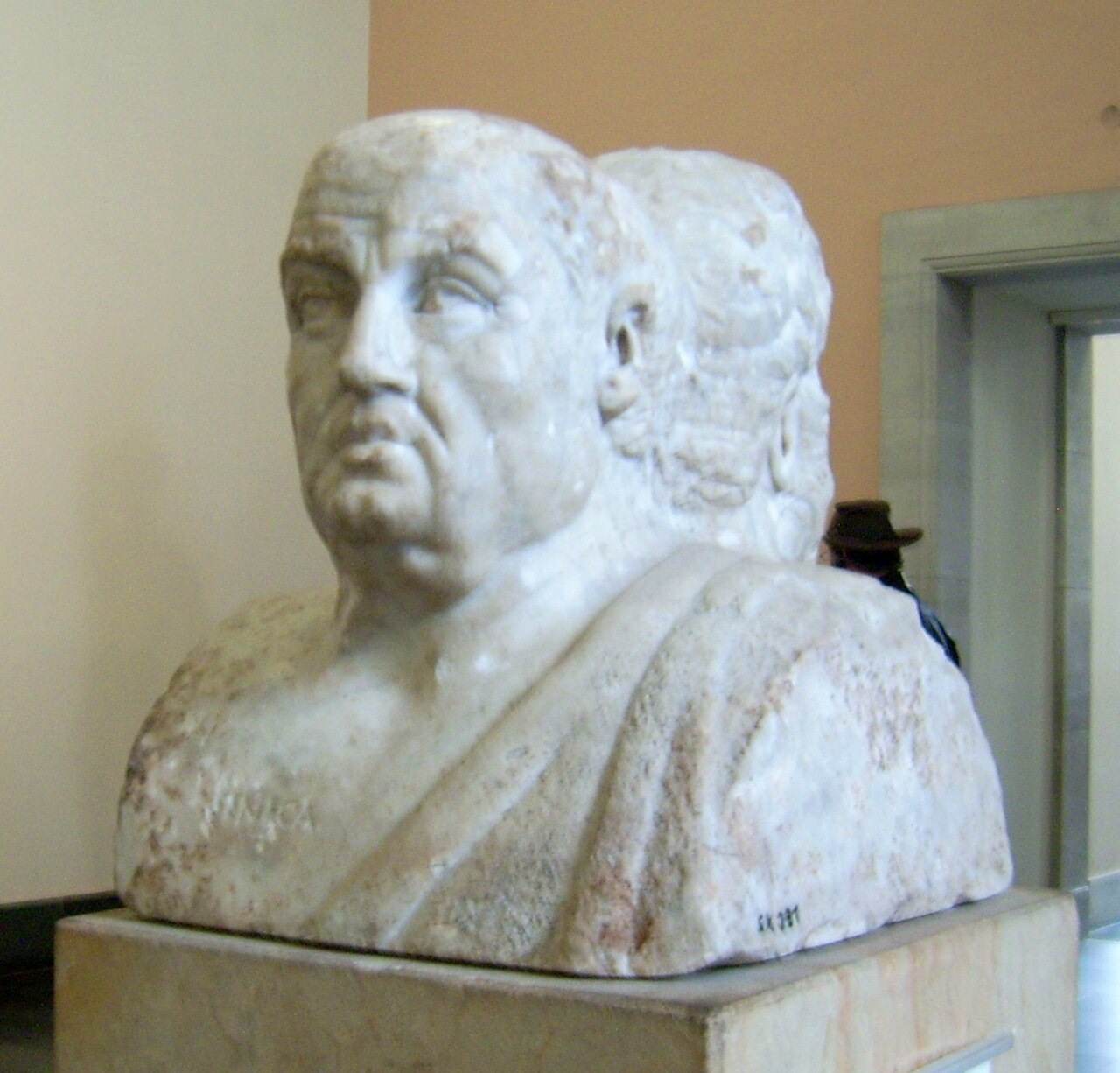 Sculpture
Secondary source
Double Herm of Socrates and Seneca
first half of the 3rd century AD
Ready when you are
Start chatting with Seneca now.
20 messages free · No credit card · Available in 50+ languages.