


Primary sourceLetter
To Polybius
Seneca
A consolation letter written by Seneca from exile to Claudius' freedman Polybius, mixing philosophy with flattery of the emperor.
Written by Seneca himself during his exile, revealing his attempt to gain favor and recall through flattery of Claudius.
About this source
What it is
This is a consolation written by Seneca, the Roman Stoic philosopher, addressed to Polybius, a freedman serving the emperor Claudius. Seneca wrote it while in exile.
Why it matters
The text offers Stoic reflections on mortality and loss, but it also contains open flattery of Claudius. This reveals the political pressures Seneca faced: as an exile hoping to be recalled to Rome, he used his writing not only to console but to try to win favor with those in power.
Look closer
- Why might a philosopher writing about accepting loss also praise the emperor so openly?
- What does this mix of philosophy and flattery tell you about Seneca's situation at the time?
- How might Seneca's goals (comfort, persuasion, survival) shape what he chooses to say?
This letter is part of the curated material that grounds the AI version of Seneca on Humy.ai — when students ask about related events, the AI can quote it and cite it.
More Seneca sources
Meet the AI Seneca →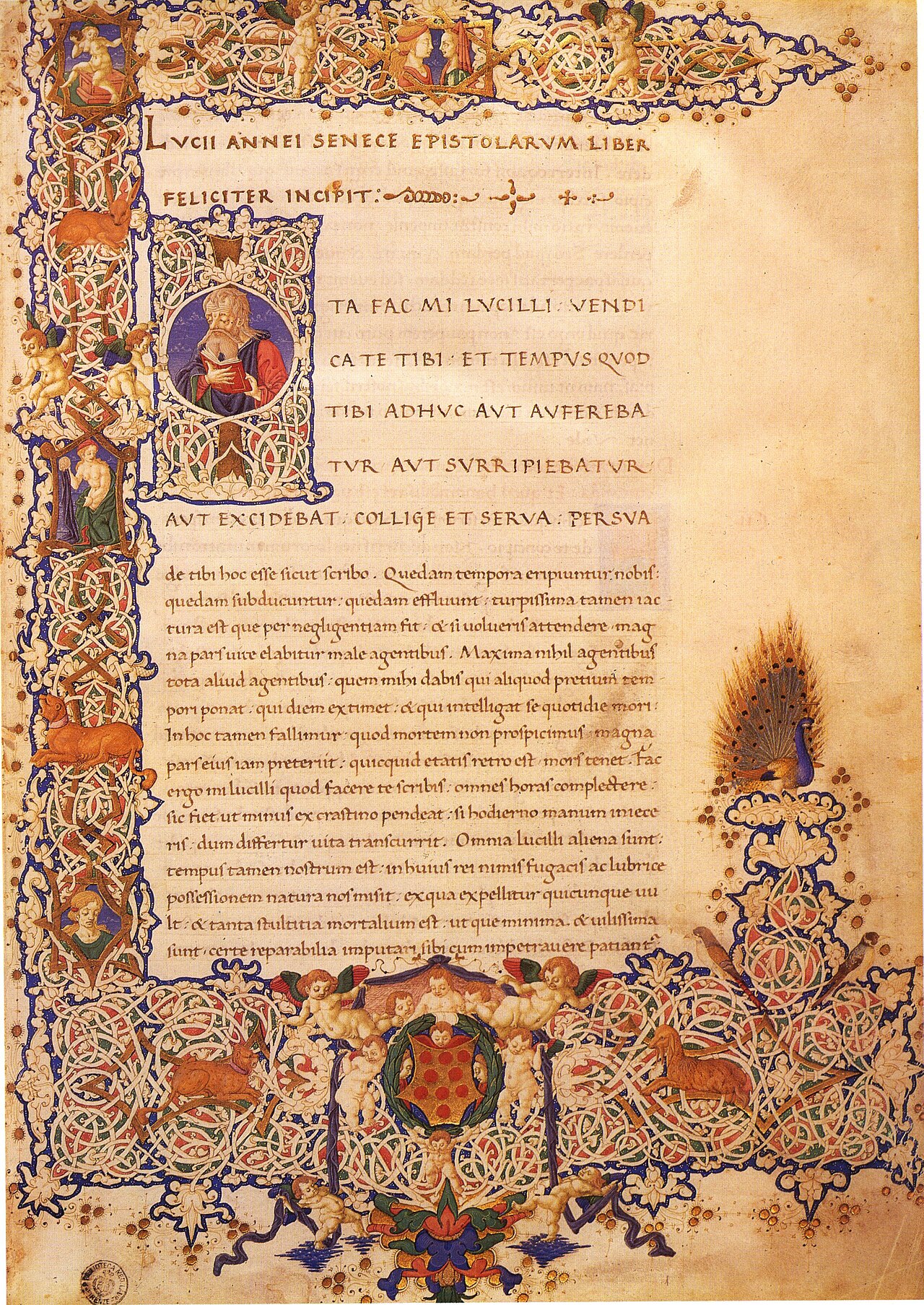 Letter
Primary source
Epistulae Morales ad Lucilium
Seneca · c. 62-65 CE
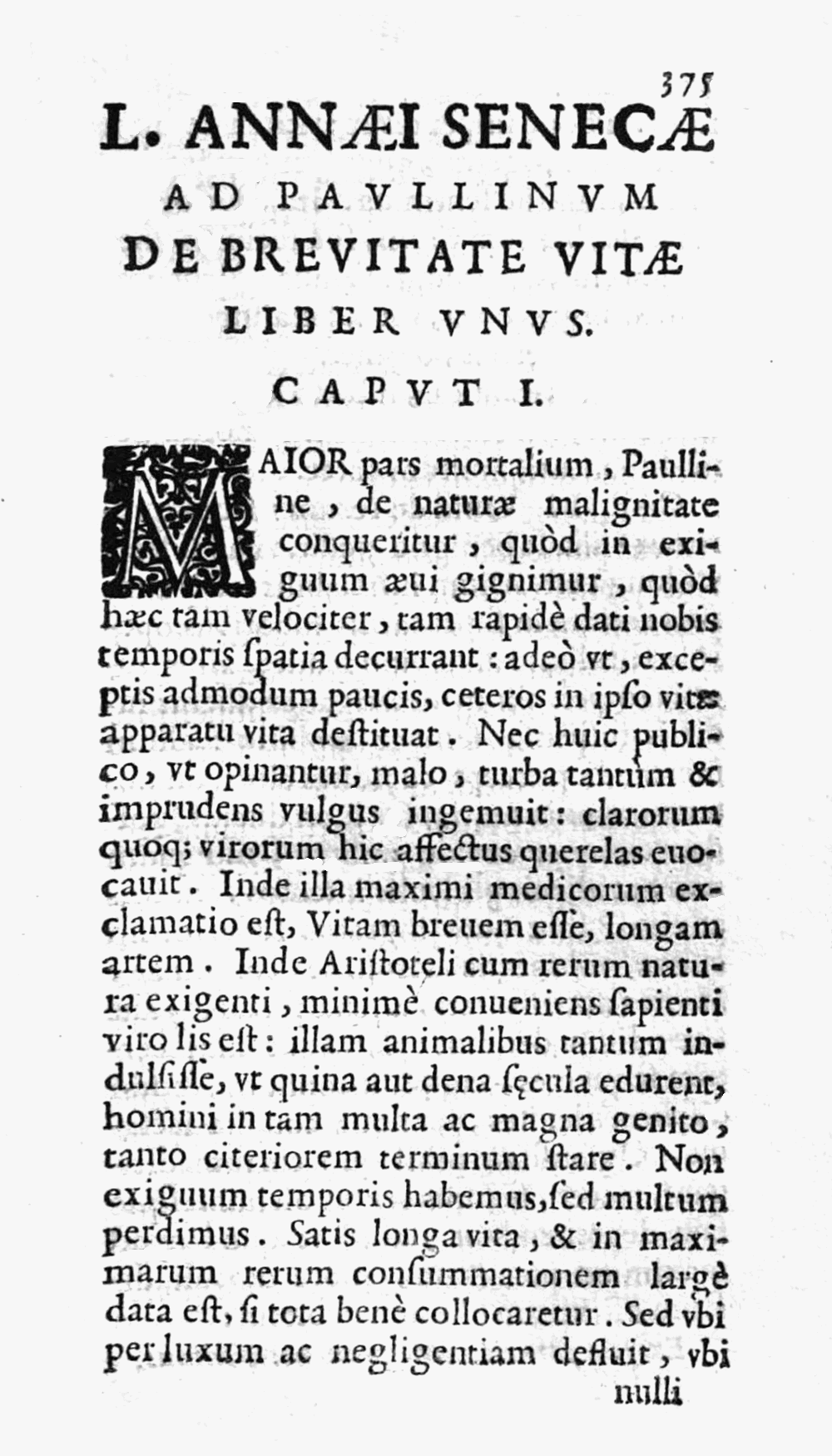 Book
Primary source
De Brevitate Vitae
Seneca · c. 49 CE
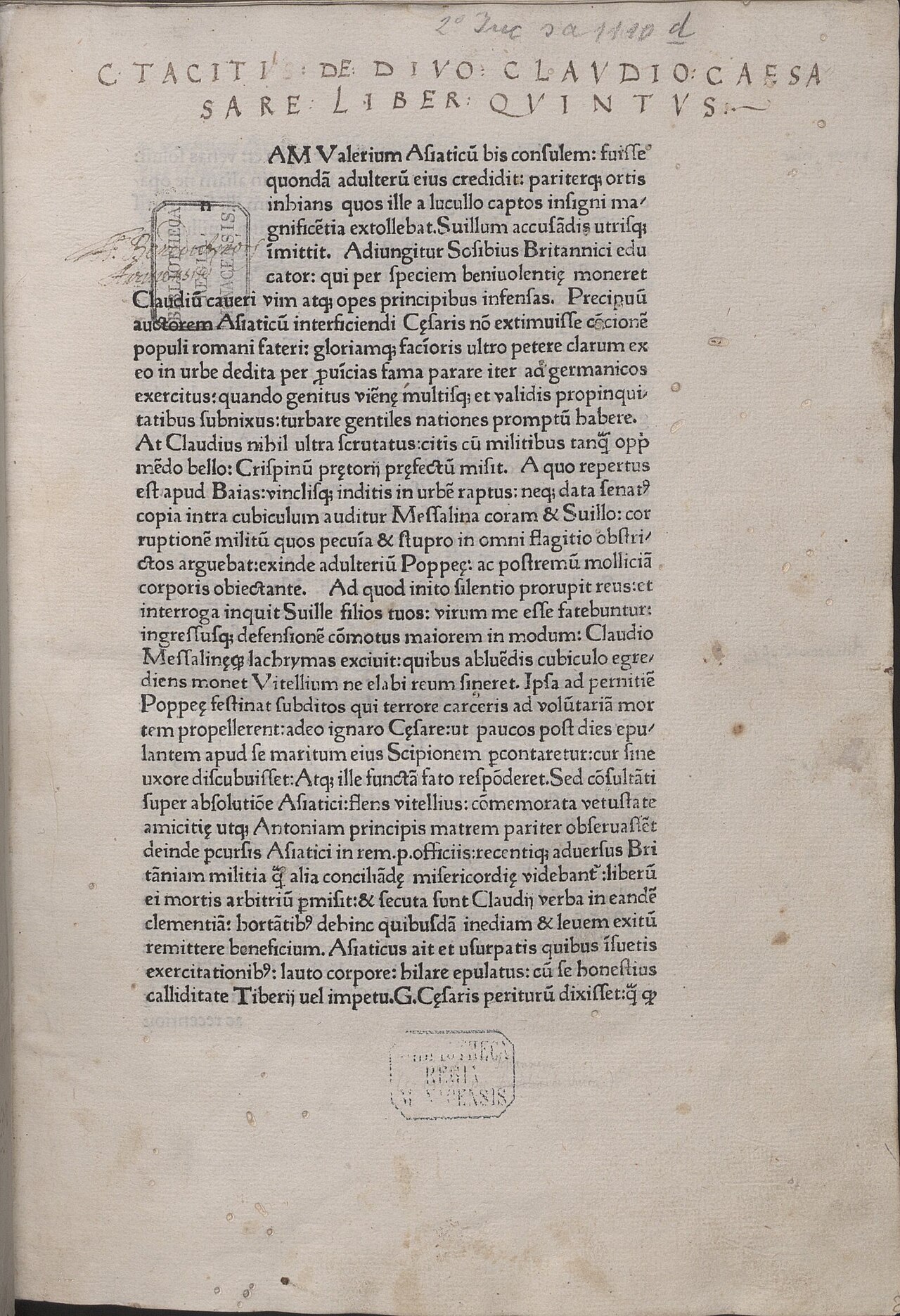 Book
Secondary source
Annals
Tacitus · c. AD 116 or later
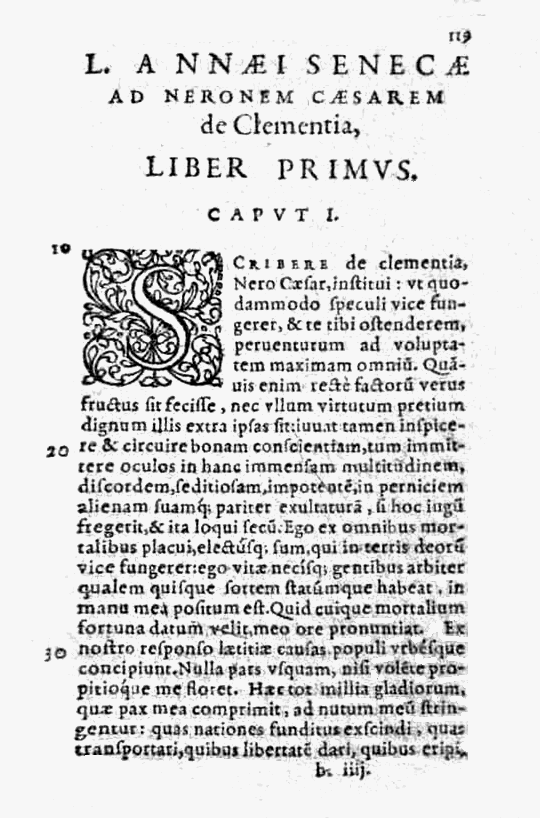 Book
Primary source
De Clementia
Seneca · 55-56 CE
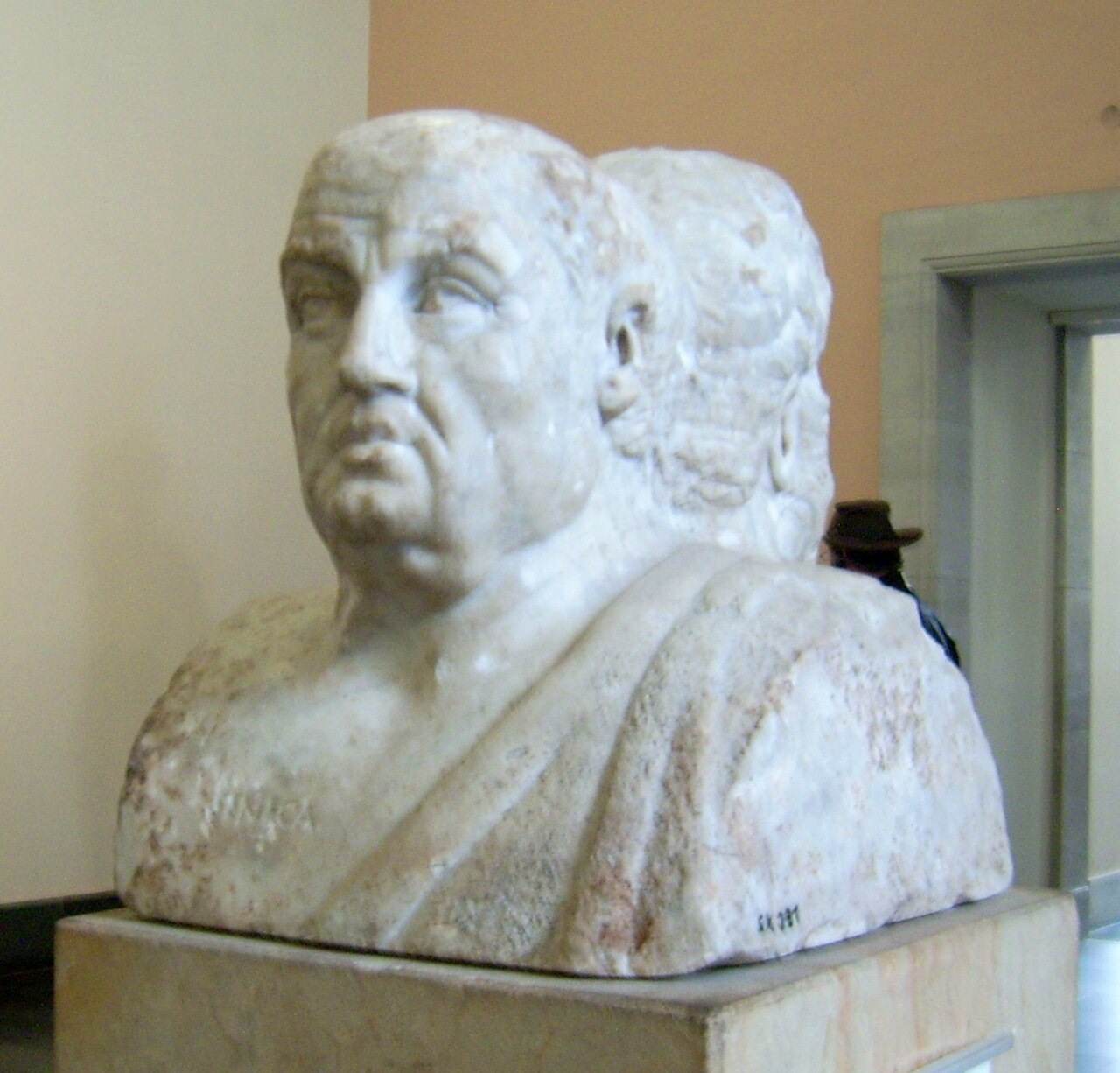 Sculpture
Secondary source
Double Herm of Socrates and Seneca
first half of the 3rd century AD
Ready when you are
Start chatting with Seneca now.
20 messages free · No credit card · Available in 50+ languages.