


Secondary sourceArtifact13th century (rebuilt later)
Tomb of Shams-i Tabrizi
13th century (rebuilt later)
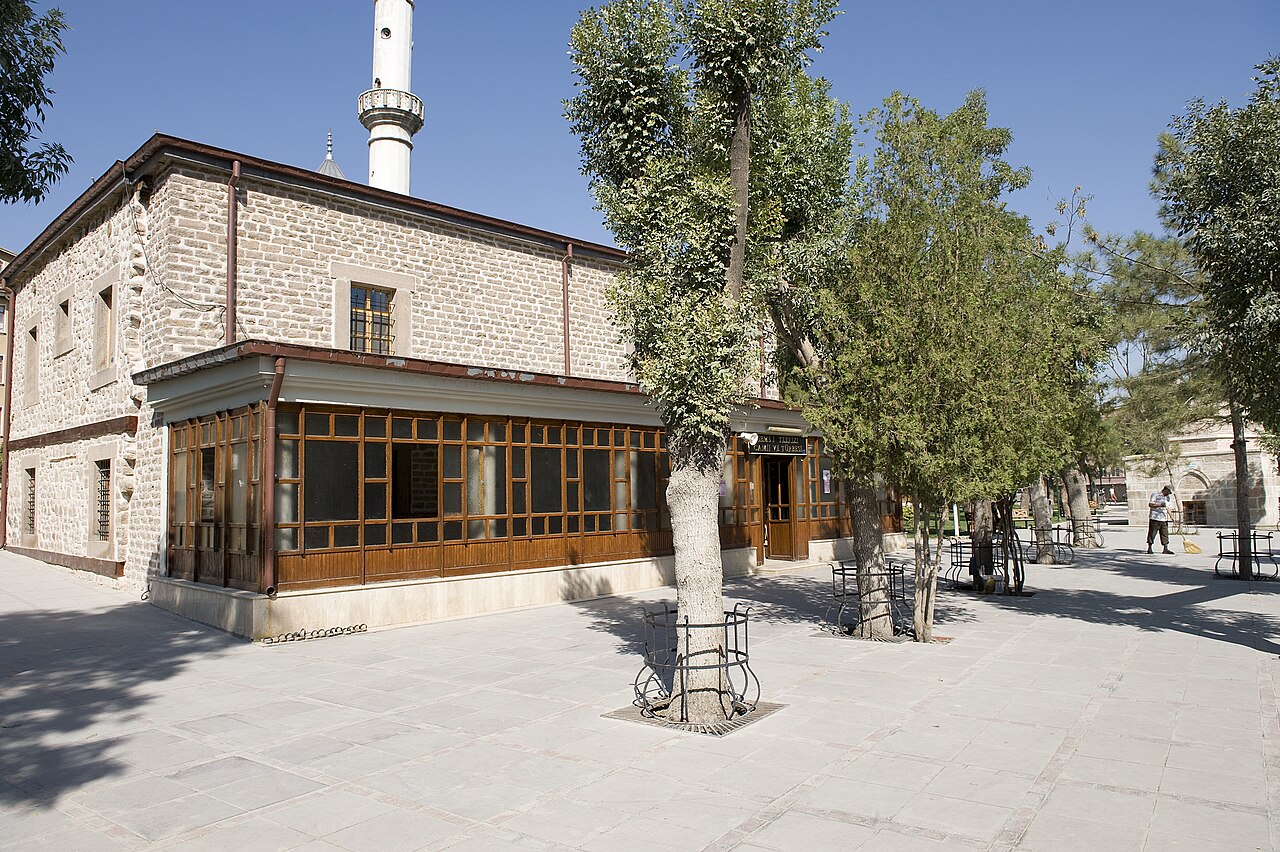
A shrine in Konya traditionally linked to Shams-i Tabrizi, the mystic whose disappearance inspired much of Rumi's poetry.
This shrine, tied to Shams-i Tabrizi's disappearance, marks the relationship that inspired much of Rumi's lyric poetry.
About this source
What it is
This building in Konya, Turkey, is traditionally identified as the tomb of Shams-i Tabrizi, a 13th-century Iranian mystic who, according to tradition, taught Rumi in seclusion for forty days before leaving Konya and later disappearing. The structure, rebuilt over time, has been nominated as a UNESCO World Heritage Site.
Why it matters
Shams-i Tabrizi is remembered with great reverence and grief throughout Rumi's poetry, especially in the Divan-i Shams-i Tabrizi. This shrine marks the place tradition connects to the relationship between the two men, and to the loss that is said to have driven Rumi's outpouring of lyric poetry.
Look closer
- What does it mean that this site is based on 'tradition' rather than certain historical proof?
- Why might a building connected to Shams matter so much to understanding Rumi's poetry?
- What questions does the uncertainty around Shams's disappearance leave unanswered?
This artifact is part of the curated material that grounds the AI version of Rumi (Jalāl ad-Dīn Muhammad Rūmī) on Humy.ai — when students ask about related events, the AI can quote it and cite it.
More Rumi (Jalāl ad-Dīn Muhammad Rūmī) sources
Meet the AI Rumi (Jalāl ad-Dīn Muhammad Rūmī) →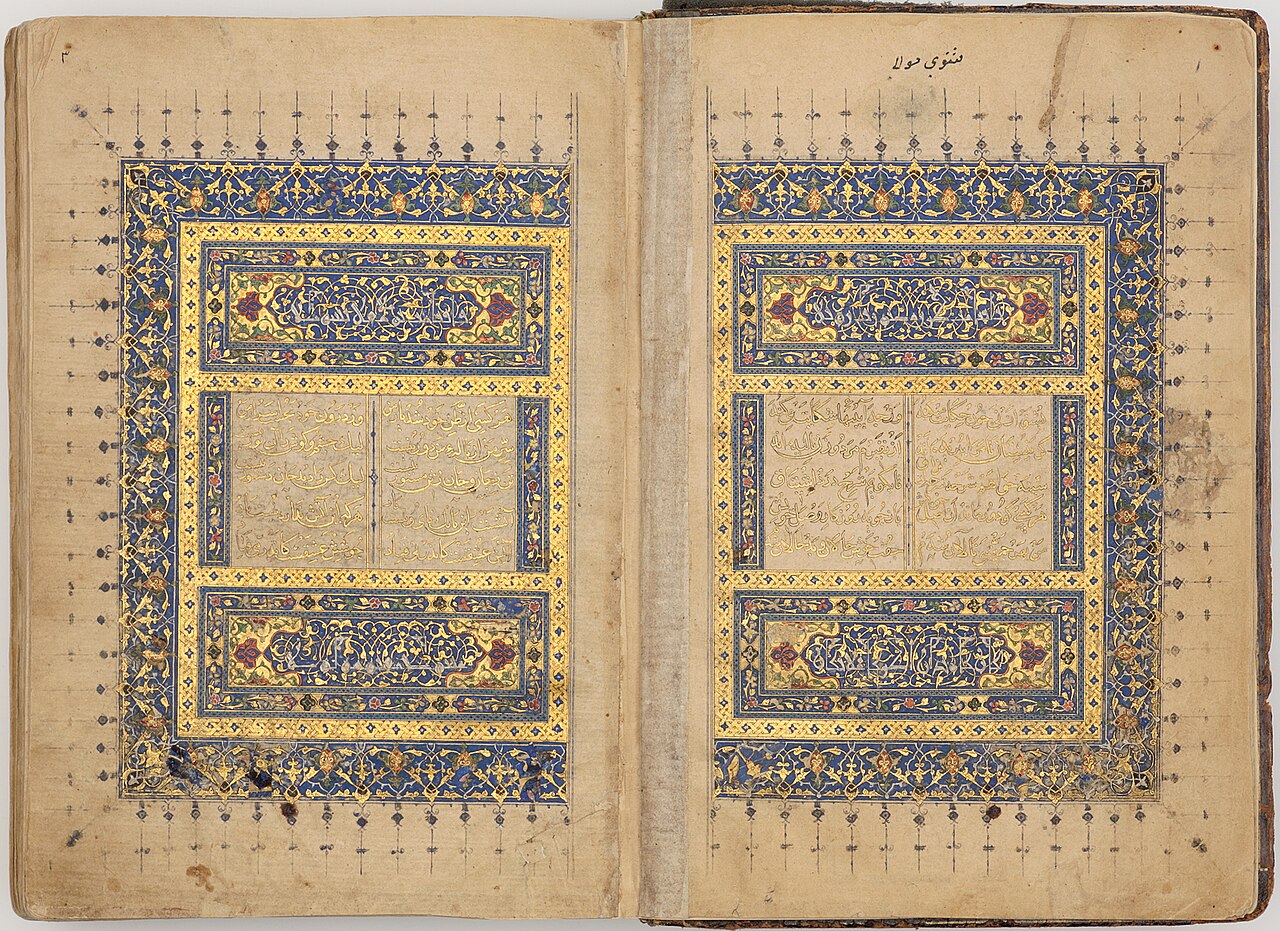 Book
Primary source
Masnavi
Rumi · c. 1258-1273
 Book
Primary source
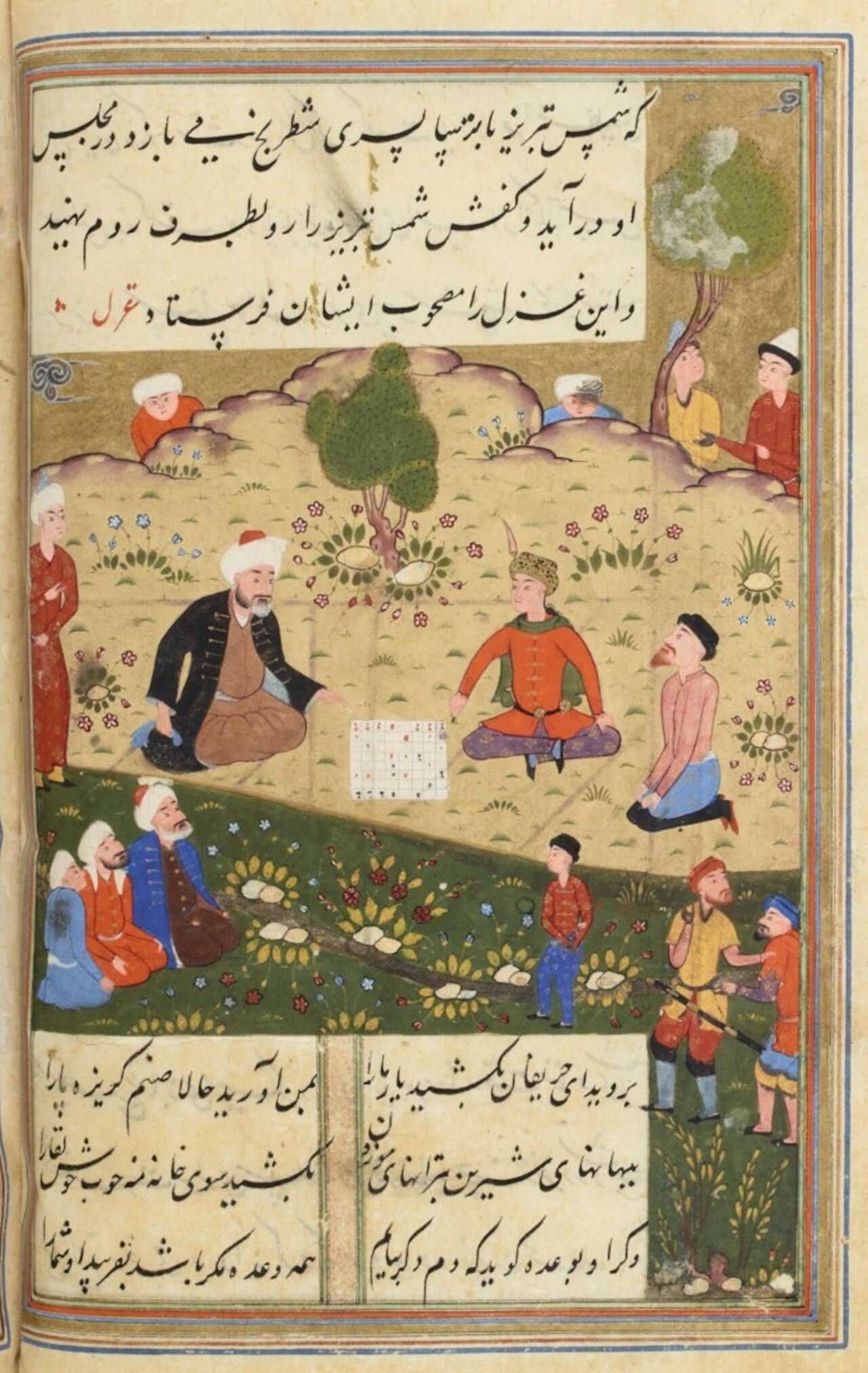
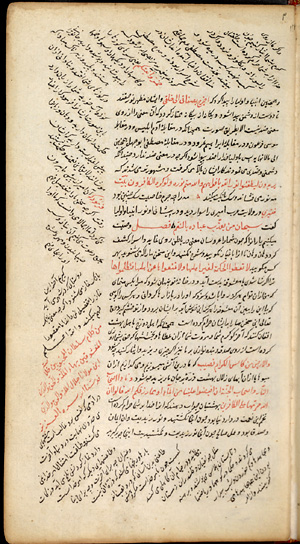
Diwan-e Shams-e Tabrizi
Rumi · c. 1247 onward
 Artifact
Secondary source
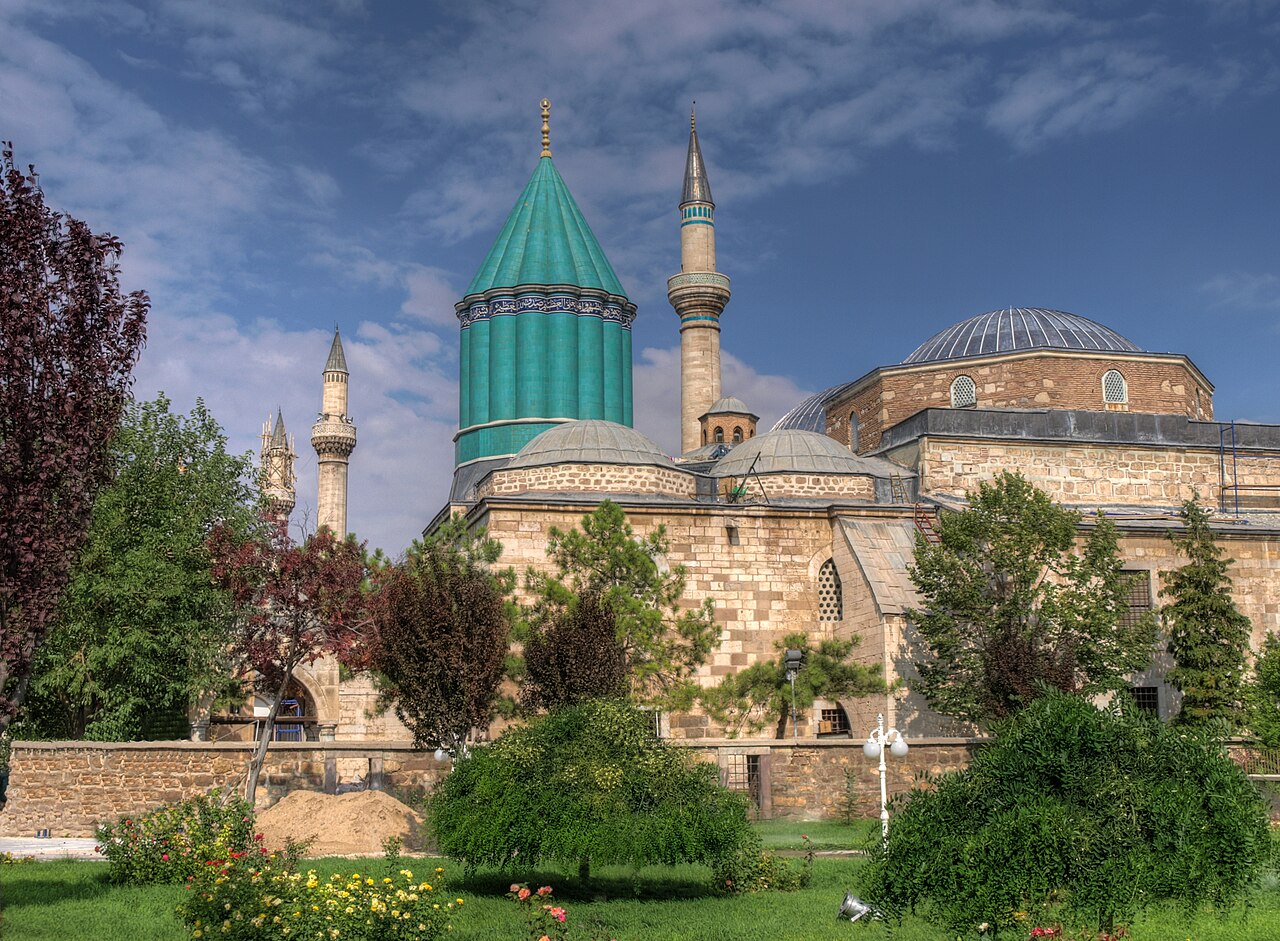
Grave of Rumi
soon after 1273
 Book
Primary source
Fihi Ma Fihi
Rumi · c. 1260-1273
 Artifact
Secondary source
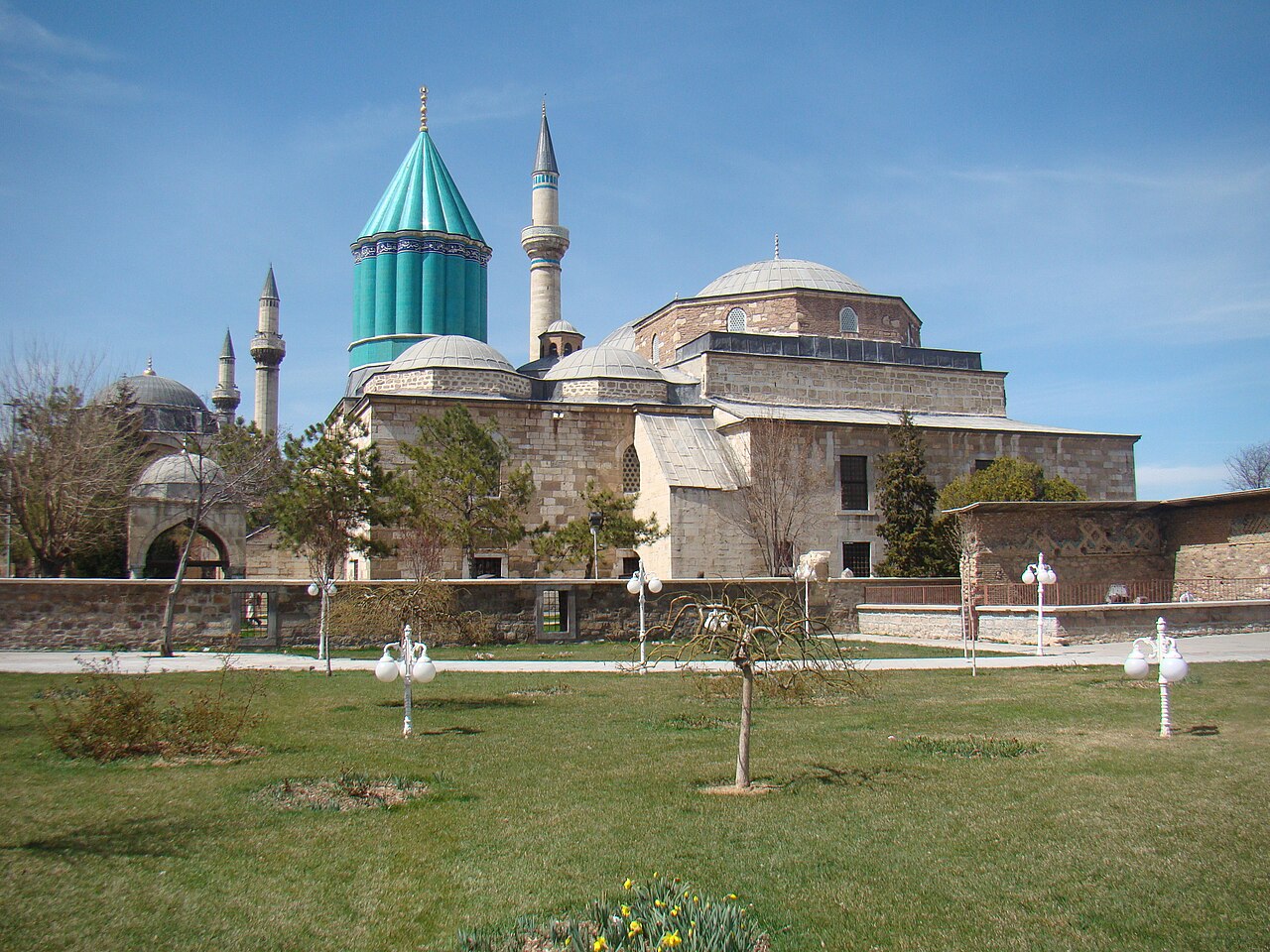
Mevlâna Museum
Badr al-Din Tabrizi (architect) · built soon after 1273; museum since 1926
Ready when you are
Start chatting with Rumi (Jalāl ad-Dīn Muhammad Rūmī) now.
20 messages free · No credit card · Available in 50+ languages.