


Secondary sourceArtifact1st century BC–1st century AD
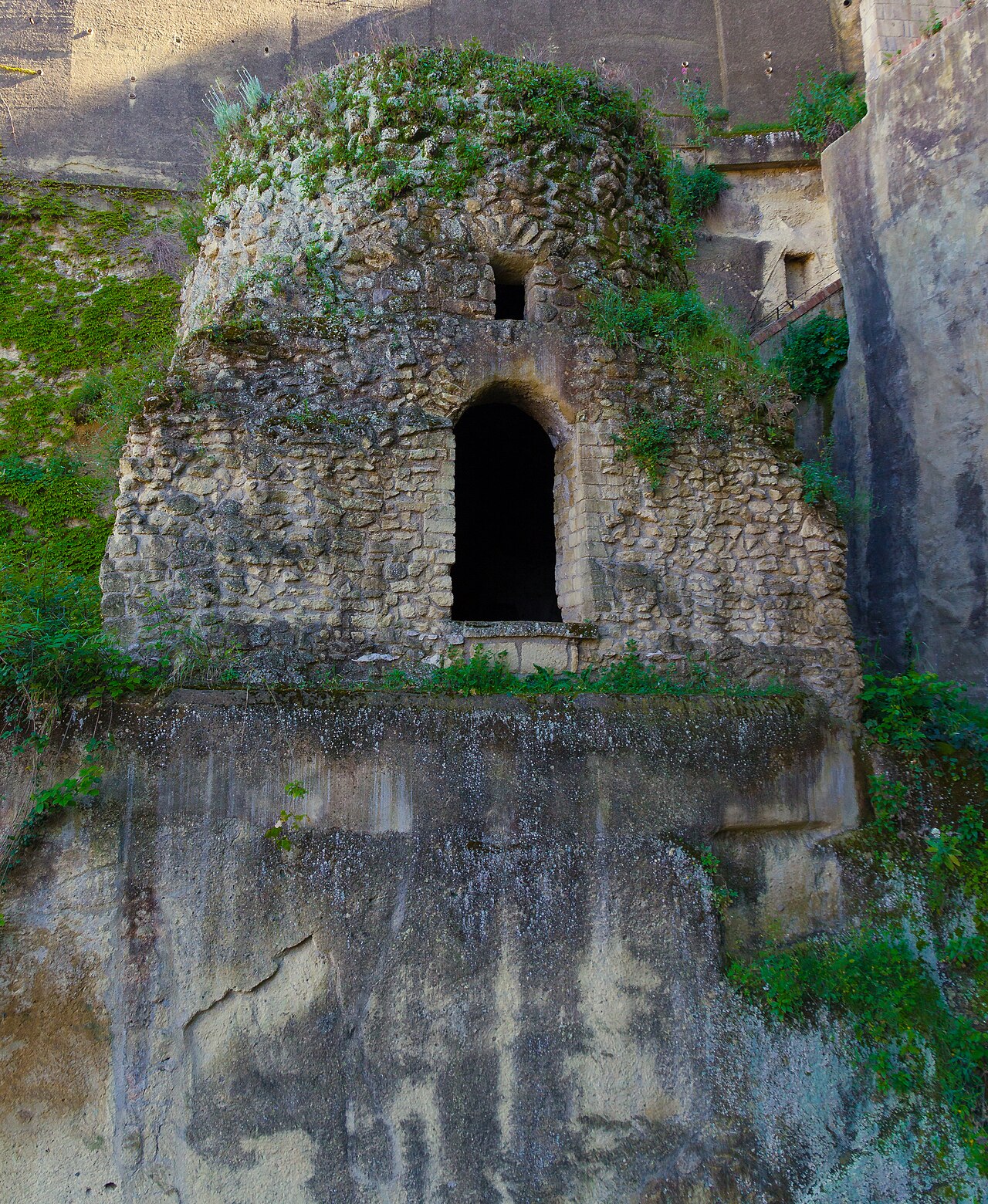
Tomb of Virgil
Unknown Roman builders · 1st century BC–1st century AD
A Roman funerary structure in Naples traditionally venerated since antiquity as the burial place of Virgil.
Traditionally venerated since antiquity as Virgil's burial place, showing the devotion of his later admirers.
About this source
What it is
This stone structure stands at Piedigrotta in Naples and dates from the 1st century BC to the 1st century AD. Its builders are unknown, but since ancient times it has been identified as the tomb of Virgil.
Why it matters
The Roman writer Pliny recorded that the poet Silius Italicus visited the tomb as though it were a temple, showing how quickly and deeply Virgil was honored after his death. Whether or not this exact structure holds Virgil's remains, it became a lasting site of pilgrimage for admirers of his poetry across the centuries.
Look closer
- Why might people treat a poet's tomb like a sacred site, visiting it as if it were a temple?
- What does the uncertainty about this tomb's authenticity tell us about how legends form around famous figures?
- What does the site's survival over centuries say about Virgil's lasting fame?
This artifact is part of the curated material that grounds the AI version of Virgil on Humy.ai — when students ask about related events, the AI can quote it and cite it.
Ready when you are
Start chatting with Virgil now.
20 messages free · No credit card · Available in 50+ languages.