


Primary sourceBook
Topics
Aristotle
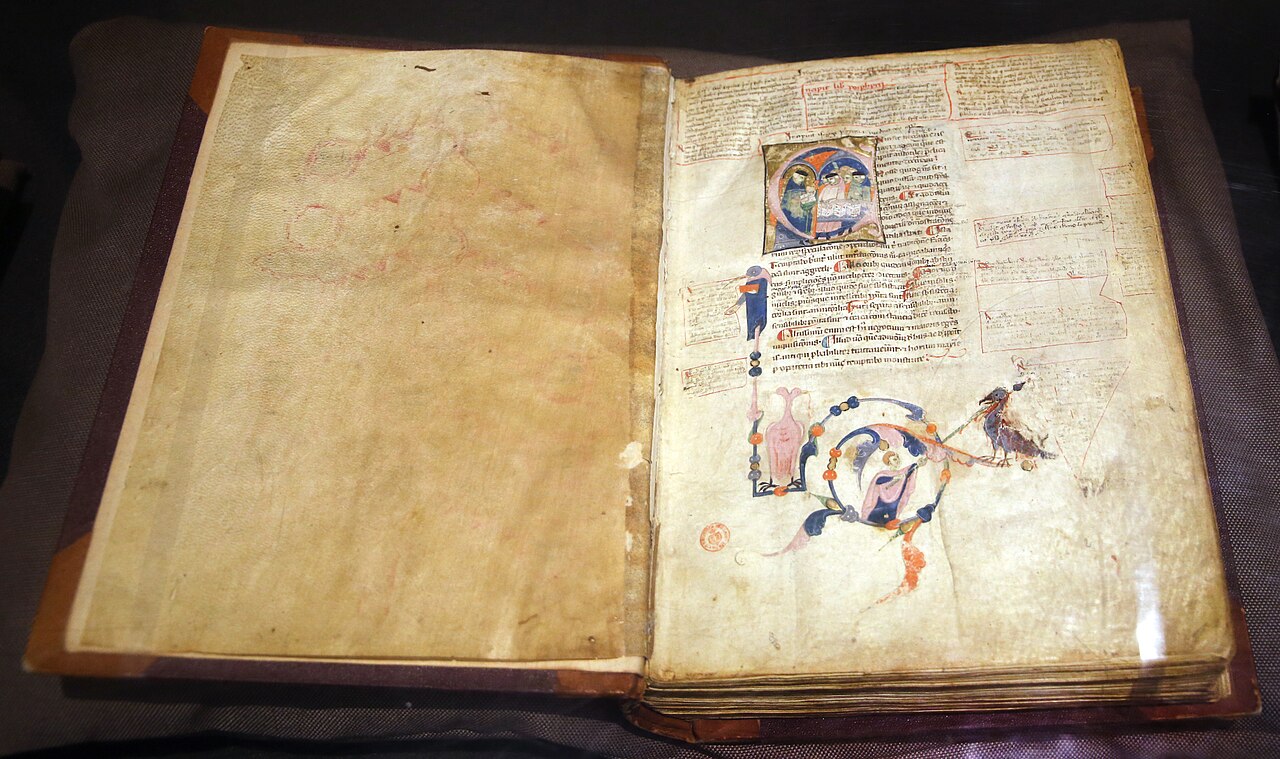
Aristotle's treatise on dialectical argument, part of his collected works on logic known as the Organon.
One of Aristotle's own treatises on logic, showing his method of teaching dialectical argument.
About this source
What it is
Topics is one of Aristotle's six works on logic, grouped together as the Organon. It explains the art of dialectic — constructing arguments from commonly held opinions, called endoxa — and introduces the idea of 'topoi,' or places from which arguments can be found.
Why it matters
The work reflects the debating culture of Plato's Academy, where Aristotle trained before developing his own school of thought. It shows Aristotle trying to systematize how people reason and argue persuasively, distinguishing dialectical, demonstrative, and contentious reasoning — an early attempt to study not just what is true but how people argue about what seems true.
Look closer
- Why might Aristotle want to classify different types of reasoning and arguments?
- What does the idea of 'commonly held opinions' tell us about how ancient Greeks debated?
- How might a handbook like this be useful outside of philosophy, such as in politics or law?
This book is part of the curated material that grounds the AI version of Aristotle on Humy.ai — when students ask about related events, the AI can quote it and cite it.
More Aristotle sources
Meet the AI Aristotle →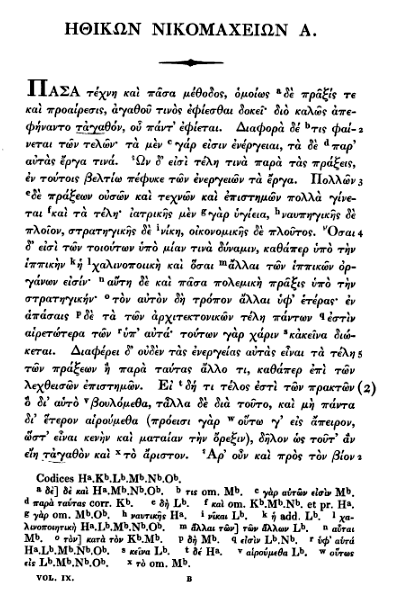
Ready when you are
Start chatting with Aristotle now.
20 messages free · No credit card · Available in 50+ languages.