


Primary sourceBookAD 8–11
Tristia
Ovid · AD 8–11
Poems written by Ovid in exile after Augustus banished him, offering a rare personal, dissenting voice on the emperor's power.
Ovid's exile poems, written after Augustus banished him, give a rare personal dissent against his power.
About this source
What it is
The Tristia is a collection of elegiac poems written by the poet Ovid during the years following his banishment from Rome by Augustus, around AD 8–11. The poems were written during his journey into exile and the years after, addressed to his wife, friends and, in one long poem, to Augustus himself, pleading for his return.
Why it matters
The exact reason for Ovid's banishment is uncertain, but the poems show the personal cost of offending the emperor and give a rare dissenting, sorrowful voice from someone who suffered directly under Augustus's authority over literature and morals. Ovid's plea to Augustus went unanswered, and he died in exile.
Look closer
- Why might Ovid be careful about what he says directly against Augustus, even while describing his suffering?
- What does his plea for forgiveness reveal about the emperor's power over even famous writers?
- How does this source differ from the praise-filled poetry Augustus commissioned, like the Carmen saeculare?
This book is part of the curated material that grounds the AI version of Augustus on Humy.ai — when students ask about related events, the AI can quote it and cite it.
More Augustus sources
Meet the AI Augustus →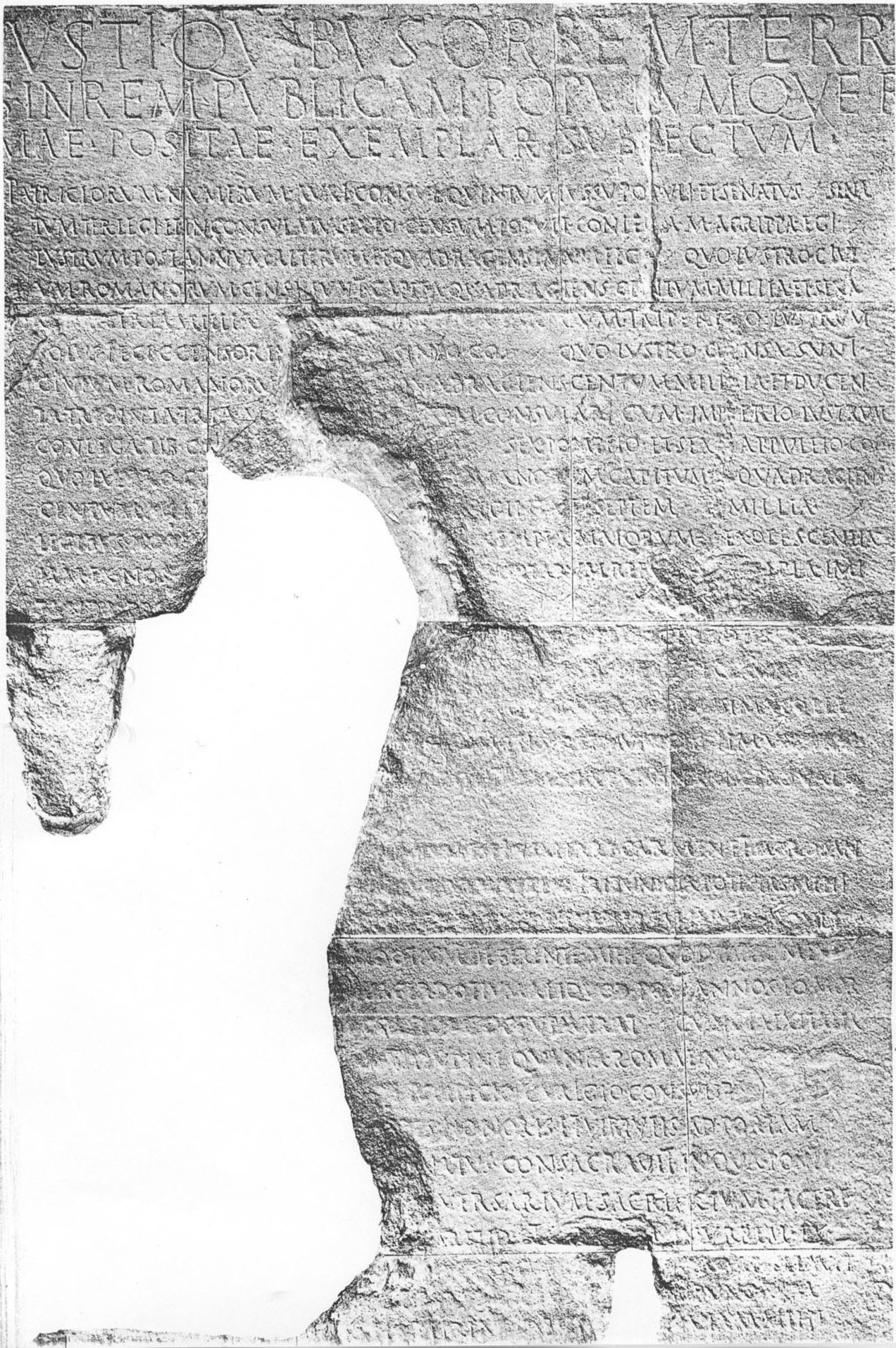 Document
Primary source
Res Gestae Divi Augusti
Augustus · 14 AD
 Painting
Secondary source
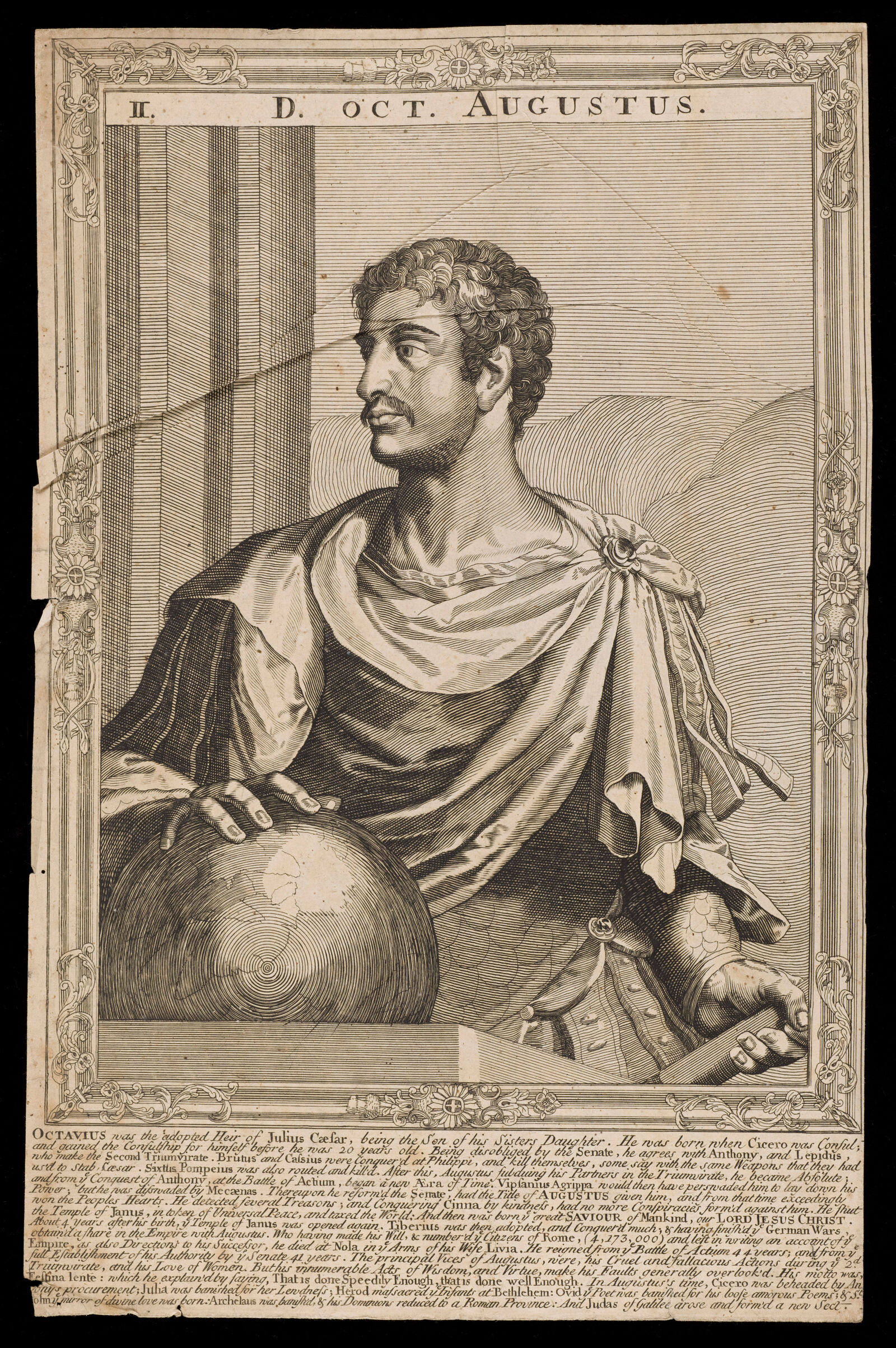
Emperor Augustus with Globe
After Titian (engraving by A. Sadeler, after Titian) · between 1700 and 1799 (possibly 17th century)
 Sculpture
Primary source
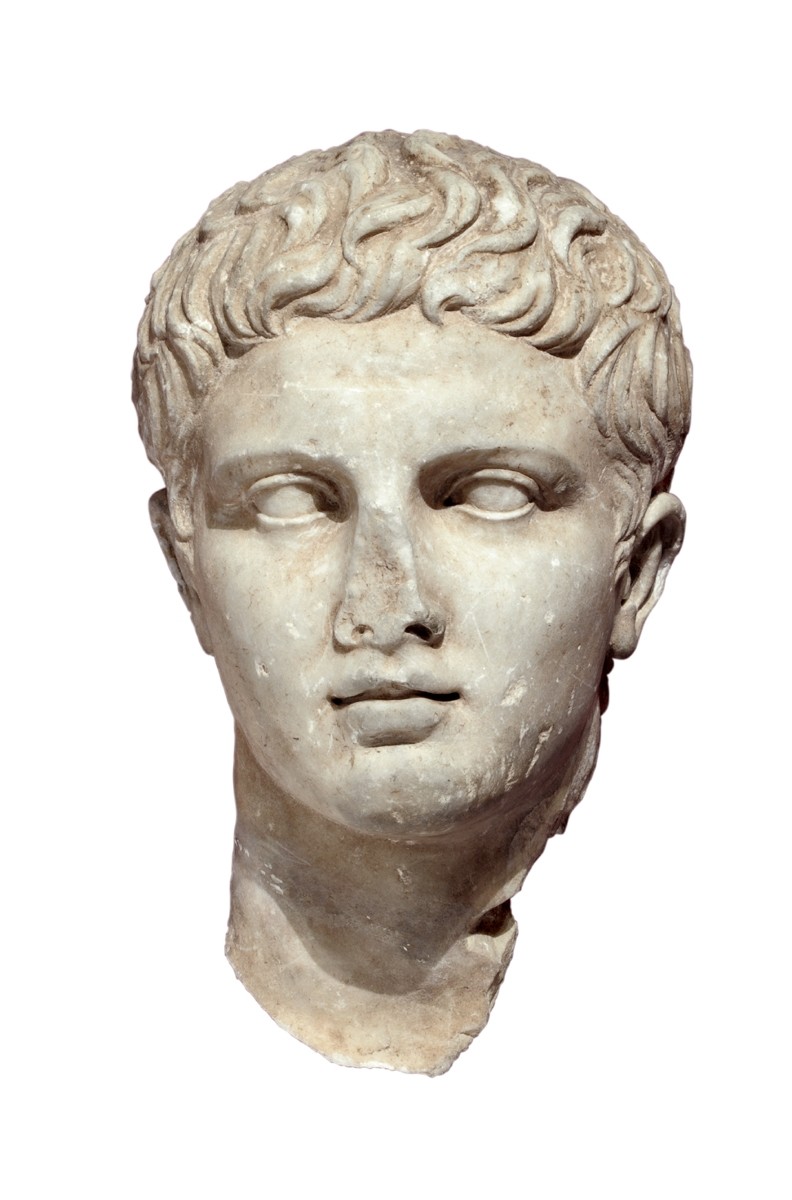
Relief Head of the Young Augustus
 Sculpture
Secondary source
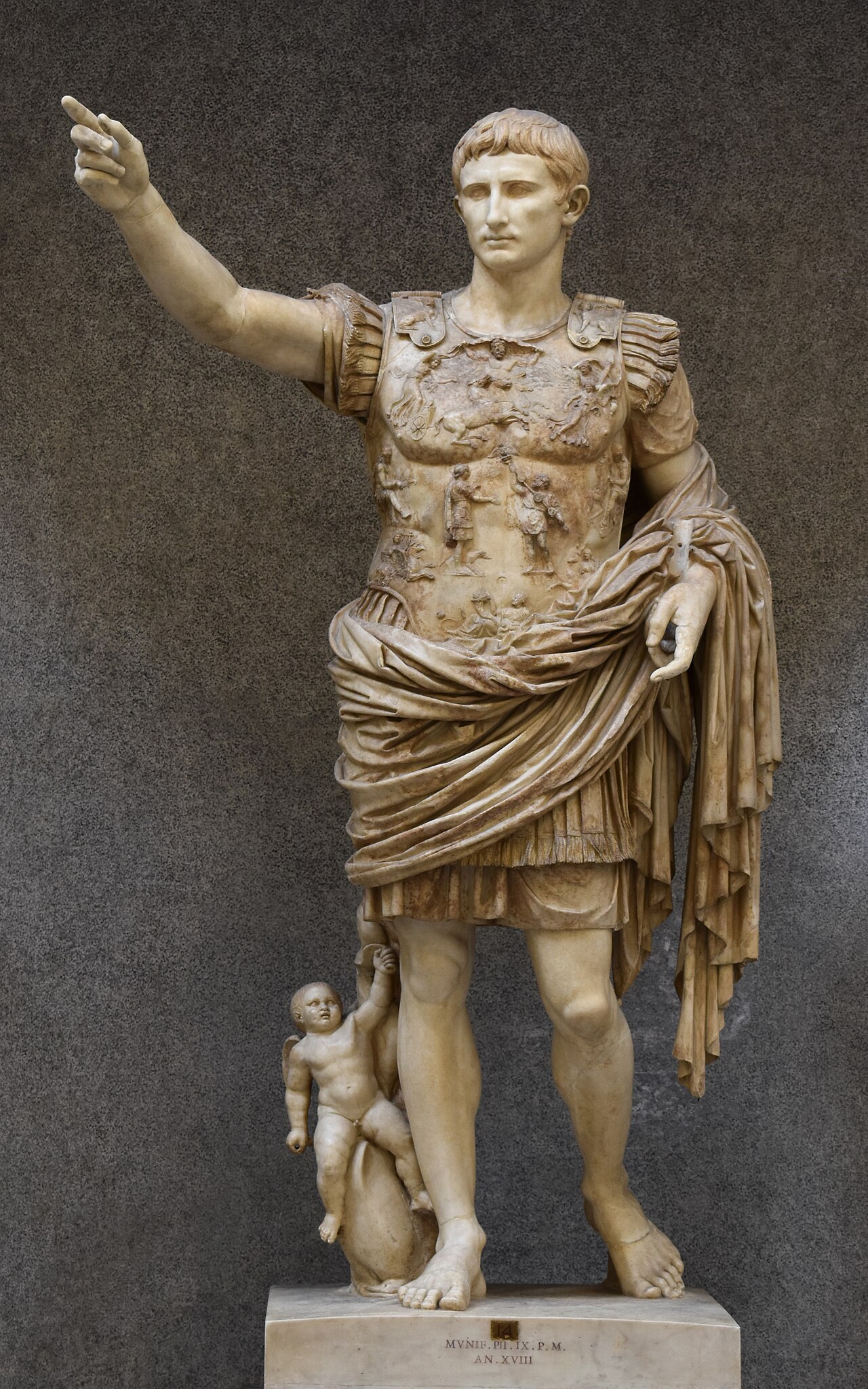
Augustus of Prima Porta
c. 19 BCE or later
 Artifact
Primary source
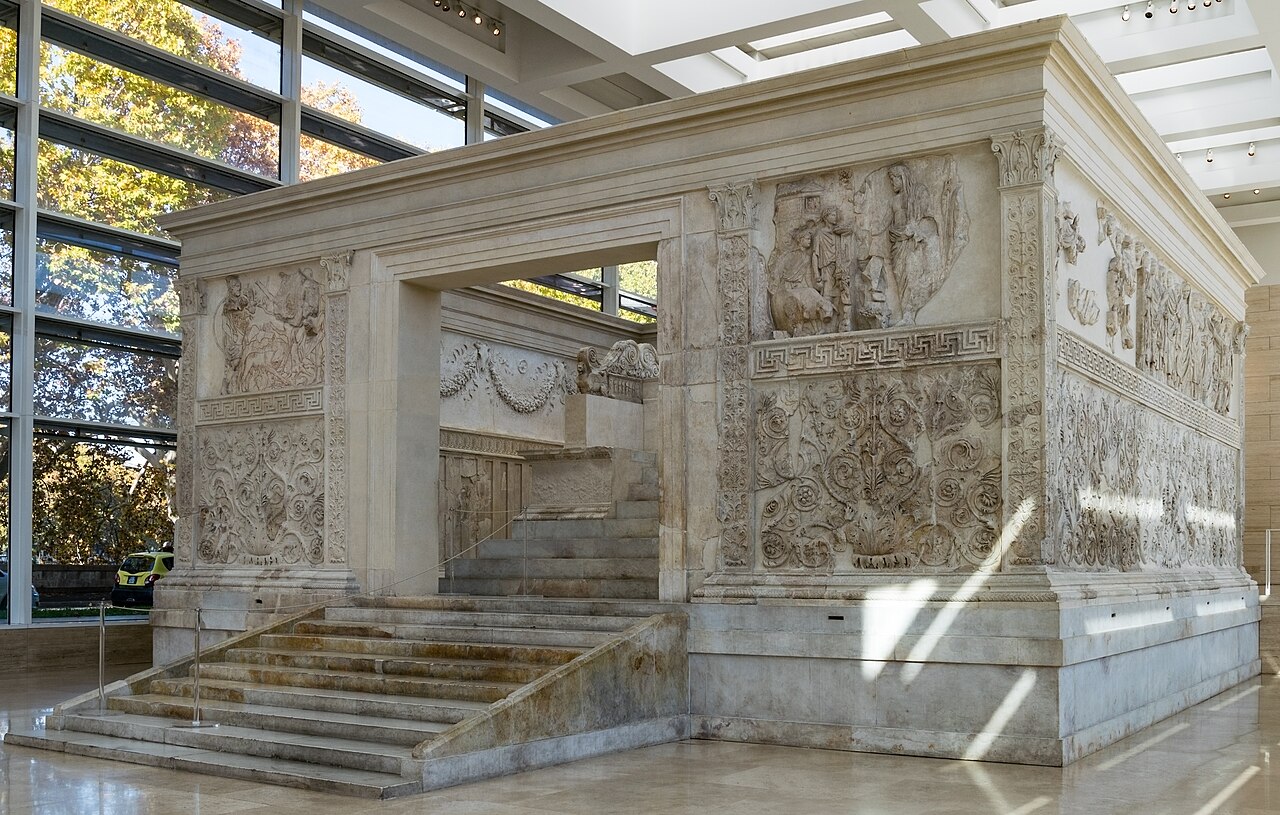
Ara Pacis
13-9 BCE
Ready when you are
Start chatting with Augustus now.
20 messages free · No credit card · Available in 50+ languages.