


Primary sourceBook
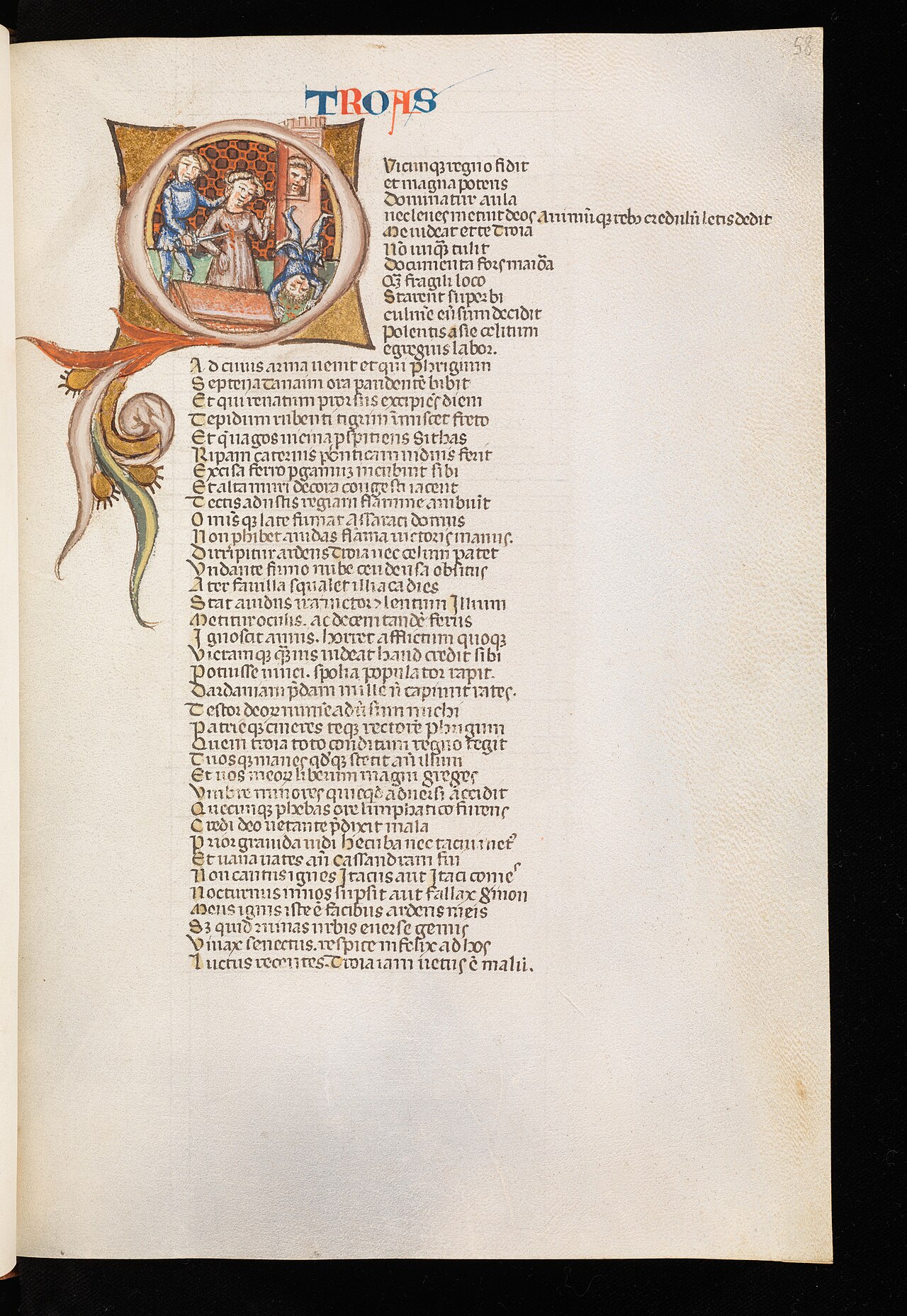
Troades
Seneca
A Roman tragedy by Seneca about the fate of the Trojan women after the fall of Troy, surviving in a 15th-century illuminated manuscript.
Written by Seneca himself, this tragedy links his work as a playwright to his Stoic reflections on death and suffering.
About this source
What it is
Troades, meaning 'The Trojan Women', is a Roman tragedy of about 1,179 lines written by the philosopher and dramatist Seneca. It follows the Trojan queen Hecuba and other Trojan women after the fall of Troy, as the victorious Greeks decide the fates of Polyxena and the child Astyanax. The copy shown here comes from a 15th-century Italian manuscript containing all ten of Seneca's tragedies, with a decorated initial letter containing a painted miniature.
Why it matters
The play's choral reflections on death and suffering connect Seneca's work as a dramatist to his Stoic philosophy. It shows how Roman writers reused Greek myth to explore grief, cruelty, and the randomness of fate, themes that mattered to Seneca's own life under the unpredictable power of Roman emperors.
Look closer
- What does the decorated initial and miniature painting tell you about how later readers valued this text?
- How might the chorus's comments on death reflect Stoic ideas?
- Why do you think a philosopher also wrote plays about violence and loss?
This book is part of the curated material that grounds the AI version of Seneca on Humy.ai — when students ask about related events, the AI can quote it and cite it.
More Seneca sources
Meet the AI Seneca →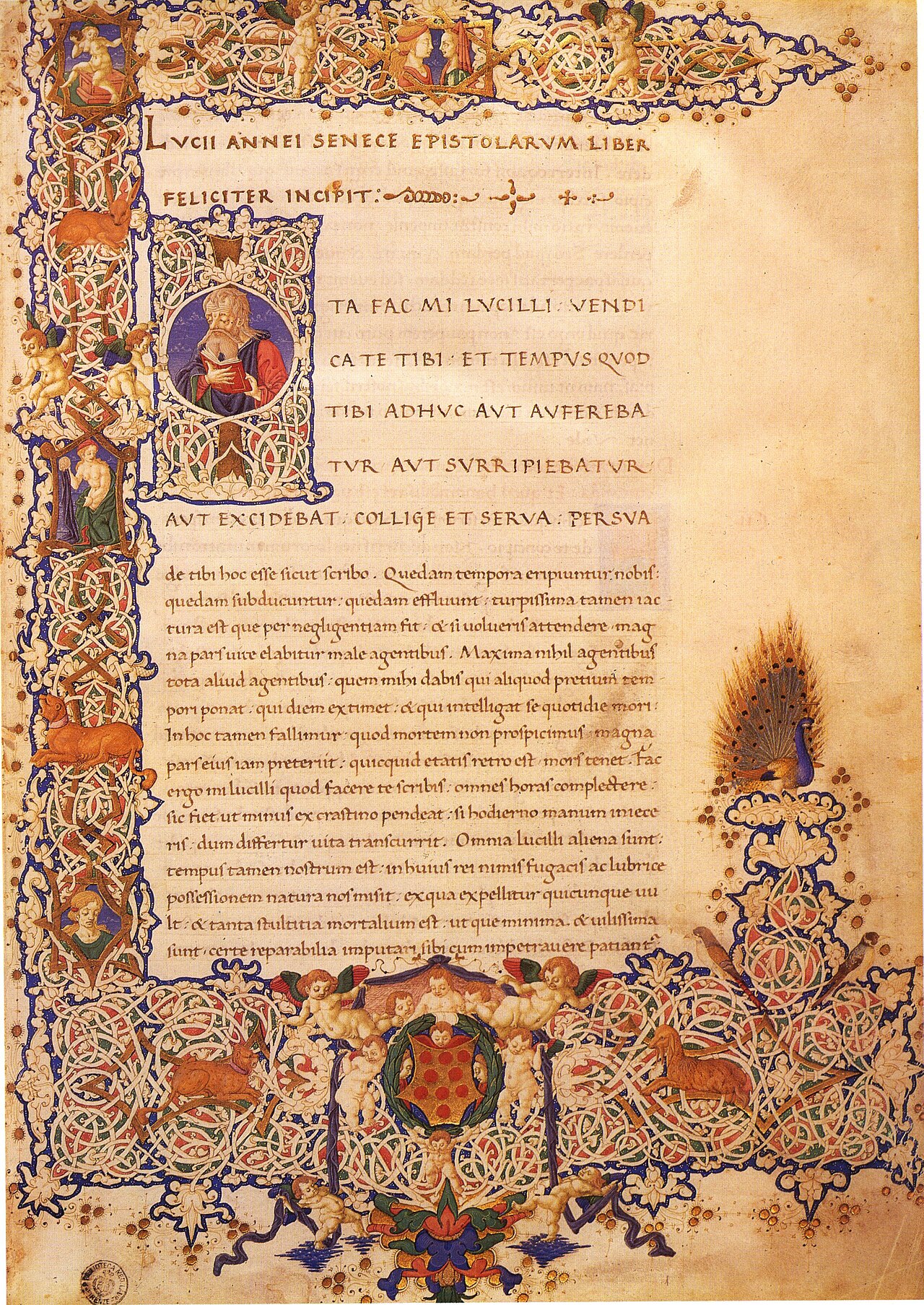 Letter
Primary source
Epistulae Morales ad Lucilium
Seneca · c. 62-65 CE
 Book
Primary source
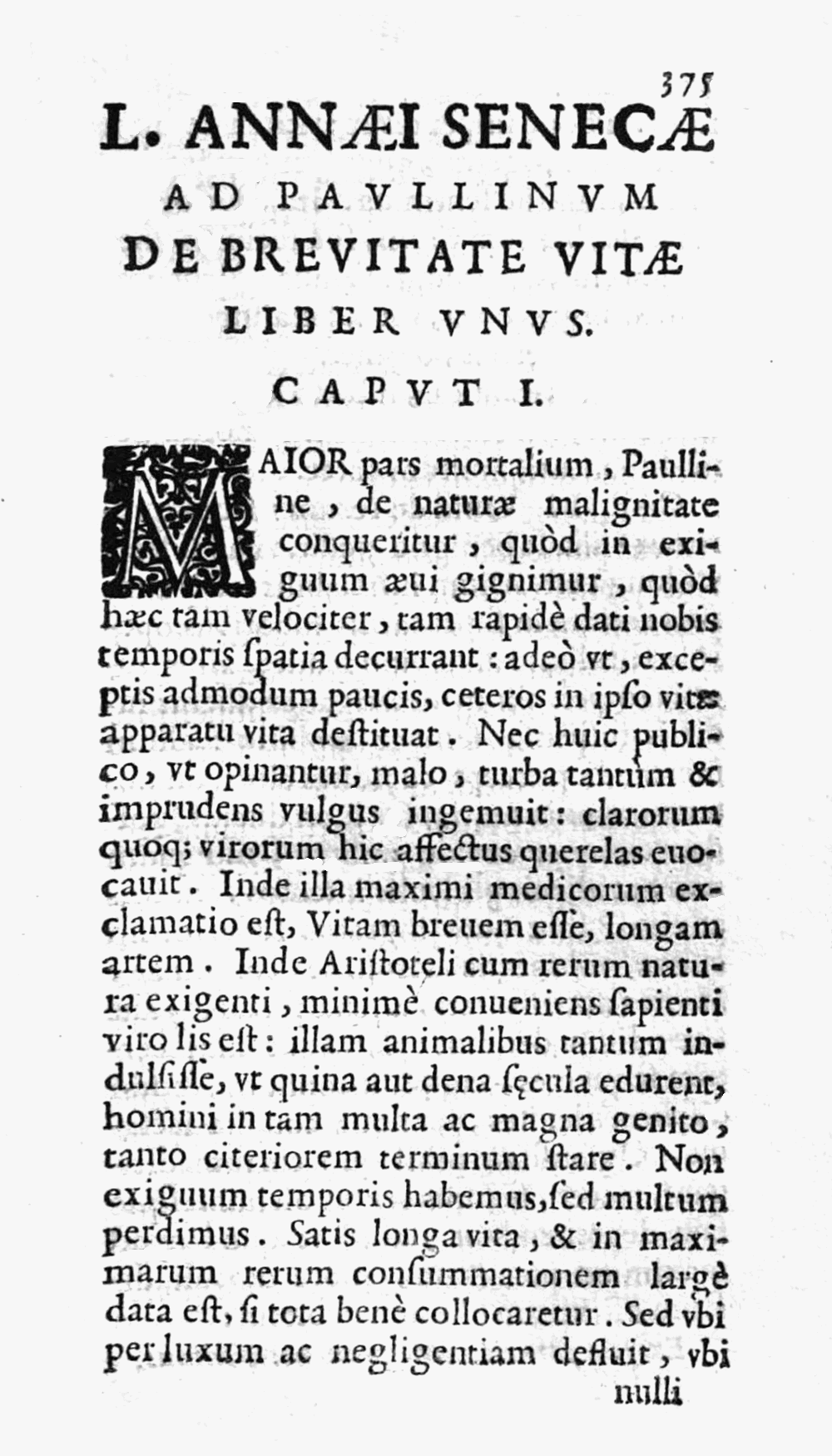
De Brevitate Vitae
Seneca · c. 49 CE
 Book
Secondary source
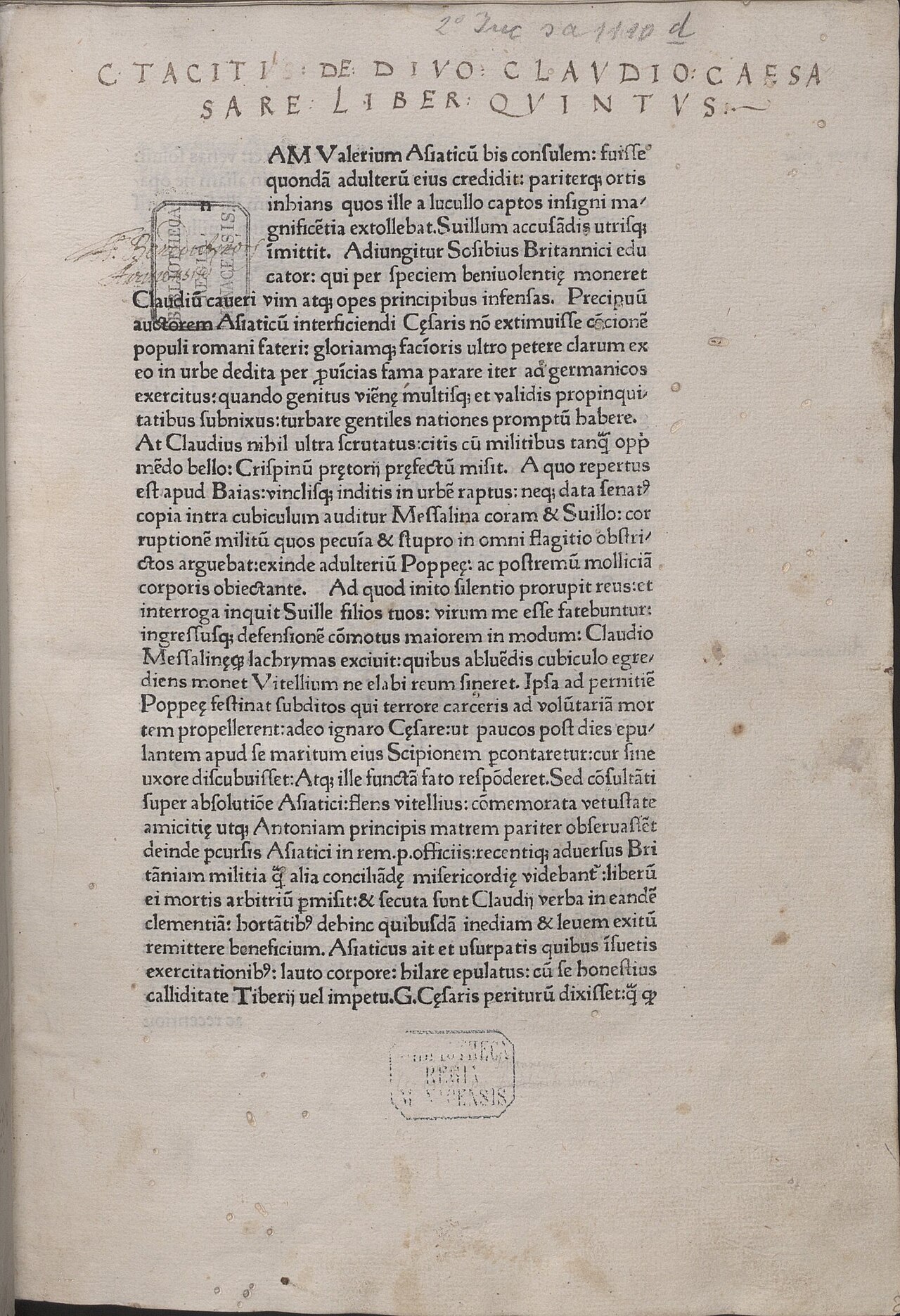
Annals
Tacitus · c. AD 116 or later
 Book
Primary source
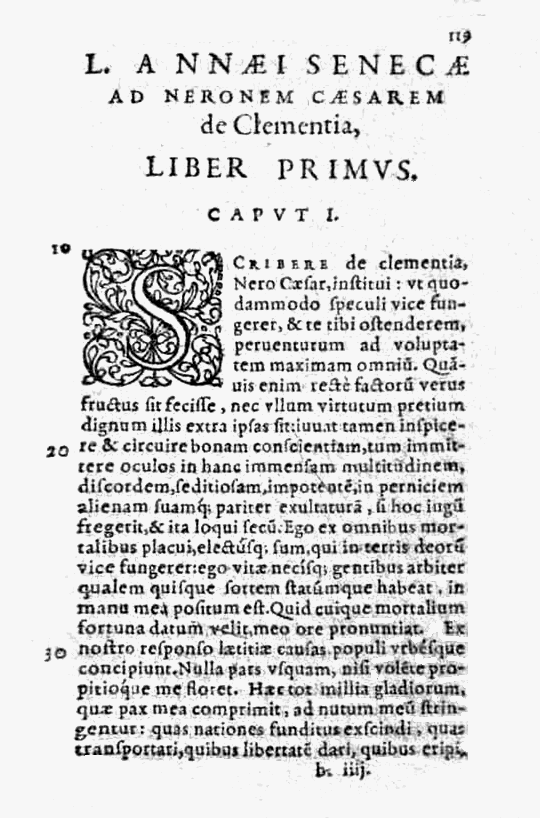
De Clementia
Seneca · 55-56 CE
 Sculpture
Secondary source
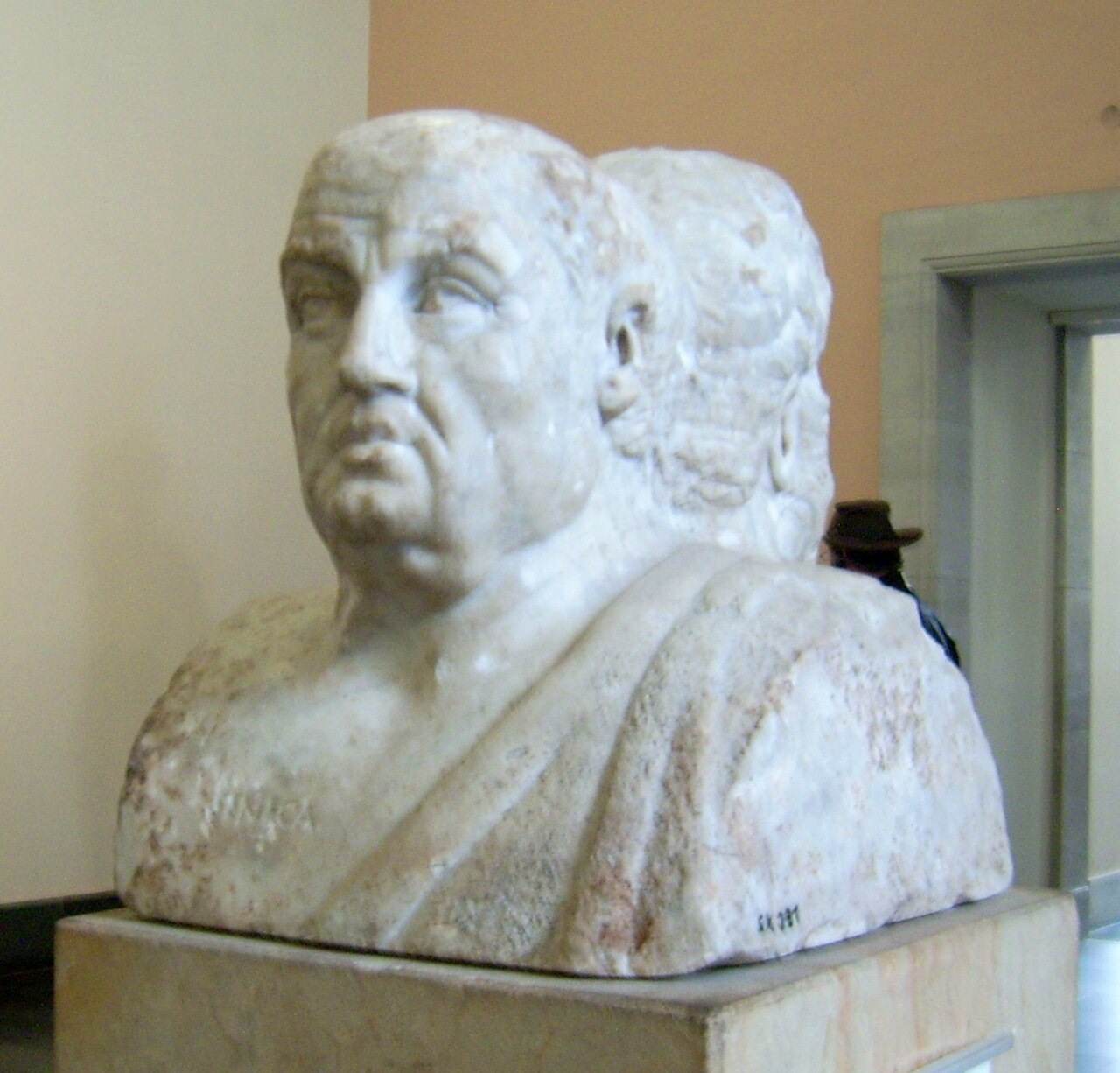
Double Herm of Socrates and Seneca
first half of the 3rd century AD
Ready when you are
Start chatting with Seneca now.
20 messages free · No credit card · Available in 50+ languages.