


Secondary sourceSculpturec. 200 CE
Victory over Mara
c. 200 CE
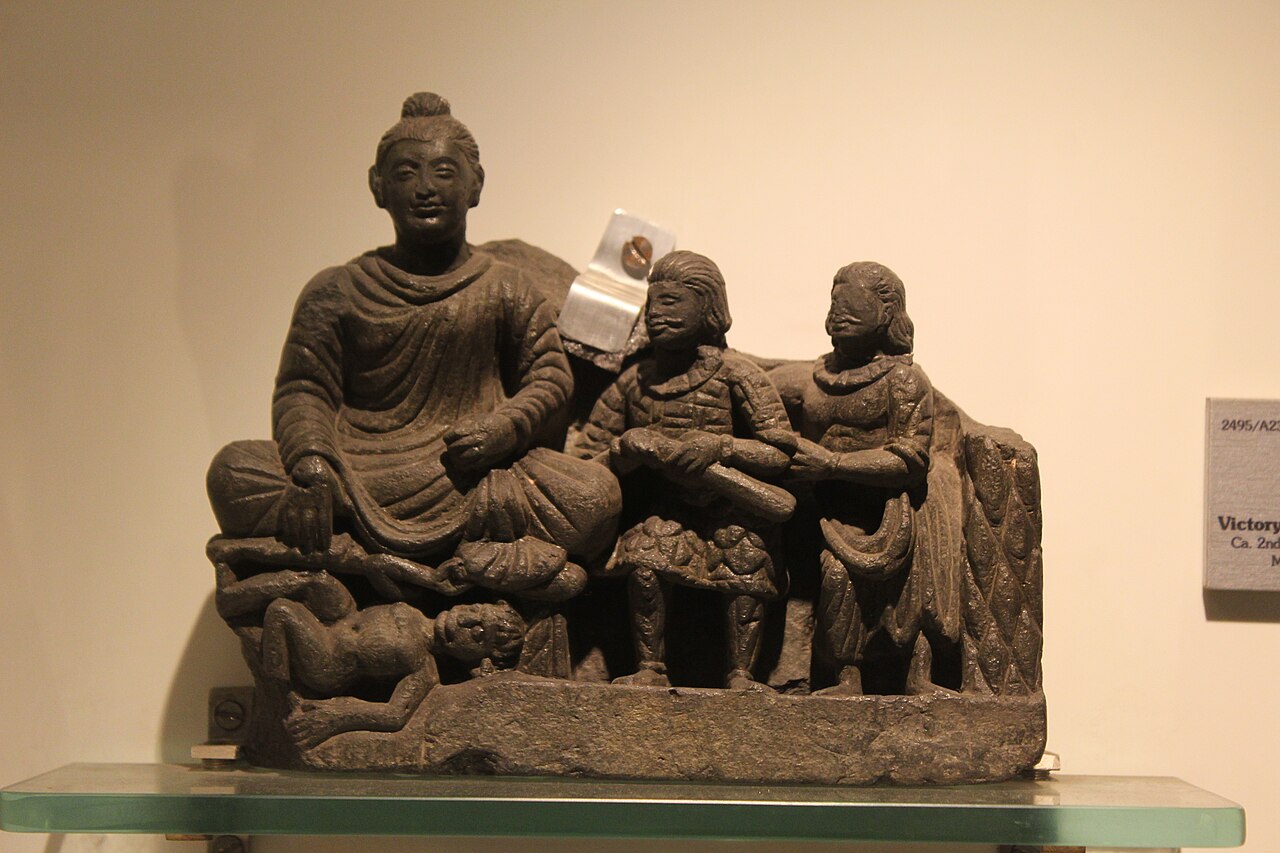
A Gandharan stone relief showing the Buddha resisting the demon Mara on the night of his enlightenment.
This sculpture depicts the Buddha's legendary struggle against Mara on the eve of his enlightenment.
About this source
What it is
This grey schist relief sculpture, dated around 200 CE, comes from the Gandhara region and is held at the Indian Museum. It shows a seated Buddha with a topknot and draped robe, flanked by standing figures, with another figure reclining nearby.
Why it matters
The scene depicts the legendary confrontation with Mara, the demon said to have tried to stop the Buddha from reaching enlightenment. Gandharan art blended Greek-influenced sculptural style with Buddhist subject matter, showing how the story of the Buddha travelled and changed as it spread across different cultures.
Look closer
- What details in the carving show emotion or tension in the scene?
- How does this style of sculpture compare with other depictions of the Buddha you have seen?
- Why might this moment of resisting temptation have been important to show in art?
This sculpture is part of the curated material that grounds the AI version of Buddha on Humy.ai — when students ask about related events, the AI can quote it and cite it.
More Buddha sources
Meet the AI Buddha →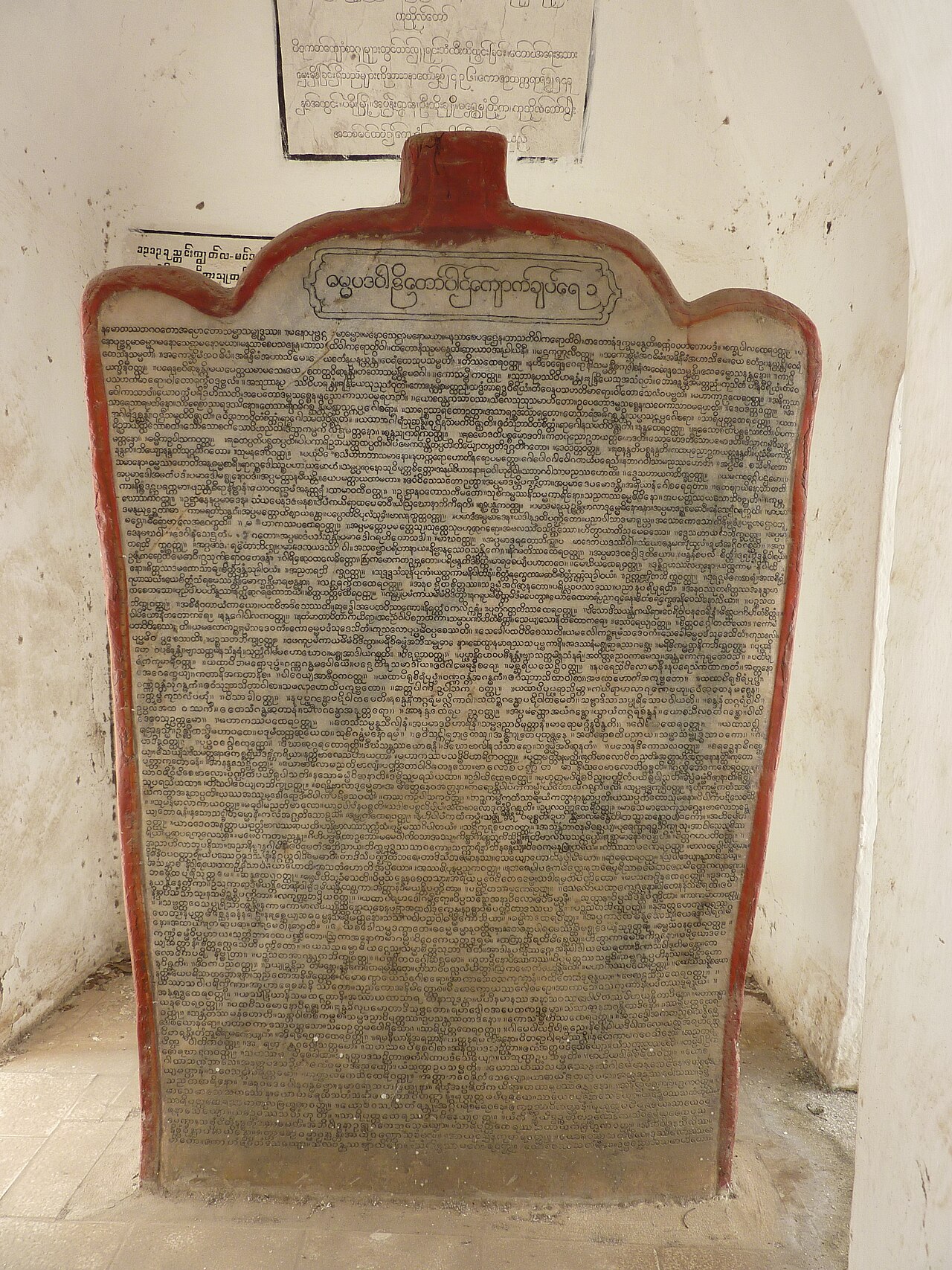 Book
Secondary source
Dhammapada
Attributed to the Buddha · c. 3rd century BCE compilation
 Painting
Secondary source
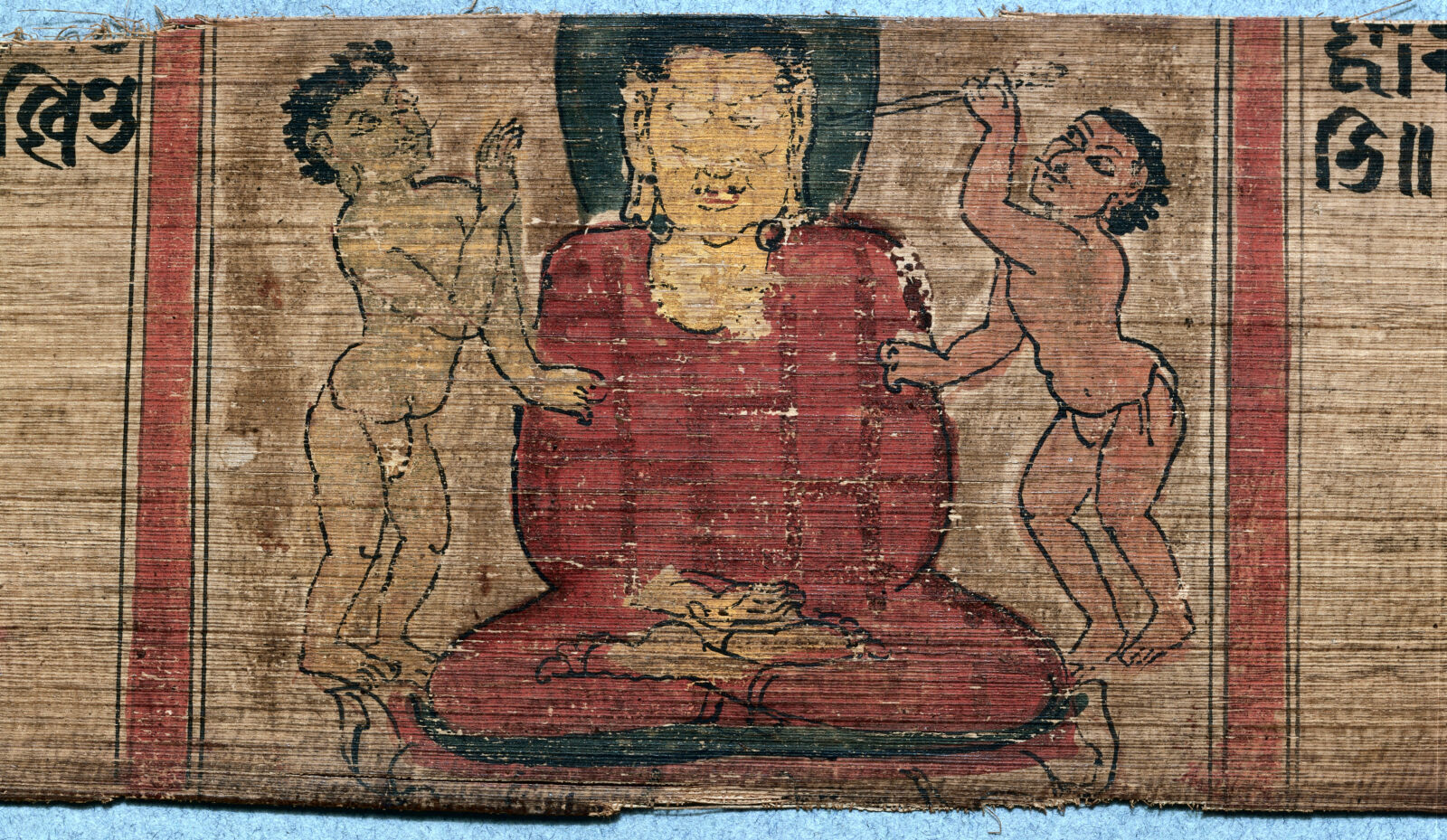
Buddha in Dhyana, Perfection of Wisdom Sutra Manuscript
1074
 Sculpture
Secondary source
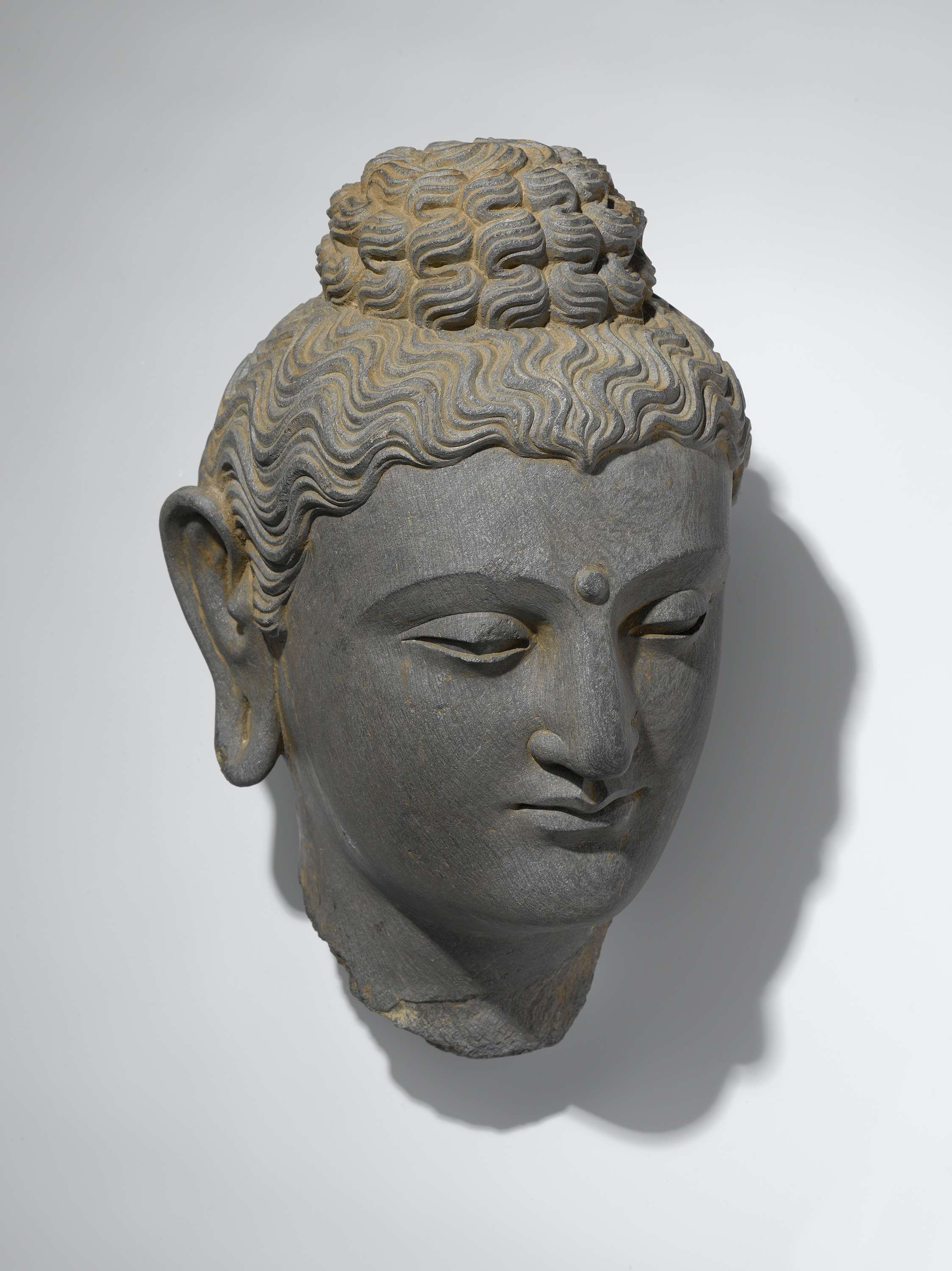
Head of the Buddha, Gandhara style
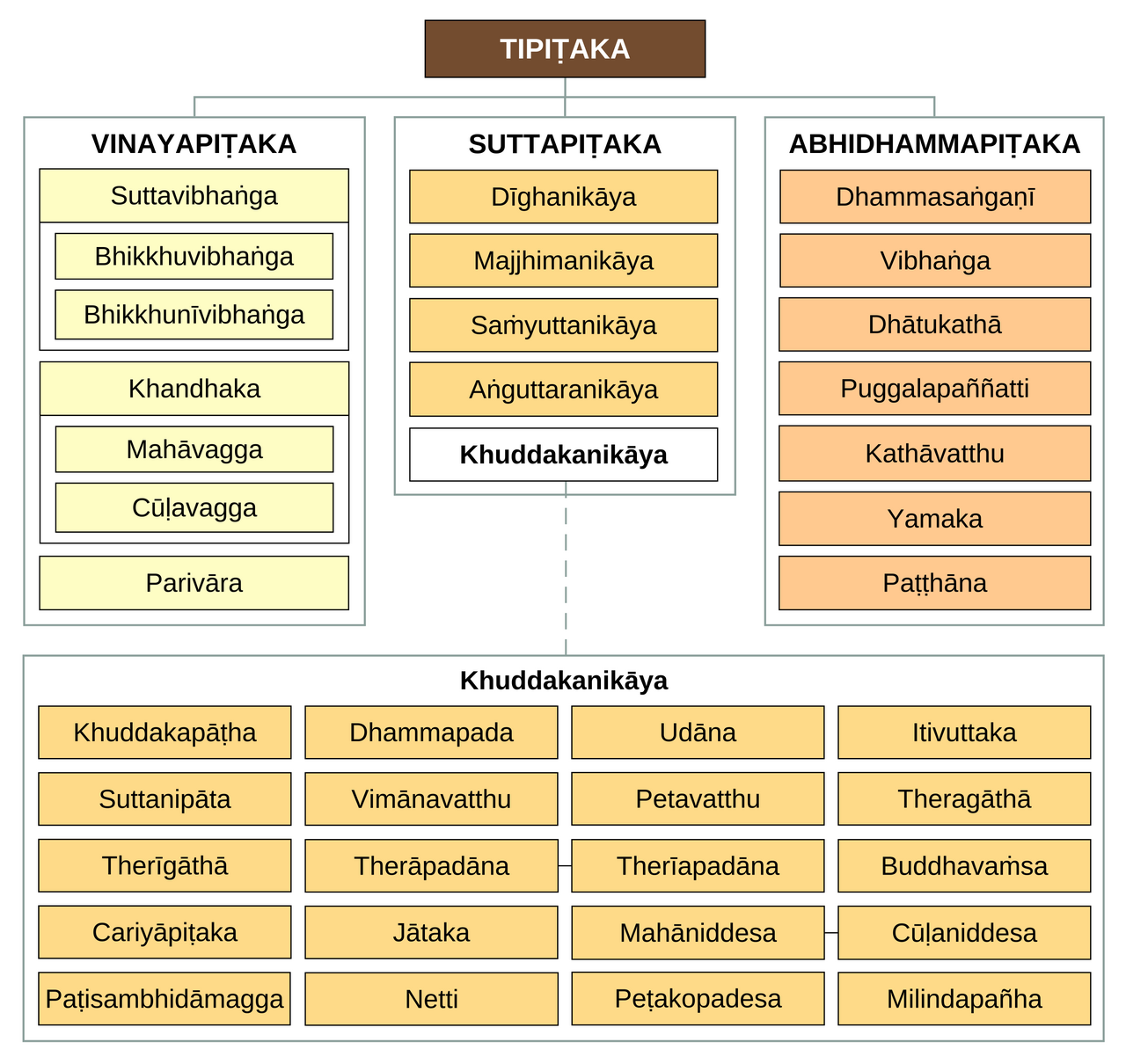 Book
Secondary source
Pali Canon (Tipitaka)
Early Buddhist sangha · oral from 5th century BCE; written c. 29 BCE
 Document
Secondary source
Life of the Buddha
19th century
Ready when you are
Start chatting with Buddha now.
20 messages free · No credit card · Available in 50+ languages.