


Primary sourceSculpture645-635 BCE
Wall Relief Fragment of Ashurbanipal from Nineveh
645-635 BCE
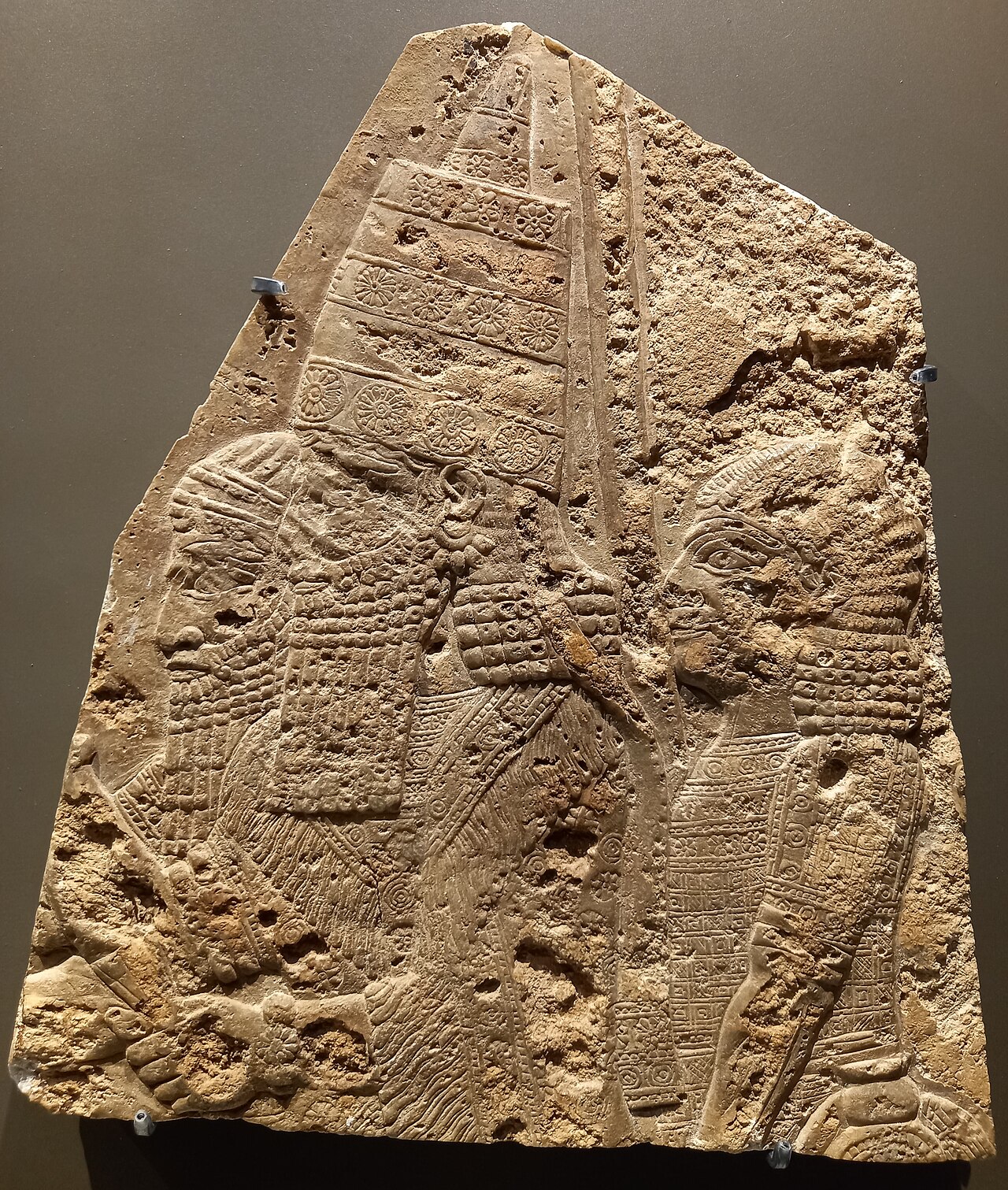
A carved stone fragment from Ashurbanipal's North Palace at Nineveh, depicting the king, now in a French museum.
A surviving fragment depicting Ashurbanipal from the decoration of his own palace at Nineveh.
About this source
What it is
This is a fragment of a wall bas-relief from the North Palace at Nineveh (Kuyunjik), representing the Assyrian king Ashurbanipal. It was purchased by the Auguste Grasset Museum in Varzy, France, in 1867, and was shown at the Pharaon des Deux Terres exhibition at the Louvre in 2022.
Why it matters
This small surviving piece is part of the larger decorative program of Ashurbanipal's palace, where carved scenes recorded his reign and achievements. Its journey to a provincial French museum also shows how Assyrian artifacts were collected and dispersed across Europe in the 19th century.
Look closer
- What details can you make out on the figures' headdresses and robes despite the worn surface?
- Why do you think this fragment ended up far from Iraq, in a small French museum?
- What does the damage to the stone tell you about its long history?
This sculpture is part of the curated material that grounds the AI version of Ashurbanipal on Humy.ai — when students ask about related events, the AI can quote it and cite it.
More Ashurbanipal sources
Meet the AI Ashurbanipal →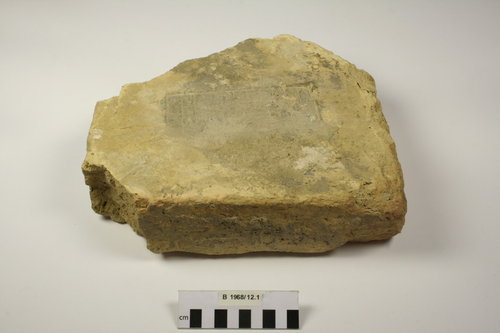 Artifact
Primary source
Baked Brick Naming King Ashurbanipal
7th century BCE
 Sculpture
Primary source
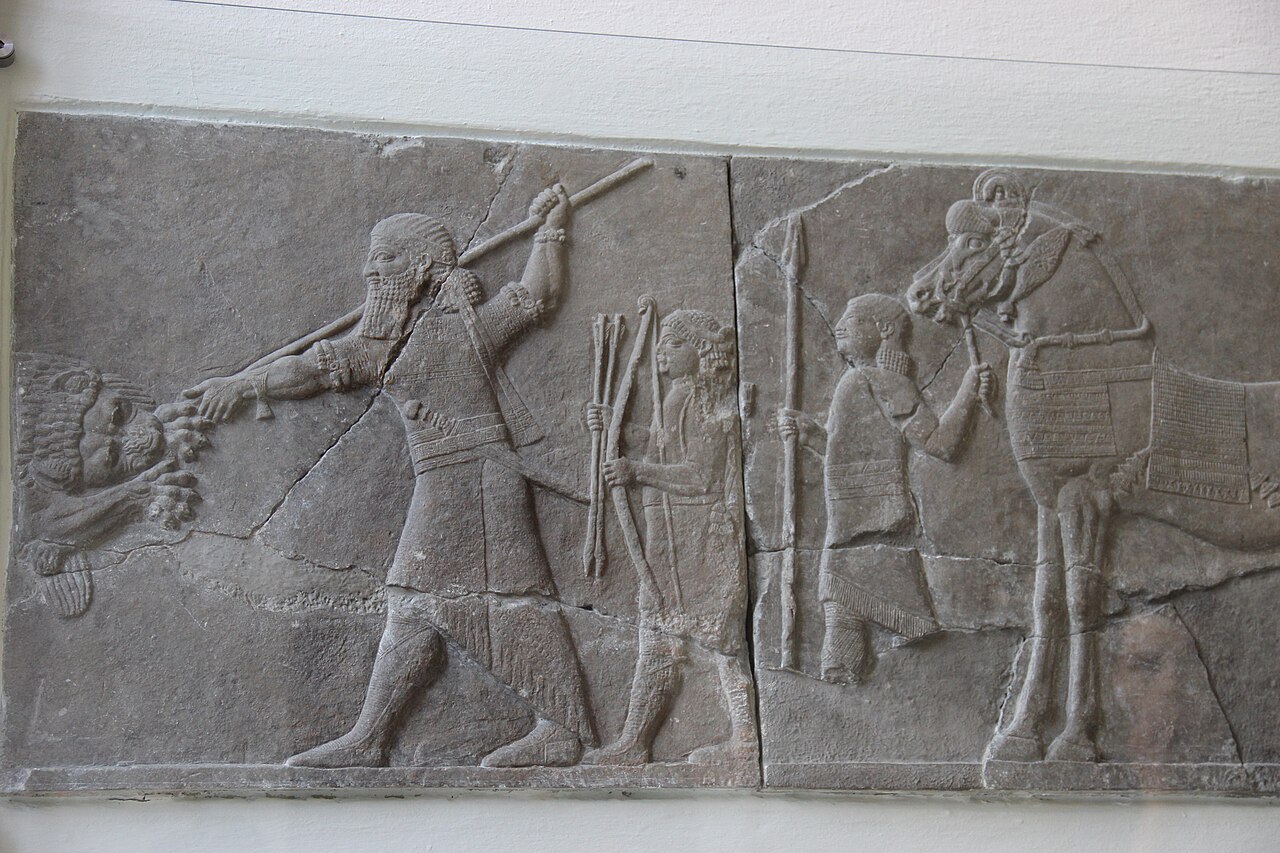
Lion Hunt of Ashurbanipal
Assyrian royal sculptors · c. 645–635 BCE
 Document
Primary source
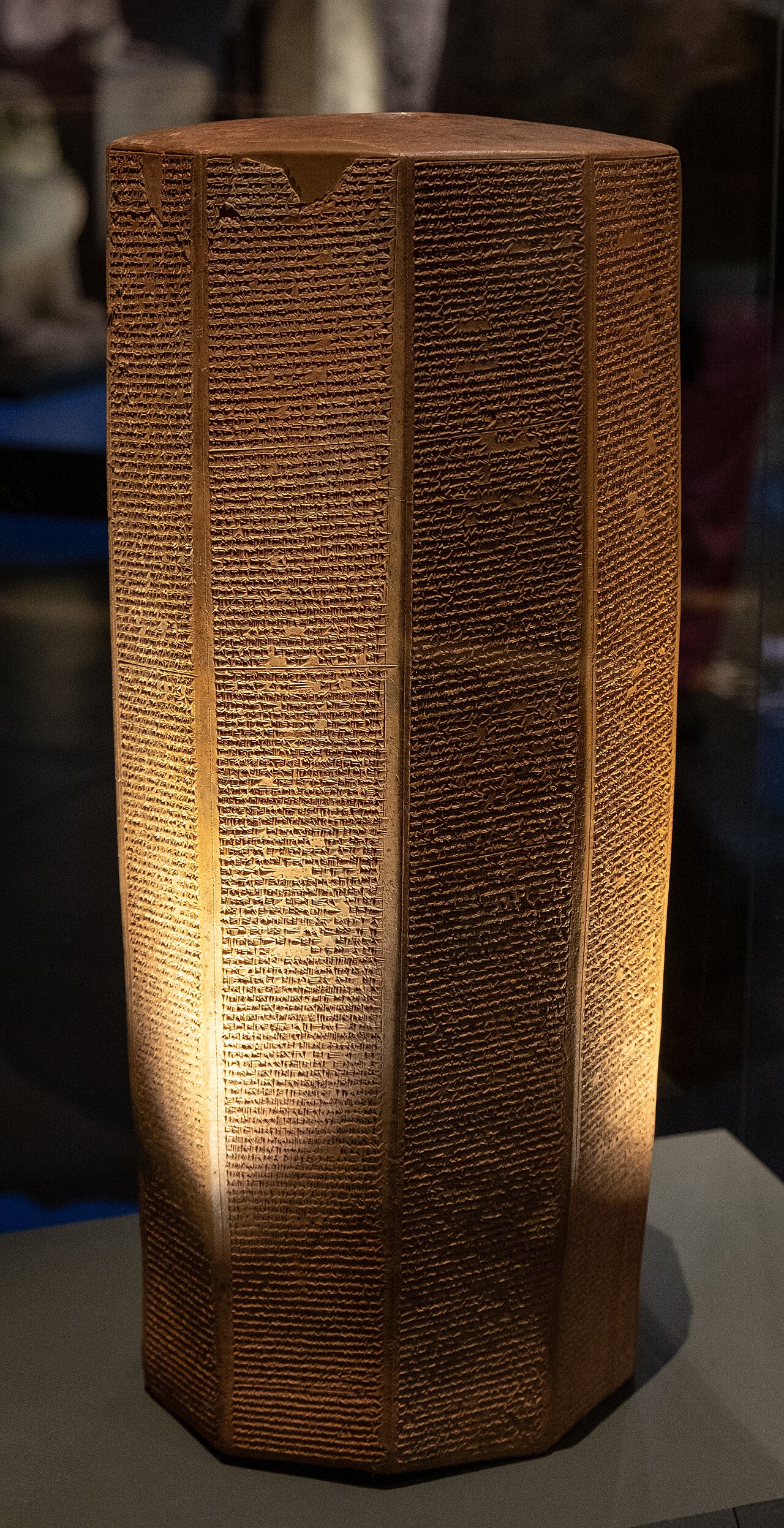
Rassam Prism of Ashurbanipal
643 BCE
 Painting
Secondary source
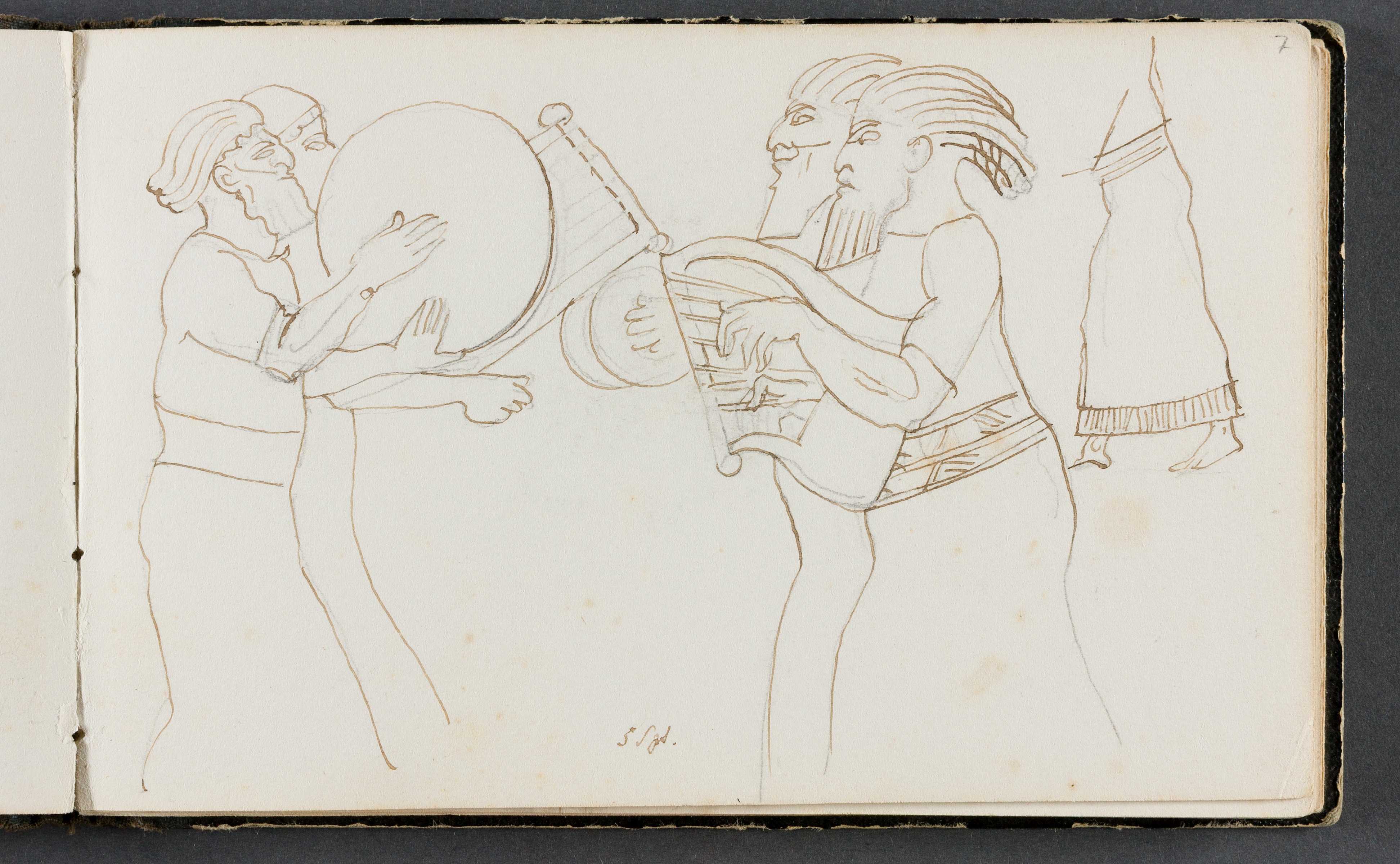
Relief with Musicians from the Palace of Ashurbanipal in Nineveh
 Document
Primary source
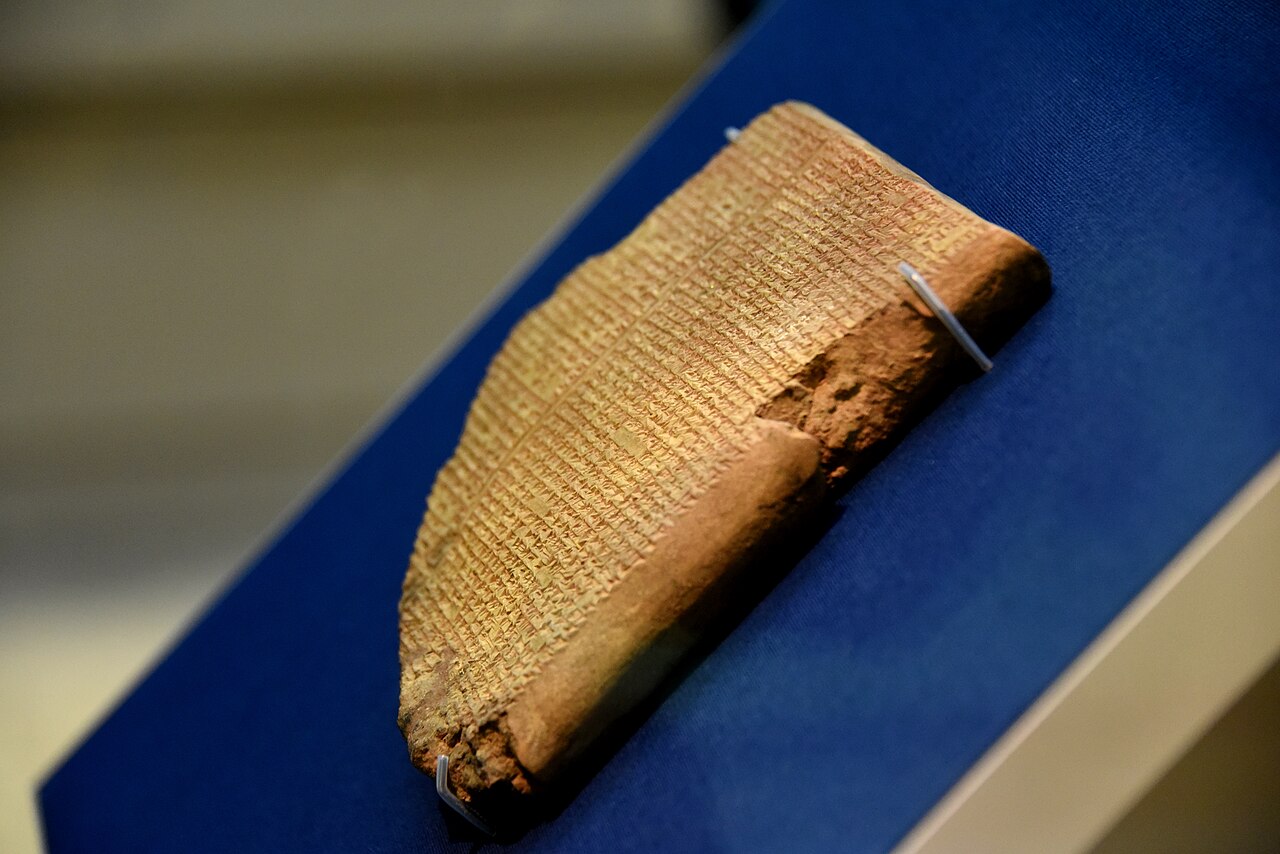
Flood Tablet
Scribes of Ashurbanipal's library · 7th century BCE
Ready when you are
Start chatting with Ashurbanipal now.
20 messages free · No credit card · Available in 50+ languages.