


Secondary sourceBookca. 1474
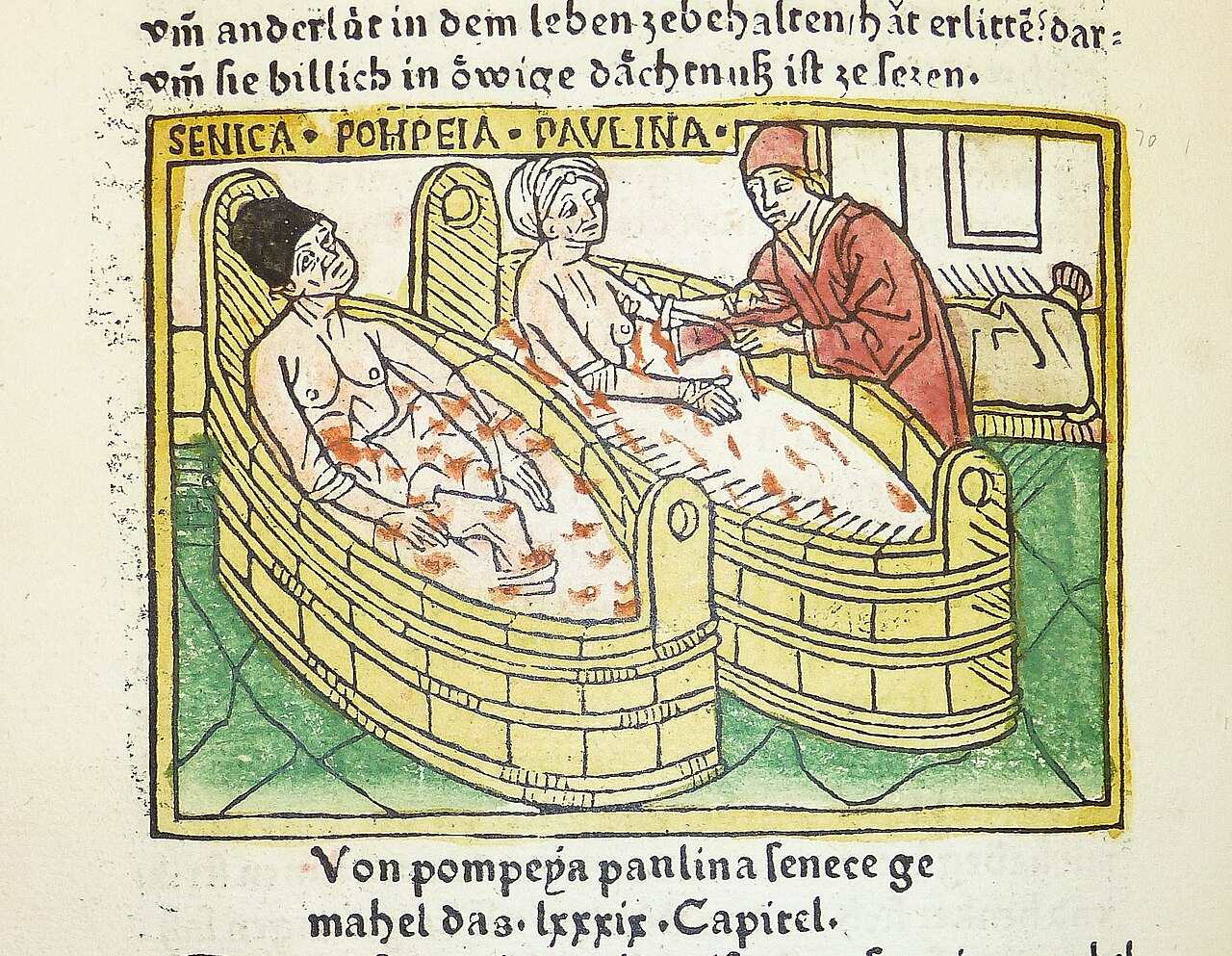
Woodcut of Seneca's Suicide and Pompeia Paulina's Attempt
Heinrich Steinhöwel (translator); Johannes Zainer (printer) · ca. 1474
A hand-colored woodcut from a German printed book of about 1474 showing Seneca's suicide and his wife's attempt to die with him.
Seneca appears in this woodcut dying in a bath, showing how his death was later illustrated in a printed book.
About this source
What it is
This is a hand-colored woodcut printed in a German book, a translation by Heinrich Steinhöwel of Giovanni Boccaccio's De mulieribus claris (Concerning Famous Women). The book was printed by Johannes Zainer at Ulm around 1474. The woodcut shows two women in a yellow tub-like bath, with a woman in red attending them, and a caption banner reads "Senica Pompeia Paulina." The scene illustrates Seneca opening his veins in a bath and his wife Pompeia Paulina's attempt to take her own life. The book is held by the Penn Libraries.
Why it matters
This picture was made for a book about famous women, so Seneca appears as part of a wider story about the women connected to the men of the past. The woodcut shows that Seneca's death was still being retold in the late 1400s, nearly fifteen centuries after it happened. Its colors were added by hand, which shows how early printed books were finished by workshops.
Look closer
- Why might a book about famous women include the death of a man, and how does the picture change the story?
- What do the hand-applied colors add, and who might have been paid to apply them?
- What does the picture leave out about the reasons for these deaths?
This book is part of the curated material that grounds the AI version of Seneca on Humy.ai — when students ask about related events, the AI can quote it and cite it.
More Seneca sources
Meet the AI Seneca →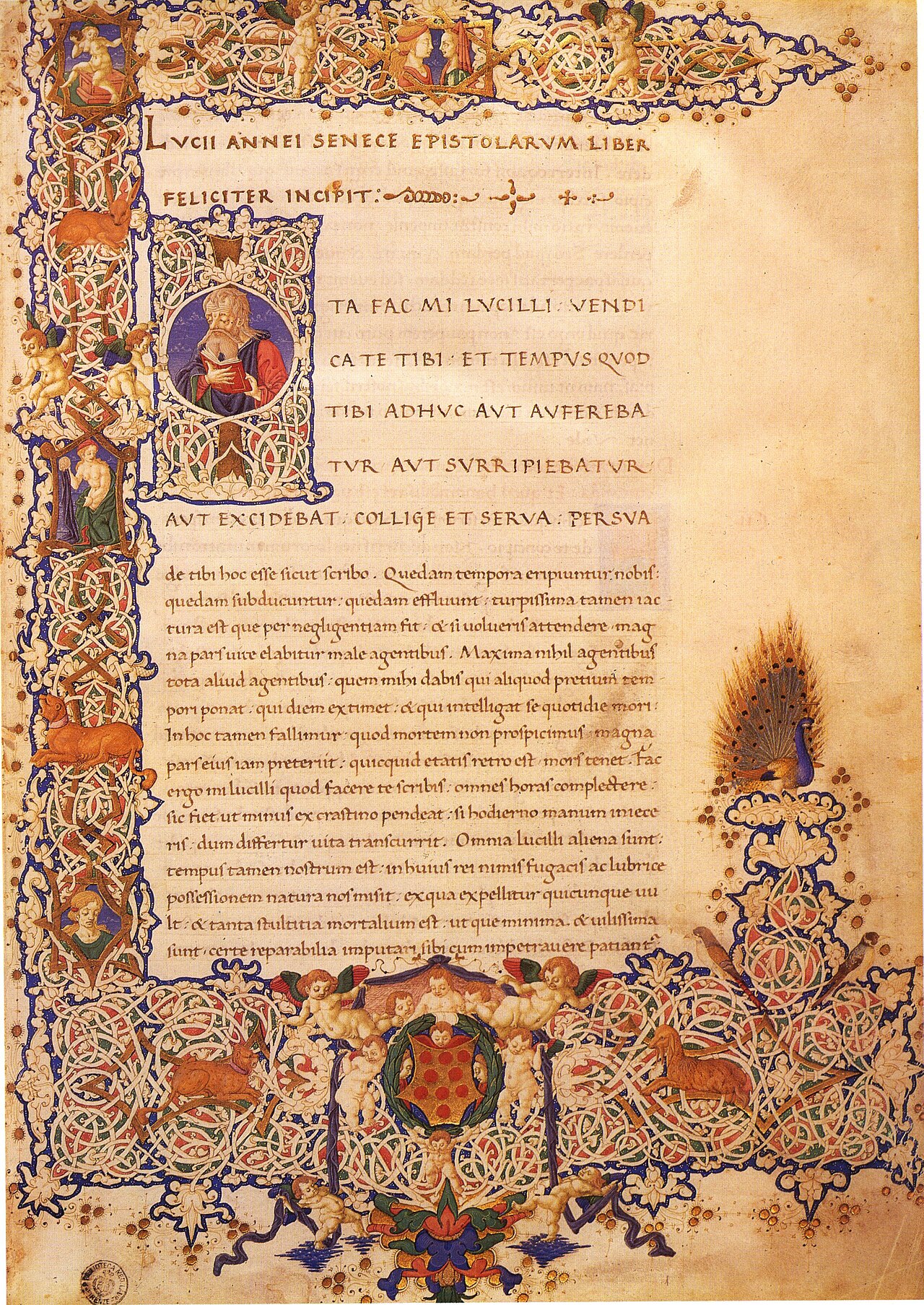 Letter
Primary source
Epistulae Morales ad Lucilium
Seneca · c. 62-65 CE
 Book
Primary source
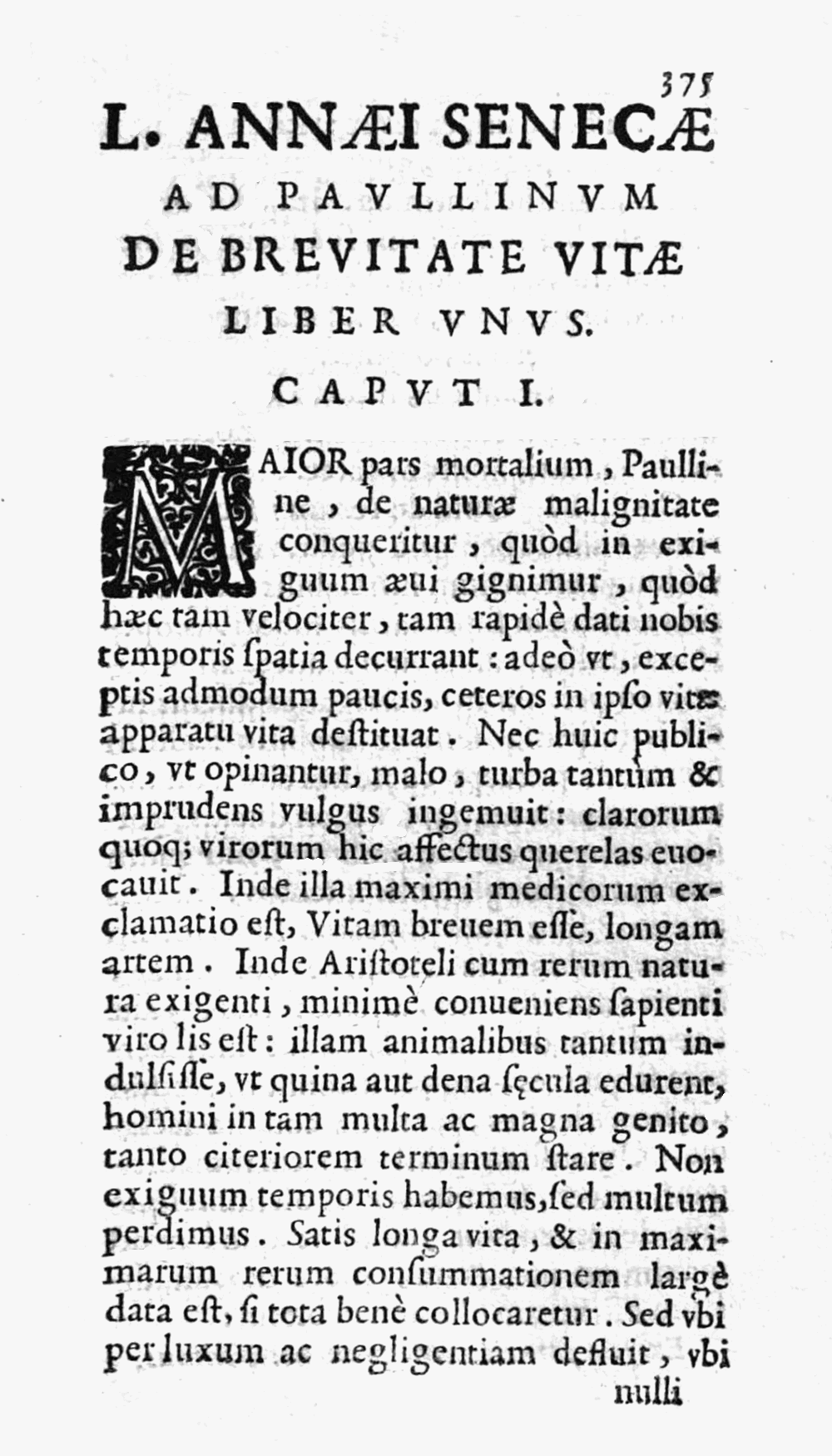
De Brevitate Vitae
Seneca · c. 49 CE
 Book
Secondary source
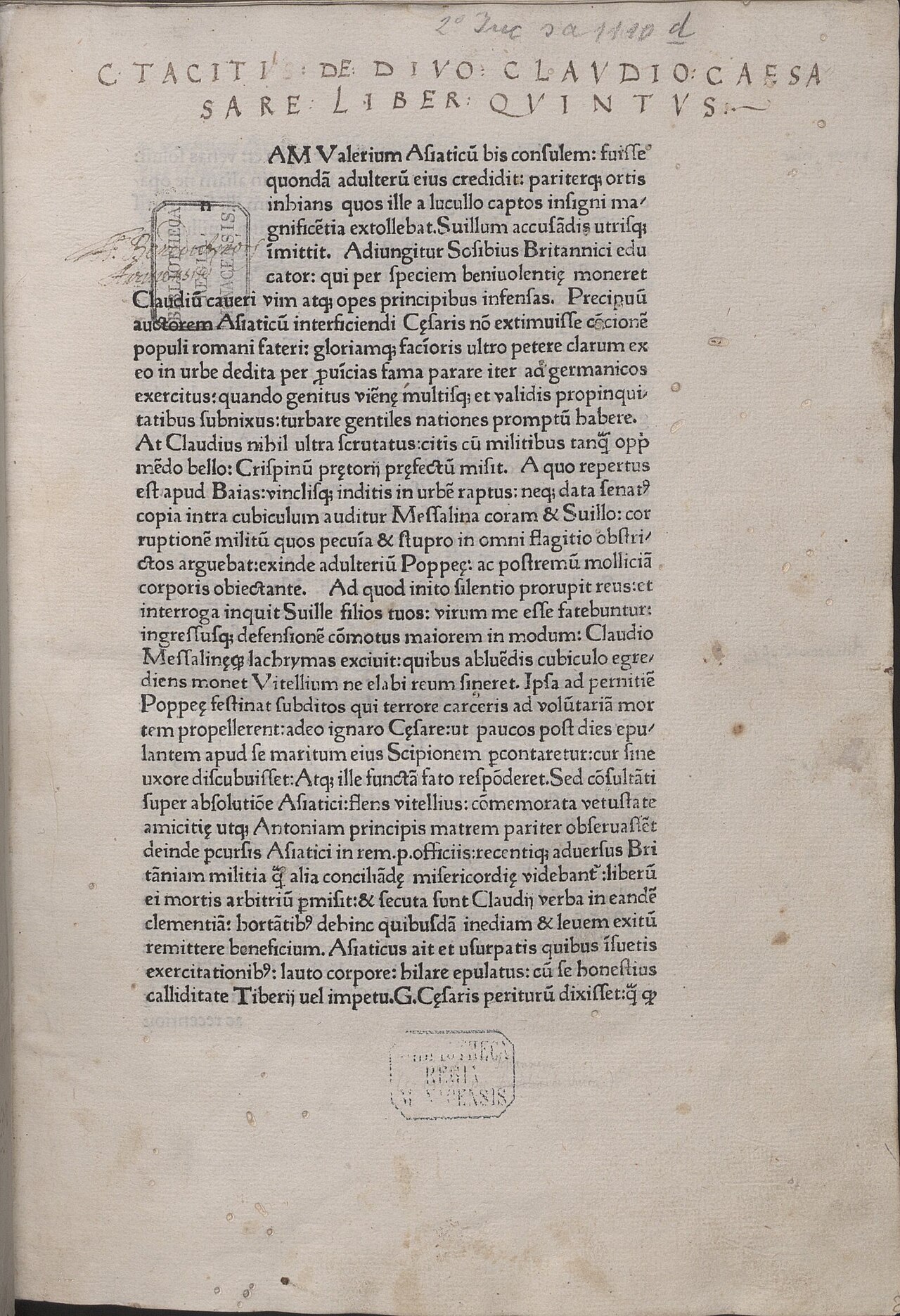
Annals
Tacitus · c. AD 116 or later
 Book
Primary source
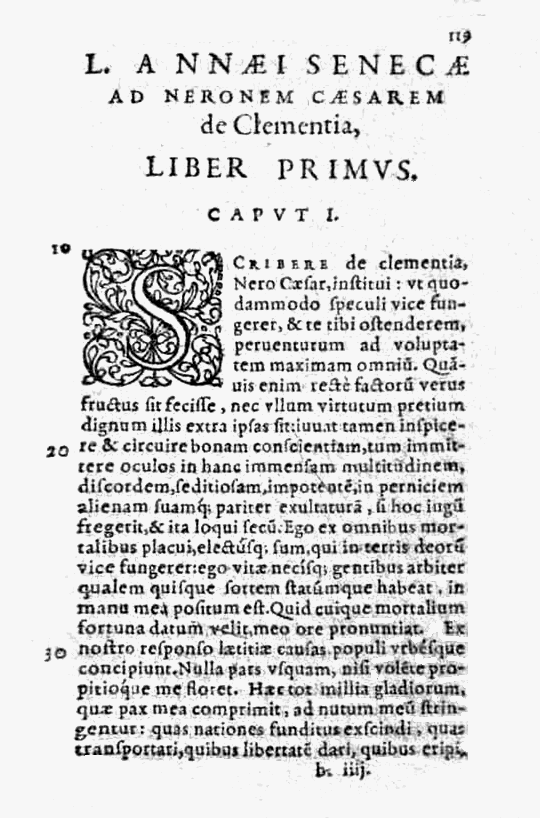
De Clementia
Seneca · 55-56 CE
 Sculpture
Secondary source
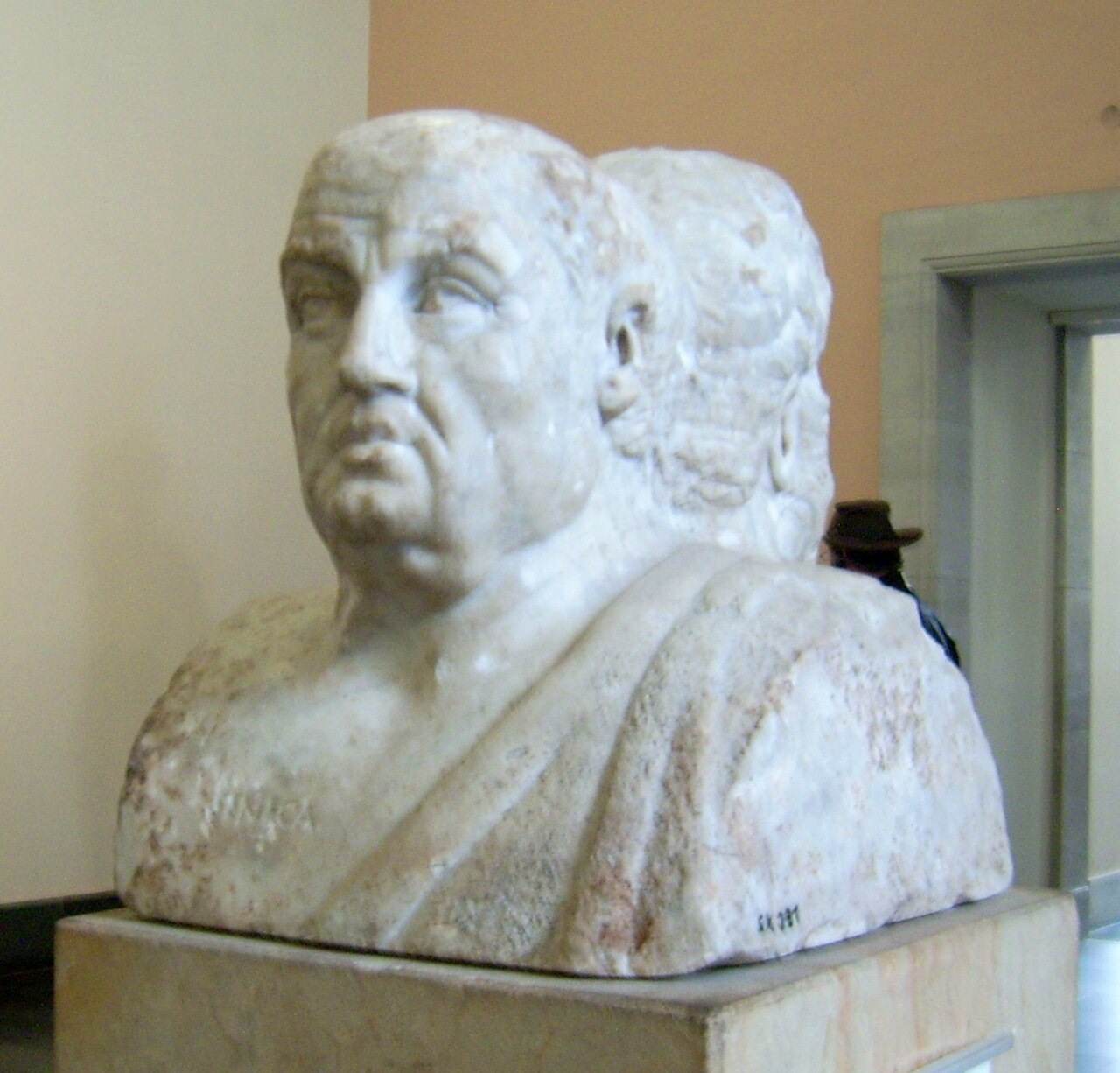
Double Herm of Socrates and Seneca
first half of the 3rd century AD
Ready when you are
Start chatting with Seneca now.
20 messages free · No credit card · Available in 50+ languages.