


Primary sourceArtifact1250 (date unverified)
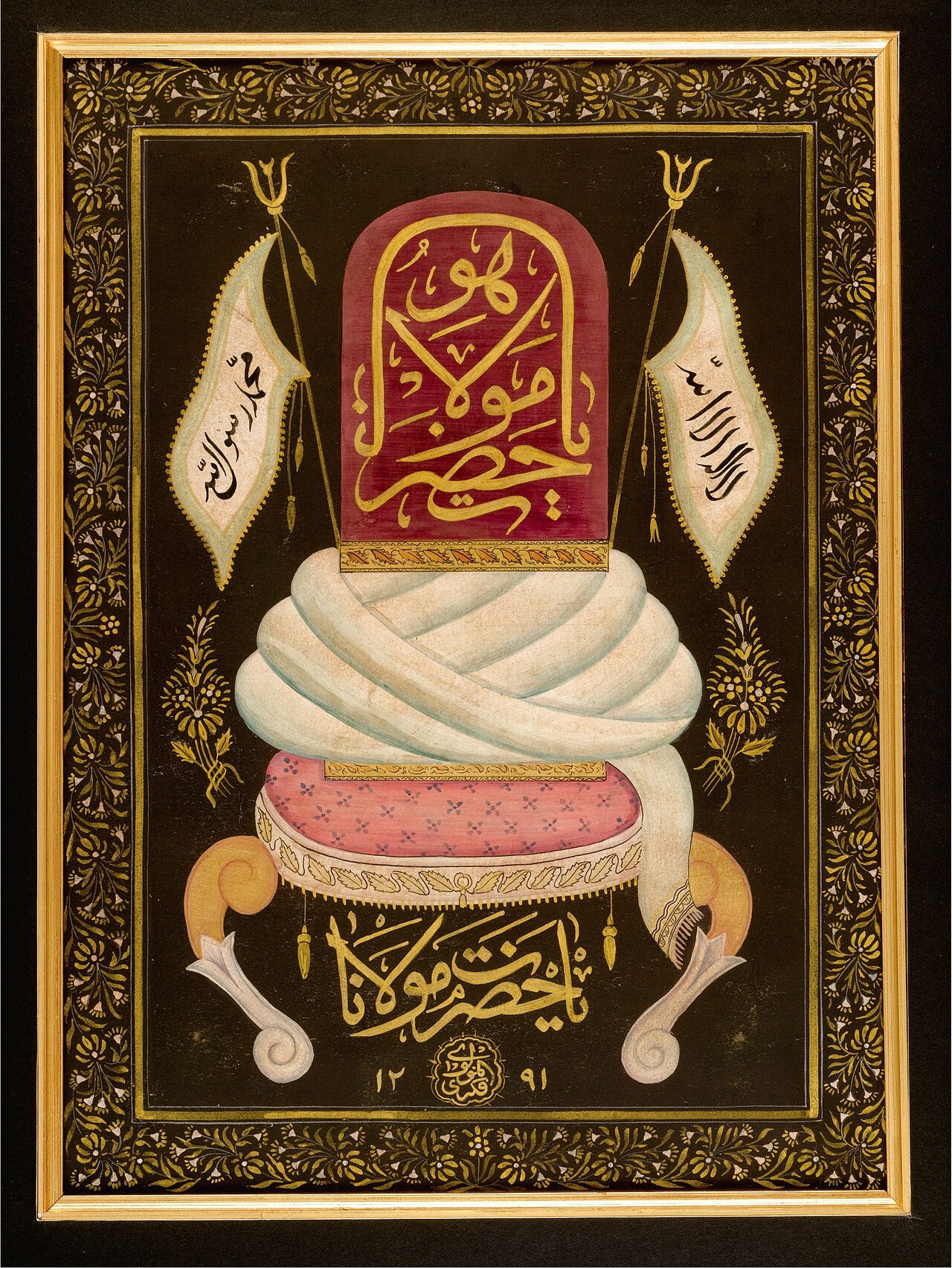
Ya Hazreti Mevlana
Mevlana · 1250 (date unverified)
An Ottoman-style calligraphic panel honoring Mevlana (Rumi), combining decorative script with an image of a turban, a symbol associated with him.
Described as a work of Mevlana (Rumi), though its exact content and date are uncertain.
About this source
What it is
This is a framed calligraphic panel described as a work of Mevlana (Rumi), though the record gives little detail about its exact content or origin. It shows an arched tablet with gold Arabic script above a turban resting on a cushioned stool, flanked by pennant banners with further script.
Why it matters
Objects like this reflect the deep reverence for Mevlana (Rumi) in Ottoman and Sufi tradition, where calligraphy, symbolic turbans, and devotional panels were used to honour revered teachers and poets. It shows how his memory was kept alive through visual and decorative culture, not only through his written poetry.
Look closer
- What does the turban in the image usually symbolize in Sufi tradition?
- Why might script and symbolic objects be combined on a single panel?
- What is unclear about this artifact's origin, and why might that matter for how we use it as evidence?
This artifact is part of the curated material that grounds the AI version of Rumi (Jalāl ad-Dīn Muhammad Rūmī) on Humy.ai — when students ask about related events, the AI can quote it and cite it.
More Rumi (Jalāl ad-Dīn Muhammad Rūmī) sources
Meet the AI Rumi (Jalāl ad-Dīn Muhammad Rūmī) →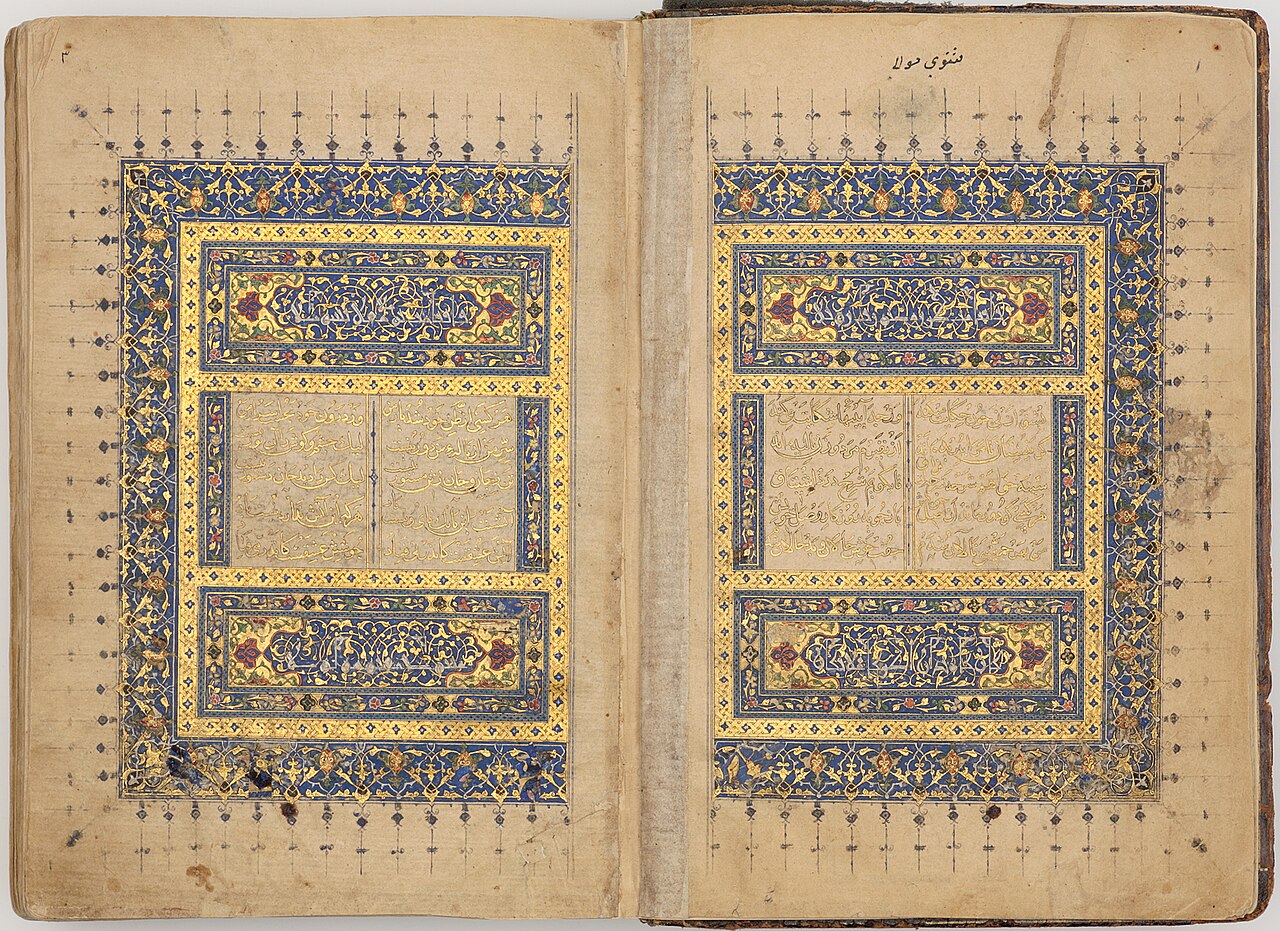 Book
Primary source
Masnavi
Rumi · c. 1258-1273
 Book
Primary source
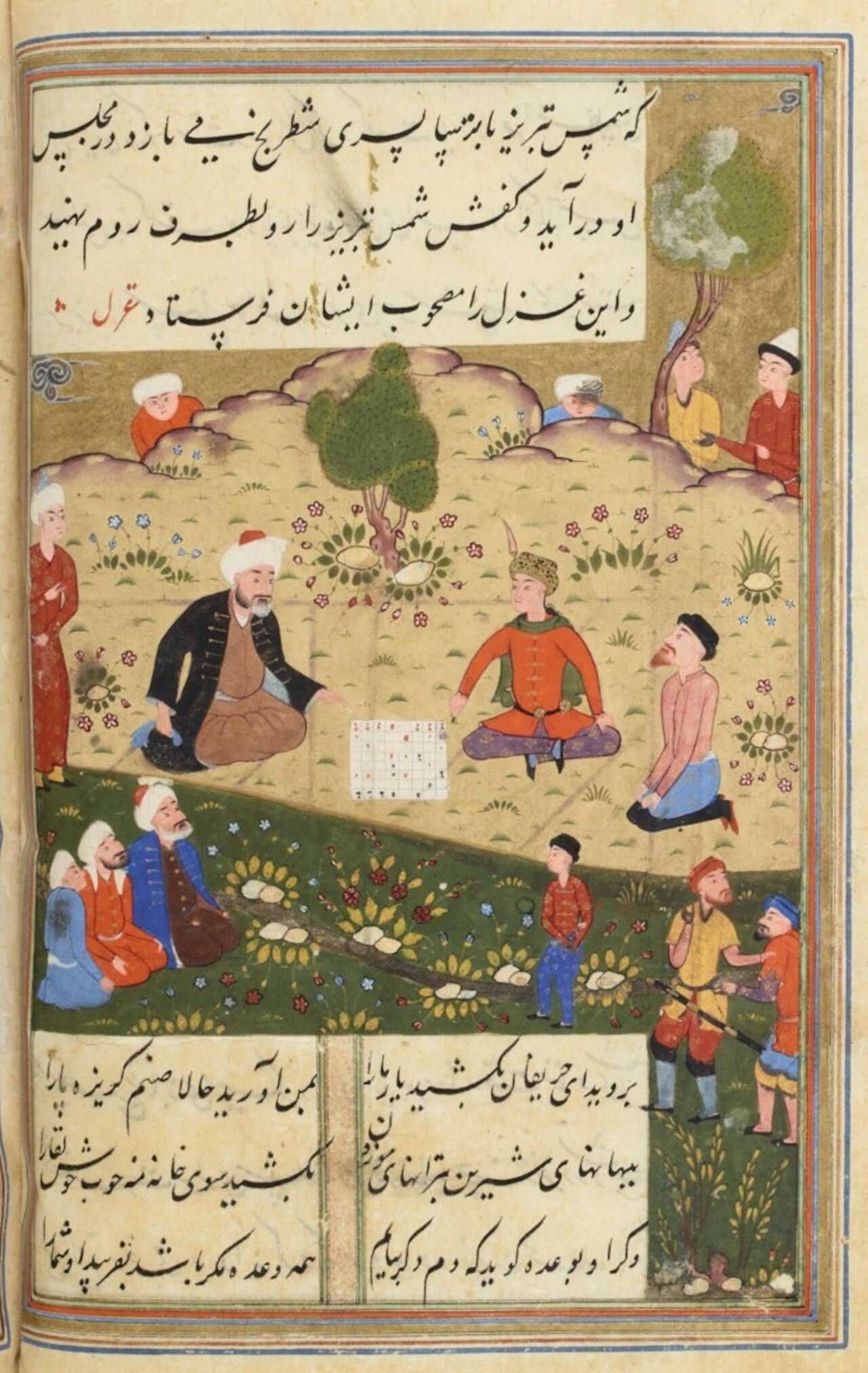
Diwan-e Shams-e Tabrizi
Rumi · c. 1247 onward
 Artifact
Secondary source
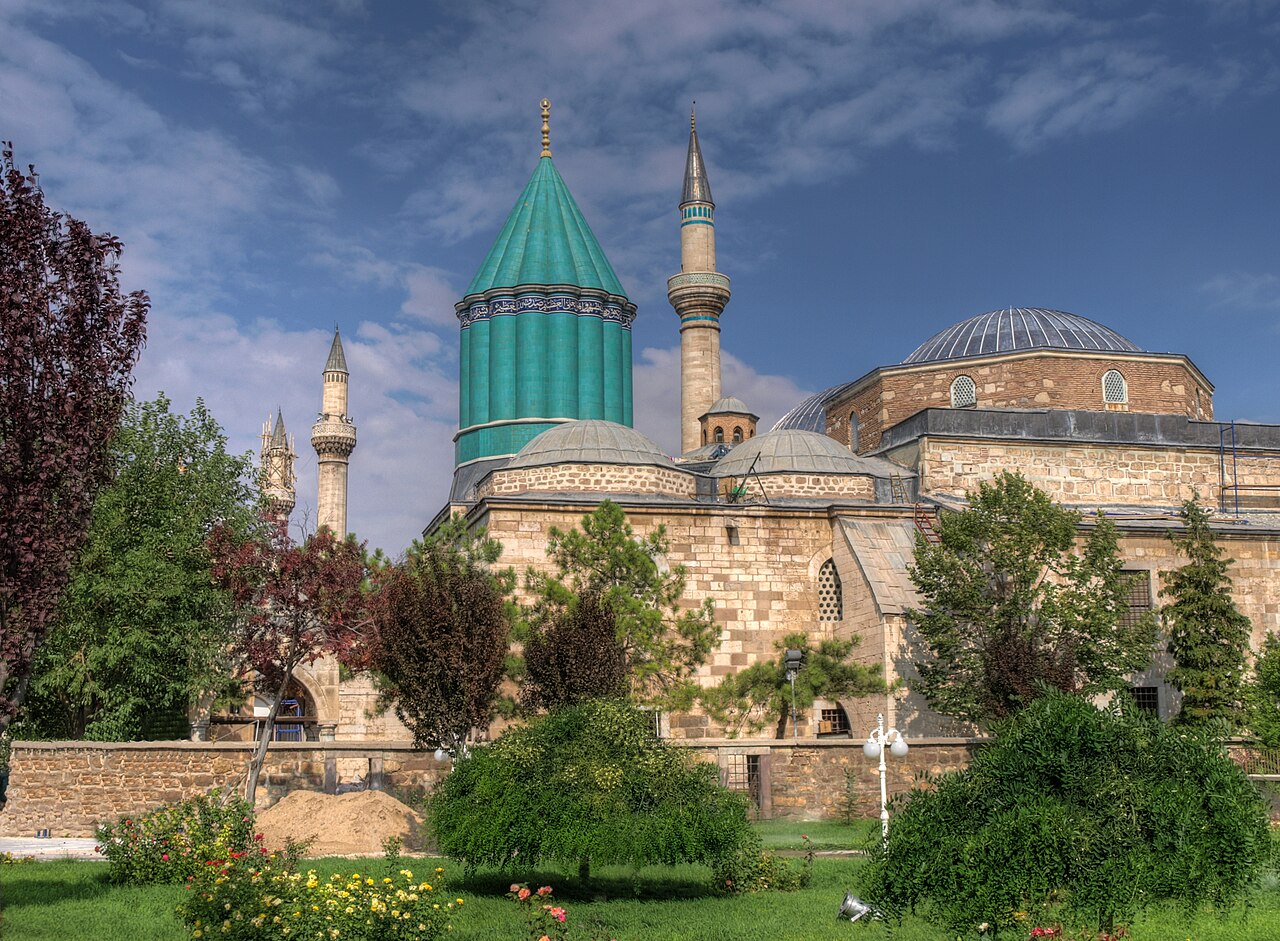
Grave of Rumi
soon after 1273
 Book
Primary source
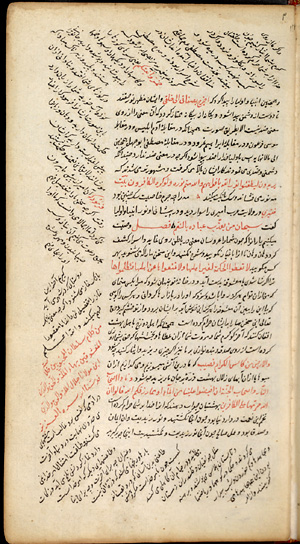
Fihi Ma Fihi
Rumi · c. 1260-1273
 Artifact
Secondary source
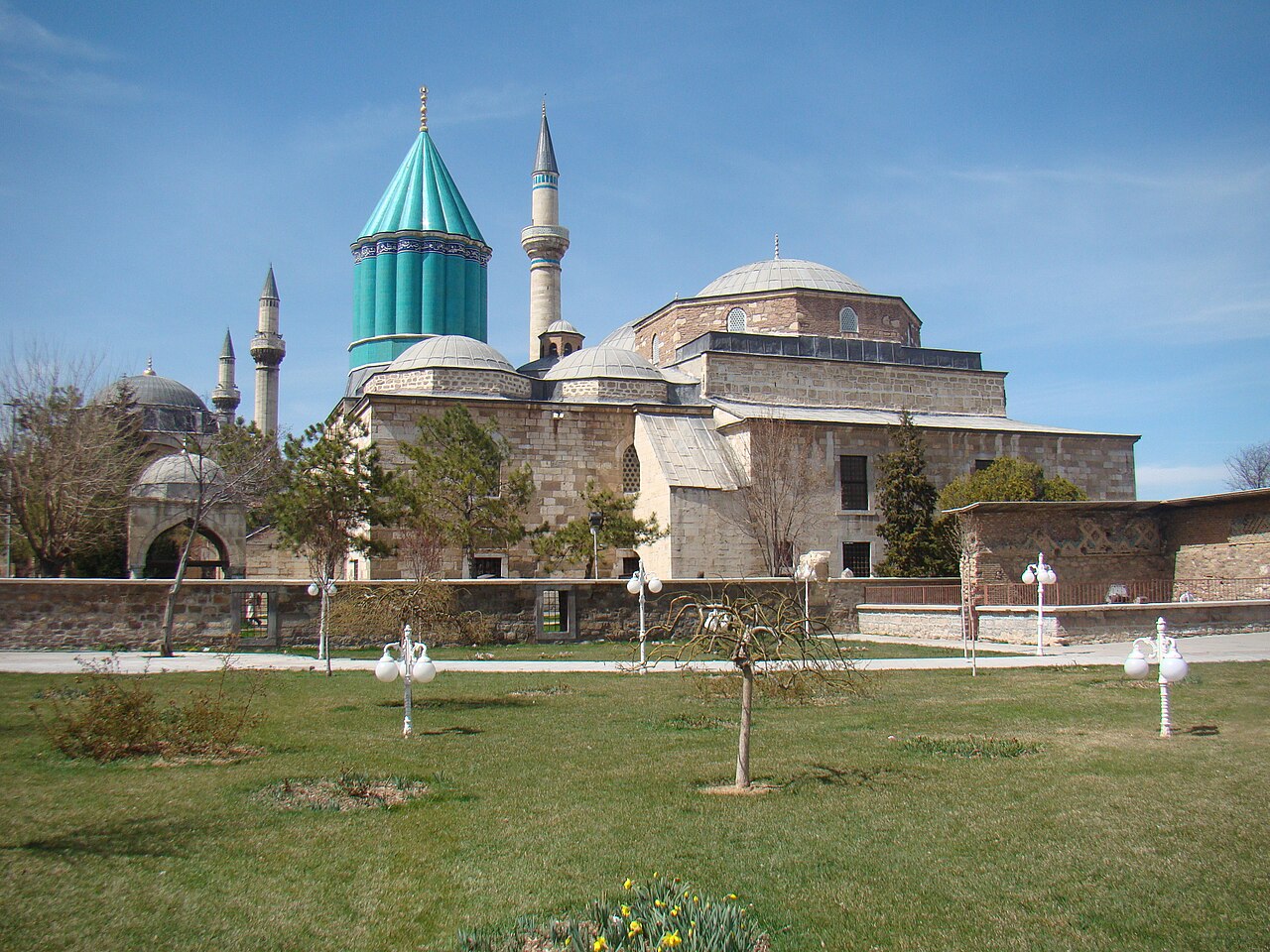
Mevlâna Museum
Badr al-Din Tabrizi (architect) · built soon after 1273; museum since 1926
Ready when you are
Start chatting with Rumi (Jalāl ad-Dīn Muhammad Rūmī) now.
20 messages free · No credit card · Available in 50+ languages.