


Primary sourceDocument669 BCE
Zakutu Treaty
Zakûtu (Naqi'a) · 669 BCE
A loyalty oath organized by Ashurbanipal's grandmother Naqi'a to secure the nobility's allegiance to the new king in 669 BCE.
This treaty secured loyalty to Ashurbanipal at the start of his reign, organized by his grandmother Naqi'a.
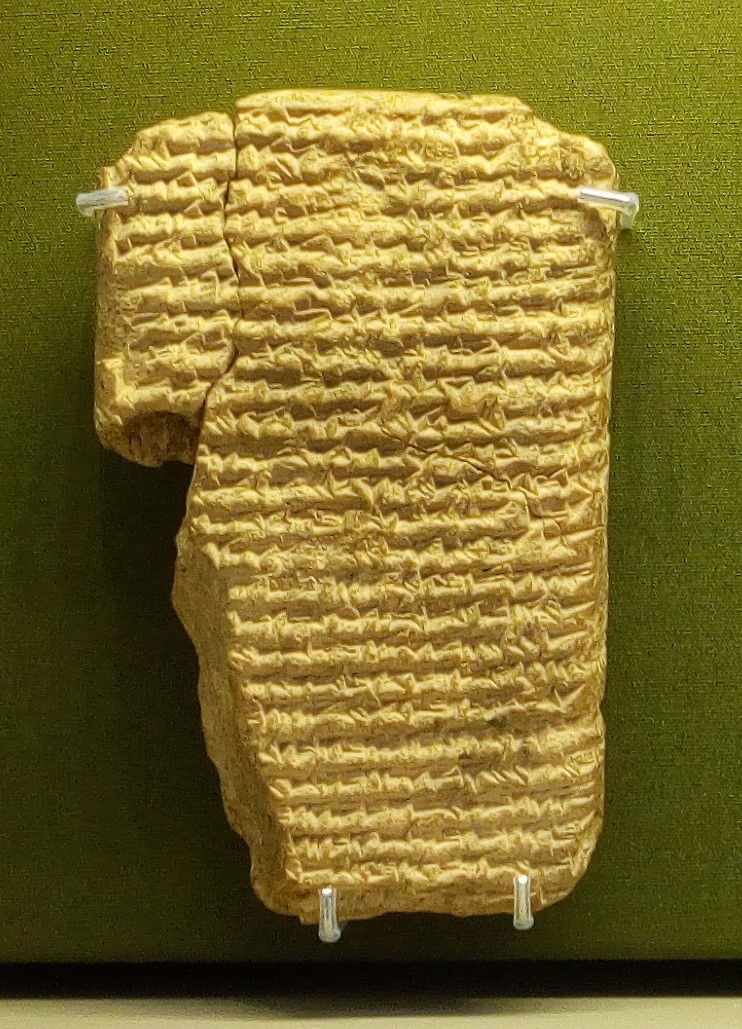
About this source
What it is
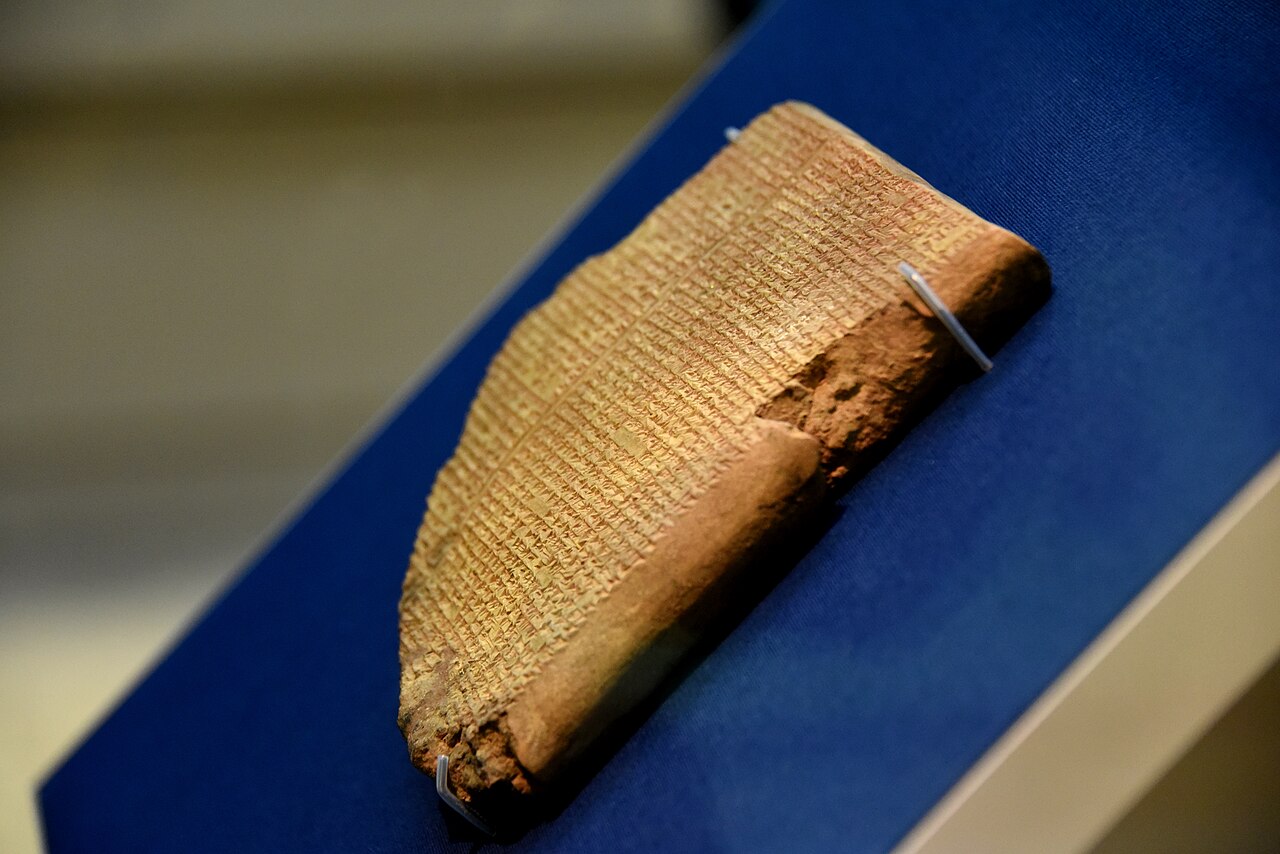
This is a cuneiform clay tablet fragment recording the so-called Zakûtu Treaty, a loyalty oath (adê) from 669 BCE, excavated at Nineveh. It was issued at the initiative of the queen dowager Zakûtu, also known as Naqi'a.
Why it matters
The oath was organized to make sure the royal family and nobility stayed loyal to Ashurbanipal when he became king after the death of his father, Esarhaddon. It shows how Assyrian royal succession could be uncertain and needed careful political management, and it highlights the important role Ashurbanipal's grandmother played in securing his throne.
Look closer
- Why might a new king's grandmother, rather than the king himself, organize this loyalty oath?
- What does the need for such an oath suggest about the risks facing a new ruler at the time?
- What does this document not tell us about whether the nobility truly supported Ashurbanipal?
This document is part of the curated material that grounds the AI version of Ashurbanipal on Humy.ai — when students ask about related events, the AI can quote it and cite it.
More Ashurbanipal sources
Meet the AI Ashurbanipal →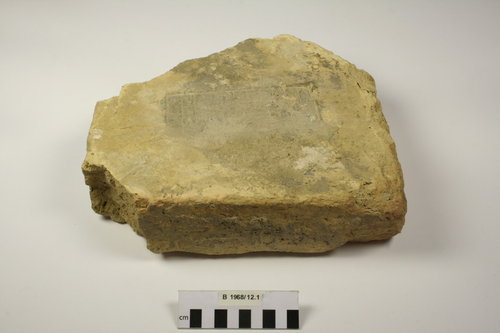 Artifact
Primary source
Baked Brick Naming King Ashurbanipal
7th century BCE
 Sculpture
Primary source
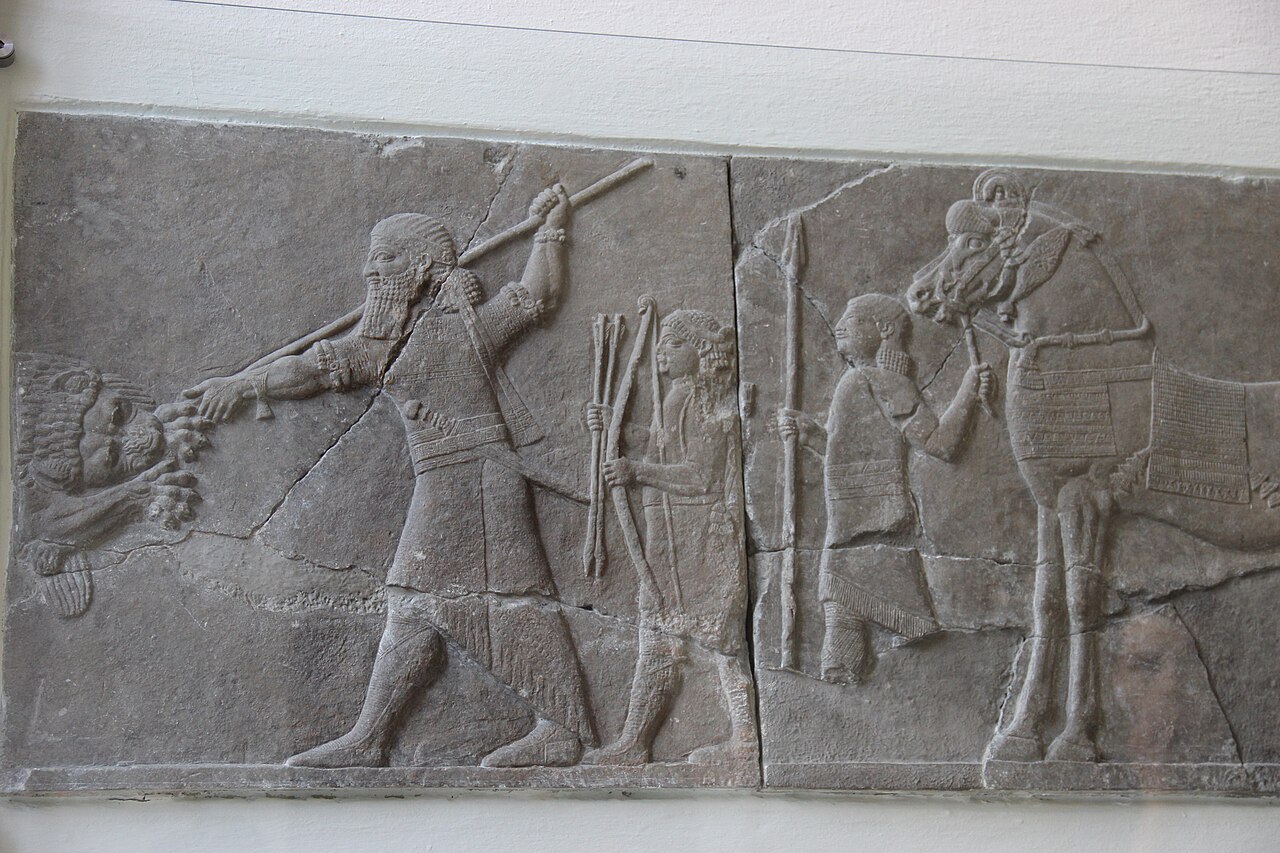
Lion Hunt of Ashurbanipal
Assyrian royal sculptors · c. 645–635 BCE
 Document
Primary source
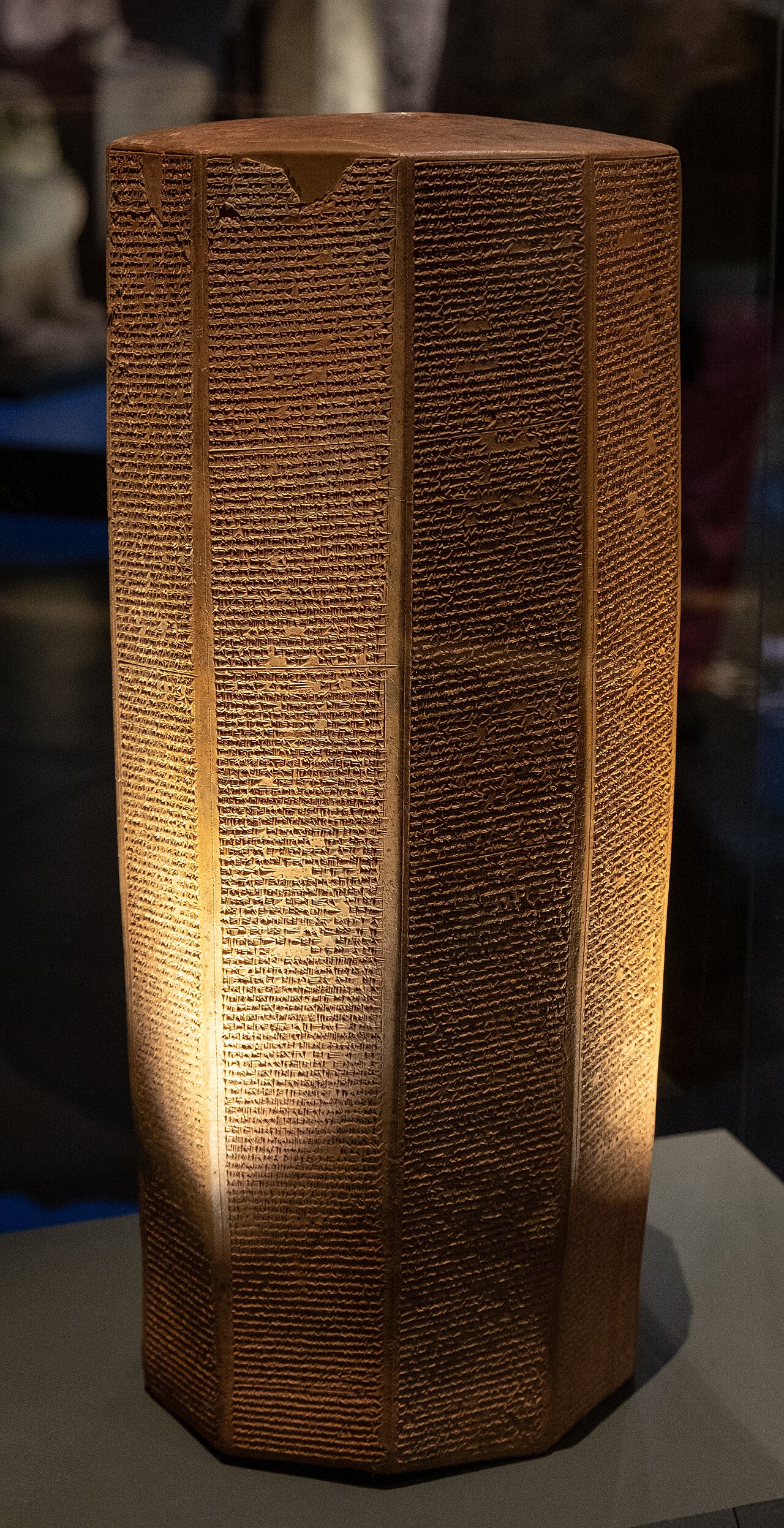
Rassam Prism of Ashurbanipal
643 BCE
 Painting
Secondary source
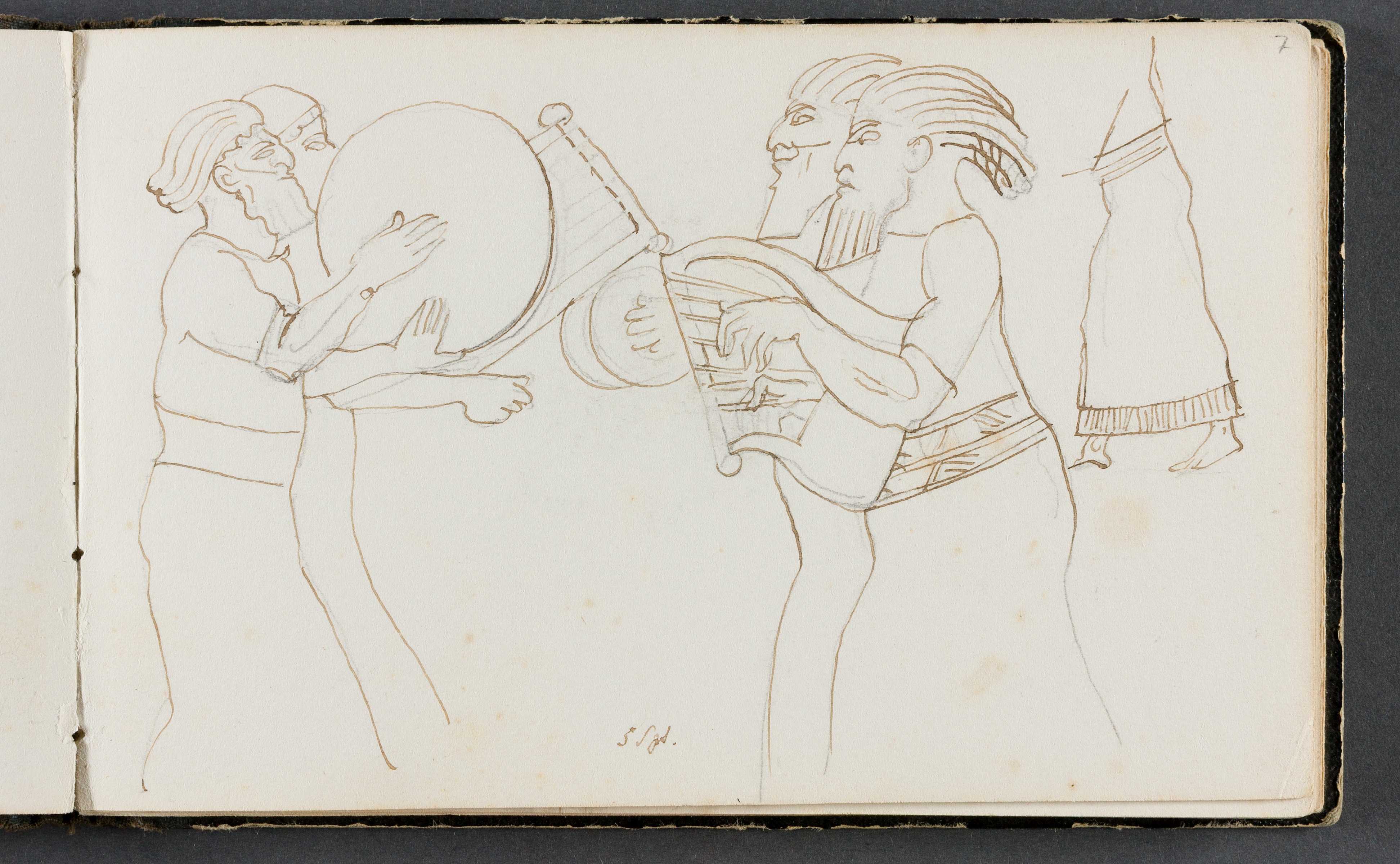
Relief with Musicians from the Palace of Ashurbanipal in Nineveh
 Document
Primary source
Flood Tablet
Scribes of Ashurbanipal's library · 7th century BCE
Ready when you are
Start chatting with Ashurbanipal now.
20 messages free · No credit card · Available in 50+ languages.