


Primary sourceBook1533
A Playne and Godly Exposition or Declaration of the Commune Crede
Desiderius Erasmus · 1533
A 1533 English translation of Erasmus's question-and-answer catechism on the Apostles' Creed, written as a dialogue between a master and a disciple.
Shows Erasmus writing a catechism on the creed during his dispute with Luther, and his influence on the English court.
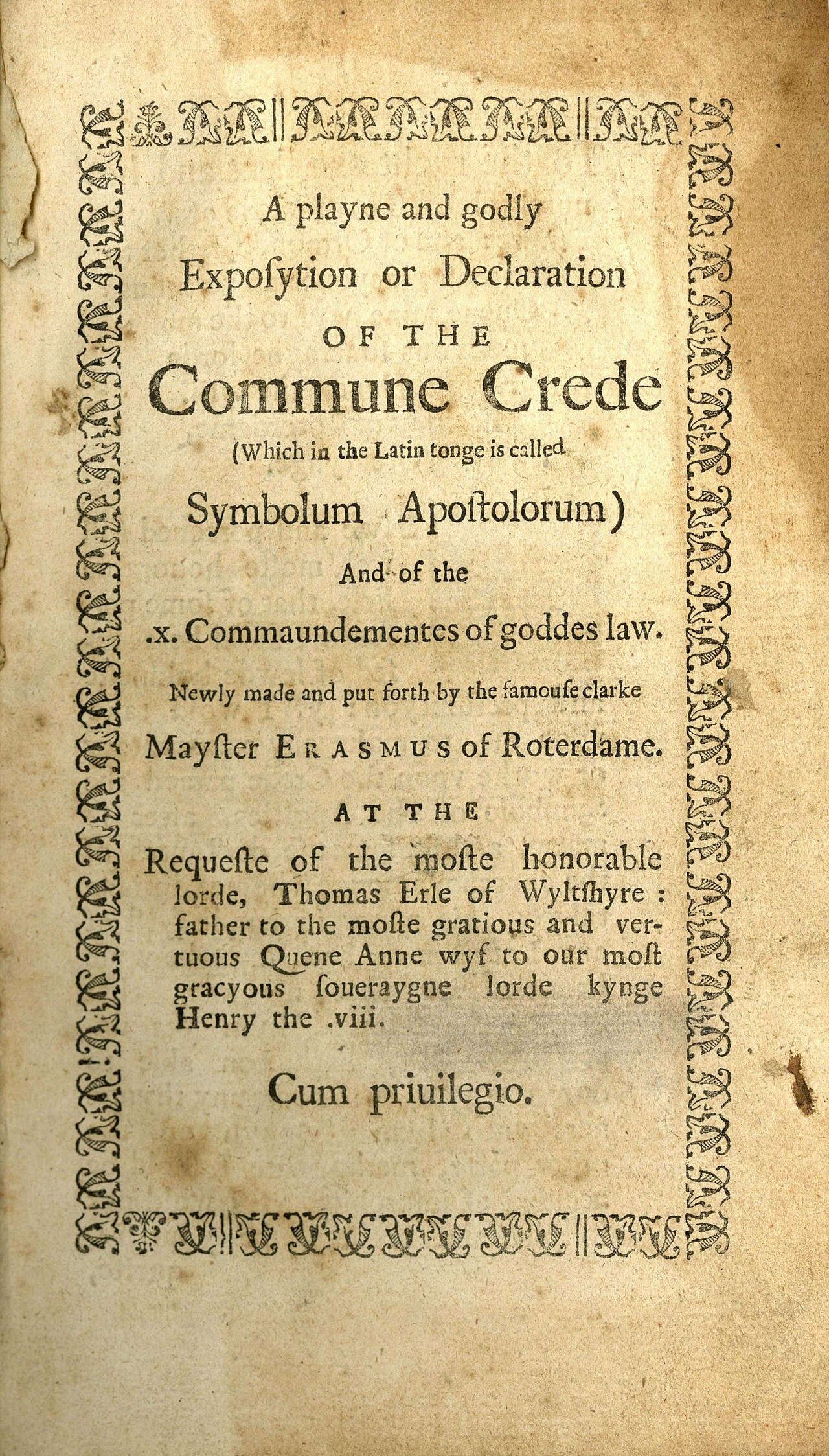
About this source
What it is
This is a printed book, the English edition of a religious work by Erasmus on the Apostles' Creed. It is written as a dialogue in which a Disciple who wishes to join the Catholic Church asks questions and a Master explains the essentials of the faith. It was first printed in 1533 at the request of Thomas Boleyn, Earl of Wiltshire, whose daughter Anne was then queen to Henry VIII. The surviving title page reads 'A playne and godly Expofytion or Declaration of the Commune Crede' and names Erasmus as author. A later reprint used Roman type instead of Gothic type.
Why it matters
The book was written three years before Erasmus died, during the early years of the Reformation. Erasmus was in a dispute with Martin Luther over the nature of the Catholic faith, and this catechism presents his own view of the creed. Its appearance in English shows that his teaching reached Henrician England, where Thomas Boleyn, a courtier, commissioned it.
Look closer
- Why would a book about basic beliefs be written as a conversation between a master and a disciple?
- Who did Thomas Boleyn want to read this translation, and what does that suggest about the audience?
- What might a book written at the height of a religious dispute leave out or frame in a particular way?
This book is part of the curated material that grounds the AI version of Desiderius Erasmus on Humy.ai — when students ask about related events, the AI can quote it and cite it.
More Desiderius Erasmus sources
Meet the AI Desiderius Erasmus →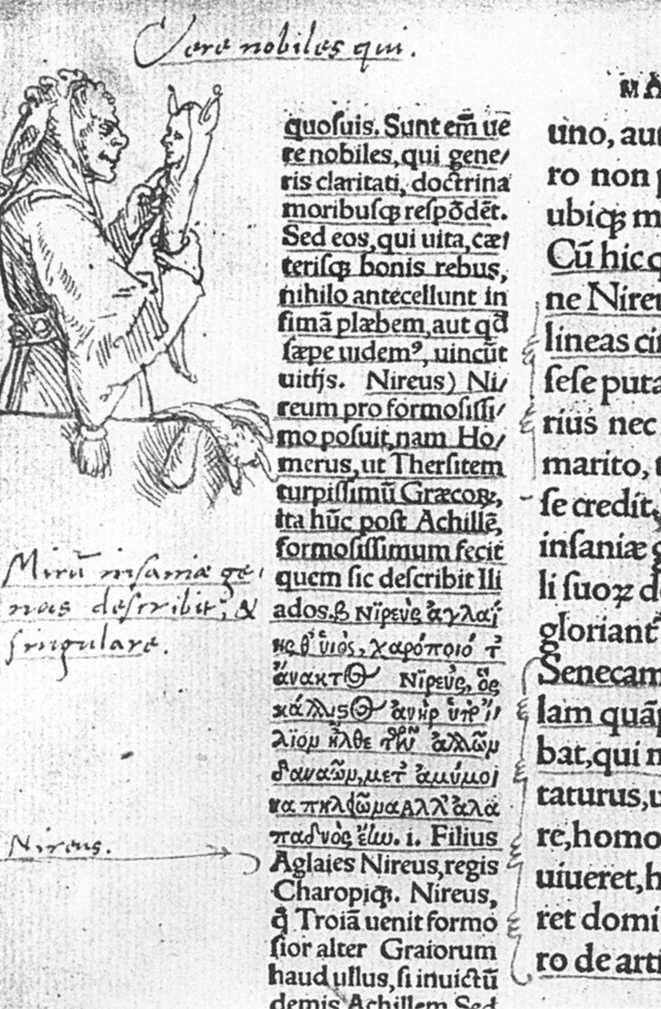 Book
Primary source
In Praise of Folly
Erasmus · 1511 (written 1509)
 Book
Primary source
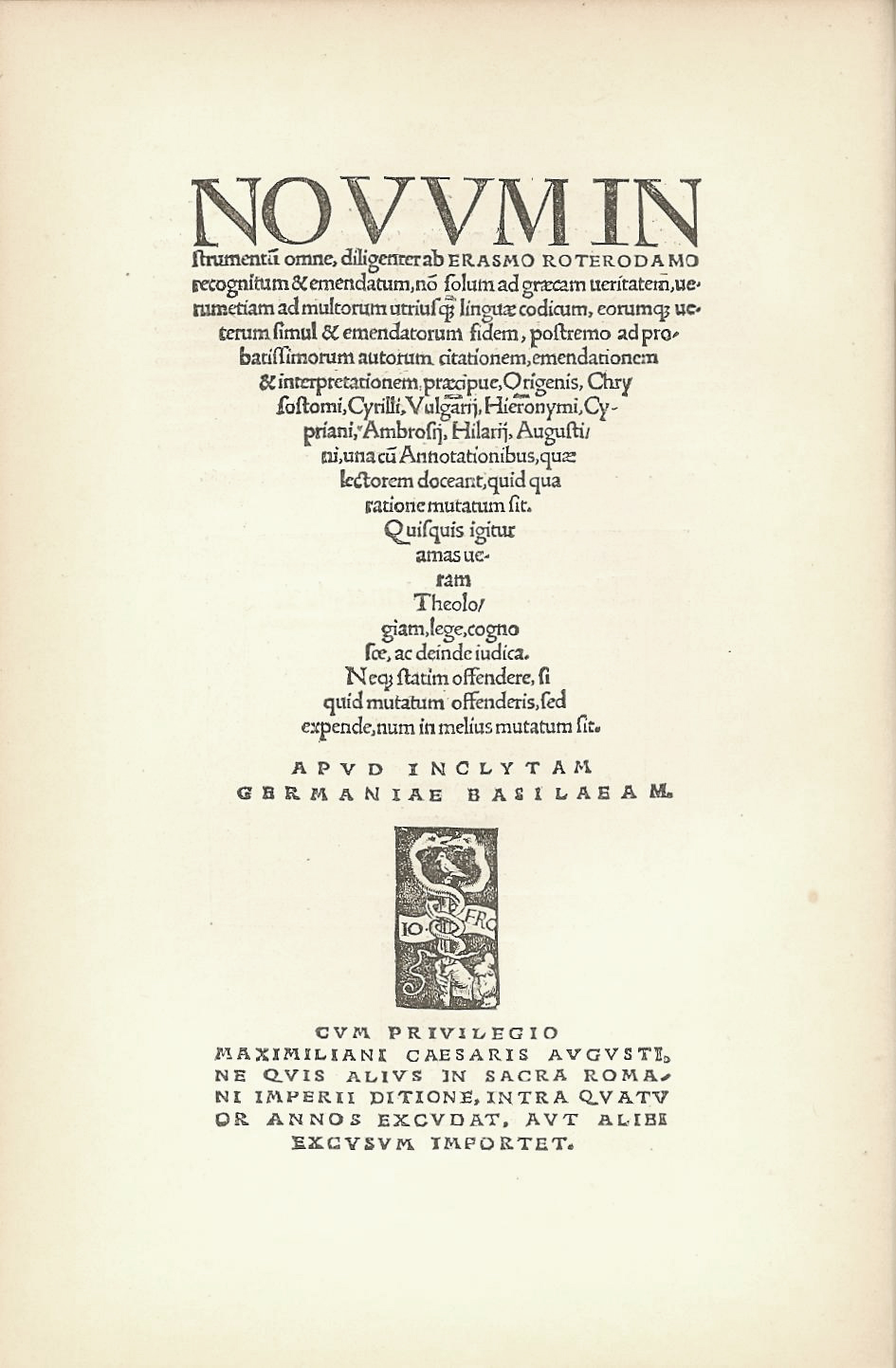
Novum Instrumentum omne
Erasmus · 1516
 Book
Primary source
De libero arbitrio diatribe sive collatio
Erasmus · 1524
 Book
Primary source
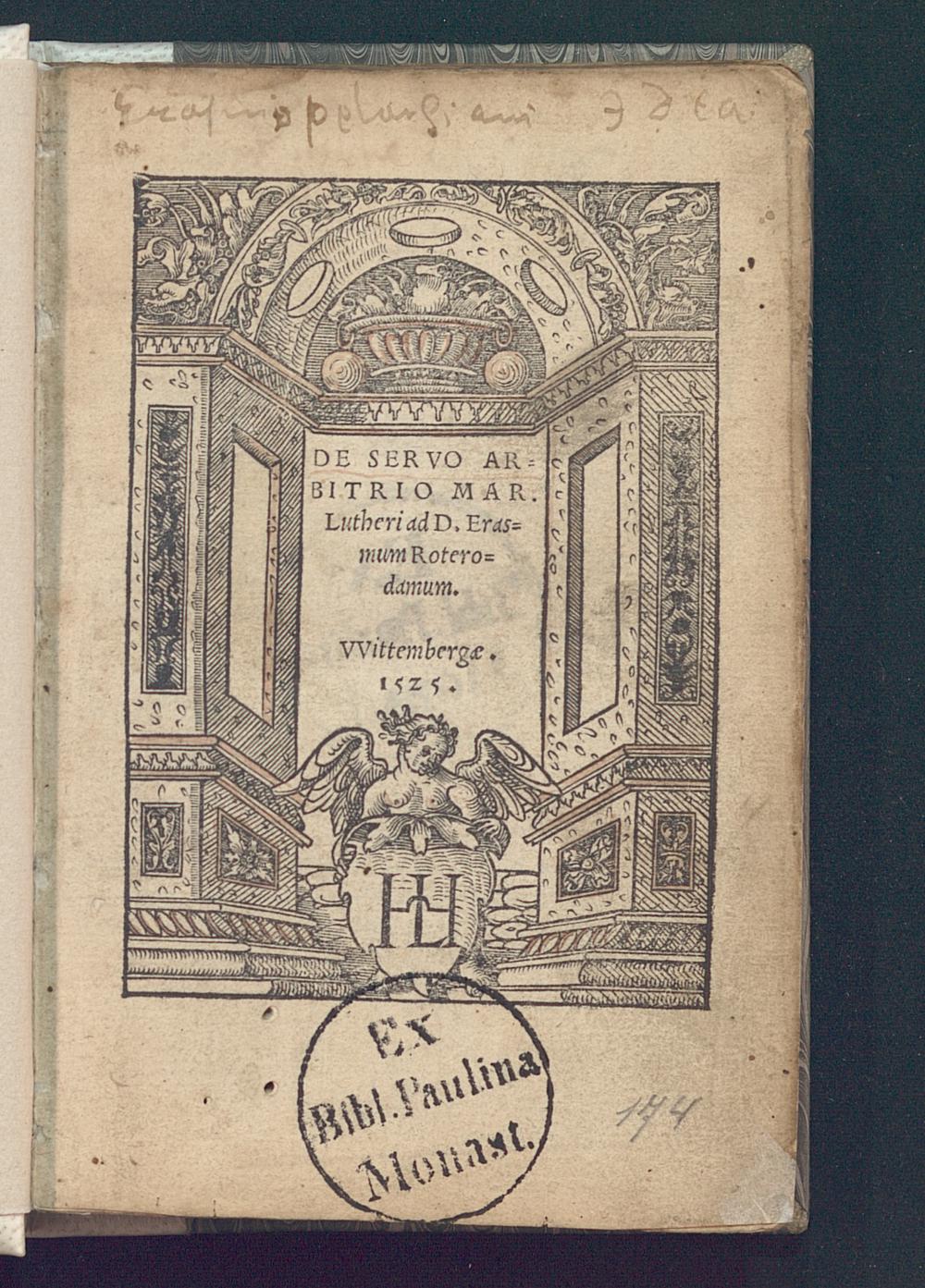
On the Bondage of the Will
Martin Luther · 1525
 Painting
Primary source
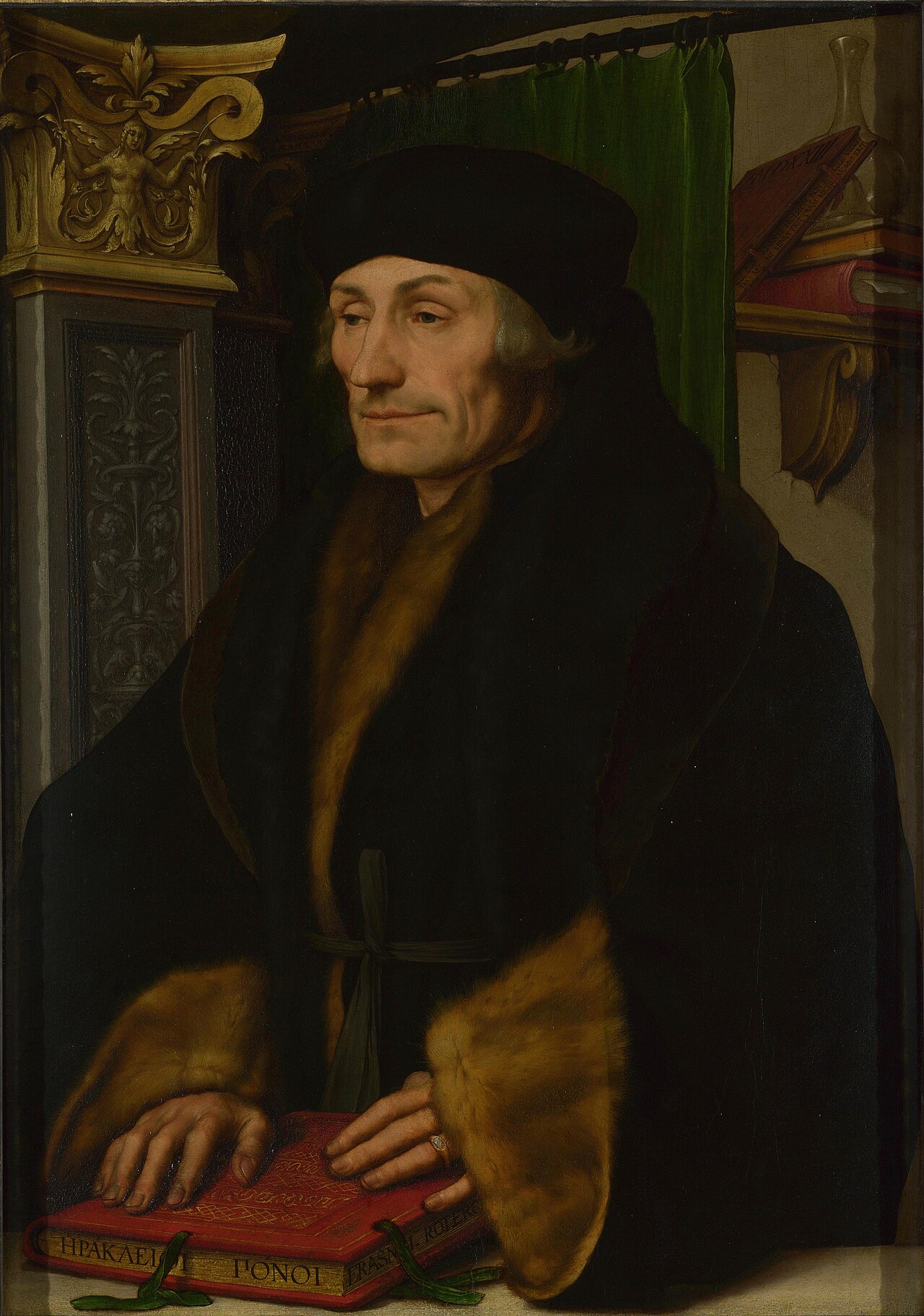
Erasmus
Hans Holbein the Younger · 1523
Ready when you are
Start chatting with Desiderius Erasmus now.
20 messages free · No credit card · Available in 50+ languages.