


Primary sourceSculpture1801
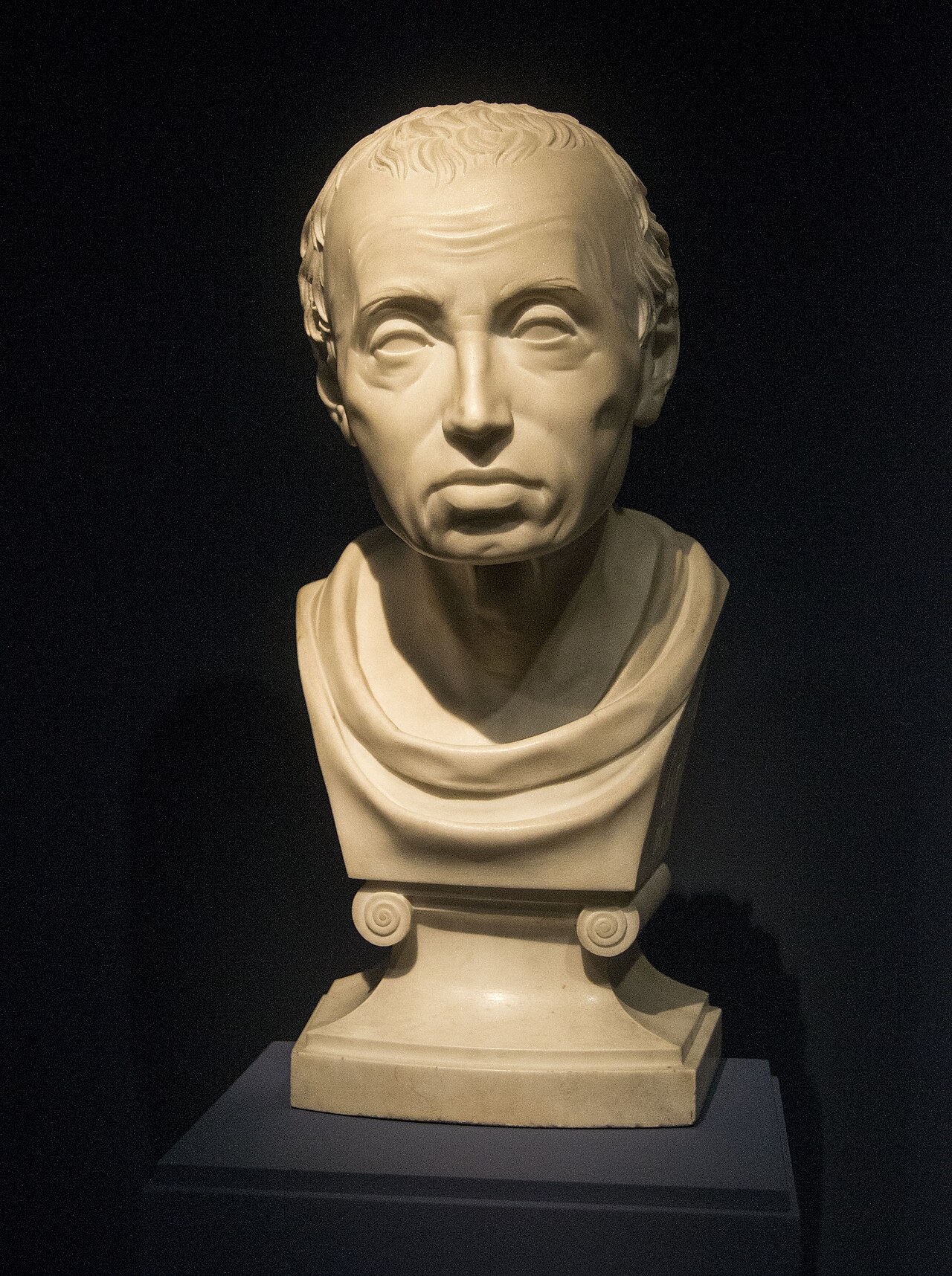
Bust of Immanuel Kant
Friedrich Hagemann · 1801
A marble bust of Immanuel Kant made from life in 1801, showing the philosopher in old age.
A life-made marble portrait of Kant in old age, giving a direct visual record of the philosopher.
About this source
What it is
This is a marble bust of Immanuel Kant carved by Friedrich Hagemann in 1801, made from life when Kant was an old man. It is held at the Hamburger Kunsthalle.
Why it matters
Because it was made from life, the bust is considered a reliable record of Kant's appearance near the end of his life, rather than an imagined likeness. It shows how an artist of the time chose to portray a famous thinker — dignified, stern, almost monumental, resting on a classical pedestal.
Look closer
- What does the stern expression suggest about how the sculptor wanted viewers to see Kant?
- Why might sculptors use marble and classical pedestals for portraits of thinkers?
- What can't a bust tell us that a letter or diary might?
This sculpture is part of the curated material that grounds the AI version of Immanuel Kant on Humy.ai — when students ask about related events, the AI can quote it and cite it.
More Immanuel Kant sources
Meet the AI Immanuel Kant →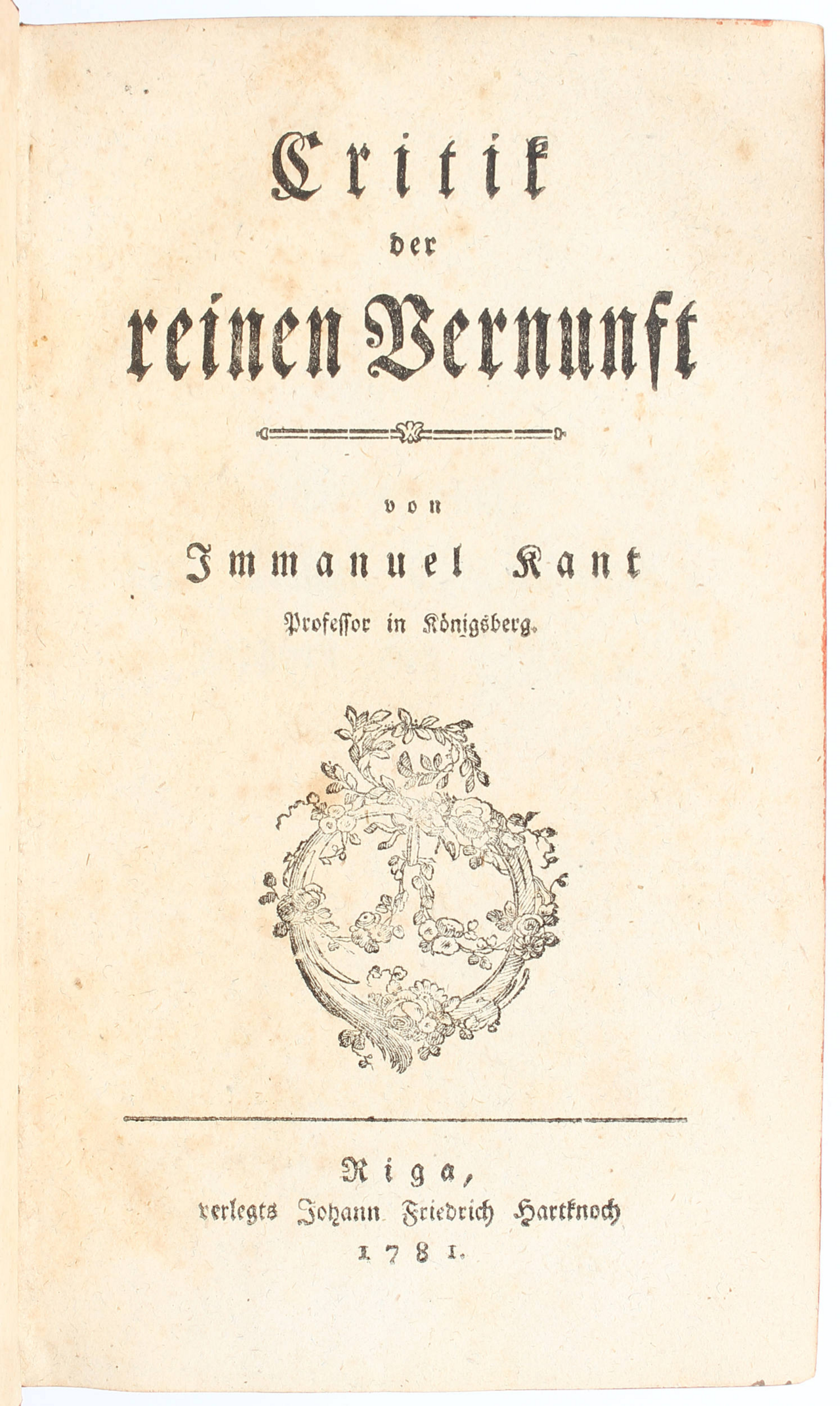 Book
Primary source
Critique of Pure Reason
Immanuel Kant · 1781 (revised 1787)
 Book
Primary source
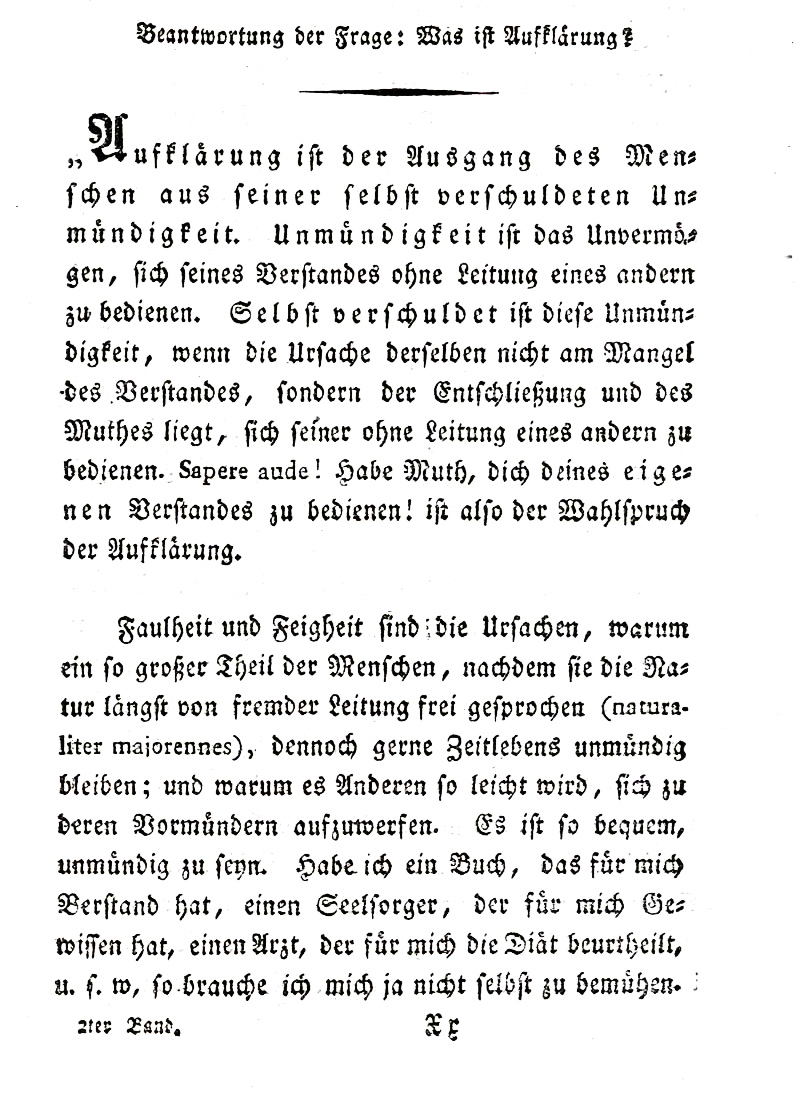
Answering the Question: What Is Enlightenment?
Immanuel Kant · 1784
 Book
Primary source
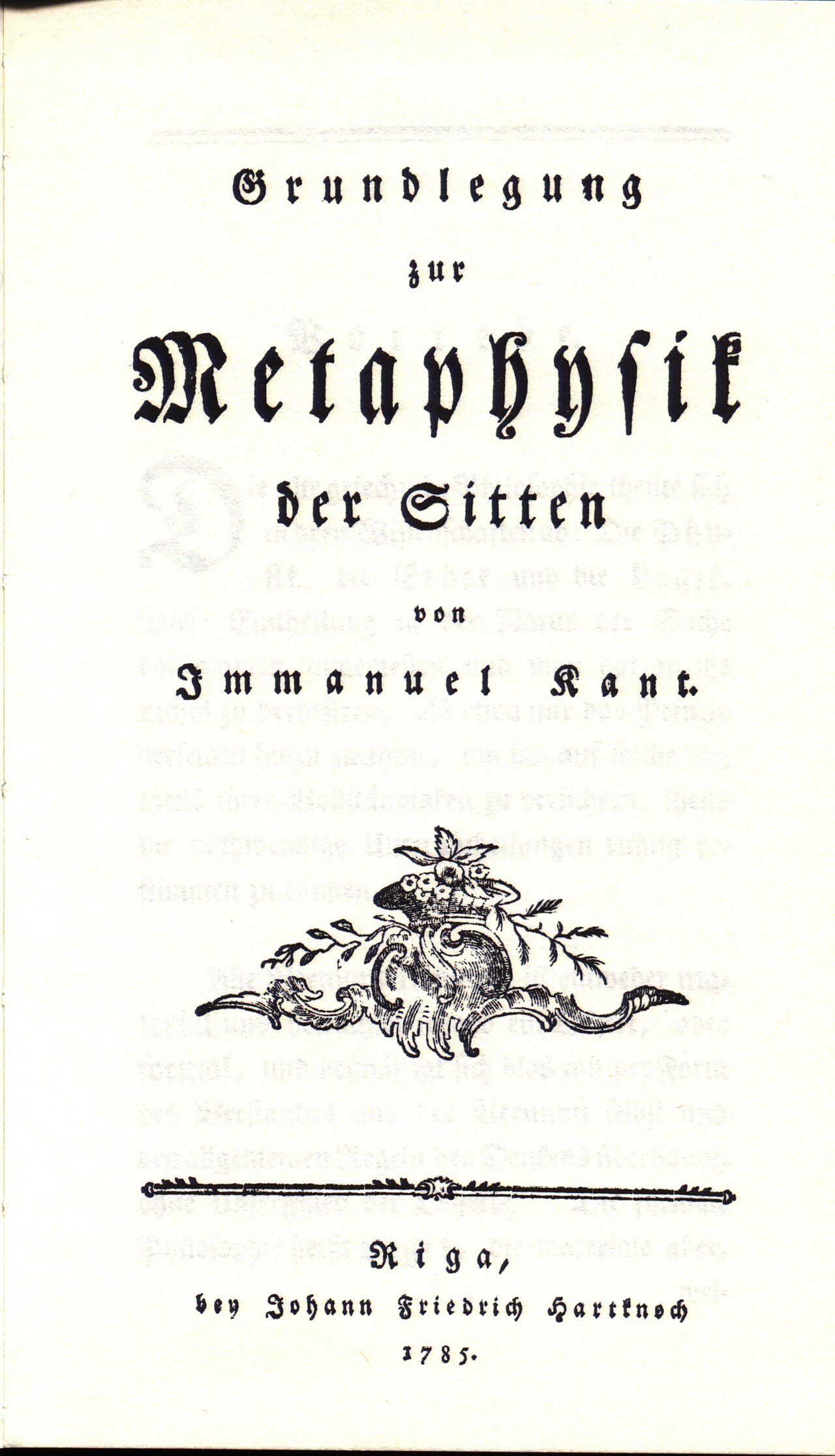
Groundwork of the Metaphysic of Morals
Immanuel Kant · 1785
 Book
Primary source
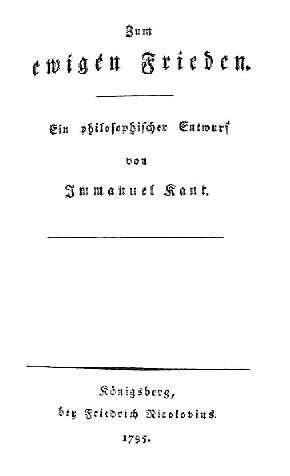
Perpetual Peace: A Philosophical Sketch
Immanuel Kant · 1795
 Book
Primary source
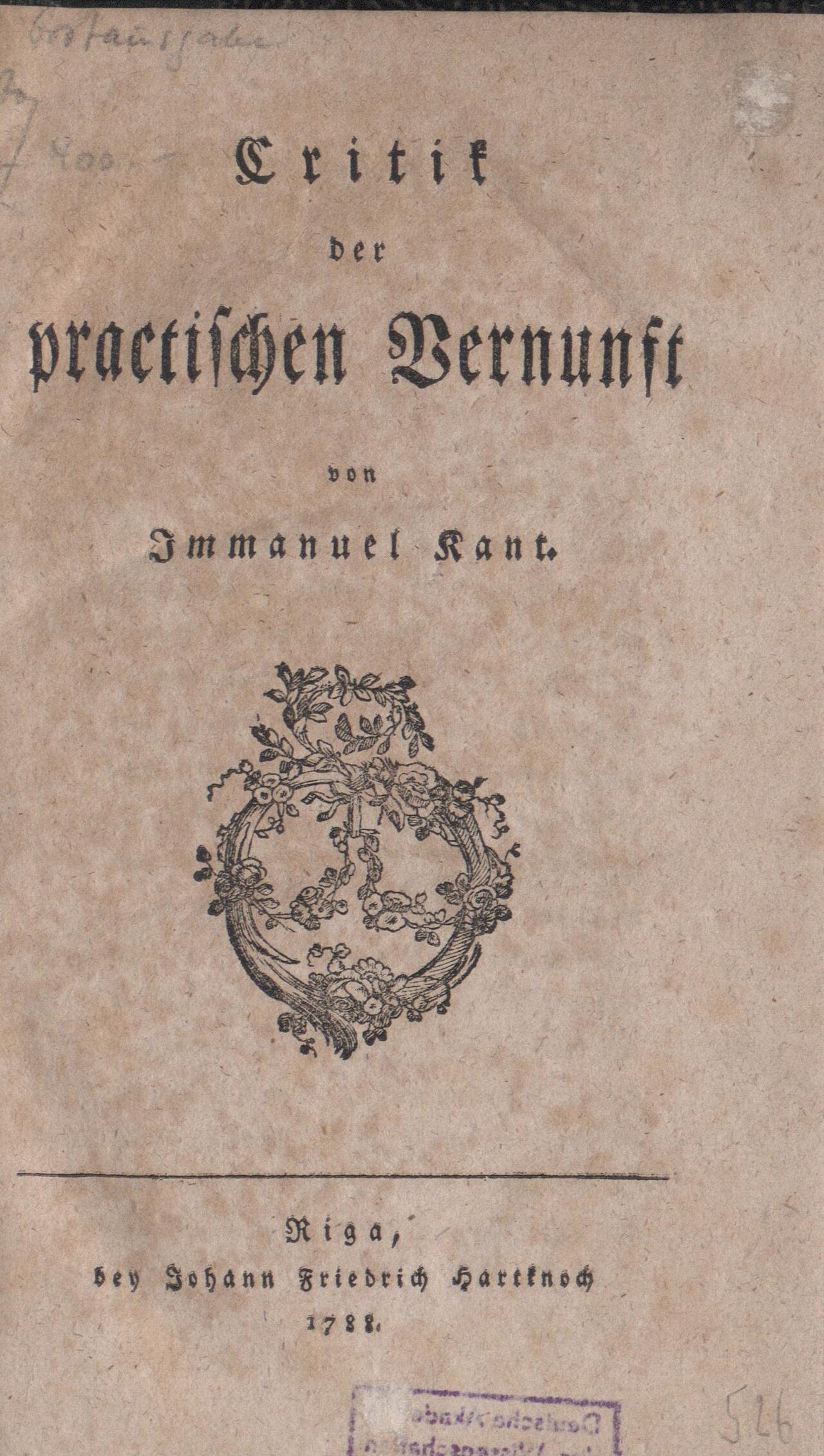
Critique of Practical Reason
Immanuel Kant · 1788 (completed 1787)
Ready when you are
Start chatting with Immanuel Kant now.
20 messages free · No credit card · Available in 50+ languages.