


Secondary sourceLetterc. 320-380 CE
Correspondence of Paul and Seneca
c. 320-380 CE
A set of forged letters claiming to be an exchange between Paul and the Roman Stoic philosopher Seneca, once believed genuine.
These forged letters show how later Christians reshaped Seneca's image long after his death.
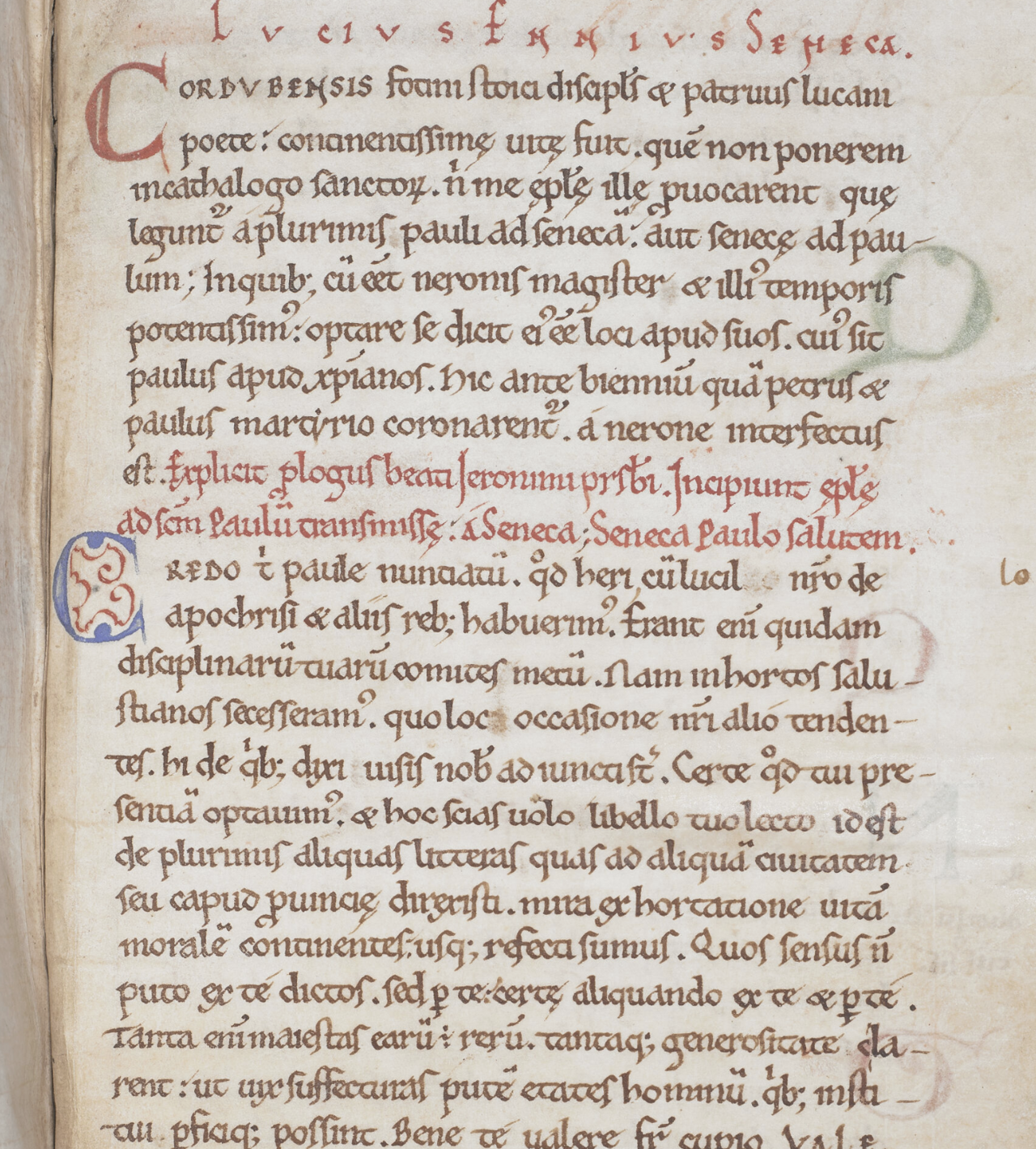
About this source
What it is
This is a collection of fourteen Latin letters, eight attributed to Seneca the Younger and six to Paul, claiming to date from 58-64 CE. They were actually written around the mid-4th century, long after both men had died, and were widely accepted as real until Renaissance scholars like Lorenzo Valla exposed them as forgeries.
Why it matters
The letters mostly contain mutual flattery with little real content, but their existence shows how later Christians wanted to connect Paul with the respected philosopher Seneca, giving Paul intellectual status among educated Romans. The forgery shaped Seneca's reputation among medieval Christians for centuries.
- Why would someone forge letters between Paul and a famous pagan philosopher?
- What clues helped later scholars detect that these were not authentic?
- What does the popularity of this forgery for centuries tell us about what people wanted to believe about Paul?
This letter is part of the curated material that grounds the AI version of Seneca and Saint Paul on Humy.ai — when students ask about related events, the AI can quote it and cite it.
More Seneca sources
Meet the AI Seneca → Letter
Primary source
Epistulae Morales ad Lucilium
Seneca · c. 62-65 CE
 Book
Primary source
De Brevitate Vitae
Seneca · c. 49 CE
 Book
Secondary source
Annals
Tacitus · c. AD 116 or later
 Book
Primary source
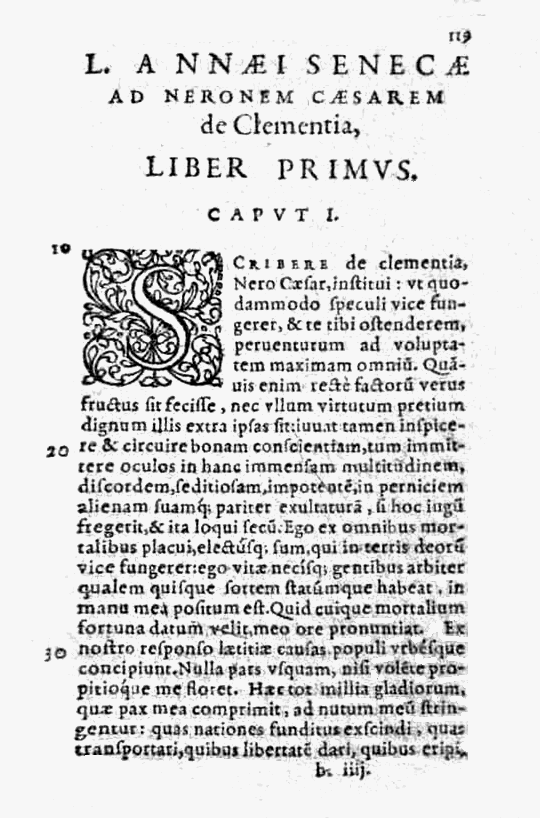
De Clementia
Seneca · 55-56 CE
 Sculpture
Secondary source
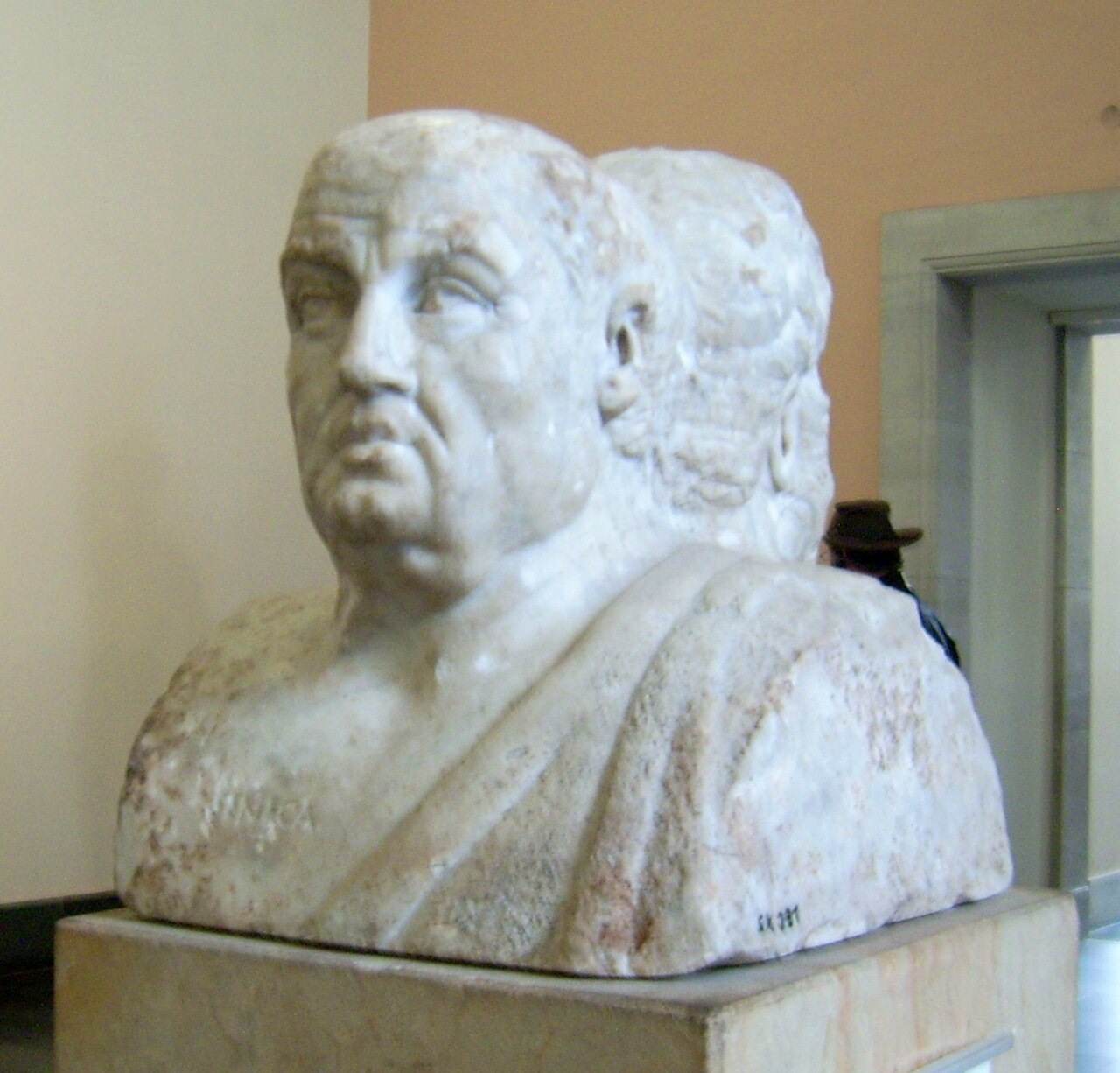
Double Herm of Socrates and Seneca
first half of the 3rd century AD
Ready when you are
Start chatting with Seneca now.
20 messages free · No credit card · Available in 50+ languages.