


Primary sourceBook1770
De Mundi Sensibilis atque Intelligibilis Forma et Principiis: Dissertatio
Immanuel Kant · 1770
Kant's 1770 Latin inaugural dissertation for his professorship at Königsberg, an early statement separating the sensible from the intelligible world.
This is Kant's own inaugural dissertation, written to secure his professorship, marking an early step in his philosophical development.
About this source
What it is
This is a Latin academic dissertation written by Immanuel Kant in 1770 to secure his chair at the university in Königsberg. It argues that the world as we sense it and the world as we understand it through reason are fundamentally different.
Why it matters
The dissertation marks a turning point in Kant's thinking, where he began to separate sensibility and understanding as distinct faculties of the mind. This distinction would later become central to his mature philosophy, showing students how his famous ideas developed gradually over years of academic work.
Look closer
- Why might Kant have written this important work in Latin rather than German?
- What does the formal, technical language tell you about the audience this text was written for?
- How might ideas in an inaugural dissertation differ from a philosopher's later, more famous works?
This book is part of the curated material that grounds the AI version of Immanuel Kant on Humy.ai — when students ask about related events, the AI can quote it and cite it.
More Immanuel Kant sources
Meet the AI Immanuel Kant →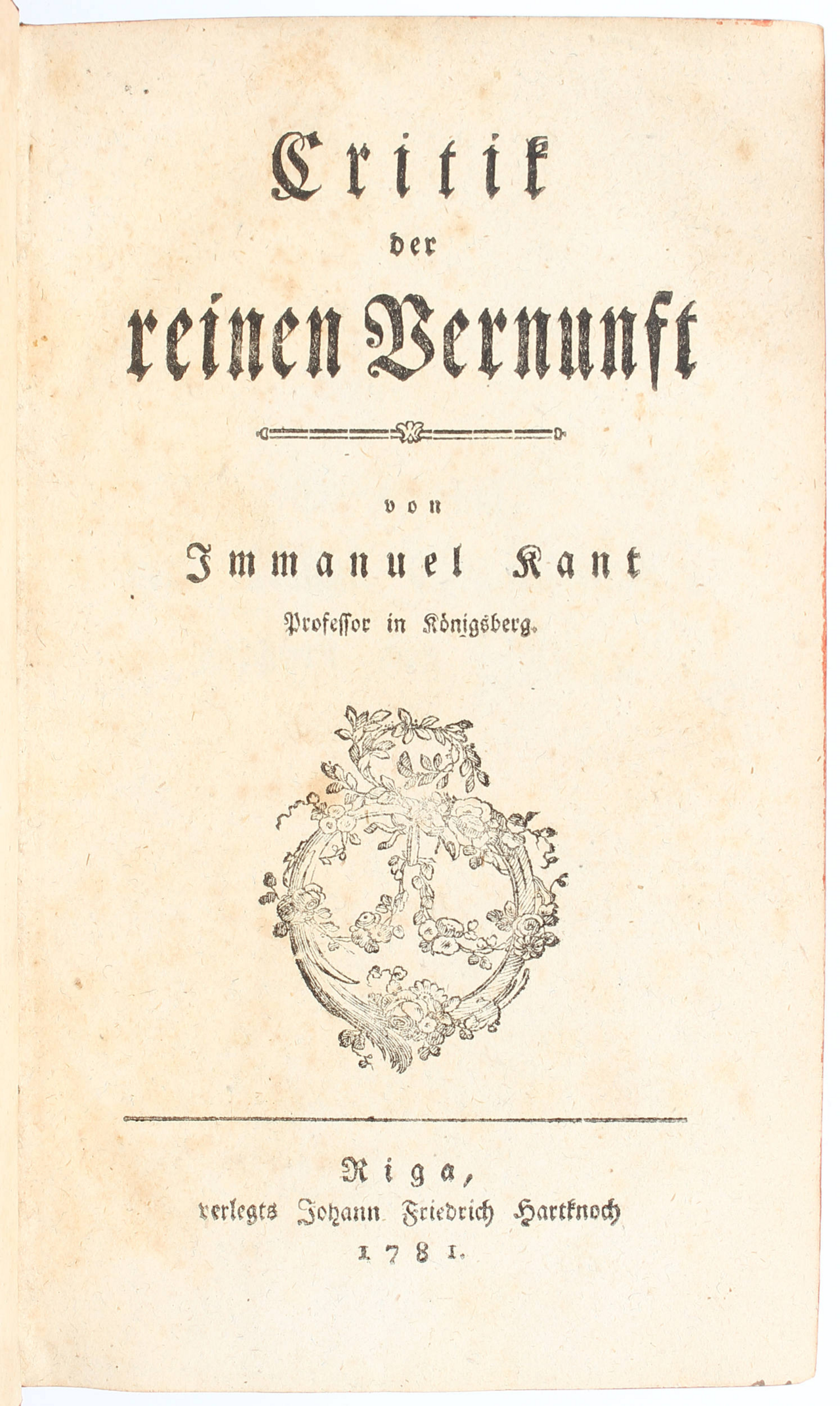 Book
Primary source
Critique of Pure Reason
Immanuel Kant · 1781 (revised 1787)
 Book
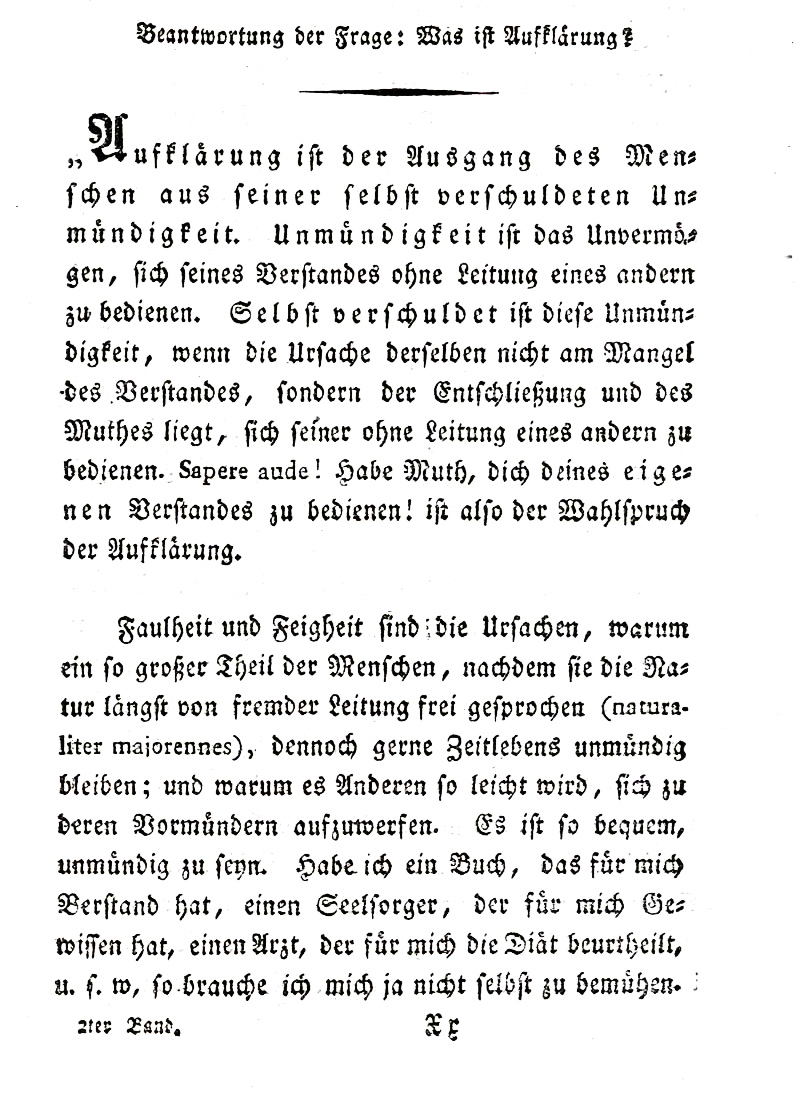
Primary source
Answering the Question: What Is Enlightenment?
Immanuel Kant · 1784
 Book
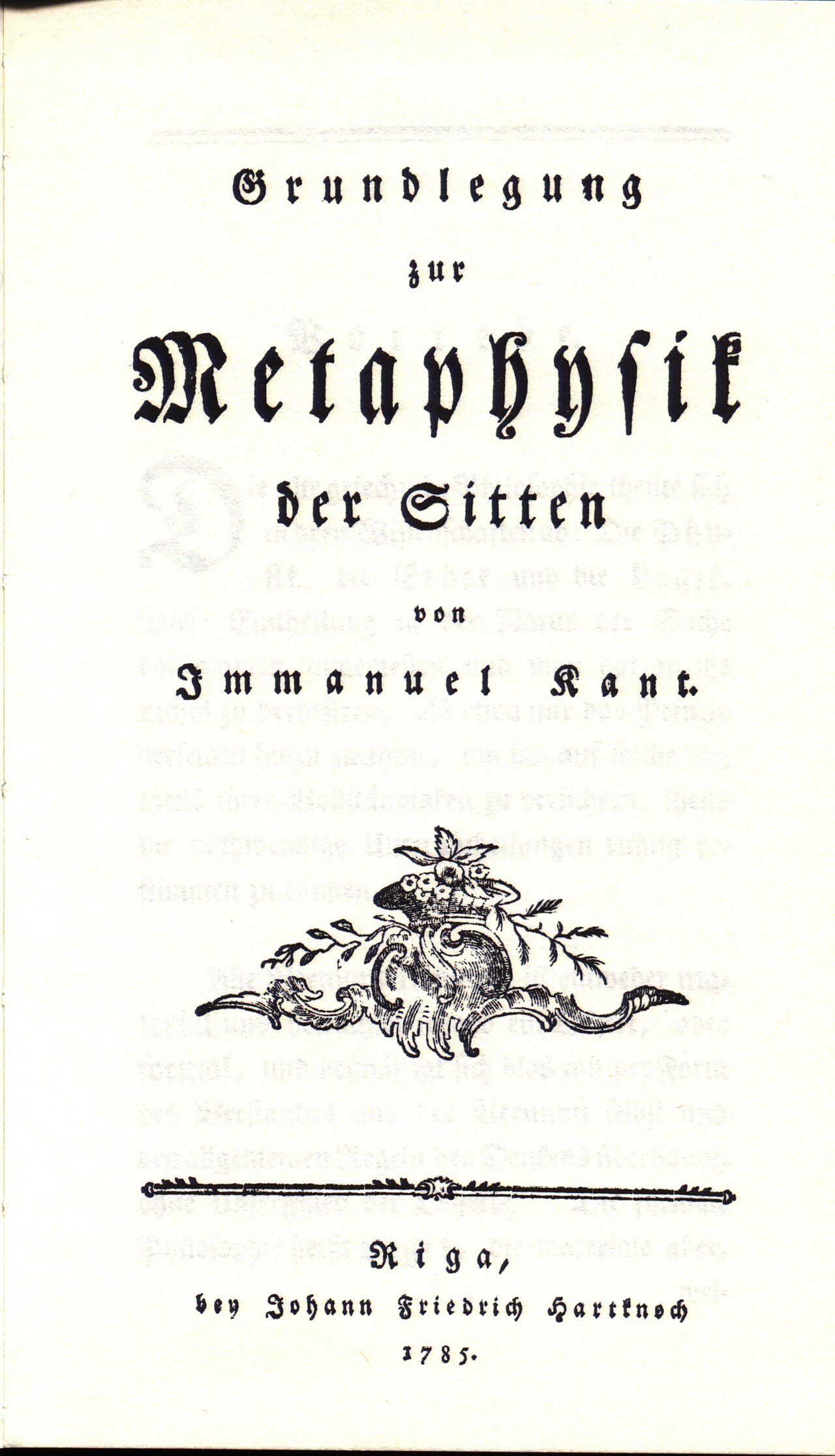
Primary source
Groundwork of the Metaphysic of Morals
Immanuel Kant · 1785
 Book
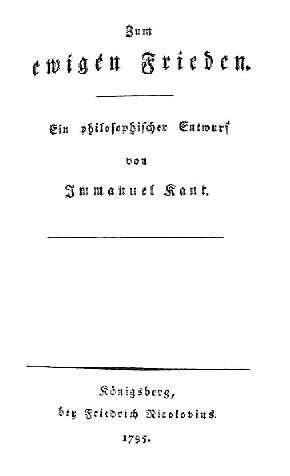
Primary source
Perpetual Peace: A Philosophical Sketch
Immanuel Kant · 1795
 Book
Primary source
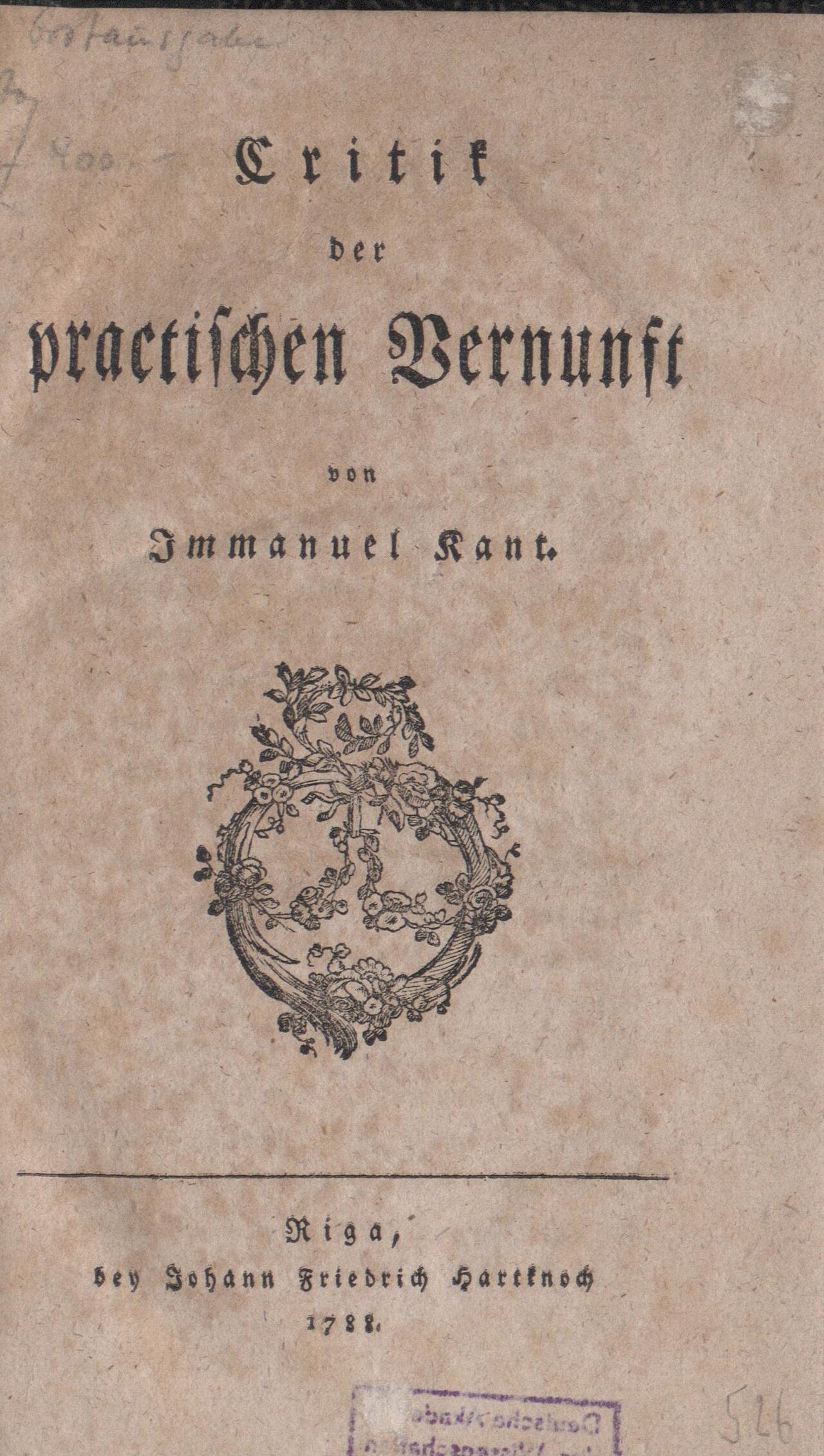
Critique of Practical Reason
Immanuel Kant · 1788 (completed 1787)
Ready when you are
Start chatting with Immanuel Kant now.
20 messages free · No credit card · Available in 50+ languages.